
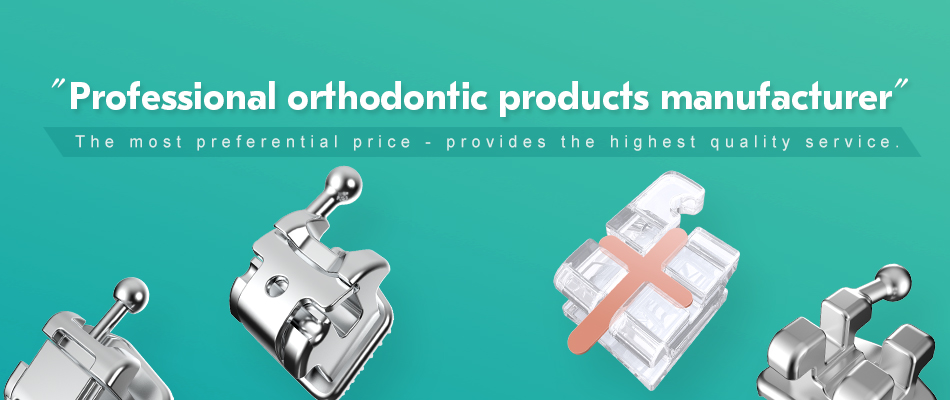

The orthodontic market anticipates substantial growth by 2026, primarily fueled by a surging demand for Active Self-Ligating Bracket (SLB) systems. These systems are a key growth driver, particularly the orthodontic self-ligating brackets active type. They utilize a built-in, active clip or door mechanism to securely hold the archwire, enabling precise force application and minimizing friction.
Key Takeaways
- The global orthodontic market will grow a lot by 2026. People want better smiles. New technology helps this growth.
- Active Self-Ligating Bracket (SLB) systems are very popular. They move teeth well. They also make treatment faster and more comfortable.
- Orthodontists like Active SLB systems. They save time. Patients also like them. They mean fewer visits and less pain.
Understanding the 2026 Orthodontic Market Landscape
Overall Market Valuation and Growth Projections
The global orthodontic market projects substantial expansion by 2026. Experts forecast a significant increase in market valuation. This growth stems from several factors. Rising awareness about dental aesthetics drives demand. Advancements in orthodontic technology also contribute. The market experiences a steady Compound Annual Growth Rate (CAGR). This consistent growth indicates a robust industry. Increased disposable income in many regions allows more people to seek treatment. Healthcare infrastructure improvements further support this upward trend. The market outlook remains highly positive for the coming years.
Key Orthodontic Market Segments
The orthodontic market comprises various segments. These segments include fixed braces, removable aligners, and self-ligating brackets. Fixed braces remain a foundational segment. Removable aligners have gained immense popularity. They offer a discreet treatment option. Self-ligating brackets represent a rapidly growing segment. Within this category, Orthodotic self-ligating brackets active systems show particular promise. These systems offer distinct advantages. They provide efficient tooth movement. They also reduce chair time for orthodontists. Other segments include retainers and orthodontic auxiliaries. Each segment contributes to the overall market expansion. Patient preferences and technological innovations shape the growth of these segments.
Geographic Growth Hotspots
Several regions emerge as significant growth hotspots for the orthodontic market. North America consistently leads in market share. High healthcare spending and advanced dental practices drive this dominance. Europe also presents a strong market. Countries like Germany and the UK show high adoption rates. The Asia-Pacific region demonstrates the fastest growth. Emerging economies such as China and India contribute significantly. Their large populations and increasing middle-class income fuel demand. Latin America and the Middle East also show promising growth trajectories. These regions experience improving access to dental care. They also see a rising demand for aesthetic treatments. Global market players focus on these high-growth areas. They aim to capitalize on the expanding patient base.
The Rise of Active SLB Systems: Why the Surge?
Defining Active Orthodontic Self-Ligating Brackets
Active self-ligating brackets (SLBs) represent a sophisticated orthodontic technology. They feature a built-in, movable component. This component, often a clip or a door, actively engages the archwire. It presses the archwire into the bracket slot. This active engagement allows for precise control over tooth movement. It also helps apply consistent force. This design differs from passive SLBs, which merely hold the wire loosely. The active mechanism ensures a tight connection. This tight connection is crucial for effective treatment. Orthodotic self-ligating brackets active systems offer a distinct advantage in force delivery.
Clinical Advantages for Orthodontists
Orthodontists find significant benefits using active SLB systems. These systems reduce chair time for adjustments. The clip mechanism simplifies archwire changes. This efficiency allows orthodontists to see more patients. They also offer superior control over tooth movement. The active clip provides consistent force application. This leads to more predictable treatment outcomes. Friction between the bracket and wire is often lower. Reduced friction can facilitate faster tooth movement. Orthodontists appreciate the precise torque and rotation control. This precision helps achieve optimal aesthetic and functional results.
Patient Benefits of Active SLB Systems
Patients experience several advantages with active SLB systems. They often require fewer office visits. The efficient design means less frequent adjustments. This saves patients time and travel. Many patients report greater comfort. The active mechanism can reduce pressure on teeth. This leads to less discomfort after adjustments. Treatment times can also be shorter. Efficient tooth movement contributes to quicker results. The brackets are often smaller and more streamlined. This improves oral hygiene and aesthetics during treatment. Patients appreciate the convenience and effectiveness.
Technological Advancements Driving Adoption
Technological advancements significantly drive the adoption of active SLB systems. Manufacturers develop new materials. These materials offer increased strength and durability. They also improve biocompatibility. Bracket designs become more refined. Engineers create smaller, more discreet brackets. These designs enhance patient comfort and aesthetics. Improved manufacturing processes ensure greater precision. This leads to more reliable bracket performance. Digital dentistry also plays a role. Advanced imaging and planning tools integrate with SLB systems. This integration allows for highly customized treatment plans. These innovations make active SLBs more appealing to both practitioners and patients.
Key Drivers Fueling Active SLB System Adoption
Increasing Aesthetic Consciousness
People increasingly value dental aesthetics. Social media and popular culture highlight the importance of a perfect smile. Individuals seek orthodontic solutions to improve their appearance. This heightened awareness drives demand for effective and efficient treatments. Active SLB systems offer a modern approach to achieving desired aesthetic outcomes.
Growing Disposable Income and Healthcare Spending
Global disposable income continues to rise. Consumers allocate more funds to personal healthcare and cosmetic enhancements. This financial capacity makes advanced orthodontic treatments more accessible. Patients can now afford premium options, including sophisticated active SLB systems. This trend directly supports market growth.
Technological Innovation and R&D in Orthodontics
Continuous technological innovation fuels the orthodontic market. Manufacturers invest heavily in research and development. They create improved materials and refined bracket designs. These advancements enhance the performance and comfort of active SLB systems. The development of new Orthodotic self-ligating brackets active models consistently pushes adoption rates higher.
Orthodontist Preference and Training
Orthodontists often prefer systems that offer clinical advantages. Active SLBs provide superior control over tooth movement and reduce chair time. Comprehensive training programs educate practitioners on these benefits. Orthodontists gain confidence in using these advanced systems. Their positive experiences and recommendations significantly influence patient choices.
Marketing and Patient Education Initiatives
Effective marketing strategies play a crucial role. Companies and clinics educate potential patients about modern orthodontic solutions. They highlight the benefits of active SLB systems, such as efficiency and comfort. These initiatives increase patient awareness and generate demand. Well-informed patients actively seek out these advanced treatment options.
Challenges and Opportunities in the Active SLB Market
Potential Challenges for Active SLB Systems
The active self-ligating bracket market faces several hurdles. Cost remains a primary concern. Active SLB systems often carry a higher price point than conventional braces. This can limit accessibility for some patient demographics. Orthodontists also require specialized training. They must master the unique mechanics and application techniques of these advanced systems. This learning curve demands significant investment in professional development. Material science presents ongoing challenges. Manufacturers continuously strive for enhanced durability, improved aesthetics, and optimal biocompatibility in bracket materials. Furthermore, strong competition from alternative orthodontic solutions, particularly clear aligners, impacts market share. Patients now have more choices, and they carefully weigh the benefits of each option.
Tip: Effective patient education can help overcome cost perceptions by highlighting the long-term benefits and efficiency of active SLB systems.
Future Opportunities for Market Expansion
Despite these challenges, the active SLB market holds substantial growth potential. Personalization offers a significant opportunity. Custom-designed brackets can provide superior fit and even more precise tooth movement. Digital workflow integration will further drive expansion. Seamlessly combining active SLB technology with intraoral scanners, AI-powered treatment planning, and 3D printing promises highly efficient and predictable outcomes. Emerging markets present vast, untapped patient populations. Rising disposable incomes and increasing awareness of dental health in these regions will fuel demand. The global emphasis on achieving ideal dental aesthetics ensures continued patient interest. Patients actively seek efficient, comfortable, and often less visible treatment options. Orthodotic self-ligating brackets active systems are well-positioned to meet these evolving patient needs, creating a robust foundation for future market growth and innovation.
The future looks bright for Active SLB systems in the 2026 orthodontic market. The orthodontic market’s strong growth trajectory, especially for active SLB systems, will continue. Key drivers and benefits sustain this demand. This has significant implications for manufacturers, practitioners, and patients.
FAQ
Why are Active SLB systems becoming so popular?
Patients seek efficient and comfortable treatments. Active SLB systems offer faster tooth movement and fewer office visits. Technological advancements also drive their adoption.
What advantages do orthodontists find with Active SLB systems?
Orthodontists appreciate reduced chair time and precise control over tooth movement. These systems lead to more predictable treatment outcomes. They enhance clinical efficiency.
Do patients experience benefits from Active SLB systems?
Patients often report greater comfort and shorter treatment times. They also benefit from fewer appointments. The brackets are often smaller and more discreet.
Post time: Dec-04-2025