


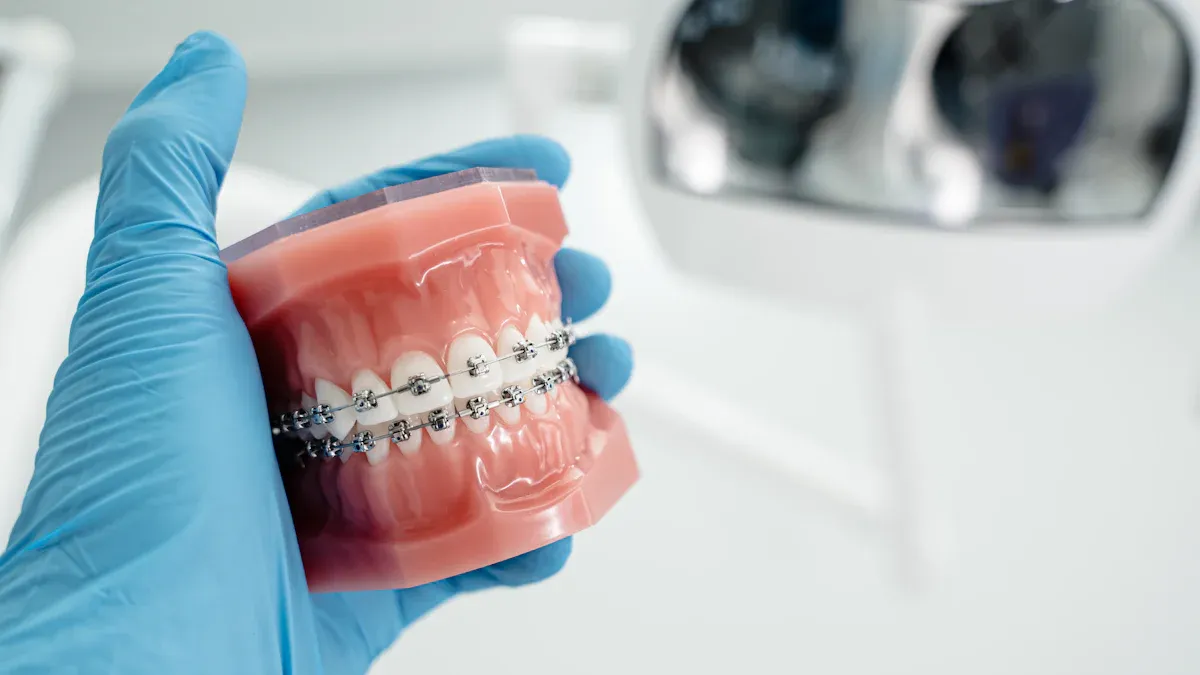
Orthodontic elastics play a crucial role in the effectiveness of orthodontic treatments. These small rubber bands for braces help align teeth and improve bite functionality. They apply gentle pressure to teeth, guiding them into the desired position.
Several types of orthodontic elastics exist, each serving a specific purpose. Understanding these types can aid in selecting the best elastics for overbite correction and other alignment issues. Additionally, knowing about elastic sizes for orthodontics ensures proper fit and effectiveness. For those using a power chain, it’s important to refer to a power chain stretch guide to maintain optimal tension.
Consult with an orthodontist to determine the most suitable options for individual needs, including the right rubber bands for braces and the appropriate elastic sizes for orthodontics.
Key Takeaways
- Orthodontic elastics are essential for aligning teeth and correcting bite issues. They apply gentle pressure to guide teeth into the desired position.
- Different types of elastics serve specific purposes. Class I elastics correct minor bite discrepancies, while Class II and Class III elastics address overbites and underbites, respectively.
- Wearing elastics for at least 20 hours daily is crucial for effective treatment. Consistent use minimizes discomfort and speeds up the orthodontic process.
- Regularly replacing elastics, ideally twice a day, maintains consistent force and effectiveness. Worn-out elastics can hinder progress.
- Consulting with an orthodontist is vital for selecting the right elastics. They provide personalized recommendations based on individual needs and treatment goals.
Overview of Orthodontic Elastics
Orthodontic elastics are essential components in orthodontic treatment. They help align teeth and correct bite issues by applying consistent pressure. Understanding the materials used in these elastics can aid in selecting the right type for individual needs.
Two primary materials are commonly used in the manufacturing of orthodontic elastics: latex and non-latex. Each material has its own set of advantages and disadvantages.
| Material Type | Advantages | Disadvantages |
|---|---|---|
| Latex | Superior elastic memory, rapid recovery, consistent force delivery | Risk of allergic reactions |
| Non-Latex | Greater biocompatibility, smoother surface, essential for latex allergies | Lower initial force, rapid force decay |
Latex elastics generally exhibit better mechanical properties, making them durable. However, they may provoke allergic reactions in some patients. In contrast, non-latex elastics eliminate the risk of protein-mediated allergies, making them suitable for individuals with sensitivities.
The choice between latex and non-latex elastics often depends on patient preferences and specific orthodontic needs. Orthodontists typically assess these factors to recommend the most appropriate option.
Class I Orthodontic Elastics
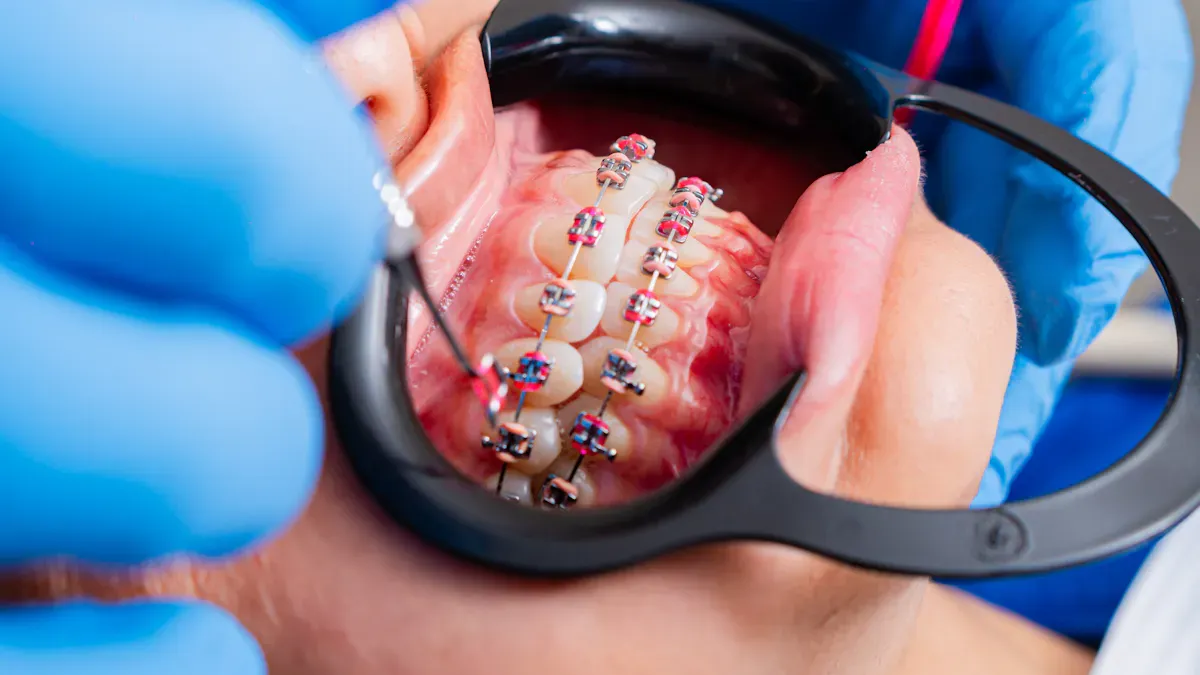
Class I orthodontic elastics are commonly used in orthodontic treatments to correct minor bite discrepancies. These elastics primarily assist in aligning the upper and lower teeth, ensuring they fit together properly. Orthodontists often recommend these elastics for patients with a normal bite relationship, where the upper teeth slightly overlap the lower teeth.
The recommended force range for Class I orthodontic elastics is crucial for effective treatment. According to orthodontic guidelines, a medium force of 6–10 ounces is ideal for achieving the desired results. This force level provides sufficient pressure to guide teeth into their correct positions without causing discomfort.
To maximize the effectiveness of Class I elastics, patients should adhere to specific wear times. The following guidelines are essential for optimal orthodontic correction:
- Full-time wear of approximately 20-22 hours per day is recommended.
- Inconsistent use can lead to treatment delays.
- Elastics should be replaced twice daily to counteract rapid force decay.
- Continuous wear, except during meals and hygiene, maximizes correction efficiency.
- Frequent removal or forgetting to wear elastics can significantly slow down orthodontic progress.
By following these recommendations, patients can enhance their treatment outcomes and reduce the overall duration of their orthodontic journey. Class I orthodontic elastics play a vital role in achieving a well-aligned smile, making compliance with wear instructions essential.
Class II Orthodontic Elastics
Class II orthodontic elastics are essential for correcting specific malocclusions, particularly when the upper teeth are positioned more forward than the lower teeth. These elastics help realign the bite by moving the upper teeth back and the lower teeth forward. Orthodontists often recommend Class II elastics for patients with a Class II malocclusion, which is one of the most common types treated in orthodontics.
The effectiveness of Class II elastics relies on proper usage. Patients should wear these elastics for a minimum of 20 hours daily to achieve optimal results. Inconsistent wear can lead to prolonged treatment times and less effective outcomes.
| Malocclusion Type | Description |
|---|---|
| Class II | Involves a specific relationship where the upper teeth are positioned more forward than the lower teeth. Class II elastics help correct this by moving the upper teeth back and the lower teeth forward. |
| Class III | Can assist in decompensation for orthognathic surgery, addressing the relationship in cases where the lower teeth are positioned more forward than the upper teeth. |
However, improper use of Class II orthodontic elastics can lead to complications. Potential side effects include:
- Root Resorption: Excessive force or prolonged use may cause permanent loss of root structure.
- Excessive Vertical Displacement: This can result in anterior open bite or excessive incisor display, especially in high-angle cases.
- Unwanted Tooth Movement: Class II elastics can inadvertently shift tooth positioning.
Patients must follow their orthodontist’s instructions closely to avoid these complications. By adhering to recommended wear times and guidelines, individuals can enhance their treatment outcomes and achieve a well-aligned smile.
Class III Orthodontic Elastics
Class III orthodontic elastics play a vital role in correcting specific malocclusions, particularly when the lower teeth are positioned more forward than the upper teeth. These elastics help move the upper teeth mesially and the lower teeth distally, effectively addressing the misalignment. Orthodontists often recommend Class III elastics for patients with Class III malocclusion, which can lead to functional and aesthetic concerns.
Several clinical scenarios indicate the use of Class III orthodontic elastics:
- They assist in increasing loss of anchorage in the upper arch or retraction in the lower arch, especially when diastemas or spaces from extractions exist.
- They are useful in surgical decompensation for Class II patients, as they can increase overjet by proclining maxillary anterior teeth or uprighting mandibular anterior teeth.
- They can create space in the lower arch while minimizing lower incisor projection during alignment.
Clinical studies demonstrate the effectiveness of Class III elastics in correcting anterior crossbite. The following table summarizes key findings:
| Aspect | Evidence |
|---|---|
| Effectiveness | Class III elastics are effective in correcting anterior crossbite with proper use. |
| Compliance | Younger patients show better compliance than adults, impacting treatment success. |
| Force Application | Continuous wear leads to optimal correction rates of 0.5-1mm per month. |
| Vertical Effects | They can produce extrusive effects on maxillary anterior teeth and intrusive effects on mandibular molars. |
| Anchorage Control | Strategies are necessary to minimize unwanted tooth movement and maximize targeted corrections. |
However, certain contraindications exist for using Class III orthodontic elastics. These include:
| Contraindication | Description |
|---|---|
| Pre-existing TMD signs | Signs and symptoms of temporomandibular disorders (TMDs) present before treatment. |
| TMJ pathology | Any existing temporomandibular joint pathology or asymmetry. |
| Malocclusion traits | Traits indicating extraction due to severe crowding. |
| History of trauma | Previous craniofacial or TMJ trauma. |
| MRI contraindications | Conditions that prevent MRI, such as fixed/implanted non-precious metal prostheses or claustrophobia. |
Patients must follow their orthodontist’s instructions closely to avoid complications and achieve the best results with Class III orthodontic elastics.
Vertical Orthodontic Elastics
Vertical orthodontic elastics serve a crucial role in orthodontic treatment by addressing open bites. Their primary purpose is to close these gaps by extruding both upper and lower teeth. This method not only aids in closing open bites but also enhances the interlocking of teeth, contributing to improved stability and overall bite function.
The application of vertical elastics requires careful consideration of the force exerted on the teeth. The initial orthodontic force varies significantly, with values ranging from 1.52 N to 6.77 N for different teeth. Over time, this force diminishes, particularly within the first few hours. The following table illustrates the force values over time:
| Time (hours) | Force Value (% of initial) |
|---|---|
| 0 | 100% |
| 1 | < 60% |
| 48 | 65-75% |
This decrease in force can impact the effectiveness of tooth movement. Therefore, orthodontists often recommend regular monitoring and adjustments to ensure optimal results.
Patients using vertical orthodontic elastics should adhere to specific guidelines for effective treatment. Consistent wear is essential, with recommendations suggesting a minimum of 20 hours per day. Regular replacement of elastics is also crucial, as worn-out bands lose their effectiveness.
Cross Orthodontic Elastics
Cross orthodontic elastics are vital for correcting dental midline discrepancies. These elastics help align the upper and lower teeth by applying force diagonally across the dental arch. Orthodontists often recommend them for patients with specific alignment issues, particularly when the midline of the upper teeth does not match the midline of the lower teeth.
For effective midline correction, orthodontists typically suggest using a 3/16-inch medium force elastic. This elastic distributes around 100 grams of force, which is sufficient for achieving the desired movement. However, it is crucial to avoid prolonged use of these elastics to prevent significant side effects.
Patients should adhere to specific guidelines to maximize the effectiveness of cross elastics:
- Wear the elastics for at least 20 hours daily.
- Replace elastics regularly to maintain consistent force.
- Follow the orthodontist’s instructions regarding wear duration.
Orthodontists monitor the progress and effectiveness of cross elastics during regular appointments. They observe tooth movement patterns and inquire about the patient’s wearing habits. Failures in sagittal correction often stem from insufficient patient compliance rather than mechanical issues with the elastics. The effectiveness of these elastics is influenced by variability in wear duration, replacement frequency, and technique.
Chain Orthodontic Elastics
Chain orthodontic elastics are versatile tools used in orthodontic treatments. They consist of a series of interconnected rubber bands that create a continuous elastic chain. These elastics serve multiple clinical purposes, making them essential for effective orthodontic care.
One of the primary uses of chain orthodontic elastics is to correct various bite issues. They can address conditions such as overbites, underbites, crossbites, and open bites. Here are some common clinical uses:
| Type of Elastic | Clinical Use | Description |
|---|---|---|
| Class II Elastics | Correct Overbites | These elastics pull the upper teeth backward and encourage the lower jaw to move forward, improving alignment. |
| Medium-force Elastics | Sagittal Correction | Used for correcting the position of teeth in the sagittal plane. |
| Lighter Elastics | Vertical Control | Preferred for finishing and intercuspation, helping to manage vertical relationships between teeth. |
Patients using chain orthodontic elastics should maintain good oral hygiene. Regular brushing and flossing are necessary to prevent food particles from getting stuck around the elastics, which can lead to plaque buildup. Here are some hygiene tips:
- Brush after every meal using a soft-bristled toothbrush.
- Avoid hard candies and sticky foods that can damage the elastics.
- Limit dark-colored drinks and foods that can stain the elastics, such as coffee, tea, and berries.
By following these guidelines, patients can ensure the effectiveness of their orthodontic elastics while promoting overall oral health. Chain orthodontic elastics play a significant role in achieving a well-aligned smile, making proper care essential for successful treatment outcomes.
Interarch Orthodontic Elastics
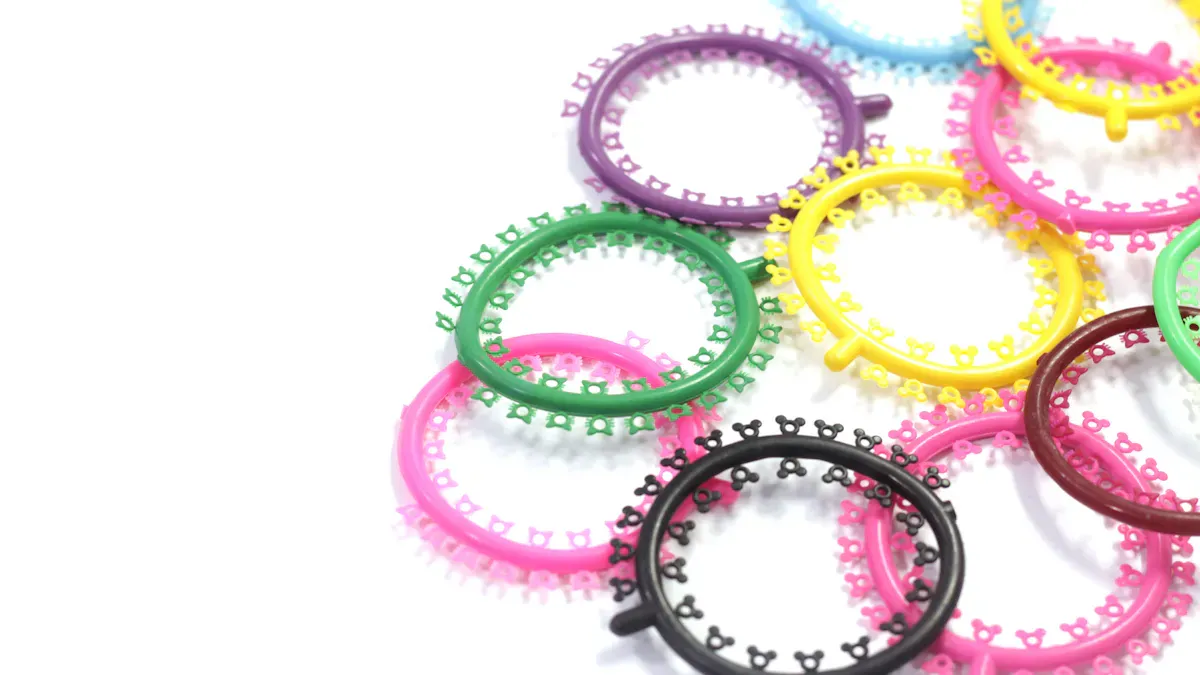
Interarch orthodontic elastics are crucial in orthodontic treatment, particularly for correcting jaw discrepancies. These elastics apply intermaxillary forces to align the maxillary and mandibular teeth. They effectively address issues such as overbites and underbites, ensuring proper occlusion and functional stability.
The role of interarch orthodontic elastics extends beyond mere alignment. They provide the necessary force to shift the upper and lower jaws into their correct positions. This adjustment is vital for achieving long-term stability in dental occlusion. Proper use of these elastics is essential for treatment efficiency and minimizing complications. Patients must adhere to their orthodontist’s instructions regarding wear time and replacement frequency to maximize effectiveness.
Here are some key benefits of using interarch orthodontic elastics:
- Correction of Malocclusions: They help in correcting sagittal, vertical, and transverse discrepancies.
- Enhanced Treatment Efficiency: Their application can improve the effectiveness of clear aligners, especially in cases requiring significant anteroposterior corrections.
- Stability of Treatment Outcomes: Controlled forces from these elastics contribute to improved alignment and stability of occlusion.
The success of orthodontic elastics relies on the interaction of biomechanical design, biological force expression, and patient compliance. Optimal outcomes occur through precise control of force vectors and careful management of side effects. This approach is crucial for maintaining stability throughout the orthodontic treatment process.
Tips for Selecting the Right Orthodontic Elastic
Choosing the right orthodontic elastic is crucial for effective treatment. Patients should consider several factors to ensure optimal results. Here are some essential tips for selecting the appropriate elastic:
- Understand Elastic Properties: Different elastics have unique properties that align with specific treatment goals. Selecting elastics that match these goals ensures efficient tooth movement and minimizes discomfort.
- Assess Breaking Strength: High breaking strength is vital for durability. Strong elastics prevent interruptions in force delivery, which can hinder treatment progress.
- Adopt a Systematic Approach: Orthodontists should take a systematic approach when prescribing elastics. This involves assessing the biomechanical needs of the patient and educating them about the importance of compliance.
- Monitor Performance Regularly: Regular assessment of elastic performance is essential. Monitoring helps orthodontists make necessary adjustments to maintain treatment efficiency and effectiveness.
| Factor | Description |
|---|---|
| Elastic Properties | Aligning elastic properties with treatment goals ensures efficient tooth movement and minimizes discomfort. |
| Breaking Strength | High breaking strength is essential for durability, preventing interruptions in force delivery. |
| Systematic Approach | A systematic approach to prescribing elastics involves assessing biomechanical needs and educating patients. |
| Monitoring Performance | Regular assessment of elastic performance helps in making necessary adjustments to maintain treatment efficiency. |
By considering these factors, patients can work closely with their orthodontists to select the right orthodontic elastics for their specific needs. This collaboration enhances the overall effectiveness of the orthodontic treatment process.
In summary, various types of orthodontic elastics serve distinct purposes in orthodontic treatment. These include:
| Type of Elastic | Purpose |
|---|---|
| Class I elastics | Close gaps between teeth on the same arch |
| Class II elastics | Correct overbites by adjusting the position of upper and lower teeth |
| Class III elastics | Address underbites by repositioning lower and upper teeth |
| Cross elastics | Fix crossbites by attaching diagonally |
| Vertical elastics | Close open bites and enhance tooth contact |
Consulting an orthodontist is essential before selecting or using orthodontic elastics. They provide guidance on correcting bite alignment, speeding up treatment, and fine-tuning tooth and jaw positions. Proper use of elastics minimizes discomfort and ensures effective treatment outcomes.
FAQ
What are orthodontic elastics used for?
Orthodontic elastics help align teeth and correct bite issues. They apply gentle pressure to move teeth into their desired positions, improving overall dental function and aesthetics.
How long should I wear my elastics each day?
Patients should wear elastics for at least 20 hours daily. Consistent wear maximizes treatment effectiveness and minimizes the overall duration of orthodontic care.
Can I eat with my elastics on?
It is best to remove elastics during meals. This practice prevents damage to the elastics and ensures proper oral hygiene while eating.
How often should I replace my elastics?
Patients should replace elastics twice daily. Regular replacement maintains consistent force and effectiveness, promoting optimal tooth movement throughout treatment.
What should I do if my elastics break?
If an elastic breaks, patients should replace it immediately. Continuing treatment without the proper elastic can hinder progress and delay results.
Post time: Mar-10-2026