
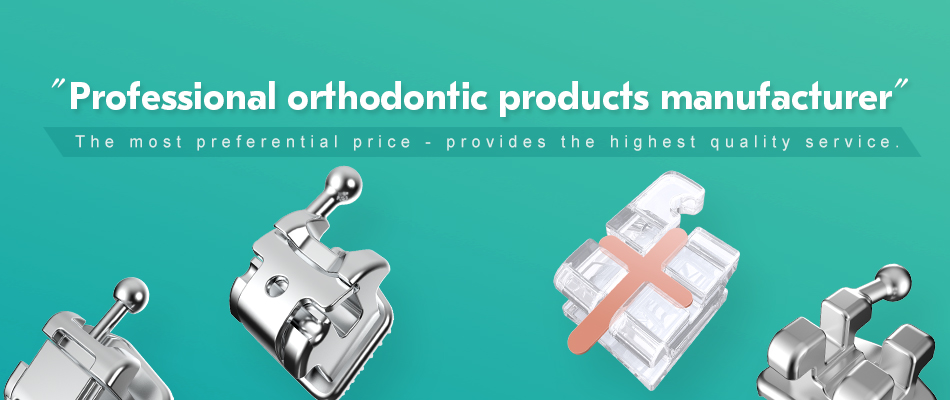


Orthodontic brackets are small devices attached to teeth during orthodontic treatment, and they come in various orthodontic bracket types. They play a crucial role in aligning teeth and correcting bite issues. By applying consistent pressure, these brackets help shift teeth into their desired positions over time, making the orthodontic bracket selection guide essential for choosing the right type for each patient.
The importance of orthodontic brackets extends beyond aesthetics; they significantly enhance oral health. Properly aligned teeth can reduce the risk of cavities and gum disease. When considering self-ligating vs traditional braces, many patients find that metal brace advantages include durability and effectiveness. Recent studies highlight that orthodontic treatment not only improves dental function but also boosts social confidence, aiding individuals in various social settings, such as school and the workplace. Additionally, finding the best braces for comfort can make the treatment experience more pleasant for patients.
Key Takeaways
- Orthodontic brackets play a vital role in aligning teeth and improving oral health, reducing the risk of cavities and gum disease.
- Metal brackets are durable and cost-effective, making them a popular choice for effective treatment of various dental issues.
- Ceramic brackets offer a more aesthetic option, blending with teeth, but they are more fragile and typically cost more than metal brackets.
- Self-ligating brackets reduce discomfort and require fewer adjustments, making them a convenient choice for many patients.
- Consulting with an orthodontist is essential for selecting the right brackets based on personal needs, lifestyle, and budget.
Types of Orthodontic Brackets
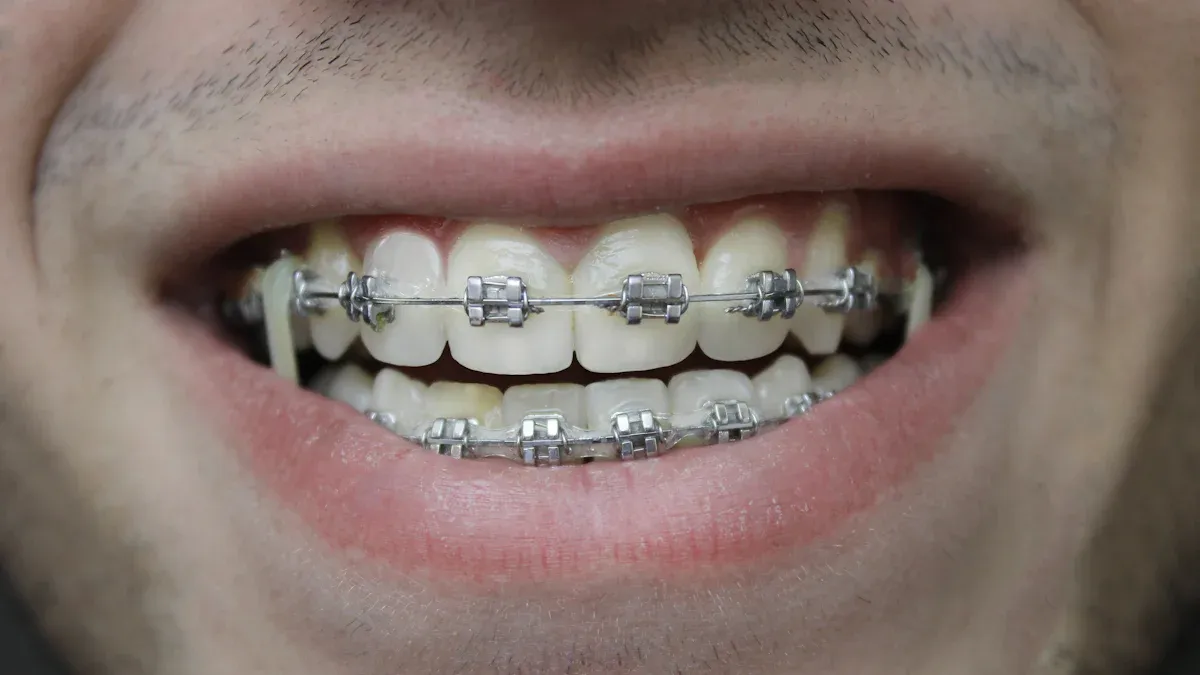
Metal Brackets
Metal brackets remain the most common type of orthodontic brackets used in clinical practice. Made primarily from stainless steel, these brackets offer several advantages. Their durability and cost-effectiveness make them a preferred choice among orthodontists. Patients benefit from their strength, which allows for effective treatment of various dental issues, including overcrowding and misalignment.
Key Benefits of Metal Brackets:
- Strength and Reliability: Metal brackets can withstand significant pressure, making them suitable for complex cases.
- Cost-Effective: Typically, traditional metal braces range from $3,000 to $6,000, making them a budget-friendly option compared to other types.
- Treatment Efficiency: Studies indicate that metal brackets provide strong and reliable results, with treatment durations averaging between 18 to 30 months.
| Source | Treatment Duration | Effectiveness |
|---|---|---|
| Baptiste Orthodontics | 18 to 30 months | Strong and reliable for various dental issues |
| North Tampa Dentistry | 18 to 24 months | Effective for complex cases despite higher friction |
Ceramic Brackets
Ceramic brackets offer a more aesthetic alternative to metal brackets. Made from tooth-colored materials, they blend in with the natural color of teeth, making them less noticeable. This feature appeals to many patients who prioritize appearance during orthodontic treatment.
Advantages of Ceramic Brackets:
- Visual Appeal: Their tooth-colored design makes them a popular choice for adults and teens.
- Effective Treatment: Ceramic brackets are as effective as metal brackets for correcting various orthodontic issues.
- Comfort: The smooth surface of ceramic brackets provides a more comfortable experience compared to their metal counterparts.
However, ceramic brackets do have some drawbacks. They are more fragile than metal brackets and can be prone to staining from certain foods and drinks. Additionally, they typically cost more, ranging from $4,000 to $8,000.
Self-Ligating Brackets
Self-ligating brackets represent an innovative advancement in orthodontic technology. Unlike traditional brackets that require elastic or metal ties to hold the archwire in place, self-ligating brackets use a built-in mechanism. This design reduces friction and allows for easier adjustments.
Benefits of Self-Ligating Brackets:
- Reduced Discomfort: Many patients report experiencing less pain during treatment with self-ligating brackets.
- Fewer Adjustments: The design allows for fewer visits to the orthodontist, saving time and chair time during archwire changes.
- Improved Oral Hygiene: Studies suggest that self-ligating brackets may contribute to better periodontal health by reducing plaque accumulation compared to traditional brackets.
| Study | Findings |
|---|---|
| Wang et al. | SLBs help reduce inflammation and enhance periodontal conditions, contributing to better dental health. |
| Pellegrini et al. | Increased plaque accumulation was found on elastomeric ligatures compared to SLBs. |
Lingual Brackets
Lingual brackets are a unique type of orthodontic bracket that attaches to the back surfaces of teeth, making them virtually invisible from the front. This feature appeals to many patients who desire a discreet orthodontic treatment option. Lingual brackets function similarly to traditional brackets, applying pressure to align teeth over time. However, their placement presents specific challenges.
Challenges Associated with Lingual Brackets:
- Initial discomfort and soreness due to the braces rubbing against the inside of the mouth.
- Temporary speech difficulties affecting pronunciation and causing a lisp.
- Challenges in maintaining oral hygiene because food particles are harder to remove.
Despite these challenges, many patients find that they adapt to lingual brackets over time. The design of these brackets has improved, with thinner options available that enhance comfort. However, some patients still experience soreness and irritation due to contact with the tongue.
| Aspect | Findings |
|---|---|
| Speech Impact | Lingual brackets can interfere with speech, particularly with sounds requiring tongue-to-palate contact, leading to temporary speech difficulties. |
| Comfort Issues | Thinner bracket designs have improved comfort, but some patients still experience soreness and irritation due to contact with the tongue. |
| Adaptation | Most patients adapt over time, but the adjustment period varies among individuals. |
Other Types of Brackets
In addition to the common types of orthodontic brackets, several emerging options are gaining popularity. These include hybrid brackets, nano-coated brackets, smart brackets, and 3D-printed brackets. Each type offers unique benefits tailored to specific patient needs.
Emerging Types of Orthodontic Brackets:
- Nano-coated brackets: Designed to enhance antimicrobial properties and improve patient comfort.
- Smart brackets: Equipped with embedded sensors for real-time monitoring and AI-based control, these brackets aim to provide more precise treatment management.
- 3D-printed brackets: Custom-made using CAD/CAM technology, these brackets offer high precision and are tailored to individual patient needs.
Hybrid or customized orthodontic brackets are also becoming increasingly popular. These brackets combine the advantages of traditional braces and clear aligners, allowing for a more flexible treatment approach.
Benefits of Hybrid Brackets:
- Encouraging compliance by motivating patients to transition to clear aligners.
- Cost-effectiveness by reducing overall treatment costs while achieving quality results.
- Enhanced efficiency, leading to fewer adjustment appointments and shorter overall treatment times.
Patients appreciate the aesthetic flexibility and improved comfort that hybrid treatments provide. The transition to clear aligners midway through treatment appeals to older teens and adults concerned about the appearance of traditional braces.
Benefits of Orthodontic Brackets
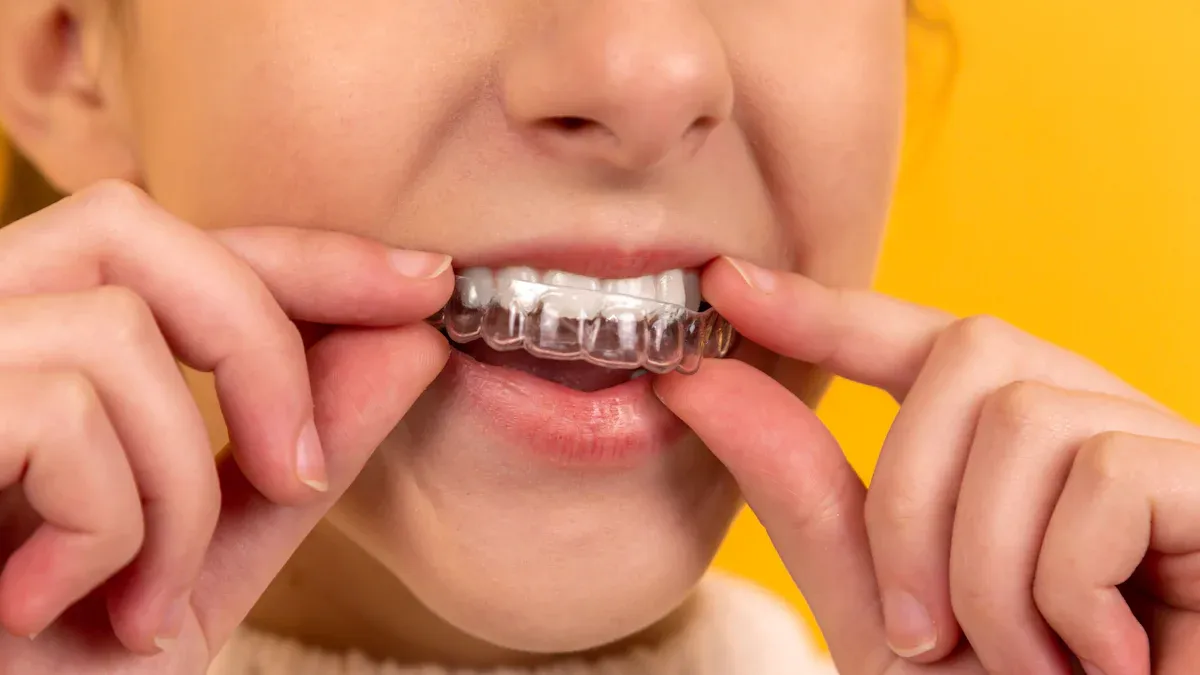
Aesthetic Considerations
Aesthetic appeal plays a significant role in the decision-making process for many orthodontic patients. Research indicates that aesthetics remain the top reason adults choose to get braces. This trend highlights the importance of selecting brackets that align with personal preferences for appearance.
Patients often consider the visibility of different bracket types when making their choice. The following table summarizes how various brackets compare in terms of visibility and appearance:
| Bracket Type | Visibility | Appearance |
|---|---|---|
| Metal | Highly visible | Metallic appearance stands out against teeth |
| Ceramic | Moderately visible | Blends in well from a distance, visible up close |
| Clarity Advanced | Less visible | Transparent with less noticeable attachments |
| Self-ligating | Visible | Smaller than metal but not as transparent as ceramic |
Choosing less visible options, such as ceramic or clear brackets, allows patients to maintain a more discreet appearance during treatment. This consideration is particularly important for adults and teens who may feel self-conscious about wearing traditional metal braces.
Treatment Efficiency
The efficiency of orthodontic treatment can vary significantly based on the type of brackets used. Studies have shown that different bracket systems can influence treatment duration and overall effectiveness. For instance, the following points summarize key findings regarding treatment efficiency:
- The study evaluates the effectiveness and efficiency of fixed orthodontic treatment using standard and CAD/CAM bracket systems.
- It concludes that both methods are effective for resolving simple malocclusions.
- CAD/CAM IDB is noted to be more efficient in terms of treatment duration, number of appointments, and bracket repositionings.
Moreover, the type of brackets can impact the likelihood of treatment delays. For example, ceramic brackets have a higher failure rate compared to stainless steel brackets. Each additional failed bracket can extend treatment duration by an average of 0.6 months. Patients with ceramic brackets may experience longer treatment times due to this increased likelihood of failure.
Comfort and Fit
Comfort and fit are crucial factors in the overall orthodontic experience. Patients often seek brackets that minimize discomfort and provide a secure fit. Orthodontists assess bracket fit based on individual patient needs, considering factors such as age and lifestyle. The following table outlines considerations for different patient groups:
| Patient Group | Considerations for Bracket Fit | Recommended Brackets |
|---|---|---|
| Children & Teenagers | Need for comfort and reduced chair time; higher aesthetic scores for SHCNs | Self-ligating brackets |
| Adults | Preference for aesthetics and efficiency; shorter treatment durations with fewer complications | Ceramic, sapphire, and self-ligating brackets |
| Aesthetic-Focused | Desire for invisibility and ease of oral hygiene; satisfaction with clear aligners | Clear aligners, ceramic, sapphire brackets |
Self-ligating brackets, for example, often provide a more comfortable experience due to their design, which reduces friction and allows for easier adjustments. Patients frequently report less pain during treatment with these brackets, enhancing their overall satisfaction.
Durability and Maintenance
Durability is a critical factor when selecting orthodontic brackets. Different types of brackets exhibit varying levels of strength and resilience. Metal brackets, for instance, are renowned for their robustness. They can withstand significant forces during treatment, making them ideal for complex orthodontic cases. Ceramic brackets, while aesthetically pleasing, tend to be more fragile and may require extra care to prevent breakage.
Key Considerations for Durability:
- Material Composition: Metal brackets are typically made from stainless steel, which offers superior strength. Ceramic brackets, on the other hand, are composed of tooth-colored materials that can chip or crack under pressure.
- Treatment Environment: The durability of brackets can also depend on the patient's oral habits. For example, habits like teeth grinding can lead to premature wear and tear on brackets.
Maintenance plays a vital role in ensuring the longevity of orthodontic brackets. Patients must adopt specific routines to keep their braces clean and functional. Regular oral hygiene practices are essential for all types of brackets. Brushing after every meal with a soft-bristled toothbrush helps prevent plaque buildup around the brackets. Using orthodontic flossers or water flossers can further enhance cleanliness, especially in hard-to-reach areas.
For traditional metal and ceramic braces, maintaining oral hygiene involves using a soft-bristled toothbrush and special orthodontic tools for flossing. Removable appliances, such as Invisalign, require regular cleaning to prevent bacterial buildup. Patients should rinse and brush these aligners gently with lukewarm water to maintain their clarity and hygiene.
Regular orthodontic checkups are crucial for all types of braces. These appointments allow orthodontists to make necessary adjustments and monitor treatment progress. Skipping these visits can lead to complications, potentially extending treatment duration or affecting the final results.
| Bracket Type | Durability | Maintenance Recommendations |
|---|---|---|
| Metal | High | Brush after meals, regular orthodontic visits |
| Ceramic | Moderate | Brush carefully, avoid hard foods, regular checkups |
| Self-Ligating | High | Similar to metal, but may require fewer adjustments |
| Lingual | Moderate | Extra care for cleaning, regular checkups |
Selection Tips for Orthodontic Brackets
Assessing Personal Needs
Selecting the right orthodontic brackets begins with assessing personal needs. Each patient has unique dental conditions and aesthetic preferences. Individuals should consider their treatment goals, such as correcting misalignment or improving bite function. Additionally, they should evaluate their comfort levels with visible braces versus more discreet options.
Patients can ask themselves the following questions:
- What treatment options do I have available?
- How do the different bracket types compare in terms of comfort and effectiveness?
- Can I customize my braces with colored elastics?
These considerations help narrow down choices and ensure that the selected brackets align with individual expectations.
Consulting with an Orthodontist
Consulting with an orthodontist is crucial for making an informed decision. Orthodontists possess the expertise to recommend suitable bracket types based on specific dental needs. During consultations, patients should inquire about various aspects of their treatment. Important questions include:
- What qualifications do you have as an orthodontist?
- Are there aesthetic treatments available?
- How often will I need to come in for follow-up visits?
This dialogue allows patients to gain insights into the treatment process and helps build trust with their orthodontist.
Considering Lifestyle Factors
Lifestyle factors significantly influence bracket selection. For instance, athletes may prefer clear aligners due to their inconspicuous nature and the ability to remove them during games. Metal braces, while durable, can lead to mouth injuries if not adequately protected. Musicians also face challenges; braces can alter embouchure, affecting sound production, particularly for brass and woodwind players.
Discussing sports habits and personal needs with an orthodontist is essential for selecting the best orthodontic solution. By considering these lifestyle factors, patients can choose brackets that accommodate their daily activities and enhance their overall treatment experience.
Evaluating Cost and Insurance Options
When selecting orthodontic brackets, evaluating costs and insurance options is essential. The price of orthodontic treatment can vary significantly based on the type of brackets chosen and the complexity of the case. Patients should consider the following factors when assessing costs:
- Type of Brackets: Metal brackets generally cost less than ceramic or self-ligating options. Patients should weigh the benefits of aesthetics against their budget.
- Treatment Duration: Longer treatment times can increase overall costs. Patients should discuss expected treatment durations with their orthodontist.
- Additional Fees: Some orthodontists may charge for consultations, adjustments, or retainers after treatment. Understanding these potential costs upfront can help avoid surprises.
Insurance coverage plays a crucial role in managing orthodontic expenses. Many patients find that their dental insurance plans offer varying levels of coverage for orthodontic treatments. The table below outlines common insurance coverage options:
| Type of Insurance Plan | Coverage Description |
|---|---|
| Basic Dental Insurance | Covers preventive care and minor procedures, rarely includes orthodontics. |
| Major Dental Insurance | Covers a broader range of treatments, may partially include orthodontic care. |
| Comprehensive Dental Plans | Provides extensive coverage, including braces and clear aligners, ideal for orthodontics. |
Patients should review their insurance policies carefully. They should confirm what types of orthodontic treatments are covered and any limitations that may apply. Additionally, discussing payment plans with the orthodontist can provide flexibility. Many practices offer financing options to help manage costs over time.
By understanding the financial aspects of orthodontic treatment, patients can make informed decisions that align with their budget and treatment goals.
Understanding orthodontic brackets is crucial for achieving optimal dental health and aesthetic outcomes. Patients should consider the following key points:
- Patient education and communication enhance compliance and treatment success.
- Tailored treatment approaches are essential based on individual needs and malocclusion severity.
- Professional guidance helps prevent ineffective treatments that may lead to poor results and increased costs.
Consulting with an orthodontist ensures personalized advice tailored to specific dental conditions. Making informed decisions about bracket selection can significantly impact treatment effectiveness and overall satisfaction.
FAQ
What are orthodontic brackets made of?
Orthodontic brackets typically consist of metal, ceramic, or composite materials. Metal brackets are usually stainless steel, while ceramic brackets use tooth-colored materials for aesthetics. Each material offers unique benefits regarding durability and appearance.
How long do I need to wear braces?
The duration of orthodontic treatment varies based on individual needs. Most patients wear braces for 18 to 30 months. Factors influencing treatment time include the severity of dental issues and the type of brackets used.
Can I eat normally with braces?
Patients can eat most foods with braces, but they should avoid hard, sticky, or chewy items. Foods like popcorn, nuts, and caramel can damage brackets. Cutting food into smaller pieces can help prevent discomfort and damage.
How often should I visit the orthodontist?
Patients typically visit the orthodontist every 4 to 8 weeks for adjustments. Regular appointments ensure proper progress and allow the orthodontist to monitor treatment effectiveness. Missing appointments can prolong treatment duration.
Do braces hurt?
Patients may experience discomfort after getting braces or following adjustments. This discomfort usually subsides within a few days. Over-the-counter pain relievers can help manage any soreness during this adjustment period.
Post time: Jan-29-2026