

Neither self-ligating nor conventional Orthodontic Brackets are universally “king.” The future of orthodontics truly lies in personalized treatment, carefully crafting a unique smile upgrade plan for each individual. Making an informed Braces Selection involves considering various aspects. The quality from an orthodontic metal brackets manufacturer, for instance, significantly influences treatment outcomes. Patients often ponder which material is best for orthodontic brackets, and they also need to understand how to properly clean orthodontic brackets for optimal oral health. These considerations underscore the importance of expert guidance.
Key Takeaways
- Conventional braces use elastic bands to hold wires. Self-ligating braces have a built-in clip to hold wires.
- Self-ligating braces are often easier to clean. They do not have elastic bands that can trap food.
- Self-ligating braces may feel more comfortable. They have a smoother design and cause less friction.
- The best braces for you depend on your needs. Your orthodontist will help you choose the right type.
Understanding Your Orthodontic Brackets: Self-Ligating vs. Conventional
What Are Conventional Orthodontic Brackets?
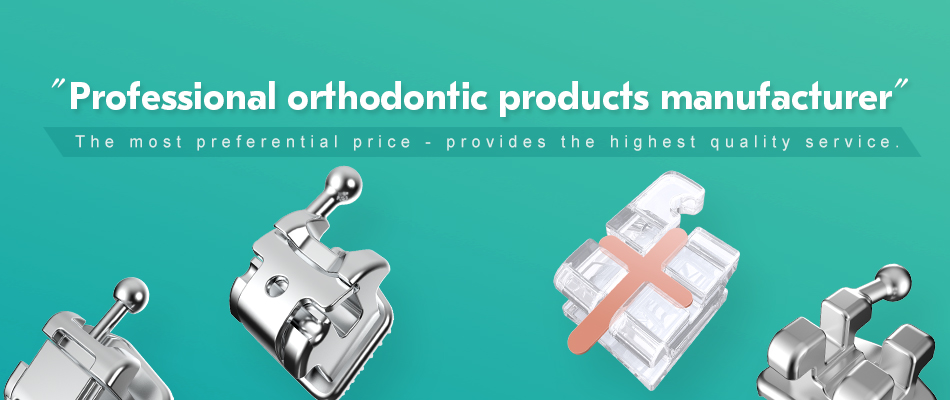
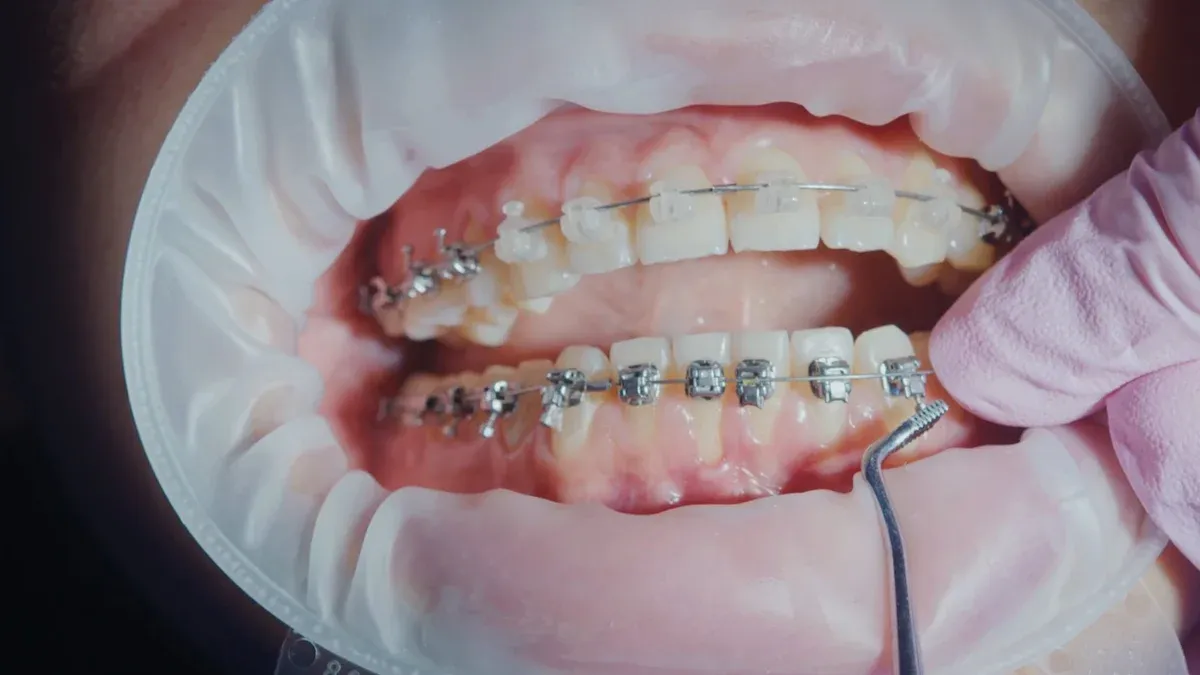
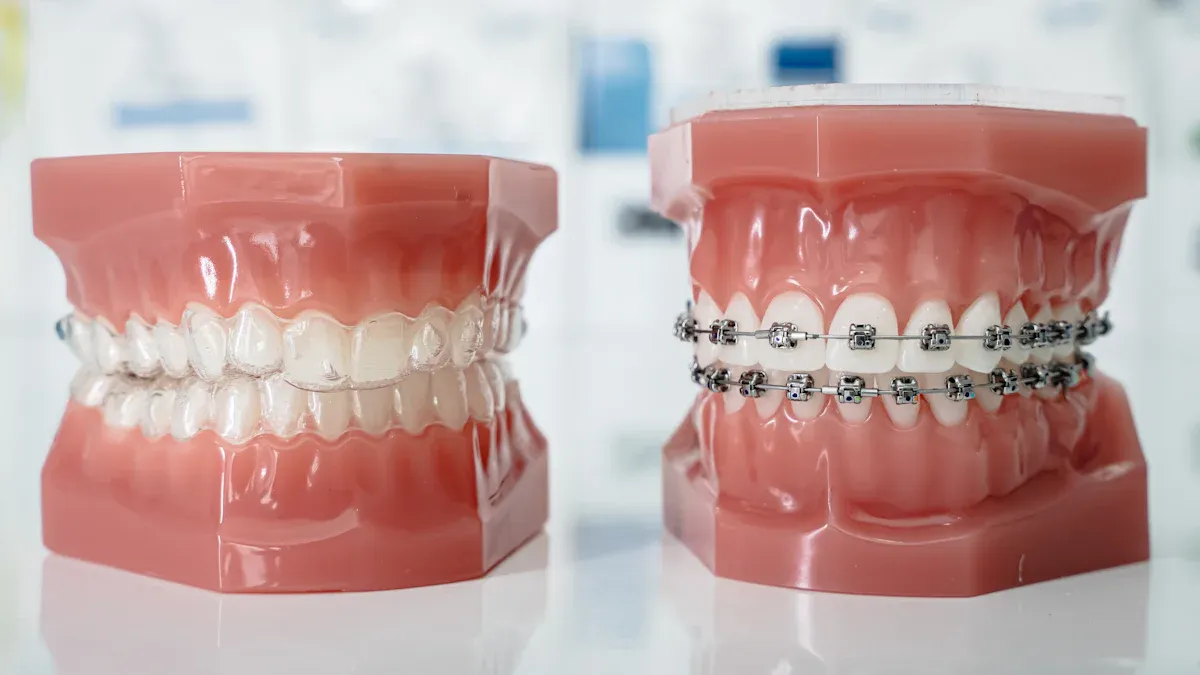
Conventional orthodontic brackets represent the traditional approach to tooth alignment. These small, individual components bond directly to the tooth surface. They feature small wings or slots on either side. Orthodontists thread an archwire through these slots. To secure the archwire, they use elastic bands, known as ligatures, or thin metal wires. These ligatures hold the archwire firmly in place, transmitting the force necessary for tooth movement. Manufacturers produce conventional brackets from various materials. Stainless steel brackets are a common choice, known for their durability and cost-effectiveness. For patients seeking a less noticeable option, ceramic brackets offer an aesthetic alternative. These are often made from alumina, providing strength and a tooth-colored appearance. Plastic brackets, initially developed for comfort and cosmetic appeal, also exist. Newer versions utilize high-grade medical polyurethane and polycarbonate reinforced with fillers, addressing earlier issues with warping or discoloration.
What Are Self-Ligating Orthodontic Brackets?
Self-ligating orthodontic brackets represent an advanced design in orthodontic technology. Unlike conventional brackets, they do not require elastic bands or metal ties to hold the archwire. Instead, these brackets feature a built-in, specialized clip or door mechanism. This mechanism opens and closes, securely holding the archwire within the bracket slot. This innovative design eliminates the need for external ligatures. Self-ligating brackets also come in various materials. Many feature metal components, often stainless steel, particularly for the labial face of the bracket. Ceramic options are also available, offering a discreet appearance similar to their conventional counterparts. Some designs even incorporate translucent fiber-reinforced composite polymers, providing both aesthetics and functionality. This internal mechanism simplifies the process of archwire changes during appointments.
The Core Difference: How Each Type of Orthodontic Brackets Works
Understanding the fundamental mechanics of conventional and self-ligating systems reveals their distinct approaches to tooth movement. Each design employs a unique method for engaging the archwire, directly influencing treatment dynamics.
Conventional Brackets: The Role of Ligatures
Conventional brackets rely on external ligatures to secure the archwire. These small elastic bands or thin metal wires wrap around the bracket wings, holding the archwire firmly within the bracket slot. This method applies force by pushing the orthodontic wire against the base of the bracket slot. This action, however, increases frictional forces. A significant portion of the applied force, up to 50%, can dissipate as friction, which can hinder sliding mechanics and potentially reduce the speed of tooth movement. Orthodontists must regularly replace elastic ligatures, as they can lose their elasticity over time, diminishing their effectiveness.
Self-Ligating Brackets: The Built-in Mechanism
Self-ligating brackets eliminate the need for external ligatures through an integrated mechanism. This built-in clip or door secures the archwire directly within the bracket. The mechanical principle behind this design is to secure the archwire without external ligatures, thereby reducing friction and allowing for more efficient tooth movement.
Self-ligating systems typically feature two main types of mechanisms:
- Active Clip Mechanism: Each bracket has a small, movable door or clip that opens and closes to secure the archwire. The orthodontist opens the clip for adjustments and then closes it to firmly hold the wire. This mechanism actively presses against the archwire, applying gentle, consistent pressure to guide tooth movement. This design minimizes contact points between the bracket and archwire, allowing the wire to slide more freely and reducing resistance for smoother tooth movement.
- Passive Slide Mechanism: The bracket features a small metal or ceramic door that remains passive. The archwire inserts through a small slot, and the door passively holds the wire in place, sometimes with a small locking mechanism to ensure security.
Both mechanisms eliminate the need for ligatures, reducing friction between the archwire and the Orthodontic Brackets. This can lead to more efficient tooth movement and a potentially more comfortable orthodontic experience for the patient.
Comfort and Experience: Which Orthodontic Brackets Feel Better?
Patients often prioritize comfort during their orthodontic journey. The design differences between conventional and self-ligating systems directly influence the patient experience, particularly regarding initial discomfort and the mechanics of tooth movement.
Initial Discomfort and Adjustments
Many individuals experience some discomfort when they first get braces. For 80% of patients, getting braces ranks at a mere 1 on the pain scale initially. However, initial discomfort often peaks around days two to three post-application. During this period, individuals rate their discomfort between a 4 and 6 on a scale of 1 to 10. Most patients experience mild soreness during the first 1-2 days after getting braces, with pain typically ranging from 4-5 out of 10. Conventional braces, with their elastic ligatures, can sometimes cause more irritation to the soft tissues inside the mouth. The ligatures can rub against the cheeks and lips. Self-ligating brackets, lacking these external ties, often present a smoother profile. This design can potentially reduce initial irritation and improve overall comfort for some patients.
Friction and Tooth Movement
The way braces move teeth involves overcoming friction. High levels of frictional force between the bracket slot and the archwire can cause binding. This binding results in little or no tooth movement. Applied forces must overcome this friction to achieve adequate tooth movement. Conventional brackets consistently produce the highest levels of friction across all tested bracket/archwire combinations. In these conventional systems, friction increases with larger archwire dimensions. The use of elastomeric modules for ligation significantly increases friction. Static friction, the initial force required to start tooth movement, is greater than kinetic friction, which only maintains movement. Self-ligating systems, by contrast, aim to minimize friction. Their built-in clip or door mechanism allows the archwire to slide more freely within the bracket slot. This reduced friction can lead to more efficient tooth movement. It may also result in a more comfortable experience for the patient, as less force is needed to initiate and sustain tooth movement.
Aesthetics: How Visible Are Your Orthodontic Brackets?
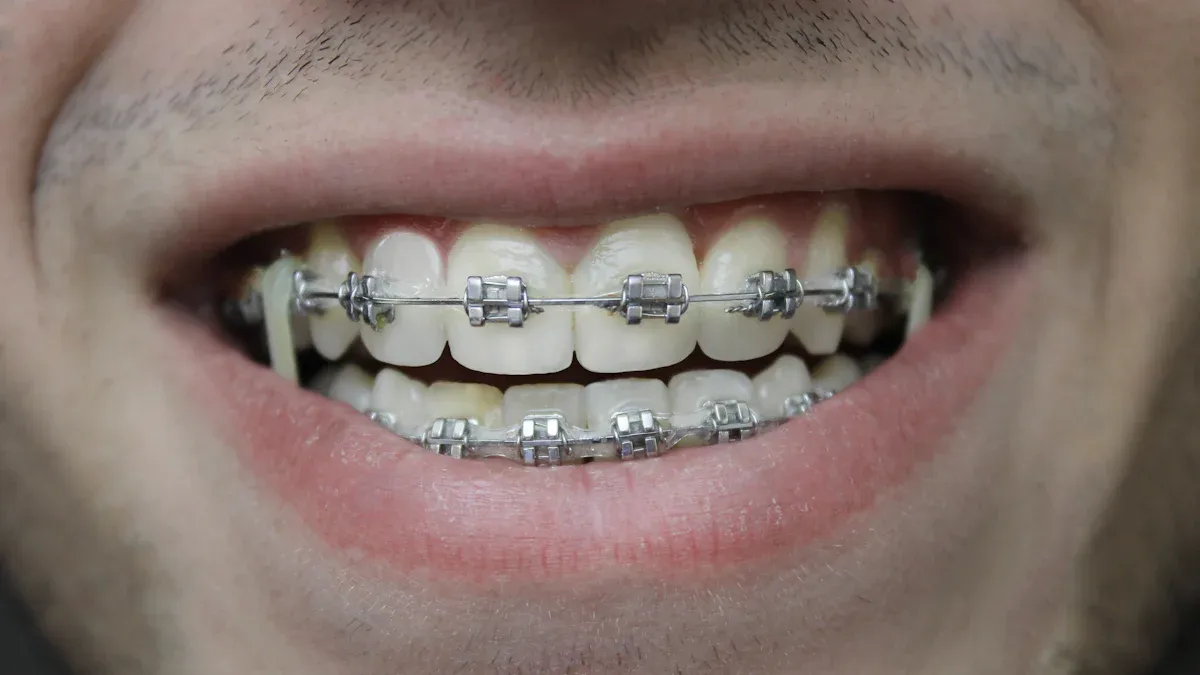
The visual impact of braces significantly influences a patient’s decision and overall experience. Many individuals consider how visible their orthodontic treatment will be during their smile upgrade journey.
The Appearance of Conventional Brackets
Conventional braces are often quite noticeable. Their design typically involves metal brackets and elastic ligatures, which stand out against the natural color of teeth. Patients commonly report that conventional metal brackets are not aesthetically pleasing due to their visibility. This concern has been a driving factor in the development of more discreet orthodontic options. The visible presence of conventional braces can negatively impact a patient’s self-confidence and social interactions. This is particularly true among adolescents and adults, despite the primary goal of correcting dental misalignments.
The Discreet Nature of Self-Ligating Brackets
Self-ligating braces offer a more modern and sophisticated approach to orthodontic treatment. They present an aesthetically pleasing option for straightening smiles. These braces have a more streamlined and less noticeable look because they do not require additional bands. They offer a more discreet option for those concerned about appearance, often appearing smaller and less noticeable than traditional braces. This leads to a more aesthetically pleasing look during treatment.
Self-ligating braces are available in both metal and clear ceramic options.
The ceramic brackets are less noticeable and blend in with the natural color of your teeth, making them a popular choice for patients who are concerned about the appearance of their braces. This provides the aesthetic benefits of clear aligners while maintaining the efficacy of traditional braces.
This variety allows patients to choose an option that best suits their aesthetic preferences.
Treatment Time: Can Self-Ligating Orthodontic Brackets Speed Up Your Smile Upgrade?
Factors Influencing Treatment Duration
Many factors influence the duration of orthodontic treatment. Individual biological characteristics play a significant role. Alveolar bone density, its shape, and the bone turnover rate affect how teeth move. Alveolar bone metabolism directly relates to the speed of orthodontic tooth movement. Patients exhibit varying bone turnover rates under orthodontic forces. An experimental study on beagle dogs showed increased bone density reduced tooth movement speed. This indicates alveolar bone quality impacts treatment duration. Genetic differences also contribute to these individual physiological variations. Gene polymorphisms lead to different gene expression levels. Multiple genetic polymorphisms link to orthodontic treatment duration. Single nucleotide polymorphisms (SNPs) impact tooth movement. Polymorphisms of the IL-1 gene, encoding an inflammatory cytokine, affect tooth movement speed.
Claims of Shorter Treatment with Self-Ligating Brackets
Self-ligating systems often claim to reduce overall treatment time. Early proponents suggested a 20% reduction. Some studies indicate an average treatment time of 18 to 24 months with self-ligating brackets. This compares to 24 to 30 months for traditional brackets. One study found a 25% faster completion rate with self-ligating brackets. However, clinical studies and meta-analyses generally do not consistently support a significant reduction in treatment time. Many studies found only a small, often not statistically significant, reduction. Some found no significant difference at all. One study reported a 2.06-month reduction with self-ligating brackets. This difference was not statistically significant. Meta-analyses conclude that self-ligating brackets do not dramatically shorten overall treatment time. Factors like case complexity, patient compliance, and orthodontist skill play a more significant role.
Oral Hygiene: Keeping Your Orthodontic Brackets Clean
Maintaining excellent oral hygiene becomes crucial during orthodontic treatment. The presence of braces introduces new challenges for patients. Different bracket designs impact the ease of cleaning.
Cleaning Around Conventional Brackets
Fixed orthodontic appliances make effective oral hygiene challenging. They create additional sites for plaque and microorganisms to harbor. Plaque accumulates around brackets, wires, and elastic ligatures. This accumulation leads to enamel demineralization, often appearing as white spot lesions, due to increased acid formation. Poor oral hygiene with these appliances can cause gingival inflammation, which may progress to more severe periodontal problems. Access to interdental areas becomes more difficult with the presence of brackets and wires. The retentive nature of multi-bracketed appliances, along with reduced mechanical cleaning by the cheeks and tongue, contributes to increased plaque retention and biofilm formation. A randomized controlled trial by Pellegrini et al. concluded that elastomeric ligatures accumulate more plaque compared to self-ligating brackets.
Cleaning Around Self-Ligating Brackets
Maintaining oral hygiene is considerably easier with self-ligating brackets. Unlike traditional brackets that can trap food and plaque, self-ligating brackets are specifically designed to minimize these issues. This design reduces the risk of plaque buildup and related dental problems. Self-ligating brackets significantly improve oral hygiene by eliminating elastic ties, which are notorious for attracting and holding food particles and plaque. This design makes the brackets easier to clean, promoting better overall oral hygiene during orthodontic treatment. The absence of rubber bands removes additional nooks and crannies, allowing for more effective brushing and flossing. This enhanced accessibility helps patients reach more areas of their teeth and gum line, reducing the risk of common issues like white spots, cavities, and gum inflammation. This benefit is particularly valuable for children and teens who may struggle with thorough cleaning, and for adults who prioritize their oral health.
Durability and Maintenance: What to Expect from Your Orthodontic Brackets
Patients often consider the longevity and upkeep required for their braces. The design differences between conventional and self-ligating systems lead to distinct maintenance needs and potential durability concerns.
Ligature Breakage and Replacements
Conventional braces rely on ligatures, either small elastic bands or thin metal wires, to secure the archwire. These ligatures can stretch, discolor, or break over time. Elastic ligatures, in particular, lose their elasticity and effectiveness between appointments. This necessitates their replacement at every adjustment visit. Metal ligatures are more durable but can sometimes bend or break, requiring immediate attention from the orthodontist. Patients must promptly report any broken or missing ligatures. A broken ligature can compromise the effectiveness of the treatment, potentially delaying tooth movement. Regular replacements are a standard part of the maintenance routine for conventional braces.
Mechanism Integrity in Self-Ligating Brackets
Self-ligating brackets feature an integrated clip or door mechanism. This mechanism holds the archwire without external ligatures. The design generally offers greater durability compared to elastic ligatures. The built-in mechanism is robust and designed to withstand the forces of daily use. While rare, the clip or door can occasionally malfunction or sustain damage. If this occurs, the orthodontist can usually repair the mechanism or replace the individual bracket. This internal system eliminates the need for frequent ligature changes, simplifying maintenance during the treatment period. The integrity of this mechanism ensures consistent force application and efficient tooth movement throughout the treatment.
Cost Comparison: The Investment in Your Smile Upgrade with Different Orthodontic Brackets
Factors Affecting the Price of Conventional Brackets
Several factors influence the cost of conventional braces. Geographic location plays a significant role in pricing. Orthodontists in rural areas generally charge less than those in larger cities. Traditional metal braces typically cost between $2,750 and $7,500. This makes them the most affordable orthodontic option for many patients. The complexity of the case also affects the final price. More severe misalignments require longer treatment times and more adjustments, increasing the overall expense. The orthodontist’s experience and the specific materials used can also impact the cost.
Geographic Location creates surprising price variations. Just like housing costs, orthodontic treatment in big cities typically costs more than in smaller communities. You might see differences of up to 30% between regions.
Insurance coverage can significantly reduce out-of-pocket expenses for conventional braces. Many dental insurance plans offer partial coverage for orthodontic treatment. Patients should always check their policy details.
Factors Affecting the Price of Self-Ligating Brackets
Self-ligating brackets generally cost more than conventional ones. Their advanced design and integrated mechanism contribute to this higher price point. The technology involved in the self-ligating system, which eliminates the need for elastic ligatures, represents an additional manufacturing cost. This cost often passes on to the patient. The material choice also affects the price. Metal self-ligating brackets are typically less expensive than ceramic or clear options. Ceramic self-ligating brackets offer a more aesthetic appeal but come with a higher price tag.
The overall treatment plan, including the duration and the number of appointments, also influences the total investment. While self-ligating systems may offer some benefits like potentially fewer appointments, the initial bracket cost remains higher. Patients should discuss all cost implications with their orthodontist. They can then make an informed decision about their smile upgrade.
Making Your Choice: Which Orthodontic Brackets Are Right for You?
Deciding between conventional and self-ligating Orthodontic Brackets involves a careful evaluation of individual needs, lifestyle, and treatment goals. Patients often weigh factors like aesthetics, comfort, treatment duration, and cost. However, the most suitable option ultimately depends on the specific clinical requirements of each case.
When Conventional Brackets Might Be Your Best Option
Conventional brackets have a long-standing history of effectiveness and reliability in orthodontics. They often represent a more cost-effective solution, making them accessible to a broader range of patients. Orthodontists frequently recommend conventional brackets for complex cases requiring precise control over tooth movement. The ability to use different types of ligatures, including metal ties, allows for very specific force application and rotational control, which can be crucial for severe malocclusions. Patients who prioritize budget considerations or whose cases demand the utmost precision in tooth positioning often find conventional brackets an excellent choice. Their proven track record and versatility make them a dependable option for achieving significant smile transformations.
When Self-Ligating Brackets Might Be Your Best Option
Self-ligating brackets offer distinct advantages, particularly for patients seeking a more streamlined and potentially more comfortable treatment experience. Their design, which eliminates elastic ligatures, can lead to easier oral hygiene and possibly fewer adjustment appointments. Orthodontists often consider self-ligating brackets for a range of specific clinical scenarios. They prove effective for mild to moderate orthodontic issues, including mild crowding in front teeth, spacing between teeth, minor overbites or underbites, and crossbites with minimal jaw involvement. Patients who have experienced relapse after previous orthodontic treatment also find them beneficial.
Furthermore, self-ligating systems demonstrate particular efficacy in addressing maximum crowding, where they can achieve ideal occlusion and aesthetics without the need for tooth extraction. They can also effectively treat dental Class II malocclusion, as a case report demonstrated. The widening effect of the self-ligating system helps resolve crowding in both upper and lower arches. This widening can also improve retrusive lips and dark corridors, leading to a broader, more aesthetically pleasing smile arch. Additionally, the system effectively addresses crossbites through this same widening mechanism. However, self-ligating brackets are generally not recommended for severe skeletal malocclusions requiring surgery or complex jaw discrepancies. They may also be less effective in cases demanding very precise rotational control, where traditional braces might offer superior results.
The Indispensable Role of Your Orthodontist’s Expertise
Ultimately, the decision between conventional and self-ligating brackets rests with the expertise of a qualified orthodontist. They possess the knowledge and experience to assess each patient’s unique dental structure, bite issues, and aesthetic goals. An orthodontist conducts a thorough examination, which includes X-rays, photographs, and impressions, to formulate a comprehensive diagnosis. They then develop a personalized treatment plan tailored to achieve the best possible outcome. While patient preferences regarding aesthetics and comfort are important, the orthodontist’s clinical judgment guides the selection of the most appropriate bracket system. They consider factors like the severity of the malocclusion, the patient’s oral hygiene habits, and the desired treatment duration. Trusting their professional recommendation ensures patients receive the most effective and efficient path to their upgraded smile.
The future of orthodontic treatment centers on informed, personalized choices. No single bracket type reigns supreme. Both self-ligating and conventional brackets serve as effective tools for a smile upgrade. Patients achieve their ideal smile upgrade plan through detailed consultation with an orthodontic professional. This expert guidance ensures the most suitable and effective path for individual needs.
FAQ
Are self-ligating braces truly faster than conventional ones?
Clinical studies generally do not show a significant reduction in overall treatment time. Many factors, like case complexity and orthodontist skill, influence duration more. Patients should discuss expected timelines with their orthodontist.
Do self-ligating braces require fewer appointments?
Some studies suggest self-ligating braces may lead to fewer adjustment visits. The absence of ligatures can simplify wire changes. This potentially offers convenience for patients with busy schedules.
Can patients choose between metal and clear self-ligating braces?
Yes, self-ligating braces come in both metal and clear ceramic options. Clear versions offer a more discreet appearance for patients concerned about aesthetics. This provides flexibility for individual preferences.
What are the main benefits of self-ligating braces?
Self-ligating braces offer easier oral hygiene due to no elastic ties. They also provide a smoother profile, potentially reducing irritation. This design aims for a more comfortable and convenient treatment experience.
Tip: Always consult with an orthodontist. They provide personalized advice based on individual dental needs and treatment goals.
Post time: Dec-10-2025