

Self-ligating brackets offer significant advantages in efficiency and comfort for many individuals seeking orthodontic treatment. However, they are not a universally optimal choice for every orthodontic case. One study found a 2.06-month reduction in treatment time with self-ligating brackets compared to traditional brackets, although this difference was not statistically significant. This design, which reduces friction, often leads to claims of faster tooth movement. Patients frequently ask, “How painful are self-ligating brackets?” and “How to prevent decalcification around brackets?” These are important considerations for any type of orthodontic brackets.
Key Takeaways
- Self-ligating braces use a special clip to hold the wire. This is different from traditional braces that use elastic bands.
- These braces can make cleaning your teeth easier. They do not have elastic bands where food can get stuck.
- Self-ligating braces may mean fewer visits to the orthodontist. This is because adjustments can be simpler and faster.
- They often cost more than traditional braces. This is due to their advanced design.
- An orthodontist helps decide if self-ligating braces are right for you. They check your teeth and discuss your needs.
Understanding Self-Ligating Orthodontic Brackets
What Sets Them Apart?
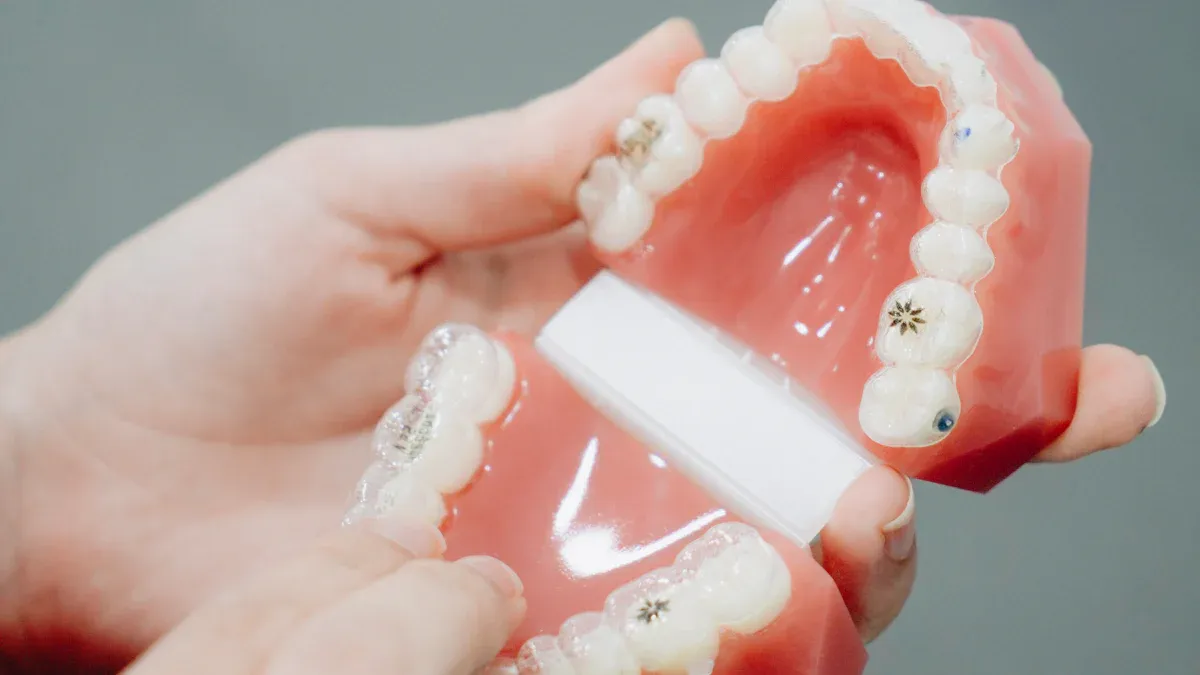
Self-ligating orthodontic brackets represent a significant advancement in orthodontic technology. They differ fundamentally from traditional braces in how they secure the archwire. Traditional braces typically use elastic bands or metal ties to hold the archwire in place. In contrast, self-ligating braces feature a specialized clip or a built-in, adjustable mechanism. This design secures the archwire without needing additional ligatures. This ligature-free system allows for greater freedom of tooth movement.
How Their Mechanism Works
The mechanism of self-ligating orthodontic brackets involves a sophisticated clip or door integrated into the bracket itself. This clip engages the archwire. There are two primary types: passive and active self-ligating brackets. Passive self-ligating brackets often feature a simple sliding door or clip. This door closes without interfering with the archwire slot lumen. It secures the archwire without exerting additional force on it. This design minimizes friction, allowing the wire to guide tooth movement gradually. Active self-ligating brackets, however, incorporate a spring clip. This clip applies gentle, consistent pressure to the archwire. This active mechanism enhances control and precision in tooth movement, especially in later stages of treatment. The flexible component’s “homing action” helps realign the bracket and tooth in three dimensions until the archwire is fully seated.
Self-Ligating vs. Traditional Brackets: A Direct Comparison
Friction, Force, and Movement Efficiency
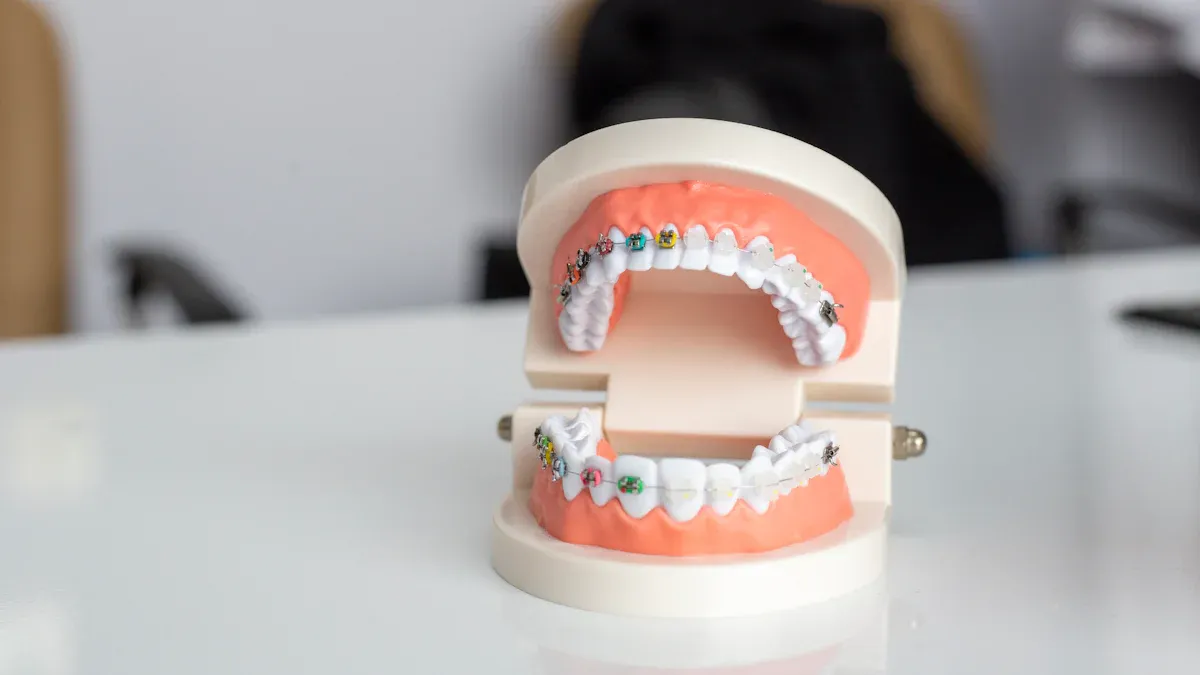
The method of securing the archwire significantly impacts friction, force, and the efficiency of tooth movement. Traditional braces use elastic ligatures or thin metal wires to hold the archwire within the bracket slot. These ligatures create friction as the archwire slides through the bracket. This friction can impede tooth movement, requiring more force to move teeth into their desired positions. In contrast, self-ligating brackets feature a built-in clip or door that secures the archwire. This design aims to reduce friction, allowing the archwire to slide more freely.
One study found that conventional brackets exhibited statistically significantly higher resistance to sliding compared to self-ligating brackets. However, another study reported no statistically significant difference in static friction between self-ligating and conventionally ligated brackets. Specifically, SL3 self-ligating brackets with stainless steel (SS) wire produced the least mean frictional resistance at 2.550 ± 0.343 N among the tested groups. These brackets also showed a statistically significant decrease in frictional resistance when compared to Clarity Advanced Brackets with TMA wires (P = 0.003 and P = 006, respectively) and Radiance brackets with SS (P = 0.002 and 0.005, respectively) and TMA archwires (P < 0.001). The reduced friction in self-ligating systems can potentially lead to more efficient tooth movement with lighter forces.
Adjustment Frequency and Chair Time
The design differences between self-ligating and traditional brackets also affect the frequency of adjustments and the time patients spend in the orthodontist’s chair.
| Braces Type | Adjustment Frequency |
|---|---|
| Self-Ligating Braces | Every 8-10 weeks |
| Traditional Braces | Every 4-6 weeks |
Traditional braces typically require tightening every 4–6 weeks. During these appointments, the orthodontist removes and replaces the elastic ligatures or ties, then adjusts the archwire. This process can be time-consuming. Self-ligating braces, due to their built-in mechanism, can sometimes allow for slightly longer intervals between appointments. Patients with self-ligating braces generally require fewer adjustments compared to those with traditional braces. This is attributed to the sliding mechanism of self-ligating braces, which facilitates more gradual and controlled tooth movement. The absence of ligatures also simplifies the adjustment process, potentially reducing chair time for each visit.
Oral Hygiene and Maintenance
Maintaining good oral hygiene is crucial during orthodontic treatment, regardless of the bracket type. However, the design of the brackets can influence the ease of cleaning.
- Traditional metal or ceramic orthodontic brackets use elastic or steel ligatures. These ligatures create additional surfaces and crevices where food particles and plaque can accumulate. This makes cleaning around the brackets more challenging for patients.
- The presence of ligatures can increase the risk of gingivitis and decalcification if patients do not maintain meticulous oral hygiene.
Self-ligating brackets offer advantages in oral hygiene because they do not use elastic ligatures. This absence of ligatures simplifies brushing and flossing for patients. An in vivo study concluded that self-ligating brackets retain less plaque compared to metal brackets ligated with steel ligatures. Pellegrini et al. demonstrated that self-ligating brackets lead to less retention of oral bacteria, including streptococci, when compared to elastomeric orthodontic brackets. While self-ligating brackets generally promote better hygiene, the study identified excess composite around the bracket base as the primary site for plaque accumulation in fixed appliances, rather than the bracket type itself. Therefore, proper bonding techniques remain essential for all types of orthodontic brackets.
Key Advantages of Self-Ligating Orthodontic Brackets
Potential for Shorter Treatment Durations
Self-ligating brackets often generate interest due to claims of reduced treatment times. Some statistical studies indicate that, on average, treatment time is 45% shorter with self-ligating systems compared to conventional brackets. Early retrospective studies even reported reductions of up to 4 to 6 months. However, these findings are considered less dramatic due to large standard deviations and expected bias. More recent prospective clinical trials have not demonstrated similar differences. Randomized controlled trials, for instance, have found no statistically significant or clinically significant difference in overall treatment time between self-ligating and conventional bracket systems.
Clinical studies do not consistently support a significant reduction in treatment duration, such as a 20% decrease, with passive self-ligating brackets. Research frequently indicates only minor, often statistically insignificant, differences or no difference at all when compared to conventional systems. Comprehensive reviews, including meta-analyses, generally do not confirm the claim of a 20% reduction in treatment time with passive self-ligating brackets. These large-scale analyses often conclude that the bracket type itself does not dramatically shorten overall treatment duration. Factors like case complexity, patient compliance, and the orthodontist’s skill are identified as more influential in determining overall treatment time. One study concluded that bracket type had no effect on overall treatment duration, number of visits, or overall percentage of reduction in PAR scores. Specifically, the use of Damon3 brackets did not reduce overall treatment time or total number of visits compared to conventional ligated brackets in extraction patients with crowding.
Enhanced Patient Comfort
Self-ligating brackets offer several design features that aim to enhance patient comfort throughout the treatment process. These features include:
- A sliding gate mechanism that opens and closes to engage the archwire, reducing friction and pressure compared to ligature ties.
- Smooth, rounded shapes of the brackets, making them less irritating to the soft tissues inside the mouth.
- A low-profile design, resulting in a sleeker and less bulky appearance.
- Free-sliding technology that uses less pressure and force to guide teeth, allowing for more natural and comfortable movement.
- The absence of elastic ties, which contributes to increased comfort levels.
Despite these design advantages, studies indicate no significant differences in substance P levels, pressure thresholds, maximum bite force, and masticatory efficiency between self-ligating and conventional orthodontic appliances. Consequently, pain and discomfort should not be primary factors when making a therapeutic decision regarding the use of self-ligating versus conventional appliances. There was no difference between conventional and self-ligating appliances in the parameters of pain, substance P, and pressure.
Fewer Office Visits
The design of self-ligating braces can enable some patients to have their adjustments spaced out more frequently compared to those with traditional braces. This potentially reduces the number of required trips to the dentist. Appointments for self-ligating braces are less frequent and shorter because elastic ties are not used. The simplified adjustment process, which does not involve removing and replacing ligatures, contributes to quicker chair time during each visit. This makes self-ligating braces a good choice for patients who prefer fewer office visits and a more streamlined treatment experience.
Improved Oral Hygiene
Self-ligating brackets significantly enhance oral hygiene during orthodontic treatment. They eliminate the need for elastic ligatures, which are common in traditional braces. These ligatures create numerous small crevices and surfaces. Food particles and bacterial plaque easily accumulate in these areas. This makes cleaning around traditional braces challenging for patients.
Self-ligating braces are easier to clean than traditional braces. Without elastic ligatures, there are fewer nooks where plaque and food debris can accumulate. This simplifies oral hygiene for patients. The absence of ligatures means fewer areas for plaque to adhere. This promotes a cleaner bracket surface and a healthier oral environment. Patients find brushing and flossing less cumbersome. This ease of cleaning allows for more effective removal of plaque and food debris. It reduces the risk of complications like decalcification, gingivitis, and periodontal issues.
The smooth, integrated door or clip design of self-ligating brackets presents fewer surfaces for plaque to adhere. This design helps maintain a whiter smile and lowers the risk of gum diseases. Orthodontists often observe better gum health in patients using self-ligating systems. This contributes to a more successful overall treatment outcome. With no ligatures trapping food particles, patients can maintain good oral hygiene and keep their teeth healthy throughout treatment.
Considering the Limitations of Self-Ligating Brackets
Cost Implications
Self-ligating braces often come with a higher price tag compared to traditional options. This increased cost is a significant factor for many patients considering orthodontic treatment.
| Braces Type | Average Cost |
|---|---|
| Traditional Metal | $3,000-$6,000 |
| Self-Ligating | $3,500-$6,500 |
Self-ligating braces typically cost a few hundred dollars more than traditional braces. The average increase ranges from $300 to $600. This higher cost stems from their advanced hardware and precision clips, which increase manufacturing fees. Several factors contribute to this expense:
- Type of Braces: Self-ligating braces represent a modern advancement. Their advanced technology and benefits influence the cost.
- Material Quality: These braces often use high-quality, durable, and aesthetically appealing materials. These materials are more expensive than those in traditional braces. The type of wires, especially flexible ones for gradual force, can also add to the cost.
- Treatment Complexity: More extensive treatment for severe crowding or misalignment can increase the overall cost.
- Orthodontist’s Expertise: Experienced orthodontists offering specialized services and personalized plans may charge higher fees.
The specialized design of active self-ligating brackets, involving advanced technology for the unique clip mechanism, contributes to their higher initial cost. These factors collectively increase production costs. Orthodontists then pass these costs on to patients.
Suitability for Complex Cases
While self-ligating braces offer many benefits, they may not be the optimal choice for every orthodontic case, especially those with significant complexity. These brackets might not provide the necessary level of control for severe misalignment or extensive jaw corrections.
Self-ligating brackets may not be suitable for complex orthodontic cases. They might not offer the same level of control for highly complex orthodontic cases. For instance, cases requiring intricate tooth movements or significant bite adjustments might benefit more from traditional brackets. Traditional brackets allow for more precise control through the use of ligatures. An orthodontist can apply specific forces to individual teeth. This precision is sometimes crucial for achieving desired outcomes in challenging situations. Therefore, a thorough evaluation by an orthodontist is essential to determine the most appropriate treatment plan.
Determining if Self-Ligating Brackets Are Right for You
Ideal Candidacy
Self-ligating braces offer significant benefits for individuals with specific orthodontic needs. Patients often find them ideal for addressing mild to moderate malocclusion. These include common issues such as crowded teeth, gaps between teeth, and misaligned bites like overbites, underbites, or crossbites. Individuals with minor overbites or underbites, as well as those experiencing mild crowding in their front teeth, often see excellent results. Self-ligating brackets also effectively correct general teeth misalignment and bite irregularities. Furthermore, they suit busy adults and teens who appreciate fewer office visits. Children and pre-teens also benefit from the gentle nature of these braces and the lighter forces they apply. Patients prioritizing comfort and improved hygiene find self-ligating braces advantageous, as the absence of elastics simplifies cleaning and reduces plaque buildup.
The Importance of Orthodontist Consultation
A personalized consultation with an experienced orthodontist remains crucial for determining the most appropriate treatment plan. An orthodontist assesses individual needs and specific orthodontic challenges. This professional evaluation ensures the chosen treatment aligns with a patient’s unique smile goals. During this consultation, patients should ask several key questions to make an informed decision:
- What Are My Treatment Options, and Which Do You Recommend? This question allows for a discussion of various options, including self-ligating braces, and clarifies the orthodontist’s recommendation for a specific case.
- How Long Will My Treatment Take? Treatment duration varies by brace type. Patients should inquire about the expected timeline for self-ligating braces.
- What Is the Total Cost, and Are Payment Plans Available? Understanding the financial aspects, including coverage and payment plans, is vital for any treatment.
- What Kind of Maintenance Will Be Required During and After Treatment? Patients should ask about daily cleaning routines, foods to avoid, adjustment frequency, and post-treatment care specific to self-ligating braces.
- Are There Any Potential Side Effects or Risks Associated with the Recommended Treatment? Discussing potential discomfort, risks of tooth decay, or other concerns related to self-ligating braces helps manage expectations.
- Is There Anything I Should Do to Prepare for Treatment? Patients should inquire about necessary preparations, such as improving oral hygiene, before starting treatment.
- Can I See Before and After Photos of Similar Cases You’ve Treated? Seeing examples provides confidence in the orthodontist’s experience and potential outcomes.
Self-ligating braces offer compelling benefits in efficiency and comfort for many individuals seeking orthodontic treatment. While highly effective, they are not a one-size-fits-all solution. Their suitability depends on individual needs and specific orthodontic challenges. A personalized consultation with an experienced orthodontist is crucial. This consultation determines if self-ligating braces are the most appropriate and effective treatment path for your unique smile goals.
FAQ
Do self-ligating braces truly shorten treatment time?
Research shows mixed results. Some studies suggest a slight reduction in treatment duration. However, many comprehensive reviews find no statistically significant difference compared to traditional braces. Factors like case complexity and patient compliance often influence treatment time more.
Are self-ligating braces more comfortable than traditional braces?
Many patients report enhanced comfort with self-ligating braces. Their design reduces friction and eliminates elastic ties. This often leads to less pressure and irritation on soft tissues. However, studies on pain perception show no significant difference between the two types.
Is it easier to clean teeth with self-ligating braces?
Yes, self-ligating braces generally improve oral hygiene. They do not use elastic ligatures. These ligatures create areas where food and plaque can accumulate. The absence of ligatures simplifies brushing and flossing, promoting a cleaner mouth.
Are self-ligating braces more expensive than traditional braces?
Self-ligating braces typically cost slightly more than traditional braces. This higher cost reflects their advanced design and specialized clip mechanism. The average increase can range from $300 to $600, depending on various factors.
Are self-ligating braces suitable for all orthodontic cases?
Self-ligating braces work well for many cases, especially mild to moderate malocclusions. However, they may not be ideal for highly complex cases. These cases often require the precise control that traditional brackets with ligatures can offer. An orthodontist determines the best option.
Post time: Dec-08-2025