
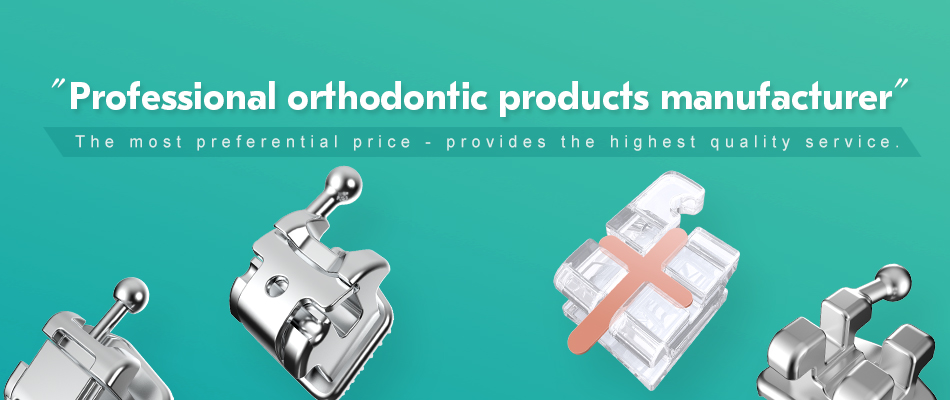

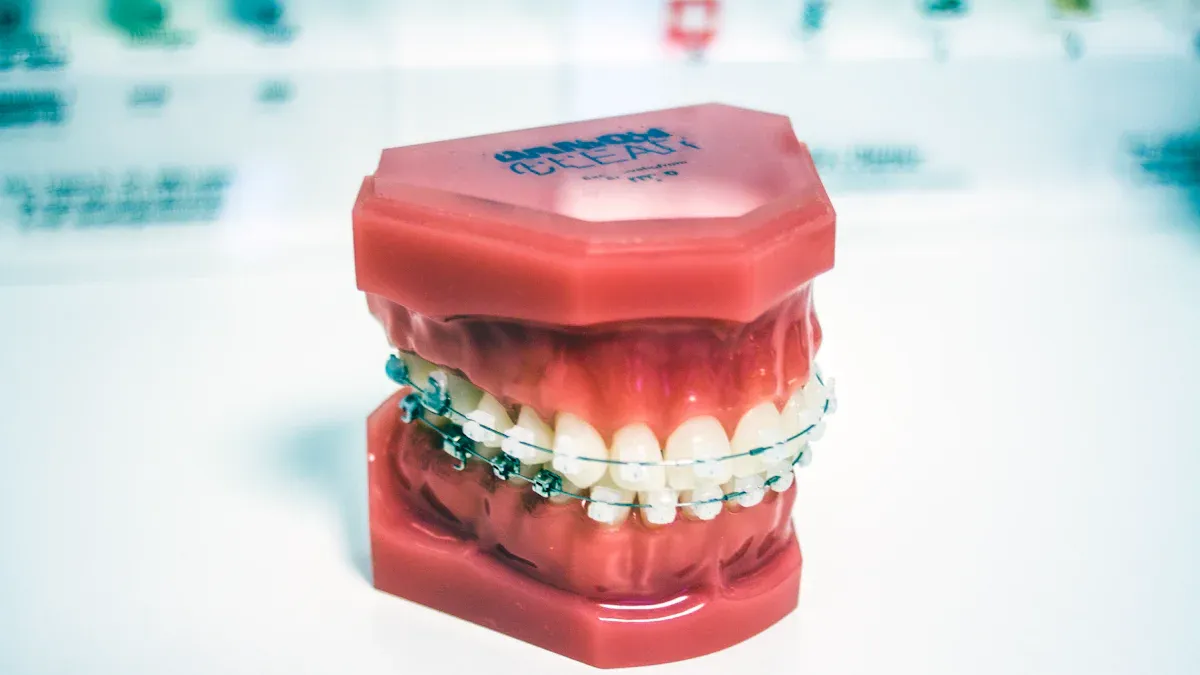
Several key enterprises are emerging as definitive leaders in Chinese orthodontic metal self-ligating brackets. These companies showcase innovation, quality, and a strong market presence, redefining what an orthodontic bracket manufacturer can achieve. For example, Ningbo Denrotary Medical Apparatus stands out with its advanced technology, focusing on the advantages of self-ligating systems. This naturally leads to the question, “What is the difference between self-ligating and traditional brackets?” These industry leaders also drive important discussions, such as “What are the different types of materials used for brackets?” in the context of orthodontic brackets.
Key Takeaways
- Leading Chinese companies make high-quality self-ligating orthodontic brackets. They use new ideas and good manufacturing.
- These companies follow strict rules for quality and safety. They have certifications like CE and FDA.
- Self-ligating brackets can make orthodontic treatment faster. They also make patients more comfortable.
- Chinese manufacturers use advanced technology. This includes special materials and production methods.
- These companies help orthodontists around the world. They offer good products and support.
Defining Leadership in Orthodontic Brackets
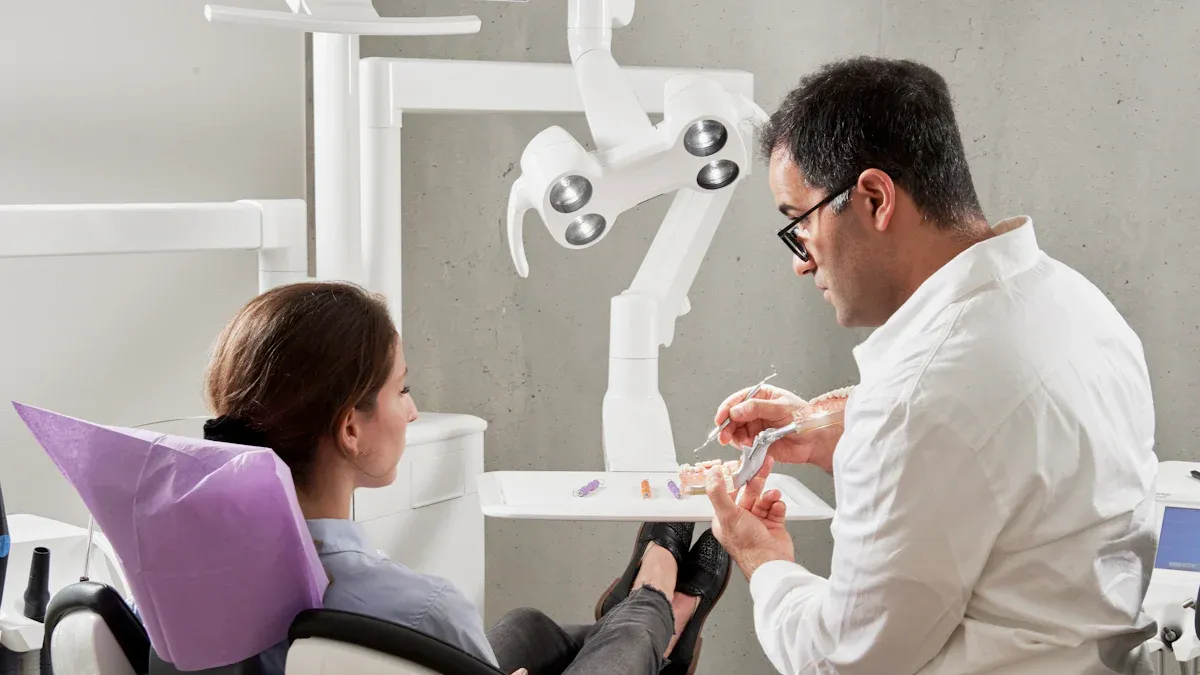
What makes a company a leader in the world of orthodontic products? It goes beyond just making a product. True leadership involves several key areas that set companies apart.
Innovation in Bracket Design and Materials
Leading companies constantly push boundaries. They introduce new ideas and improve existing ones. In recent years, innovation in orthodontic bracket design has brought significant advancements. For example, self-ligating brackets use a special clip to hold the archwire. This design reduces friction and can make treatment faster and more comfortable for patients. Manufacturers also develop advanced archwires, like those made from nickel-titanium alloys. These wires offer flexibility and “memory,” applying gentle, continuous forces for precise tooth movement. Companies also explore biocompatible materials, ensuring patient safety and comfort. Some even look into “smart materials” that react to changes in the mouth, allowing for more targeted treatment adjustments.
Manufacturing Quality and Precision Standards
Quality is paramount in orthodontics. Every bracket must meet strict standards. The ISO 27020:2019 norm sets the quality standard for manufacturing orthodontic brackets and tubes. This standard defines the exact size limits for these products. It ensures consistency and reliability. However, achieving these standards can be challenging. A study found that many orthodontic bracket systems did not fully meet the ISO 27020:2019 quality standards. For instance, some systems had slot heights outside the allowed limits, and many showed “divergent walls,” meaning they lacked precise quality control. Leading manufacturers invest heavily in advanced production lines and rigorous testing to ensure their products consistently meet or exceed these critical benchmarks.
Market Share and Global Reach of Orthodontic Brackets
A company’s market share and global reach also define its leadership. A large market share shows that many orthodontists trust and use their products. Global reach means the company’s products are available and used worldwide. This indicates strong distribution networks and a reputation for excellence that crosses borders. Companies with significant market presence often have the resources to invest more in research and development, further driving innovation in the industry.
Clinical Efficacy and Practitioner Feedback
Practitioner feedback and clinical efficacy are crucial for defining leadership. Orthodontists often report several benefits with self-ligating brackets. They mention quicker ligation and less friction. This can lead to a shorter treatment period and fewer office visits. Patients also experience less discomfort overall, which means higher treatment efficiency. Some studies suggest reduced subjective pain and enhanced chair-side manipulation due to reduced bio-stability. These brackets may even promote periodontal health.
However, some research offers a different perspective. A systematic review found no significant differences in clinical criteria between self-ligating brackets and conventional systems. This refutes the idea of self-ligating brackets’ superiority. A scoping review from the past decade also concluded that evidence on whether passive self-ligating brackets are better than conventional or active self-ligating brackets is unclear. Most efficiency and effectiveness results show no appreciable differences. While some studies suggest passive self-ligating brackets may offer advantages in alignment, space closure, and improved patient comfort, other studies indicate no significant differences between passive self-ligating, active self-ligating, and conventional bracket systems. Older studies suggested self-ligating braces promote less plaque retention and improve patient hygiene by eliminating plaque-retentive elastomeric ligatures. However, recent reviews indicate no strong evidence supporting the superiority of one bracket type over another in terms of periodontal clinical parameters or subgingival plaque pathogens.
Certifications and Regulatory Compliance
Certifications and regulatory compliance are non-negotiable for medical device manufacturers. These ensure product safety and effectiveness. For instance, CE Certification demonstrates that orthodontic brackets meet EU safety and quality rules. This adheres to stringent regulatory standards like the EU Medical Device Regulation (EU MDR). The EU MDR mandates clinical evaluations, risk management, and post-market surveillance. Orthodontic products, classified as Class IIa medical devices, require a declaration of conformity supported by assessments from notified bodies.
In the United States, FDA 21 CFR Part 820 (Quality System Regulation – QSR) is essential for medical device manufacturers. It ensures devices are safe and effective through quality management systems. These systems cover design, manufacturing, packaging, labeling, storage, and installation. The Medical Device Single Audit Program (MDSAP) allows a single audit to satisfy the requirements of multiple regulatory authorities. These include the USFDA, Health Canada, Brazil’s ANVISA, Japan’s MHLW, and Australia’s TGA. This streamlines compliance and accelerates market entry. Health Canada exclusively requires MDSAP certification as of January 1, 2019. ISO 13485:2016 provides a globally recognized framework for quality management systems in the medical device industry. It is crucial for ensuring compliance with international safety and quality standards. This standard aligns with FDA 21 CFR Part 820 and emphasizes risk management. ISO 14971 provides a framework for identifying, evaluating, controlling, and monitoring risks associated with medical devices. Cybersecurity Certifications are also becoming vital for networked dental orthodontic instruments. They protect sensitive patient data and ensure reliable operation of devices connected to patient records and imaging systems.
Leading Chinese Enterprises in Metal Self-Ligating Orthodontic Brackets
China’s orthodontic industry sees several companies stepping up as major players. They lead the way in producing high-quality metal self-ligating brackets. These enterprises combine innovation with precise manufacturing, setting new standards for the global market.
Denrotary Medical: Pioneer in Advanced Self-Ligation Technology
Denrotary Medical, located in Ningbo, Zhejiang, stands out as a pioneer in advanced self-ligation technology. Since 2012, the company has dedicated itself to orthodontic products. They offer innovative Dental Self Ligation Brackets that significantly enhance efficiency and comfort during orthodontic treatment. These brackets feature an advanced self-ligation mechanism. This design eliminates the need for cumbersome ligatures, reducing friction and discomfort for patients. Denrotary’s brackets also boast smooth, rounded edges and a low-profile design, ensuring optimal patient comfort. Clinicians find them easy to install, adjust, and remove, which significantly reduces chair-side time. Patients also benefit from efficient oral hygiene maintenance.
Denrotary Medical’s Metal Self Ligation Brackets incorporate cutting-edge technology. Their self-ligation system removes the need for traditional elastic or metal ties, simplifying wire changes. These brackets are crafted for durability and comfort. They feature smooth, rounded edges and a reduced size to minimize soft-tissue irritation. The self-ligation mechanism reduces friction, leading to smoother and more controlled tooth movement. This can potentially shorten treatment times. They also allow for easy inspection and better oral hygiene. Denrotary offers a range of self-ligating options, including:
- Self Ligating Brackets – Passive – MS2
- Self Ligating Brackets – Active – MS1
- Self-Ligating Buccal Tube-BT8
- Self Ligating Bracket – Spherical – MS3
- Ceramic Self Ligating Brackets – CS1
EKSEN: Renowned for Precision Engineering and Durability
EKSEN has earned a strong reputation for its precision engineering and the durability of its orthodontic products. The company employs advanced manufacturing techniques to ensure every bracket meets stringent quality standards. EKSEN utilizes Metal Injection Molding (MIM) in its production process. This technique allows for the creation of complex shapes with high precision and excellent surface finish. They also use Laser Welding. This method ensures strong, reliable bonds in their brackets, contributing to their overall durability and performance. These sophisticated engineering methods help EKSEN produce brackets that orthodontists can trust for consistent results.
Hangzhou Westlake Biomaterial Co., Ltd.: Innovator in High-Performance Solutions
Hangzhou Westlake Biomaterial Co., Ltd. has established itself as an innovator in high-performance solutions for the orthodontic field. This company holds the distinction of being the first in China to produce all kinds of orthodontic materials, accessories, and dental pins and posts. Their main products include Bonding Mesh base brackets in various prescriptions like Roth, edgewise, standard, and Mini. They also offer advanced self-ligating options. These include the FDA Certified Orthodontic Brackets Passive Self Ligating Bracket Brilliant V and the Class II Orthodontic Brackets Passive Self Ligating Bracket Brilliant 4th Plus. Another notable product is their Passive Self Ligating Bracket ROTH / MBT Ortho Brackets Elite Series. Hangzhou Westlake Biomaterial consistently pushes boundaries, providing reliable and innovative choices for orthodontists worldwide.
PROTECT: Global Frontrunner in Research-Driven Orthodontic Equipment
PROTECT stands as a global frontrunner in research-driven orthodontic equipment. The company focuses heavily on innovation. They invest significantly in research and development. This commitment ensures their products meet the evolving needs of orthodontists and patients worldwide. PROTECT’s approach combines scientific rigor with practical application. They create advanced solutions for the orthodontic field. Their equipment is known for its precision and reliability. This makes PROTECT a trusted name among dental professionals.
Shinye: High-Quality, Flexible, and Durable Orthodontic Brackets
Shinye has built a reputation for producing high-quality, flexible, and durable orthodontic brackets. The company prioritizes patient comfort and treatment effectiveness. They ensure their products meet strict international standards. Shinye holds several important certifications. These include CE, ISO 9001, ISO 13485, and FDA certifications. These certifications show their dedication to quality and safety. Shinye’s quality guideline emphasizes being “People-oriented, good quality, honesty and reliability, keeping improving.” The company consistently aims to offer innovative products and excellent customer service. For example, the Shinye ORTHO Bracket is classified as a Class II instrument. It also holds a CE quality certification. This confirms its compliance with European health, safety, and environmental protection standards.
Creative Dental: Integrating R&D, Manufacturing, and Sales
Creative Dental offers a comprehensive business model. They integrate research and development (R&D), manufacturing, and sales. This integrated approach allows them to control every step of the product lifecycle. They can quickly respond to market demands and incorporate new technologies. Creative Dental’s R&D team constantly explores new materials and designs. Their manufacturing facilities use advanced techniques to produce high-quality products. The sales team then ensures these innovative solutions reach orthodontists globally. This seamless integration makes Creative Dental a strong competitor in the market.
Yamei Ortho: High-Quality Passive Self-Ligating Metal Orthodontic Brackets
Yamei Ortho has earned a reputation for producing high-quality passive self-ligating metal orthodontic brackets. They design these brackets to offer both efficiency for orthodontists and comfort for patients. Yamei Ortho focuses on precision and thoughtful design in every product.
Their passive self-ligating brackets come with several key features:
- They have smooth, round surfaces, a low profile, and rounded tie wings. This design helps prevent irritation inside the mouth.
- The archwire slot edges are uniquely designed to reduce friction. This allows teeth to move more freely.
- The brackets come in a mini shape. Yamei Ortho adjusts their size and height for optimal performance.
- Unlocking the brackets always happens in the same direction: downwards. This makes adjustments straightforward.
- They provide ample ligation space on the ligation wings.
- Each bracket includes a bottom sliding ball hook.
- An auxiliary hole for orthodontic wires is also present, measuring 0.42*0.42.
- Yamei Ortho uses a CNC machining process for rectangle wires. This creates bright and smooth three sides for the bracket slots, greatly reducing friction.
- The bracket base uses an 80 molybdenum mesh. The hook features a ball spherical arc shape design, which increases bonding strength.
- A laser welding process joins all four sides of the bracket.
- Clients can request sandblasting and laser marking on the bracket base.
These brackets also offer accurate positioning, which leads to faster tooth movement. They do not require ligation, preventing dental plaque that traditional ligating methods can cause. Their round shape enhances patient comfort and makes cleaning easy. A unique polishing process further reduces friction between the brackets and wires. The brackets feature smooth, solid walls with high-precision slots. Smooth, streamlined edges also improve patient comfort. An all-sides laser cold welding process provides high welding strength. It also maintains the precision of bracket data and ensures accuracy in orthodontics.
DTC: Laser Welding Technology for Orthodontic Brackets
DTC stands out for its innovative use of laser welding technology in its orthodontic brackets. This advanced manufacturing technique plays a crucial role in enhancing bracket performance. DTC believes this technology contributes to “healthy treatment and better adhesion strength.” Laser welding creates strong, precise bonds, which means the brackets stay securely in place throughout the treatment. This method also helps maintain the integrity of the bracket’s design. All DTC brackets utilize laser welding technology. This shows its integral role in their entire product line.
DENRUM: Specialist in Angela Series Orthodontic Brackets
DENRUM has carved a niche for itself as a specialist in the Angela Series Orthodontic Brackets. This company focuses on developing and refining this specific line of brackets. They aim to provide orthodontists with reliable and effective solutions for various treatment needs. DENRUM’s dedication to the Angela Series highlights its commitment to specialized product development and quality.
Comparative Analysis of Leading Orthodontic Brackets
Leading Chinese manufacturers distinguish themselves through various strengths. They offer unique features and strong support for dental professionals. This section explores how these companies stand out in the competitive market.
Technological Advantages and Patented Features
Top companies in China invest heavily in technology. They develop unique features for their orthodontic brackets. For instance, some firms create advanced self-ligation mechanisms. These designs reduce friction and make wire changes easier. Other companies use specialized materials or unique bonding agents. These innovations improve bracket strength and patient comfort. Many of these advancements come from patented designs. These patents protect their unique solutions. They also show the company’s commitment to innovation. These technological edges give orthodontists better tools for treatment.
Commitment to Research and Development
A strong commitment to research and development (R&D) defines these leaders. They do not just produce existing designs. Instead, they actively seek new ways to improve their products. This involves studying new materials and refining bracket mechanics. Companies often collaborate with universities or dental professionals. This helps them understand real-world needs. Their R&D efforts lead to more effective and comfortable treatments. This continuous improvement ensures they stay at the forefront of the industry.
Customer Support and Training Programs
Excellent customer support and training programs are crucial. These companies understand that orthodontists need more than just a product. They offer comprehensive training on how to use their systems effectively. This might include workshops, online tutorials, or direct support from experts. Good customer service helps practitioners troubleshoot issues quickly. It also ensures they get the most out of their investment. This strong support builds trust and long-term relationships with their clients.
Global Distribution Networks
Leading Chinese orthodontic bracket manufacturers do not just produce great products. They also ensure these products reach orthodontists around the world. This requires strong global distribution networks. These networks are crucial for a company’s success and leadership.
Companies build these networks in several ways. Some establish direct sales offices in key international markets. This allows them to have direct control over sales and customer service. Other companies partner with local distributors. These distributors understand the local market. They have existing relationships with dental clinics. This partnership helps companies expand their reach quickly.
A robust distribution network means products are readily available. Orthodontists in different countries can easily order and receive brackets. This accessibility builds trust and convenience. It also helps companies respond faster to market demands. For example, if a new trend emerges in Europe, a well-connected company can quickly adapt its supply chain.
These global networks also support after-sales service. Distributors often provide technical support and training. This ensures orthodontists use the products correctly. It also helps them troubleshoot any issues. This comprehensive support strengthens a company’s reputation. It makes them a preferred choice for practitioners worldwide.
Ultimately, a wide global reach shows a company’s strength. It proves their products meet international standards. It also demonstrates their ability to compete on a global scale. This widespread presence solidifies their position as definitive leaders in the industry. They are not just making brackets; they are making them accessible everywhere.
Impact of Quality and Innovation on Clinical Outcomes with Orthodontic Brackets
High-quality manufacturing and innovative design directly influence how well orthodontic treatments work. They also affect the patient’s experience. When companies prioritize these aspects, they deliver better results for everyone involved.
Enhanced Treatment Efficiency and Patient Comfort
Innovative self-ligating brackets significantly boost treatment efficiency and patient comfort. These brackets feature a clip-based design. This design allows for much faster archwire changes. For example, closing the slides on a Damon2 System bracket takes two seconds less than conventional methods. Opening them saves one second. Placing a wire in a fully bonded arch is 52 seconds faster with self-ligating systems, taking only 46 seconds compared to 98 seconds for traditional brackets. This efficiency also means less need for a chairside assistant during ligation, streamlining the entire procedure. Patients often report increased comfort with these systems. The biomechanical efficiency allows for more controlled tooth movement using lighter forces. This can indirectly contribute to a more comfortable experience. While some scientific evidence on patient comfort and better oral hygiene is mixed, the design aims to reduce irritation and simplify cleaning.
Durability and Reliability in Long-Term Use
The durability and reliability of orthodontic brackets are crucial for successful long-term treatment. Brackets must withstand daily forces from chewing and speaking without failing. Studies show varying failure rates for metal brackets. One study reported a 6.2% failure rate for metal brackets, while others found rates between 1.15% and 17.87%. Another study observed an overall bracket failure rate at the tooth level of 14.1%. Specifically, stainless steel self-ligating brackets had failure rates ranging from 11.2% to 20.0%. These figures highlight the importance of robust manufacturing processes. Leading manufacturers use high-quality materials and advanced techniques like laser welding to minimize these failure rates. This ensures the brackets remain securely in place throughout the treatment period.
Reduced Chair Time and Simplified Mechanics
High-quality self-ligating brackets significantly reduce chair time for orthodontists. Their design simplifies mechanics. The clip mechanism eliminates the need for elastic or metal ties. This makes archwire changes much quicker. Orthodontists can open and close the bracket slides in seconds. This efficiency translates into shorter adjustment appointments for patients. It also allows clinics to manage their schedules more effectively. The simplified mechanics mean fewer steps during adjustments. This reduces the overall time patients spend in the dental chair. It also improves the workflow for the clinical team.
Practitioner Confidence and Brand Trust
Orthodontists rely heavily on the quality and reliability of their tools. When manufacturers consistently deliver high-performing brackets, they build strong practitioner confidence. This confidence often translates into brand trust. Orthodontists feel secure using products from companies with a proven track record. They know these brackets will perform as expected. This trust allows them to focus on patient care, not on equipment failures.
A strong brand also offers excellent support. This includes clear instructions, responsive customer service, and effective training programs. When a company stands behind its products, orthodontists feel more comfortable. They know help is available if they encounter any issues. This support reinforces their trust in the brand. It makes them more likely to choose that brand again for future cases.
Furthermore, brand trust often comes from positive clinical outcomes. When patients achieve great results with a specific brand of brackets, orthodontists notice. They see the efficiency, comfort, and effectiveness in their daily practice. This direct experience strengthens their belief in the product. They then recommend these brackets to colleagues and continue using them for new patients.
“Choosing a trusted brand means I can focus on my patients, knowing the brackets will perform reliably.” – A common sentiment among experienced orthodontists.
Ultimately, practitioner confidence and brand trust are vital for market leadership. Companies that earn this trust secure a loyal customer base. They also contribute to better patient experiences and successful treatment outcomes. This cycle of quality, trust, and positive results drives the industry forward.
The Manufacturing Excellence Behind Chinese Orthodontic Brackets
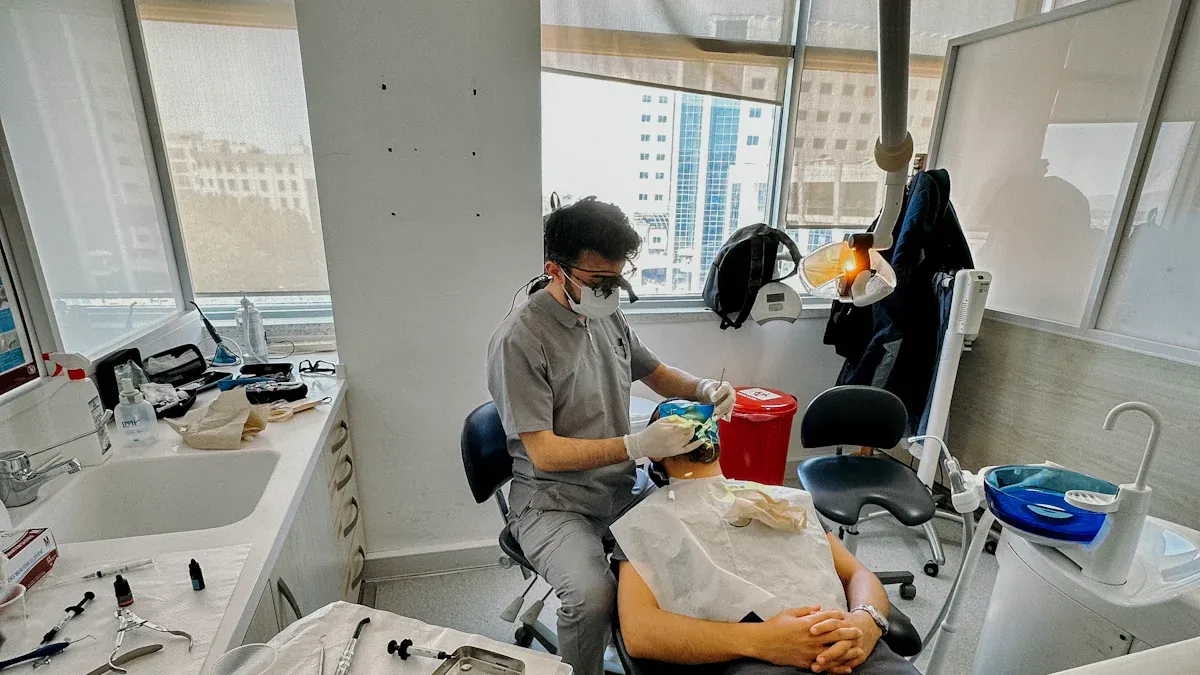
Chinese manufacturers are setting high standards for orthodontic products. They achieve this through impressive manufacturing excellence. This commitment ensures that every product meets global demands for quality and performance.
Advanced Production Lines and Equipment
Leading Chinese factories use cutting-edge technology. They adopt advanced Metal Injection Molding (MIM) production technology for making orthodontic brackets. This allows for complex shapes with great precision. You will also find CNC machining, laser etching, and automated polishing systems in their facilities. Many operate in ISO-certified cleanrooms. These companies often have in-house R&D teams and vertically integrated production lines. This means they handle everything from raw material processing to final packaging. They also boast internal quality testing labs and material traceability systems. Plus, they invest in international advanced production and inspection equipment. This mechanized production ensures consistent quality.
Strict Quality Control and Testing Protocols
Quality is not just a buzzword here; it is a strict process. Manufacturers implement rigorous testing protocols. They validate bracket performance under tough conditions like mechanical stress, corrosion, and wear. Many collaborate with accredited third-party laboratories. These labs conduct tests and provide validation data. Companies maintain detailed documentation on batch production and quality assurance processes. This includes records of study protocols and data integrity. They also adhere to global standards like Good Clinical Practice (GCP) and Good Laboratory Practice (GLP). Comprehensive documentation covers calibration standards and equipment maintenance logs. Durability testing ensures long-term performance. All these steps ensure compliance with international standards such as ISO 27020:2019.
Material Science and Biocompatibility
Choosing the right materials is crucial for patient safety and treatment success. Chinese manufacturers prioritize biocompatible materials. For instance, many factories use 17-4 stainless steel for their metal adjustable self-ligation braces and orthodontic passive brackets. Stainless steel offers excellent mechanical properties and corrosion resistance. Other common materials include Nickel-Titanium (NiTi) for its superelasticity and shape memory. Cobalt-Chromium (CoCr) provides good spring properties. Beta-Titanium (Ti-Mo) offers intermediate stiffness and is nickel-free, making it great for finishing stages. These materials ensure the brackets are safe, effective, and durable inside the mouth.
Scalability and Production Capacity
Chinese orthodontic manufacturers truly excel at handling large orders. They possess impressive scalability and production capacity. This means they can produce a huge number of brackets quickly and efficiently. These companies invest heavily in massive production facilities. These factories often run 24/7, using automated systems to keep up with demand.
Their ability to scale production allows them to meet global needs. Orthodontists worldwide rely on a steady supply of high-quality brackets. Chinese leaders ensure this supply remains consistent. They have built robust supply chains. These chains manage raw materials, manufacturing, and distribution seamlessly. This efficiency prevents delays and keeps products flowing to clinics.
Many of these manufacturers also show great flexibility. They can quickly adjust their production lines. This helps them respond to changing market trends or specific customer requests. For example, if a new bracket design becomes popular, they can ramp up its production fast. This adaptability is a key strength. It allows them to serve a diverse international clientele effectively.
“Our advanced automation allows us to produce millions of brackets annually, ensuring no orthodontist waits for their essential tools.” – A leading Chinese manufacturer.
This high production capacity benefits everyone. It helps keep costs competitive. It also ensures that orthodontic treatment remains accessible to more patients globally. These companies are not just making brackets; they are making them available on a massive scale. Their operational excellence truly sets them apart in the global market.
Future Outlook for Chinese Orthodontic Brackets
The Chinese orthodontic industry continues its rapid evolution. Manufacturers constantly look ahead, embracing new technologies and practices. This forward-thinking approach shapes the future of orthodontic treatment globally.
Upcoming Innovations from Leading Enterprises
Leading Chinese enterprises actively pursue new breakthroughs. They explore advanced materials, making brackets even lighter and stronger. Expect to see more personalized designs, tailored precisely to each patient’s unique dental structure. Companies also invest in smart features, like sensors that monitor tooth movement. These innovations promise more efficient and comfortable treatment experiences. They aim to reduce treatment times and improve overall patient outcomes.
Impact of Digital Orthodontics on Bracket Design
Digital orthodontics profoundly changes how companies design and manufacture orthodontic brackets. Computer-Aided Design and Manufacturing (CAD/CAM) technology allows for customized appliance creation. Orthodontists use digital models of a patient’s teeth to create precise designs. Then, 3D printers or milling machines accurately manufacture these designs. This ensures a perfect fit for each patient. It also enhances the overall efficiency of the treatment process.
Alexander Waldman, DMD, MMSc, notes the spread of digital scanning and workflows. This trend, first seen with aligners, now extends to fixed appliances like metal self-ligating brackets. This technological shift brings improved efficiency, streamlined workflows, and better outcomes to fixed appliances. Digital orthodontics, especially through 3D printing, creates patient-specific brackets. These brackets precisely match each individual’s teeth. This custom fit minimizes gaps, enhances stability, and improves patient comfort. It also contributes to optimized treatment efficiency.
Sustainability and Ethical Manufacturing Practices
Chinese manufacturers increasingly focus on sustainability and ethical practices. They adopt eco-friendly materials and reduce waste in production. Companies also ensure fair labor practices and safe working conditions. They source materials responsibly, minimizing environmental impact. This commitment to ethical manufacturing builds trust with consumers and partners worldwide. It also positions them as responsible leaders in the global market.
Global Market Expansion and Competitive Strategies
Chinese orthodontic bracket manufacturers are not just staying local. They actively pursue global market expansion. These companies understand the importance of reaching orthodontists worldwide. They develop smart competitive strategies to succeed in international markets.
One key strategy involves forming strong international partnerships. Many Chinese firms collaborate with distributors and dental suppliers in other countries. These partnerships help them navigate complex regulatory landscapes. They also gain access to established sales channels. This approach allows them to quickly introduce their products to new regions.
Another important strategy is product differentiation. Chinese manufacturers often offer a wide range of brackets. They cater to different clinical needs and budget points. Some focus on advanced self-ligating systems with unique features. Others emphasize cost-effectiveness without sacrificing quality. This variety helps them appeal to a broader customer base globally.
Competitive pricing also plays a significant role. Chinese companies can often offer high-quality products at more competitive prices. This makes their brackets attractive to orthodontists in various economic environments. However, they do not compromise on quality. They maintain strict manufacturing standards and obtain international certifications. This ensures their products meet global expectations.
Furthermore, these companies invest in adapting their products to local market demands. They consider specific preferences or regulatory requirements in different countries. This might involve customizing bracket designs or packaging. They also provide excellent customer support and training programs. This builds trust and loyalty among international practitioners.
Ultimately, these strategies help Chinese enterprises secure a strong foothold in the global orthodontic market. They challenge traditional leaders and drive innovation across the industry. Their presence makes high-quality orthodontic treatment more accessible worldwide.
These Chinese enterprises truly stand out as definitive leaders in orthodontic metal self-ligating brackets. They consistently show innovation, deliver high quality, and maintain a strong market presence. Their products also prove clinically effective. These companies actively shape the industry’s future. They do this through continuous advancements and a strong commitment to excellence.
FAQ
What are self-ligating brackets?
Self-ligating brackets use a built-in clip or door to hold the archwire. This design eliminates the need for elastic ties or metal ligatures. It reduces friction and can make wire changes faster. This system aims for more efficient tooth movement and potentially shorter treatment times.
Why should orthodontists consider Chinese-made brackets?
Chinese manufacturers offer innovative designs and high-quality products. They invest in advanced production lines and strict quality control. Many companies hold international certifications like CE and FDA. This ensures their brackets meet global standards. They also provide competitive pricing.
How do Chinese manufacturers ensure bracket quality?
Leading Chinese manufacturers use advanced production lines. These include Metal Injection Molding (MIM) and laser welding. They follow strict quality control protocols and conduct rigorous testing. Many adhere to international standards like ISO 27020:2019. This commitment ensures precision and reliability.
Are these brackets safe for patients?
Yes, leading Chinese manufacturers prioritize patient safety. They use biocompatible materials like 17-4 stainless steel. Their products undergo strict testing and hold international certifications. These include CE, ISO, and FDA approvals. This ensures the brackets are safe and effective for orthodontic treatment.
What benefits do self-ligating brackets offer patients?
Self-ligating brackets can offer enhanced comfort due to their smooth design. They may also lead to reduced chair time during adjustments. Patients often find them easier to clean, which helps maintain better oral hygiene. The system aims for efficient and gentle tooth movement.
Post time: Dec-16-2025