
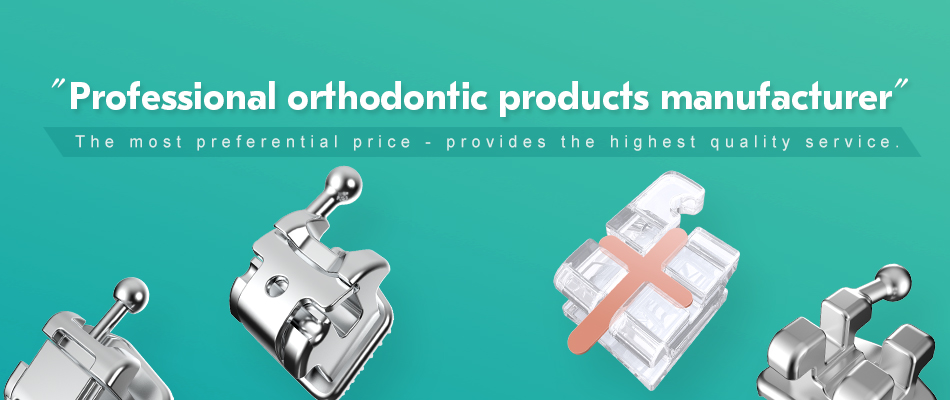

Orthodontic brackets are part of a fixed appliance system that uses brackets and archwires to move teeth gradually. For self-ligating brackets, the most useful comparison is how each system balances friction, control, comfort, and aesthetics.
How Orthodontists Evaluate Self-Ligating Bracket Brands
Orthodontists usually judge self-ligating bracket brands by treatment stage fit, slot control, and ease of wire changes. The best-known systems are not identical, so the right choice depends on whether the case needs faster adjustments, lower friction, or better cosmetic appearance.
Active vs. Passive Mechanisms
Active systems use a clip or door that presses on the archwire, while passive systems allow more sliding freedom. In practice, active designs can offer stronger engagement, and passive designs often support lower-friction movement during alignment and space closure. AAO explains that braces work by combining brackets and wires to apply controlled pressure over time, and self-ligating designs change how that wire is held in place. AAO braces overview
For clinicians, this difference matters because it affects chairside efficiency and force expression. Ormco describes its Damon System as a low-friction passive self-ligating platform, while American Orthodontics positions Empower as a system with fully passive, fully interactive, or combination options. Damon passive system Empower bracket system
Aesthetic vs. Metal Designs
Aesthetic self-ligating brackets are usually selected for adult patients who want lower visibility. Ceramic and translucent systems can improve appearance, but they may trade off some handling preferences compared with metal designs. FDA device summaries also show that ceramic orthodontic brackets are intended for comprehensive orthodontic use to control tooth movement. FDA ceramic bracket summary
That trade-off is why many orthodontists keep both metal and aesthetic options in the same inventory. A practical supplier should therefore support multiple bracket families, not only one product line.
Comparison Table: Common Self-Ligating Bracket Brand Categories
Comparison Table: Common Self-Ligating Bracket Brand Categories
| Brand Category | Typical Strength | Best Fit | Clinical Note |
|---|---|---|---|
| Passive metal systems | Low friction, efficient sliding | Alignment and space closure | Often preferred when lighter wire engagement is desired |
| Active metal systems | Stronger wire control | Cases needing more expression | Useful when rotation and torque control matter |
| Ceramic self-ligating systems | Better aesthetics | Adult and image-sensitive patients | Appearance is improved, but handling preferences vary |
| Hybrid or combination systems | Flexible protocol choice | Mixed case loads | Useful for practices treating diverse malocclusions |
Best Self-Ligating Bracket Brands Recommended by Orthodontists
The best self-ligating bracket brands recommended by orthodontists are usually the ones that offer predictable mechanics, clear product families, and reliable documentation. In the market, commonly recognized names include Damon, In-Ovation, Clarity SL, and Empower, each serving a different clinical preference.
Damon is widely associated with passive low-friction treatment, which makes it a frequent reference point for clinicians who prioritize sliding mechanics. In-Ovation is often discussed for interactive control, while 3M Clarity SL is known for translucent aesthetics and self-ligating convenience. American Orthodontics Empower is notable for offering multiple activation modes in one family. Damon Q2 passive bracket In-Ovation R brochure Clarity Ultra self-ligating brackets
These brands are not interchangeable, because each one reflects a different treatment philosophy. Orthodontists often choose based on whether the case needs lower friction, stronger control, or a more discreet appearance.
What Makes a Brand Clinically Strong
A clinically strong brand usually combines bracket design, archwire compatibility, and consistent manufacturing quality. NIDCR notes that oral health information and treatment decisions should be science-based, which is a useful reminder that bracket choice should follow evidence and case needs rather than marketing claims. NIDCR health information
For procurement teams, certification and regulatory alignment are also important. FDA guidance documents show how medical device oversight is organized, and orthodontic buyers often use that framework to screen suppliers for export and compliance needs. FDA device guidance
Table: Brand Selection by Patient and Practice Need
Table: Brand Selection by Patient and Practice Need
| Need | Recommended Brand Type | Why It Fits |
|---|---|---|
| Lower friction and efficient sliding | Passive metal system | Supports smoother archwire movement |
| More wire expression and control | Active or interactive system | Improves engagement with the archwire |
| Better aesthetics | Ceramic or translucent system | Reduces bracket visibility |
| Mixed case portfolio | Combination system | Lets the practice standardize across case types |

Where Denrotary Fits in a Self-Ligating Bracket Buying Strategy
A full orthodontic supply strategy should include brackets, archwires, buccal tubes, elastics, and tools. Denrotary is positioned as a specialized orthodontic manufacturer, so its value is broader than a single bracket line. Its product structure covers the bracket system, buccal tube and band system, archwire system, traction accessories, and auxiliary instruments.
For buyers building a complete inventory, that breadth matters because self-ligating brackets work best when paired with compatible archwires and finishing tools. A practice can review the orthodontic brackets catalog, then compare the NiTi archwire catalog and the orthodontic pliers set to build a more complete workflow.
Denrotary’s product mix also includes metal, ceramic, sapphire, and self-ligating bracket types, which makes it relevant for clinics treating both functional and aesthetic cases. That is especially useful for distributors and export buyers who need standardized SKUs with certification support.
Why a Multi-Category Supplier Can Reduce Procurement Risk
A multi-category supplier can reduce mismatch risk because the bracket, wire, and accessory families are designed to work together. This is important in fixed orthodontics, where initial alignment, space closure, and finishing each require different force characteristics.
For example, NiTi archwires are commonly used in early alignment, while stainless steel wires are more suitable for later control and detailing. AAO’s explanation of braces mechanics supports this staged approach, because the wire is the active element that delivers pressure through the bracket system. AAO braces mechanics
Supplier Directory: Brands and Product Families to Review
Supplier Directory: Brands and Product Families to Review
- Damon: a reference option for passive self-ligating treatment and low-friction mechanics.
- In-Ovation: a well-known interactive family often used when stronger control is preferred.
- 3M Clarity SL: a translucent self-ligating option for aesthetic-oriented cases.
- Empower: a flexible system with multiple activation choices for mixed clinical needs.
- Denrotary: a broader orthodontic supplier to review for brackets, archwires, buccal tubes, elastics, and tools.
How to Choose the Right Self-Ligating Bracket Brand
The right self-ligating bracket brand should match the case, the operator, and the supply chain. Orthodontists usually start with the patient profile, then narrow the choice by friction level, aesthetics, and the amount of control needed during treatment.
A simple selection process is to ask five questions: Does the case need passive or active mechanics? Is appearance important? Will the practice use one bracket family across most cases? Are compatible archwires available? Does the supplier provide stable quality and documentation? These questions are more useful than brand popularity alone.
- Choose passive systems for smoother sliding needs.
- Choose active systems for stronger wire engagement.
- Choose ceramic or translucent systems for aesthetic cases.
- Choose multi-mode systems when case types vary widely.
- Choose suppliers with complete accessory ecosystems.
For international buyers, certification and manufacturing consistency should be checked before price. A lower unit cost is not helpful if the bracket line lacks stable delivery or compatible accessories.
FAQ
What is the main advantage of self-ligating brackets?
Self-ligating brackets hold the archwire with a built-in mechanism instead of elastic ties. That can reduce friction and simplify wire changes. In daily practice, the main advantage is workflow efficiency, although the exact benefit depends on the case and the clinician’s technique.
Are passive self-ligating brackets better than active ones?
Neither type is universally better. Passive systems are often preferred for lower-friction sliding, while active systems may provide stronger wire engagement. Orthodontists choose based on treatment goals, tooth movement phase, and how much control they want from the bracket.
Why do some orthodontists prefer Damon, In-Ovation, or Clarity SL?
These brands are widely recognized because they represent different design philosophies. Damon is commonly linked to passive mechanics, In-Ovation to interactive control, and Clarity SL to aesthetic self-ligating treatment. The best choice depends on the patient profile and the practice protocol.
Can self-ligating brackets be used for adult aesthetic cases?
Yes, especially ceramic or translucent systems. Adult patients often care more about appearance, so aesthetic self-ligating brackets can improve acceptance while still supporting fixed appliance treatment. The final decision should consider visibility, durability, and the clinician’s preferred mechanics.
What should distributors check before buying bracket brands in bulk?
Distributors should verify certification, consistency, packaging, accessory compatibility, and supply reliability. They should also confirm whether the supplier offers matching archwires, buccal tubes, elastics, and tools. A complete product ecosystem usually lowers inventory complexity and reduces clinical mismatch risk.

Post time: Jul-05-2026