
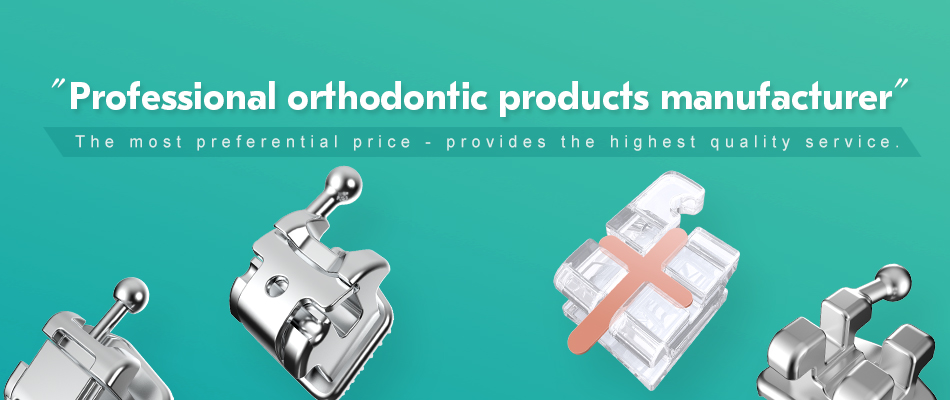

High-quality brackets, archwires, and other supplies are essential for dental clinics. The global orthodontic supplies market, valued at USD 9,189,201.00 thousand in 2024, projects a 21.85% CAGR from 2025. Selecting the right wholesale orthodontic supplies, like Metal Orthodontic Brackets or Denrotary Orthodontic Brackets, impacts treatment efficacy. Understanding what are mesh base orthodontic brackets helps. Prioritizing durable orthodontic mesh base brackets from an ISO/CE Certified Orthodontic Supplier ensures successful outcomes.
Key Takeaways
- High-quality orthodontic supplies are important for good patient care. Look for suppliers with certifications like ISO 13485, CE Marking, or FDA approval.
- Choosing the right brackets, archwires, and other tools helps move teeth correctly. Metal brackets are strong and cost less, while ceramic brackets look better.
- Good suppliers offer fair prices, ship on time, and have helpful customer service. They also have clear return policies and product warranties.
Brackets and Archwires: Core Orthodontic Components
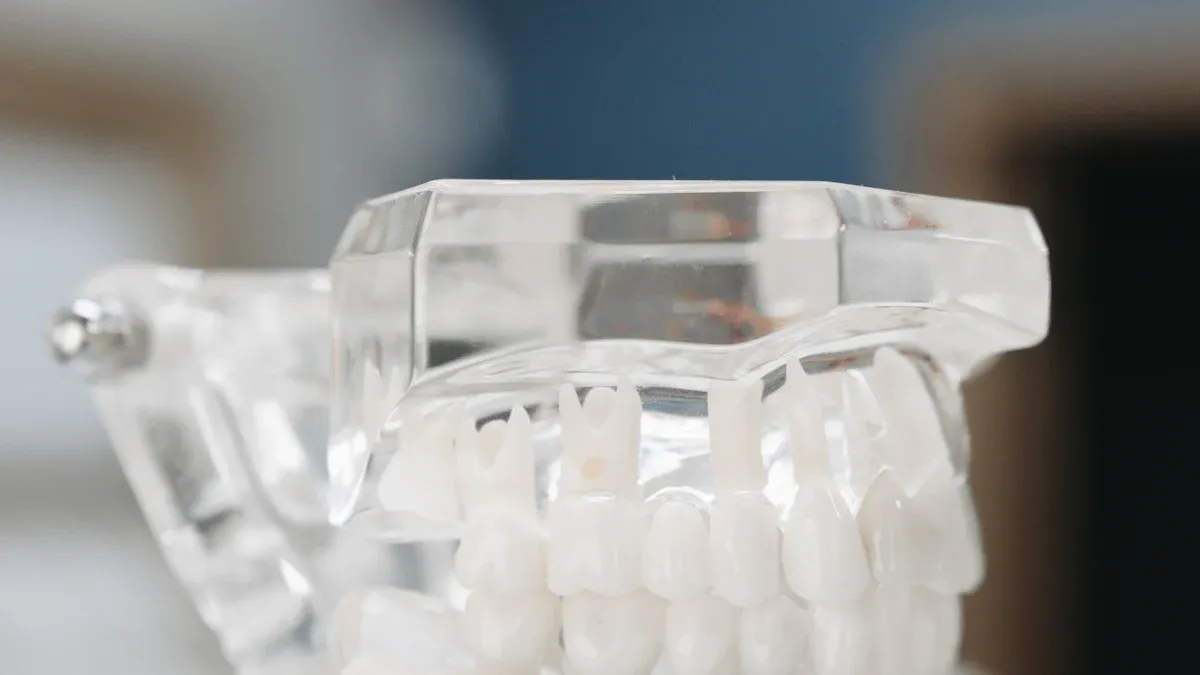
Orthodontic treatment relies heavily on brackets and archwires. These components work together to guide teeth into their correct positions. Dental clinics have several options when choosing these essential supplies.
Types of Orthodontic Brackets
Clinics can select from various bracket types, each with unique features. Here is a look at some common options:
| Type of Bracket | Advantages | Disadvantages |
|---|---|---|
| Metal Brackets | Most common and cost-effective. Highly durable and effective for complex cases. | Most noticeable due to metallic appearance. Can cause irritation to soft tissues. |
| Ceramic Brackets | Aesthetically pleasing, less noticeable than metal brackets. | More expensive, can stain easily, more brittle. |
| Lingual Brackets | Placed on the inside of teeth, virtually invisible. | Most expensive, can be uncomfortable, harder to clean. |
| Self-Ligating Brackets | Do not require elastic ties, potentially shortening treatment time. | Can be more expensive than traditional metal brackets. |
Metal Orthodontic Brackets and Their Advantages
Metal Orthodontic Brackets remain a popular choice for many reasons. They offer long-lasting results, ensuring teeth maintain their new positions with proper retainer use. These brackets have a proven track record of safety and effectiveness. Unlike removable aligners, Metal Orthodontic Brackets work continuously, providing consistent progress without patient compliance worries. They also improve oral health by making brushing and flossing easier, which reduces the risk of cavities. Furthermore, Metal Orthodontic Brackets can alleviate jaw pain by realigning teeth and improving jaw function. They are reliable, versatile for almost any patient, and generally more cost-effective than other options.
Archwire Materials and Properties
Archwires apply the necessary force to move teeth. Nickel-titanium wires are a common choice due to their unique properties. They exhibit a shape memory effect, returning to a predetermined shape even after significant deformation. These wires also show superelasticity, allowing them to deform substantially and then return to their original form without permanent damage. Nickel-titanium wires are biocompatible and corrosion-resistant. Other options include stainless-steel wires, known for their strength and affordability, and beta-titanium wires, which offer a balance between stiffness and flexibility.
Selecting Optimal Brackets and Archwires
Choosing the right brackets and archwires involves several considerations. Aesthetics play a role; some patients prefer less noticeable options like ceramic or sapphire brackets. Comfort and durability are also important, especially for younger patients who benefit from strong Metal Orthodontic Brackets. Cost and affordability often influence decisions. Treatment speed and efficiency are key, with self-ligating brackets potentially reducing treatment duration. Clinics also consider hygiene and maintenance, as some materials require more diligent cleaning. Finally, patient-specific needs, such as age or health conditions, guide the selection process. For archwires, professionals consider properties like resilience, modulus of elasticity, and elastic limit, along with the specific treatment phase.
Orthodontic Bands and Adhesives: Secure Bonding Solutions
Orthodontic treatment relies on secure bonding. Bands and adhesives play a crucial role in keeping appliances firmly in place. They ensure effective tooth movement throughout the treatment process.
Molar Bands for Anchorage
Molar bands are essential for anchorage in orthodontic treatment. These thin, circular metal rings are cemented around the back molar teeth. They provide a stable base for buccal tubes, which allow the dental archwire to pass through. This tube holds the archwire, transmitting orthodontic force to the molars and controlling their movement. Molar bands are custom-shaped and firmly hold brackets and other orthodontic appliances like expanders. Clinics often prefer bands when regular bonded brackets might break off, especially on teeth with restorations. Molars are ideal for holding appliances because they are strong and withstand heavy chewing forces.
Types of Orthodontic Adhesives
Orthodontic adhesives are vital for bonding brackets to teeth. They come in various types, each with specific properties. Based on modern adhesive strategies, clinics use etch-and-rinse, self-etch, resin-modified glass-ionomer, and universal or multi-mode adhesives. Universal adhesives offer flexibility, working as either etch-and-rinse or self-etch systems. Adhesives also classify by generation, from 1st to 8th generation. Newer generations, like 6th, 7th, and 8th generation, often feature self-etch technology, simplifying the bonding process.
Application and Curing Techniques
Proper application of adhesives ensures strong bonds. First, clinics clean and prepare the tooth surface for optimal bonding. Then, they apply a small amount of adhesive to the base of the bracket or appliance. Next, they carefully position the bracket on the tooth surface. Removing any excess adhesive and ensuring proper alignment is important. Finally, for light-cured adhesives, they cure the adhesive using a light source. This step hardens the adhesive, creating a secure bond.
Debonding and Adhesive Removal
At the end of treatment, clinics must safely remove brackets and residual adhesive. Various methods exist for debonding. Er:YAG lasers are considered optimal. They efficiently remove residual adhesive without altering the tooth’s micro/macrostructure. However, precautions are necessary due to heat. Other methods include direct flame, mechanical grinding, and air abrasion (sandblasting). These methods are suitable and achieve clinically acceptable bond strength values if re-bonding is needed. For example, some clinics might use sandblasting to prepare the tooth surface after removing Metal Orthodontic Brackets.
Ligatures and Elastics: Guiding Tooth Movement
Ligatures and elastics are small but mighty tools in orthodontics. They work with brackets and archwires to move teeth precisely. These components help guide teeth into their correct positions.
Ligature Types and Materials
Clinics use various ligatures to secure archwires to brackets. Heat-treated stainless steel ligatures are strong wires. They range from 0.008 to 0.014 inches thick. These ligatures provide a firm connection but can create friction. Elastomeric ligatures are rubber bands. They come in many shapes, sizes, and colors. Some are loose, sold individually. This offers flexibility. Others come pre-connected, making them faster to apply. Beyond these, clinics use different methods to secure wires. Self-ligation uses special brackets that hold the wire. Elastic ligation uses colored rubber bands. Patients often enjoy choosing these fun colors. Metal ligation uses steel ties. This method often feels like “tightening” the braces.
Intermaxillary Elastics for Force Application
Intermaxillary elastics apply force to move teeth. Orthodontists must carefully choose the right amount of force. Too much force can harm teeth. Too little force will not move them. These elastics work with braces or clear aligners. They help correct bite problems, like sagittal, vertical, and transverse issues. With aligners, elastics connect to precision cuts, bonded buttons, or resin hooks. This depends on the treatment plan. The elastic’s size and strength determine the force. Smaller, stronger elastics often create more direct effects. They can even cause the jaw’s position to rotate.
Patient Compliance and Elastic Usage
Patients must wear their elastics consistently for treatment to work. Orthodontists use several strategies to help. They encourage habit stacking. For example, patients can place elastics next to their toothbrush. Motivation is also key. Orthodontists give positive feedback and celebrate milestones. They involve patients in setting goals. Accountability systems help too. Patients can report their progress through apps. Text reminders also improve compliance. Clear instructions and regular follow-ups are crucial.
Comfort and Aesthetic Options
Patients often appreciate choices that make their orthodontic journey more comfortable or visually appealing. Elastic ligatures come in many colors. This allows patients to personalize their braces. They can choose colors that match their style or celebrate holidays. This small touch can make the experience more enjoyable.
Essential Orthodontic Instruments: Precision Tools
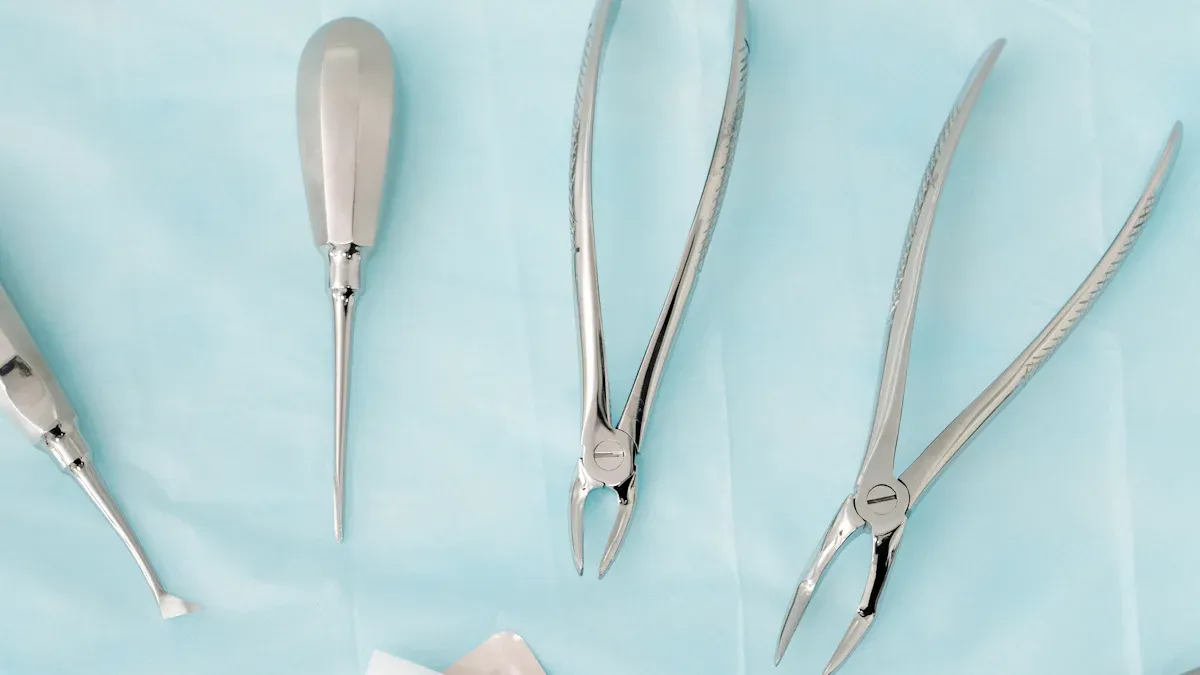
Orthodontic treatment requires specialized instruments. These tools allow orthodontists to work with precision. They help manipulate wires, place brackets, and ensure patient safety.
Pliers and Cutters for Wire Manipulation
Orthodontists use various pliers and cutters to shape and adjust archwires. These tools are crucial for effective treatment.
- Dental Wire Cutter Pliers help cut, adjust, and remove dental wires.
- Distal End Cutters trim the rear ends of orthodontic wires. They often hold the cut segment.
- Ligature Cutters specialize in cutting fine wires or elastics. These secure archwires to braces.
- Hard Wire Cutters are heavy-duty pliers. They cut thicker wires used in appliances like space maintainers.
Examination Probes and Explorers
Examination probes and explorers help orthodontists check teeth and appliances. They allow for detailed inspection of bracket placement and tooth surfaces. These tools ensure everything is in the correct position and functioning properly.
Band Removers and Bracket Placement Tools
Specialized tools make placing and removing orthodontic appliances easier. Band removers gently take off molar bands without harming the tooth. Bracket placement tools help position brackets accurately on each tooth. This precision is vital for effective tooth movement.
Instrument Sterilization and Maintenance
Patient safety is a top priority in orthodontics. Proper sterilization of instruments prevents infections. The Centers for Disease Control and Prevention (CDC) provides guidelines for infection control. These guidelines are the standard for instrument reprocessing.
| Instrument Category | Examples in Orthodontics | Sterilization/Disinfection Method |
|---|---|---|
| Critical Items | Scalers, explorers | Cleaned and heat sterilized, packaged before sterilization. |
| Semicritical Items | Orthodontic pliers, cheek retractors | Cleaned and heat sterilized. If heat-sensitive, clean with FDA-cleared sterilant/high-level disinfectant. |
| Noncritical Items | Curing lights, exam lights | Cleaned and disinfected with low- to intermediate-level disinfectant, or used with a removable barrier. |
Sterilization destroys all microorganisms, including bacterial spores. Disinfection destroys most harmful microorganisms but not all. Disinfection is suitable only for noncritical items. Autoclaves are highly recommended for efficiency and safety. They reduce errors compared to using multiple sterilization systems. Infection control is very important in dentistry. The mouth has many bacteria, and orthodontists use many appliances. Existing sterilization methods effectively fight microorganisms in a typical orthodontic setting.
Sterilization and Infection Control Supplies: Patient Safety
Patient safety is paramount in any dental clinic. Proper sterilization and infection control practices protect both patients and staff. Clinics rely on specific supplies to maintain a sterile environment.
Autoclave Pouches and Sterilization Wraps
Clinics use special pouches and wraps to prepare instruments for sterilization. These items keep instruments sterile after processing. Different types serve various needs:
- Self-Sealing Sterilization Pouches: These pouches have an adhesive strip for quick, secure closure. Dental offices and smaller clinics often use them.
- Heat-Sealed Sterilization Pouches: These require a separate heat-sealing device for a stronger seal. Larger hospitals often prefer them.
- Gusseted Sterilization Pouches: These pouches have expandable sides. They fit larger or oddly shaped items, like instrument kits.
- Dual-Layer Sterilization Pouches: These pouches feature two layers, usually paper and plastic film. They offer better contamination protection and clear visibility of contents.
Disinfectants and Surface Cleaners
Disinfectants and surface cleaners are crucial for maintaining a clean clinic. Staff use approved disinfectants to clean surfaces between patients. They follow proper contact times to ensure effectiveness. Regular cleaning schedules help keep the environment safe.
Personal Protective Equipment (PPE)
Personal Protective Equipment (PPE) protects staff from exposure to pathogens. This includes gloves, masks, face shields, and gowns. Staff wear PPE as required and change it between patients. They also dispose of PPE correctly.
Best Practices for Infection Control
Following best practices ensures a safe environment for everyone. These practices cover many areas:
- Hand Hygiene: Staff wash hands before and after every patient interaction. They also use alcohol-based hand rubs.
- Personal Protective Equipment (PPE): Staff wear appropriate PPE and change it between patients.
- Instrument Cleaning Before Sterilization: Staff immediately remove visible debris from instruments. They use ultrasonic cleaners or instrument washers.
- Sterilization Cycle Monitoring and Validation: Clinics routinely use biological and chemical indicators for every sterilization load.
- Environmental Cleaning and Surface Disinfection: Staff use approved disinfectants and clean surfaces between every patient.
- Staff Training and Ongoing Education: Clinics provide infection control education during onboarding and annual refresher training.
- Documentation and Traceability: Clinics maintain records for sterilization cycles, indicator results, and staff training.
Patient Care and Education Supplies: Enhancing Experience
Providing patients with the right care and education supplies makes their orthodontic journey much smoother. These items help manage discomfort, maintain oral hygiene, and ensure successful treatment outcomes. Clinics often offer these supplies to improve the patient experience.
Orthodontic Wax and Comfort Aids
Orthodontic wax is a simple yet effective aid. It creates a barrier between braces and the inside of the mouth. This barrier reduces friction and irritation, especially during the initial adjustment period. It also helps keep food particles from getting trapped around braces, which aids in oral hygiene. Other comfort aids include aligner setters, specialist toothbrushes (like those with a v-trim profile), interdental brushes, and alcohol-free mouthwash. Patients also appreciate cleaning products for aligners or retainers, along with retainer boxes and aligner cases.
Oral Hygiene Kits for Braces
Patients with braces need special tools to keep their teeth clean. Clinics often provide oral hygiene kits. These kits typically include a travel toothbrush, toothpaste, and floss threaders. An interproximal brush is also essential for cleaning between wires and brackets. Many kits also contain orthodontic wax and a small mirror. Some kits might offer an antimicrobial or fluoride mouth rinse to help strengthen enamel and rinse away debris. These items help patients maintain good oral health throughout their treatment.
Educational Materials for Home Care
Educating patients about home care is crucial. Clinics use various methods to teach patients how to care for their appliances. They provide consistent communication and age-appropriate graphics. Motivational posters and printed educational materials also help. Patients learn to brush with a soft-bristled or electric toothbrush and fluoride toothpaste at least twice daily. They focus on all tooth surfaces, especially around wires and brackets. Special tools like interdental toothbrushes help clean tiny spaces under wires.
Retainer Cases and Cleaning Supplies
After braces come off, retainers keep teeth in their new positions. Patients need proper retainer cases to protect their appliances when not in use. Cleaning supplies, such as cleaning tablets or gentle gels, help keep retainers hygienic. These items ensure the long-term success of orthodontic treatment.
Key Factors for Choosing a Wholesale Supplier
Choosing the right wholesale supplier for orthodontic supplies is a big decision for any dental clinic. It directly impacts patient care, operational efficiency, and your clinic’s bottom line. Clinics look for several key factors when they select a partner. These factors include the supplier’s experience, their ability to customize products, and their production capabilities. They also consider effective communication and customer service. Finding a balance between cost-effectiveness and quality is also very important. Suppliers who invest in research and development often produce better, more durable products. This can reduce long-term costs by minimizing complications and replacements.
Product Quality and Certifications
Product quality stands as a top priority. High-quality materials ensure effective treatment and patient safety. Clinics should always look for suppliers who offer products with proper certifications. These certifications show a commitment to high standards.
- ISO 13485: This is a global standard for quality management systems in medical devices. It ensures manufacturers meet strict requirements for product safety, reliability, and performance. This certification shows a commitment to high-quality materials that follow international rules.
- CE Marking: This mark is mandatory for orthodontic materials sold in the European Economic Area (EEA). It means a product meets the health, safety, and environmental protection standards of the European Union. Manufacturers must do rigorous testing and documentation to get it. This helps them access the market and assures compliance with European rules.
- FDA Approval: In the United States, the Food and Drug Administration (FDA) oversees the approval of orthodontic materials. This approval confirms a product is safe and effective for its intended use. Manufacturers must provide detailed evidence, including clinical data and laboratory testing results. This is essential for gaining trust among U.S. consumers and healthcare providers.
Tip: Always verify a supplier’s certifications. This step protects your patients and your practice.
Competitive Pricing and Bulk Discounts
Cost-effectiveness is another crucial factor. Clinics want to get the best value for their money without sacrificing quality. Many suppliers offer competitive pricing, especially for bulk orders. Buying in larger quantities often leads to significant savings. Clinics should consider the long-term value, including bulk discounts, subscription plans, or loyalty rewards. This approach makes buying in bulk more cost-effective. It helps manage inventory and reduces frequent reordering.
Customer Service and Technical Support
Excellent customer service and reliable technical support are essential. A good supplier provides clear communication and timely assistance. They help clinics with any issues that arise. This includes questions about products, orders, or technical problems. Suppliers should offer support through various channels, like phone, email, or online chat. This ensures a positive experience and quick resolution of any concerns.
Reliable Shipping and Inventory Management
Timely delivery of supplies is critical for a smooth-running clinic. Delays can disrupt patient appointments and treatment plans. Clinics need a supplier with reliable shipping and efficient inventory management. Most orders ship out quickly. For example, My DDS Supply typically ships most orders within 1 business day from Southern California. They also offer expedited shipping with prior approval. Medkraft Orthodontics states their standard delivery time for all orders is 5-7 business days, though this can vary based on order size. Most of their orders ship within 1-2 business days. Bestodental, an orthodontics lab from China, has a production lead time of normally 7 working days. This lead time can vary depending on the order volume and the type of product. They offer international shipping with secure packing and timely logistics services. Reliable and fast delivery options prevent interruptions and ensure a timely supply of essential items.
Return Policies and Warranty Information
Clear return policies and comprehensive warranty information give clinics peace of mind. They protect clinics from defective products or unexpected issues. Suppliers should have transparent policies for returns, especially for items that do not meet quality standards.
| Policy Aspect | Details |
|---|---|
| Return Window for Defective Products | 10 days from purchase |
| Action for Defective Products | Replacement only; same model provided at no additional cost if defect is determined within the return window |
| Troubleshooting | May involve online tools, phone support, or technical team calls to resolve product issues |
| Products Not Eligible for Return | Products directly used on patients, such as MRC/Orthodontic trainers, water flossers, chin caps, headgear, face masks, or other myofunctional appliances |
| Conditions for Return | Product must be complete with all accessories and freebies, unused, unwashed, unsoiled, without stains, and with non-tampered quality/warranty seals. Product and original packaging must be undamaged, without scratches, dents, tears, or holes. |
| Refunds | Processed if the manufacturer is unable to provide a replacement for any reason. |
| Rectification Costs | Applicable if rectification is frequently required, as per terms and conditions. |
Warranties on instruments and appliances are also very important. For example, Hunza Dental offers a 3-year warranty for their orthodontic instruments. This warranty covers breakage, rust, or damage that occurs during proper and intended use. ROE Dental Laboratory provides a six-month warranty against defects for short-term appliances, which includes orthodontic appliances. This warranty period is effective from the date of the invoice. Clinics should understand these terms before making a purchase. This ensures they are covered if a product fails or has defects.
Strategic procurement of wholesale orthodontic supplies is vital for clinic efficiency and patient satisfaction. Investing in high-quality materials, like BPA-free aligners, ensures faster, more effective treatments and builds patient trust. Regularly evaluating supply needs optimizes practice resources. This helps streamline ordering and reduces waste, ultimately enhancing patient care and overall performance.
FAQ
How do clinics ensure the quality of wholesale orthodontic supplies?
Clinics ensure quality by choosing suppliers with proper certifications. Look for ISO 13485, CE Marking, or FDA approval. These guarantee product safety and effectiveness.
Can buying in bulk save my clinic money on supplies?
Yes, buying in bulk often leads to significant savings. Many suppliers offer competitive pricing and discounts for larger orders. This helps manage costs effectively.
What makes a good wholesale supplier for orthodontic products?
A good supplier offers reliable shipping, excellent customer service, and clear return policies. They also provide technical support and product warranties.
Post time: Jan-24-2026