


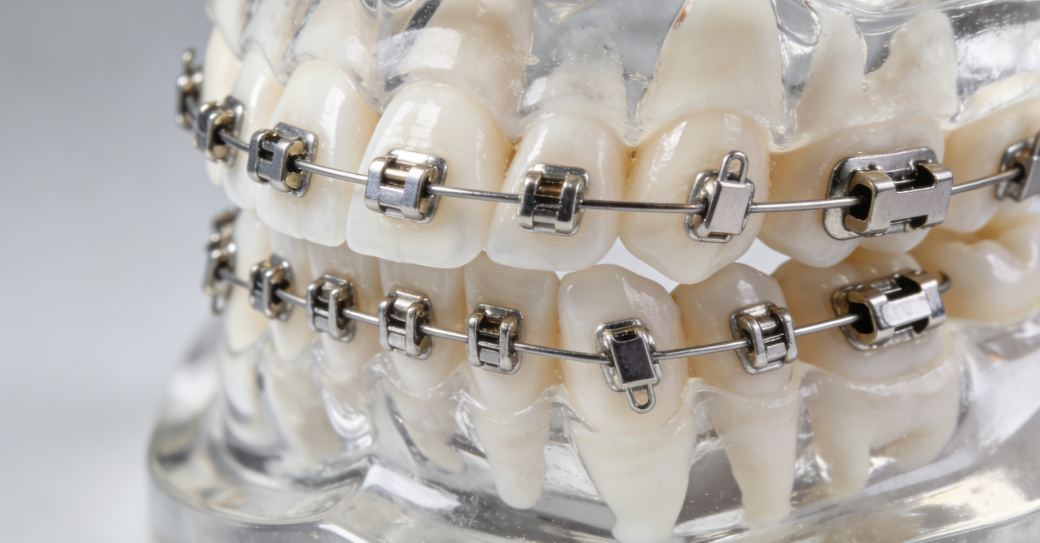
Achieving one’s best smile requires diligent care for Orthodontic Brackets. Patients can prevent complications and discomfort throughout their treatment journey. Understanding the commitment required ensures a successful orthodontic outcome. Orthodontic treatment often spans 18 to 36 months, a period where diligent attention to oral hygiene is paramount. This commitment applies whether individuals use traditional braces, Self Ligating Brackets, or Denrotary Orthodontic Brackets. The global nature of the dental industry, reflected in the China dental industry ranking, also influences product availability and cost considerations, such as How much can I save by sourcing brackets from China?
Key Takeaways
- Brush your teeth after every meal. Use a soft toothbrush and fluoride toothpaste. This keeps your braces clean.
- Floss daily around your braces. Use special tools like floss threaders or a water flosser. This removes food and plaque.
- Avoid hard, sticky, and chewy foods. These foods can damage your braces. Eat soft foods instead.
- Visit your orthodontist regularly. They check your progress and make adjustments. This helps your treatment work well.
- Wear your retainer after braces. This stops your teeth from moving back. It keeps your new smile straight.
Daily Care for Your Orthodontic Brackets
Maintaining excellent oral hygiene is crucial for individuals undergoing orthodontic treatment. Daily care prevents complications and ensures a successful outcome. Patients must commit to a rigorous cleaning routine to keep their teeth and Orthodontic Brackets clean.
Brushing Techniques for Clean Brackets
Patients should brush their teeth after every meal or snack. This practice removes food particles and plaque. If brushing immediately is not possible, rinsing the mouth with water helps until brushing becomes feasible. A minimum routine involves brushing after breakfast and after dinner.
A soft-bristled toothbrush is essential for effective cleaning. Patients angle the toothbrush at 45 degrees towards the gum line. They brush gently around each bracket and wire. Cleaning all surfaces—outer, inner, and chewing—is important. A circular motion for at least three minutes ensures thorough cleaning, with extra time spent between braces and gums. Patients tilt the toothbrush downwards for the top of their braces and upwards for the bottom. They also use a small strip of fluoride toothpaste. For front-facing sides, they angle the brush at 45 degrees to the gum line, brushing in gentle circular motions from top to bottom and then bottom to top. For inside angles, they maintain a 45-degree angle. They brush back surfaces normally.
Flossing Effectively Around Brackets
Flossing around braces requires specialized tools and techniques. Floss threaders are useful for traditional flossing, allowing patients to weave floss through wires to clean hard-to-reach areas between teeth. Orthodontic floss has a built-in stiff end, eliminating the need for a separate threader and simplifying the cleaning process. Water flossers use a pressurized stream of water to effectively remove food particles and plaque, acting like a “power wash” for teeth and promoting gum health.
To use a floss threader, patients first thread the floss through its loop, similar to threading a needle. They then guide the stiff, pointed end of the threader under the archwire of their braces, pulling the floss along with it. Once the floss is in position, they gently slide it up and down against the sides of their teeth and under the gumline, just as they would without braces. Waxed floss is recommended for flossing with braces because it slides easily between teeth and is less likely to snag on braces, brackets, and hardware.
Essential Tools for Oral Hygiene
Several essential tools support optimal oral hygiene during orthodontic treatment. An orthodontic toothbrush features V-shaped bristles designed to clean around brackets and wires. Electric versions with orthodontic heads are also effective. Interdental brushes are small brushes that clean between teeth and around braces, especially under wires and bands. A water flosser uses a pulsating water stream to remove plaque and food from between teeth and along the gum line, effective for areas around wires and brackets. Floss threaders guide dental floss under orthodontic wires for effective flossing. Orthodontic wax prevents irritation from brackets and wires, ensuring comfort for consistent oral hygiene. A fluoride rinse strengthens enamel and prevents demineralization around brackets. Plaque disclosing tablets color plaque to highlight areas needing more thorough cleaning. A tongue scraper removes bacteria and food debris from the tongue. Antibacterial mouthwash reduces oral bacteria to help prevent gingivitis and periodontal disease. Waxed dental floss is recommended for easier use with braces, especially when paired with a floss threader.
Dietary Choices to Protect Orthodontic Brackets
Proper dietary choices significantly impact the success and comfort of orthodontic treatment. Patients must carefully select foods to prevent damage to their Orthodontic Brackets and maintain oral health.
Foods to Avoid with Braces
Certain foods pose a risk to Orthodontic Brackets and wires. Patients should avoid hard, sticky, and chewy items. Hard foods like boiled candy, nuts, popcorn, and crusty bread can break brackets or bend wires. Chewing on ice cubes also causes damage. Sticky foods, including caramel, taffy, and gummy bears, cling to braces and can pull off brackets. Chewy foods such as beef jerky, chewy candy bars, and dried fruit require excessive chewing, which can loosen components. Popcorn hulls often get stuck under braces, leading to gum inflammation. Acidic beverages like sodas and sports drinks erode enamel and cause white spots. Patients should cut hard fruits and vegetables, such as apples and raw carrots, into small pieces before consumption.
Brace-Friendly Food Options
Patients can enjoy many soft, nutrient-rich foods during orthodontic treatment. Soft grain bowls with quinoa or rice, steamed vegetables, and tender proteins make excellent meals. Pasta with nutrient-dense sauces, incorporating blended vegetables and ground meats, provides a good option. Cold foods like frozen fruit smoothies, cold soups, and chilled yogurt offer comfort, especially after adjustments. Other suitable choices include scrambled eggs, soft cheeses, mashed avocado, and slow-cooked meats or fish. Soft fruits such as bananas and berries are also beneficial. These foods minimize stress on the brackets and support overall health.
Hydration for Oral Health
Adequate hydration is crucial for oral health with braces. Water maintains saliva production, which neutralizes acids and prevents dry mouth. Saliva also helps clean the mouth, reducing the risk of tooth decay and gum disease. Drinking water rinses away food particles and bacteria that accumulate around brackets and wires. This action lowers plaque buildup. Water also helps keep lips, cheeks, and gums hydrated, reducing irritation from orthodontic appliances. Choosing water over sugary drinks protects enamel from erosion and staining. Proper hydration supports a comfortable and successful orthodontic journey.
Managing Common Issues with Orthodontic Brackets
Patients undergoing orthodontic treatment may encounter various issues. Understanding how to manage these common problems effectively helps ensure a smoother treatment journey and protects the integrity of their Orthodontic Brackets. Prompt attention to these concerns minimizes discomfort and prevents potential complications.
Dealing with Discomfort and Soreness
Initial discomfort and soreness are normal experiences after receiving braces or following adjustments. The teeth and gums adapt to new pressures. Patients can employ several strategies to alleviate this temporary pain. Gently massaging the gums with fingers can soothe sore areas. Over-the-counter pain relievers, such as ibuprofen or acetaminophen, effectively reduce inflammation and discomfort. Patients should always follow the dosage instructions on the packaging.
A warm saltwater rinse provides significant relief. Patients can mix a teaspoon of salt in a glass of warm, cooled boiled water and swish it for 60 seconds. This practice helps heal cuts and sores, reduces pain, and speeds up wound healing. Applying ice directly to a sore area in the mouth or consuming cold foods like ice cream can numb pain and reduce inflammation. Alternatively, a warm, wet, used peppermint tea bag held against the affected area can reduce soreness due to its remedial properties. Applying a heating pad or warm washcloth to the jaw area also offers relief. Patients should prioritize soft foods like soups, smoothies, mashed potatoes, and yogurt to avoid pressure on sensitive teeth and gums, especially after adjustments. Maintaining excellent oral hygiene, including gentle brushing and flossing, prevents irritation and aids healing.
Addressing Loose Wires or Brackets
Loose wires or brackets can occur during orthodontic treatment. Several factors contribute to these issues. Eating hard, sticky, or chewy foods is the most common cause. Items like nuts, popcorn, hard candies, caramel, and even biting into whole apples or corn on the cob can exert excessive force. Other causes include traumatic mouth injuries, such as those sustained during sports, or bad habits like nail-biting or chewing on pens. Aggressive brushing or flossing techniques can also contribute to loosening. Sometimes, low bond strength during the initial placement, possibly due to saliva contamination, causes a bracket to loosen early in treatment.
When a wire becomes loose or a bracket detaches, patients should assess the situation calmly. They can use a mirror to examine the braces. If a bracket is loose but still attached to the wire, they can gently push it back into position with a clean finger. Applying orthodontic wax around it temporarily holds it and reduces irritation. If a wire pokes the cheek or gum, patients can use the eraser end of a pencil to gently push it into a more comfortable position. Alternatively, they can apply orthodontic wax to the wire’s end to prevent irritation. If a wire has popped out, carefully repositioning it with a cotton swab or tweezers, without forcing it, may help. For significant discomfort from a poking wire that cannot be repositioned, carefully trimming it with clean, sharp scissors or nail clippers can provide temporary relief, but patients should exercise extreme caution and avoid cutting too close to the braces. Always contact the orthodontist promptly for a repair appointment.
Preventing Mouth Sores and Irritation
Mouth sores and irritation from braces are common but preventable. Orthodontic wax is an essential tool for prevention. Patients can apply a small piece of wax to any bracket or wire that rubs against their cheeks, lips, or tongue, creating a smooth barrier. Regular adjustments by the orthodontist also play a crucial role by minimizing sharp edges and ensuring appliances fit well.
Maintaining good oral hygiene through careful brushing and rinsing helps prevent irritation. Patients should use a soft-bristled toothbrush. Avoiding acidic and spicy foods can prevent existing sores from worsening. Staying well-hydrated by drinking plenty of water keeps the mouth moist, which reduces irritation and aids healing. Dryness increases the risk of sores. Some patients find silicone covers for brackets helpful, ensuring the metal is dry before application. Managing stress through activities like meditation or exercise can also contribute to overall oral health. Additionally, a nutrient-rich diet, including foods high in vitamin B12, iron, and folic acid, supports oral tissue health. Using an SLS-free toothpaste can also reduce irritation for sensitive individuals.
Adhering to Professional Guidance for Orthodontic Brackets
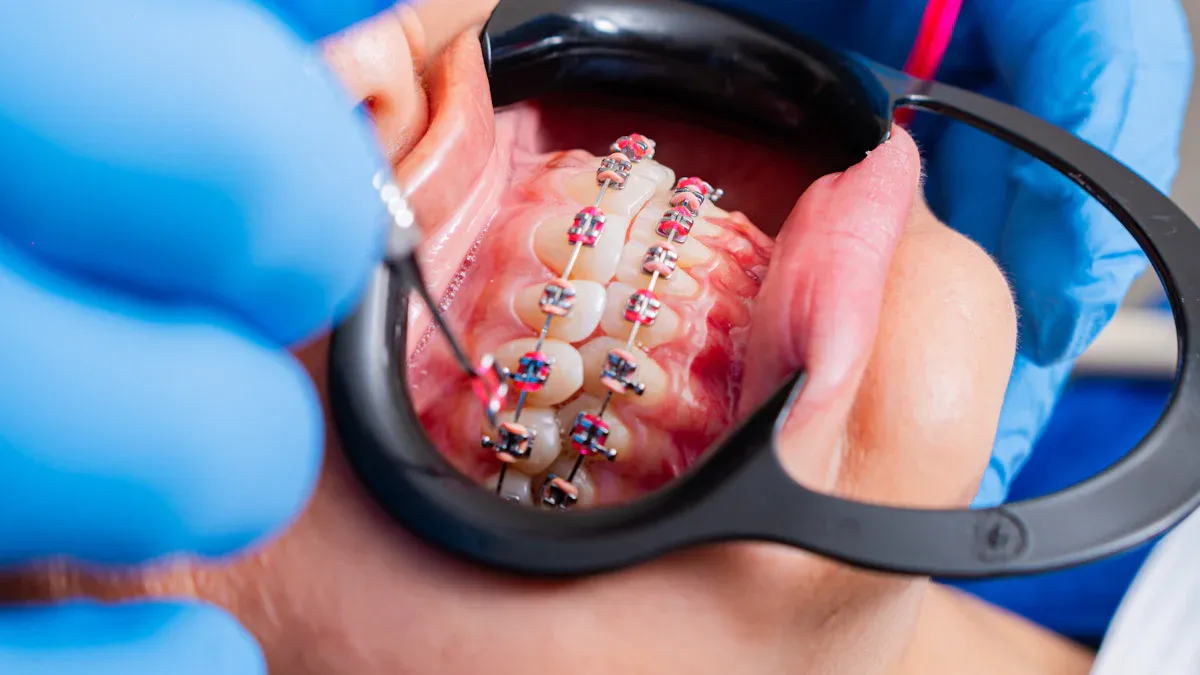
Successful orthodontic treatment relies heavily on consistent adherence to professional guidance. Patients must actively participate in their care. This commitment ensures the best possible outcome for their smile.
Importance of Regular Orthodontist Visits
Regular orthodontist visits are crucial for successful treatment. These appointments allow the orthodontist to monitor progress and make necessary adjustments. Patients with traditional braces typically visit every 4 to 6 weeks. Those using clear aligners may have appointments every 6 to 10 weeks. Missing these scheduled visits can significantly extend treatment time. For example, treatment length can increase from 17.3 months to 20 months for patients who miss one or more appointments. Skipping appointments also leads to a lack of progress in tooth movement. It can cause plaque accumulation, leading to tooth decay and gum problems. Regular check-ups help identify potential oral health concerns early.
Following Specific Instructions
Orthodontists provide specific instructions to guide patients through their treatment. Patients must follow these guidelines diligently. Instructions often include maintaining a strict oral hygiene routine. This involves brushing at least twice daily and flossing once a day. Patients learn to manage discomfort with over-the-counter pain relievers or orthodontic wax. They receive guidance on dietary choices, avoiding hard, sticky, or crunchy foods. These foods can damage Orthodontic Brackets or wires. Patients also learn emergency care procedures for loose brackets or poking wires. Adhering to these instructions protects the appliances and ensures effective treatment.
Understanding Your Treatment Plan
A comprehensive treatment plan outlines the entire orthodontic journey. This plan begins with an initial assessment, including physical examinations and X-rays. The orthodontist then provides a diagnosis based on these findings. Treatment planning involves discussing various care options and addressing patient concerns. Financial planning also occurs, covering costs, insurance, and payment plans. The plan details regular monitoring and adjustment schedules. Finally, it includes completion and retention phases, outlining post-treatment care like retainer use. Understanding each component helps patients commit to their treatment.
Long-Term Success with Orthodontic Brackets
Achieving a perfect smile with Orthodontic Brackets requires dedication throughout treatment and beyond. Patients must adopt practices that protect their appliances and maintain their results for years to come.
Safeguarding Braces During Activities
Athletes with braces must prioritize protection during sports. A mouthguard is essential for every practice and competition. It cushions between braces and the mouth, reducing cuts, broken brackets, and bent wires. Orthodontic mouthguards are specifically designed for braces, offering extra space and strong protection while allowing teeth to move. Without proper mouthguard protection, athletes face risks like broken or dislodged wires, cut cheeks, and tooth damage, including shifts and misalignment. Studies show significantly lower rates of dental injuries for mouthguard users. A 2007 meta-analysis indicated that not using a mouthguard increases the risk of orofacial complex injury by 60 to 90%. For high-contact sports, helmets with full-face shields are also recommended.
Avoiding Habits That Damage Brackets
Certain habits can severely damage Orthodontic Brackets and prolong treatment. Patients must avoid sticky foods like chewing gum, caramel, and taffy, which can bend or break wires. Hard foods such as nuts, hard candy, and ice also pose a significant risk, potentially breaking brackets. Biting hard objects like pens, pencils, or even ice can fracture teeth and damage appliances. Nail biting can bend wires, break brackets, and wear down tooth enamel. These habits can lead to chipped teeth, root fractures, and increased risk of cuts to the lips and inside of the mouth.
Post-Treatment Retainer Use
After orthodontic treatment, retainers are crucial for maintaining the new smile. Teeth naturally want to shift back to their original positions. Not wearing a retainer can lead to tooth crowding, bite misalignment, and aesthetic concerns. Significant shifting might necessitate undergoing braces or aligners again, which is both time-consuming and expensive. Retainers also prevent oral hygiene challenges, as misaligned teeth create areas difficult to clean. Patients have several retainer options, including the Hawley retainer with its metal wire and plastic plate, or the clear, removable Essix retainer. Fixed retainers, bonded to the back of the teeth, offer a permanent solution, though they require diligent cleaning.
Consistent care is essential for a rewarding orthodontic journey. Patients achieve their best results through diligent attention to daily hygiene and dietary choices. This diligence ensures a beautiful, healthy smile.
- Embrace a continued commitment to oral health. This provides lasting benefits.
A successful orthodontic outcome extends beyond treatment completion, requiring ongoing dedication.
FAQ
What foods should patients avoid with orthodontic brackets?
Patients should avoid hard, sticky, and chewy foods. Hard items like nuts and popcorn can break brackets. Sticky candies such as caramel can pull off appliances. Chewy foods like beef jerky can loosen wires. These foods risk damaging the orthodontic appliances.
How can patients manage discomfort from new braces or adjustments?
Patients can manage discomfort with over-the-counter pain relievers. Warm saltwater rinses also soothe sore areas. Eating soft foods minimizes pressure on sensitive teeth. Applying orthodontic wax to irritating spots provides relief. These methods help ease temporary soreness.
What essential tools help maintain oral hygiene with braces?
Essential tools include an orthodontic toothbrush and interdental brushes. A water flosser effectively cleans around brackets and wires. Floss threaders assist with traditional flossing. Orthodontic wax prevents irritation. A fluoride rinse strengthens enamel.
Why is retainer use crucial after orthodontic treatment?
Retainer use is crucial because teeth naturally want to shift back. Not wearing a retainer can lead to tooth crowding and bite misalignment. This might necessitate re-treatment with braces. Retainers ensure the long-term stability of the new smile.
Post time: Dec-30-2025