
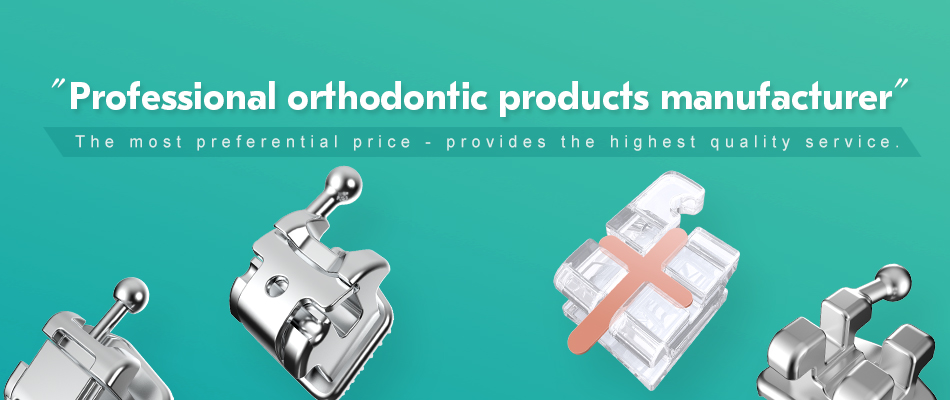

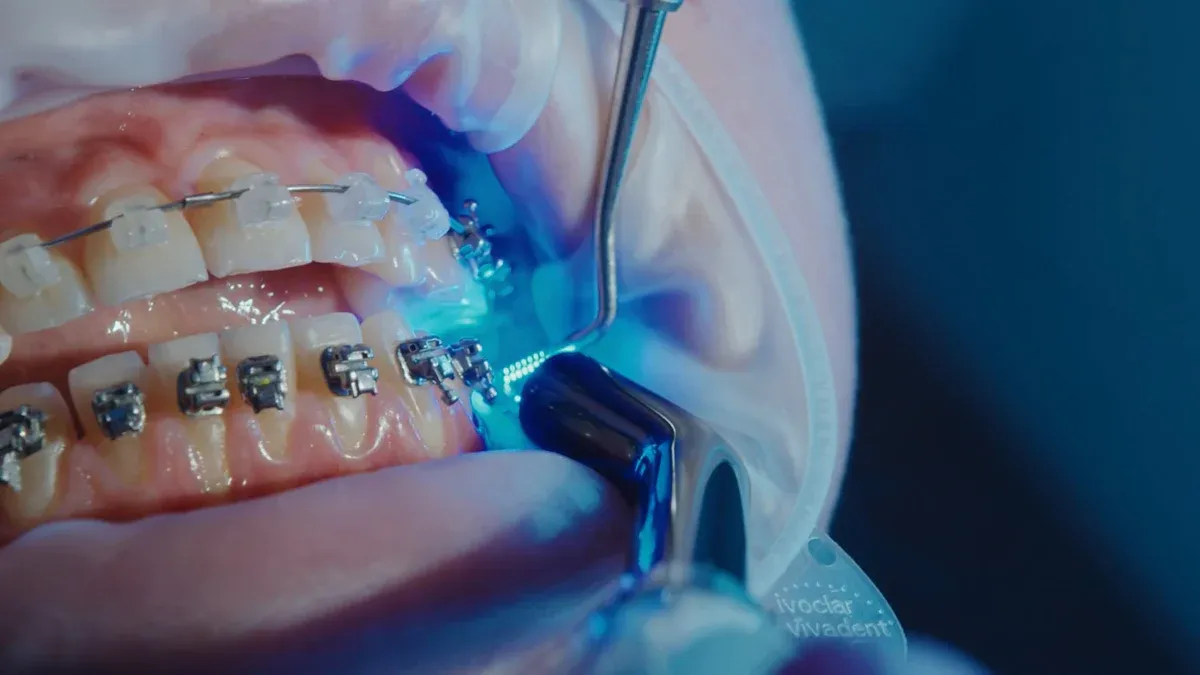
Selecting the right arch wire types is crucial for successful orthodontic treatment involving orthodontic brackets. The choice of these arch wire types directly influences treatment outcomes and patient comfort. Research shows that while heat-activated Niti superelastic archwires and multistrand stainless steel wires may perform similarly, patient comfort remains a priority. Factors such as patient age, compliance, and specific orthodontic mechanics play a significant role in wire selection tips. Understanding these elements helps practitioners make informed decisions that enhance both efficacy and comfort throughout the treatment journey.
Key Takeaways
- Selecting the right arch wire is crucial for effective orthodontic treatment and patient comfort.
- Nickel-titanium wires are ideal for initial alignment due to their gentle forces and flexibility.
- Stainless steel wires provide strength and durability, making them suitable for later treatment stages.
- Patient age and compliance significantly influence the choice of arch wire; younger patients may need more flexible options.
- Regular monitoring and adjustments of arch wires enhance treatment outcomes and patient satisfaction.
Types of Arch Wires
Stainless Steel Wires
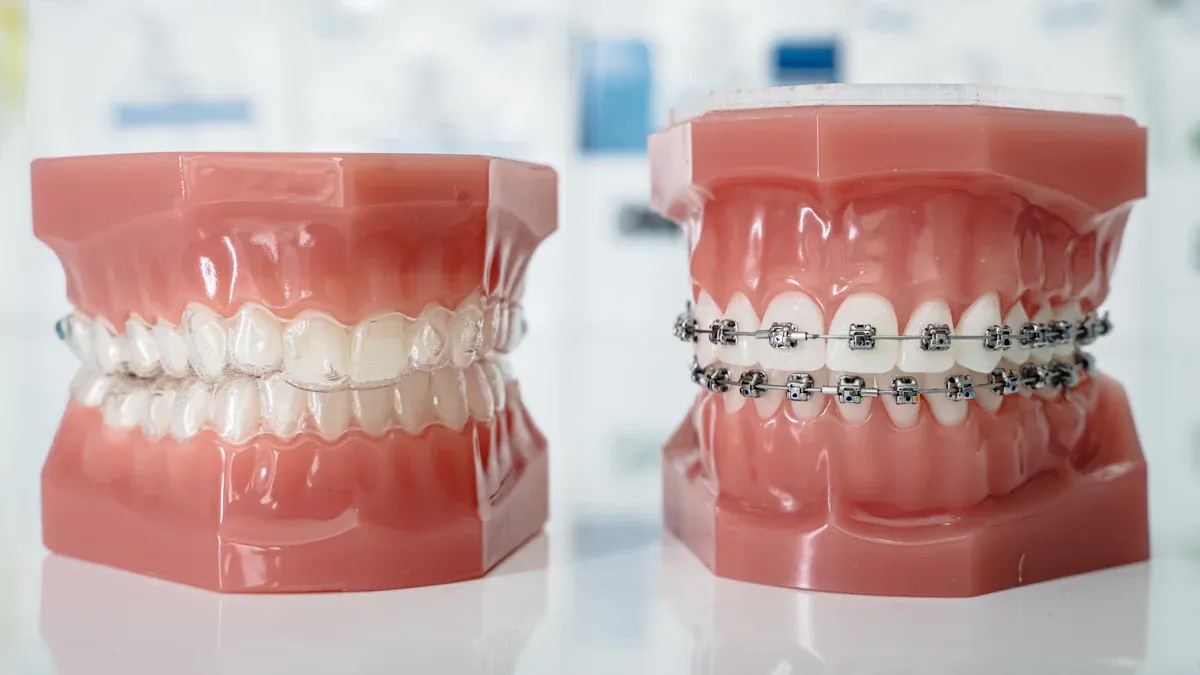
Stainless steel wires are among the most commonly used arch wires in orthodontic practice. Their popularity stems from several mechanical properties and clinical advantages:
- Mechanical Properties:
- High ultimate tensile strength ensures durability under stress.
- High yield strength prevents permanent deformation during activation.
- Modulus of elasticity around 200 GPa provides high stiffness and predictable force delivery.
- Smooth surface reduces friction during sliding mechanics.
- Low spring-back ensures accurate tooth movement and torque control.
- Clinical Advantages:
- Cost-effective compared to advanced materials.
- Long-standing clinical reliability and versatility.
- Generally well-tolerated with minimal allergenic potential.
These characteristics make stainless steel wires a reliable choice for various orthodontic applications, especially during the later stages of treatment.
Nickel-Titanium Wires
Nickel-titanium (NiTi) wires are favored for their unique properties, particularly in the initial phases of orthodontic treatment. They are the most commonly used arch wires during the alignment stage due to their ability to deliver light continuous forces. This feature is essential for effective tooth movement.
- Key Benefits:
- NiTi arch wires provide gentle forces, which help minimize discomfort for patients.
- Their superelasticity allows for significant flexibility, making them ideal for aligning teeth without excessive pressure.
- The introduction of nickel-titanium arch wires has revolutionized orthodontics, increasing the intervals between appointments due to their effectiveness.
Beta-Titanium Wires
Beta-titanium wires offer a balance between the stiffness of stainless steel and the flexibility of nickel-titanium. They are particularly useful in the finishing and detailing stages of orthodontic treatment.
| Wire Type | Flexibility | Force Delivery |
|---|---|---|
| Beta-Titanium | Good formability | Lower forces, gentler on teeth |
| Nickel-Titanium | Superelasticity | Light, continuous forces |
| Stainless Steel | High stiffness | Precise control during treatment |
- Additional Considerations:
- Beta-titanium wires are suitable for patients with nickel sensitivity, providing an alternative without compromising treatment efficacy.
- Their unique properties allow for gentle force application, making them ideal for patients requiring a more delicate approach.
Composite Wires
Composite wires represent a modern advancement in orthodontic materials. These wires combine the benefits of traditional metal wires with the aesthetic appeal of tooth-colored materials. They are particularly useful in specific clinical scenarios where both functionality and aesthetics are essential.
- Key Features:
- Composite wires offer a more discreet option for patients concerned about the visibility of their orthodontic appliances.
- They provide adequate strength for various orthodontic movements while maintaining flexibility.
- Their surface finish reduces friction, which can enhance patient comfort during treatment.
Composite wires are especially effective in situations requiring careful management of tooth positioning. They can be used in cases such as:
| Clinical Scenario | Description |
|---|---|
| Dentoalveolar fractures | Composite bonding stabilizes teeth fractured in the alveolar bone. |
| Avulsed or displaced teeth | These wires assist in managing teeth that have been knocked out or shifted from their original position. |
| Situations requiring fixation | Composite bonding is preferred for cases needing stabilization and immobilization of teeth. |
In addition to their clinical applications, composite wires can enhance patient satisfaction. Many patients prefer less visible options, especially adults and teens. The aesthetic quality of composite wires can lead to improved compliance, as patients feel more confident wearing them.
However, practitioners should consider the limitations of composite wires. They may not provide the same level of force delivery as stainless steel or nickel-titanium wires. Therefore, careful assessment of each patient’s needs is crucial when selecting the appropriate arch wire.
Material Properties
Elasticity and Flexibility
The elasticity and flexibility of arch wires significantly influence tooth movement efficiency. Nickel-titanium (NiTi) arch wires excel in this area due to their superelasticity and shape memory. These properties allow NiTi wires to apply consistent and gentle forces, enhancing tooth movement efficiency. Research indicates that NiTi arch wires can achieve an average tooth movement of 1.2 mm per month, which is notably higher than that of stainless steel (SS) and beta-titanium (TMA) arch wires. In contrast, SS wires, while strong, may exert higher force levels that can lead to patient discomfort.
Strength and Durability
Strength and durability are critical factors when selecting arch wires. A comparison of different materials reveals significant differences in their performance:
| Material | Deformation Rate | Breakage Rate | Frictional Resistance (N) | Patient Discomfort (VAS) |
|---|---|---|---|---|
| Nickel-Titanium | 12.5% | 12.5% | 0.35 ± 0.08 | 5.2 ± 1.0 (24h) |
| Beta-Titanium | 22.2% | 22.2% | 0.60 ± 0.10 | 3.1 ± 0.8 (3 days) |
| Stainless Steel | 37.5% | 37.5% | 0.78 ± 0.12 | 6.8 ± 1.2 (24h) |
This table illustrates that stainless steel wires exhibit higher deformation and breakage rates compared to NiTi and beta-titanium wires. Consequently, practitioners often prefer NiTi for its durability and lower patient discomfort levels.
Biocompatibility
Biocompatibility is essential in orthodontic materials to ensure patient safety and comfort. A recent study evaluated the cytotoxicity levels of various arch wire materials:
| Arch Wire Type | Cytotoxicity Level on Day 30 | Notes |
|---|---|---|
| Sentalloy High Aesthetic | Decreased cell viability | Most cytotoxic among esthetic wires. |
| Titanol Cosmetic | Highest cell viability | Most stable among esthetic wires. |
| TMA Purple | Lower cell viability | Similar to TMA, but lower on day 7. |
| BioTorque (NiTi) | Moderate cytotoxicity | More cytotoxic than TMA and Stainless Steel. |
| TMA and Stainless Steel | No significant difference | Consistently showed good cell viability. |
This table highlights that TMA and stainless steel wires demonstrate good biocompatibility, making them suitable choices for orthodontic applications. Understanding these material properties helps practitioners select the most appropriate arch wires for their patients, ensuring effective treatment outcomes and enhanced comfort.
Factors Influencing Selection
Patient Age and Compliance
Patient age significantly impacts the choice of arch wire. Younger patients often require more flexible materials, such as nickel-titanium (NiTi) wires, which provide gentle forces ideal for developing dentition. These wires help minimize discomfort during the alignment phase. In contrast, older patients may benefit from the strength of stainless steel wires, especially during the finishing stages of treatment.
Compliance also plays a crucial role in wire selection. Patients who are less compliant may require arch wires that exert consistent forces without frequent adjustments. For instance, NiTi wires can maintain their shape and provide continuous gentle pressure, making them suitable for patients who may struggle with regular orthodontic visits.
Treatment Stage
The stage of orthodontic treatment dictates the appropriate arch wire material. Each phase—initial, intermediate, and finishing—demands specific characteristics from the arch wire.
| Stage | Arch Wire Material | Characteristics |
|---|---|---|
| Initial | Nickel-titanium (Ni-Ti) | Elastic, returns to original shape, exerts gentle forces on crooked teeth. |
| Intermediate | Beta-titanium | Intermediate elasticity and strength, can be permanently deformed. |
| Finishing | Stainless steel | Thick, resistant, used for fine-tuning tooth position and aesthetic outcomes. |
During the initial stage, NiTi wires excel in aligning teeth due to their superelastic properties. As treatment progresses to the intermediate stage, beta-titanium wires provide the necessary balance of flexibility and strength. Finally, stainless steel wires are ideal for the finishing stage, allowing for precise adjustments and torque control.
Specific Orthodontic Goals
Orthodontic goals, such as space closure and torque control, directly influence arch wire selection. For example, larger arch wires are often preferred for controlling the torque of anterior teeth during space closure. Accurate control of these teeth is crucial, as improper force application can lead to tipping and extrusion.
| Evidence | Description |
|---|---|
| Larger Arch Wires | Studies indicate that larger arch wires are preferred for controlling the torque of anterior teeth during space closure. |
| Control of Anterior Teeth | Accurate control of anterior teeth during space closure is crucial for successful orthodontic treatment, as improper force application can lead to tipping and extrusion. |
By aligning the choice of arch wire with specific treatment goals, practitioners can enhance the effectiveness of orthodontic brackets and improve overall patient outcomes.
Clinical Applications
Space Closure
Space closure is a critical aspect of orthodontic treatment. It involves closing gaps between teeth, often resulting from extractions or natural spacing issues. Practitioners typically utilize arch wires that provide adequate force without causing discomfort. Stainless steel wires are often preferred for their strength and durability during this phase. They effectively manage the forces required to move teeth into the desired positions.
Alignment and Leveling
Alignment and leveling are essential for achieving a well-structured dental arch. Super elastic nickel-titanium and thermo-activated wires are frequently recommended for initial orthodontic treatment stages. These wires offer gentle, continuous forces that facilitate effective tooth movement. Multi-stranded stainless steel arch wires serve as a cost-effective alternative, demonstrating comparable effectiveness to nickel-titanium wires.
- Key Recommendations:
- The 0.016 nickel-titanium wire is particularly effective for initial leveling and aligning due to its desirable properties and load-deflection forces.
- In cases of severely malpositioned teeth, practitioners often prefer the 0.016 nickel-titanium wire for its super elasticity and shape memory.
These options ensure that patients experience minimal discomfort while achieving optimal alignment.
Retention with Orthodontic Brackets
Retention is crucial after active orthodontic treatment. It helps maintain the corrected positions of teeth. Orthodontic brackets play a significant role in this phase, as they secure the arch wire in place. Practitioners often use stainless steel wires for retention due to their rigidity and ability to withstand forces without deformation.
Common Challenges
Wire Fracture
Wire fractures can pose significant challenges in orthodontic treatment. Recent research identifies several common causes of wire fracture:
| Cause of Wire Fracture | Description |
|---|---|
| Oral Environment Effects | NiTi wires experience decreased fracture resistance due to complex loading and masticatory forces, especially in the midspan of the mandibular premolar and first molar regions. |
| Wire Surface Issues | Ligation and notching act as nuclei for degradation, leading to reduced grain size and stress-induced martensitic transformation. |
| Material Properties | Work-hardened martensitic NiTi wires may lead to brittle fractures due to microstructural changes. |
Practitioners should be aware of factors such as wire deformation from chewing forces and the potential for fatigue over time. Addressing these issues early can help maintain treatment efficacy.
Patient Discomfort
Patient discomfort is a common concern during orthodontic treatment. Different arch wire materials can influence pain levels. A recent study revealed the following pain levels associated with various materials:
| Arch Wire Material | Pain Level at Peak (Day 1) | Overall Pain Difference | Pain Trend (Days 2-5) |
|---|---|---|---|
| Superelastic Nickel-Titanium | Greater pain reported | No significant difference | No less pain reported |
| Multistranded Stainless Steel | Lower pain reported | No significant difference | Less pain reported |
To manage discomfort effectively, practitioners can recommend strategies such as:
- Ibuprofen for pain relief and inflammation reduction.
- Cold therapy to numb pain and reduce swelling.
- Salt water rinses to soothe irritated gums.
- Soft foods to avoid hard chewing.
- Orthodontic wax to create a smooth barrier on brackets or wires.
Adjusting to Treatment Changes
Adjusting to changes in orthodontic treatment can be challenging for patients. They may experience discomfort or difficulty adapting to new arch wires or adjustments. Effective communication is essential. Practitioners should explain the purpose of each adjustment and what patients can expect. This proactive approach can help alleviate anxiety and improve compliance.
By addressing these common challenges, practitioners can enhance the overall orthodontic experience for their patients, leading to better treatment outcomes and increased satisfaction.
Solutions and Best Practices
Customization of Arch Wires
Customization of arch wires can significantly enhance treatment outcomes. Recent clinical trials demonstrate that customized 3D-printed orthodontic arch wires exhibit superior biomechanical properties compared to conventional options. These customized wires lead to:
- A 38.2% greater alignment (P = 0.004).
- Lower Visual Analog Scale (VAS) scores (3.1 ± 0.7 vs. 5.4 ± 0.9; P < 0.001).
- Improved force distribution and reduced peak displacement.
These advancements allow orthodontists to tailor treatments to individual patient needs, improving both efficacy and comfort.
Regular Monitoring and Adjustments
Regular monitoring and adjustments of arch wires are essential for optimal treatment results. Most orthodontic patients can expect adjustments every 4 to 8 weeks. This schedule allows practitioners to assess treatment progress and make necessary modifications. Key points include:
- Adjustments typically occur every 4-6 weeks, depending on case complexity and treatment speed.
- Regular evaluations help ensure that the arch wires maintain their effectiveness in moving teeth.
By adhering to this schedule, orthodontists can enhance patient satisfaction and treatment efficiency.
Patient Education and Communication
Effective patient education and communication play a vital role in successful orthodontic treatment. Educating patients about arch wire care and maintenance can lead to better compliance and satisfaction. Important practices include:
- Teaching proper oral hygiene techniques, such as:
- Twice-daily brushing with proper technique.
- Daily interdental cleaning.
- Regular professional cleanings.
- Use of antibacterial mouth rinses.
- Providing written care instructions for daily maintenance.
- Explaining dietary modifications to protect the appliance, such as avoiding sticky, hard, and chewy foods.
- Teaching patients to recognize potential complications and reviewing emergency protocols.
Effective communication, including methods like text messaging, can alleviate pain and anxiety in orthodontic patients. Increased communication leads to higher treatment completion rates and greater patient satisfaction.
Selecting the right arch wire is vital for achieving optimal orthodontic treatment outcomes. Key factors include:
- Material Properties: Resilience and elasticity significantly impact tooth movement.
- Mechanical Behavior: Understanding how wires perform under various forces is crucial.
- Treatment Goals: Specific objectives guide wire selection for effective results.
Recent advancements, such as Nickel-Titanium alloys and Copper-Nickel-Titanium alloys, enhance flexibility and precision in treatment. Innovations like SmartArch multi-force archwires allow for personalized force delivery, improving treatment efficiency.
Orthodontists should stay informed about these developments. Organizations like the American Association of Orthodontists (AAO) offer valuable resources and continuing education opportunities. Embracing these advancements will lead to better patient care and satisfaction.
FAQ
What is the primary function of arch wires in orthodontics?
Arch wires connect orthodontic brackets and apply forces to move teeth into desired positions. They play a crucial role in aligning and leveling the dental arch throughout treatment.
How often should arch wires be adjusted?
Orthodontists typically adjust arch wires every 4 to 8 weeks. Regular adjustments ensure effective tooth movement and allow practitioners to monitor treatment progress.
Can patients experience discomfort with arch wires?
Yes, patients may experience discomfort, especially after adjustments. However, using materials like nickel-titanium can minimize discomfort due to their gentle force application.
What factors influence the choice of arch wire?
Factors include patient age, compliance, treatment stage, and specific orthodontic goals. Each of these elements helps determine the most suitable arch wire for effective treatment.
Are there any advancements in arch wire technology?
Yes, recent advancements include customized 3D-printed arch wires and smart materials that enhance flexibility and force delivery. These innovations improve treatment efficiency and patient comfort.
Post time: Feb-06-2026