
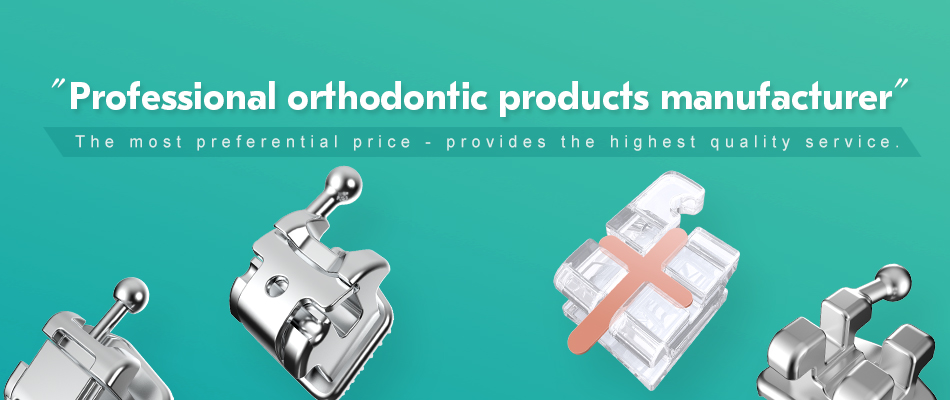

Active self-ligating brackets feature a built-in clip. This clip secures the archwire. Traditional brackets use elastic ties or ligatures for wire retention. Orthodontic self-ligating brackets active systems offer distinct mechanical properties. Selecting the appropriate bracket type is critical for successful outcomes in complex orthodontic cases. This choice significantly influences treatment efficiency and patient comfort.
Key Takeaways
- Active self-ligating brackets use a clip to hold the wire. This helps teeth move with less rubbing.
- Traditional brackets use ties to hold the wire. These ties can cause more rubbing.
- Choosing the right bracket helps make orthodontic treatment work well.
Understanding Orthodontic Self-Ligating Brackets Active and Traditional Mechanisms
Active Self-Ligating Bracket Design
Active self-ligating brackets feature a sophisticated design. They incorporate a built-in, spring-loaded clip or gate. This mechanism directly engages the archwire. The clip presses against the wire, actively seating it into the bracket slot. This design allows for precise control over tooth movement. It also helps reduce friction between the wire and the bracket. Orthodontic self-ligating brackets active systems offer distinct advantages in force delivery and efficiency. They provide consistent pressure on the archwire, which can optimize tooth movement. This active engagement is a key differentiator.
Traditional Bracket Design
Traditional brackets operate differently. They have wings or tie-wings. Orthodontists use elastic ligatures or thin steel wires to secure the archwire. These ligatures wrap around the tie-wings. They hold the archwire firmly in place. This method passively engages the wire within the bracket slot. The ligatures create friction as the wire moves. This friction can sometimes impede efficient tooth movement. It also requires regular replacement of the ligatures during appointments. This passive system relies on external components for wire retention.
Bracket Relevance in Complex Malocclusions
The choice of bracket significantly impacts complex malocclusion treatment. Orthodontic self-ligating brackets active systems offer specific benefits. Their design provides consistent force application. This helps manage challenging tooth movements. It can lead to faster initial alignment. Traditional brackets, however, allow for customized ligation. This can be advantageous for specific torque control or anchorage needs. Each design offers unique mechanical properties. These properties influence treatment outcomes in severe cases. Clinicians carefully consider these mechanisms when planning complex orthodontic care.
Biomechanical Differences in Complex Orthodontics
Frictional Resistance and Force Transmission
Active self-ligating brackets minimize frictional resistance. Their built-in clip securely holds the archwire. This design allows the wire to slide freely within the bracket slot. Traditional brackets, conversely, use ligatures. These ligatures, whether elastic or steel, create friction. They bind the archwire. High friction impedes efficient tooth movement. It demands greater force application. Orthodontic self-ligating brackets active systems transmit forces more efficiently. This proves highly beneficial in complex cases. Teeth move with less resistance, promoting smoother progress.
Reduced friction in active self-ligating systems can significantly improve the efficiency of tooth movement, especially when closing spaces or resolving severe crowding.
Torque Expression and Control
Torque refers to the rotational movement of a tooth around its long axis. Active self-ligating brackets offer precise torque control. The clip actively engages the archwire. This ensures full and consistent contact between the archwire and the bracket slot. Traditional brackets rely on ligatures for wire retention. Ligatures can permit some play or “slop.” This reduces direct wire-slot contact. Elastic ligatures also lose elasticity over time. This compromises consistent torque delivery. Clinicians find consistent torque expression vital. It helps achieve optimal root positioning, especially in challenging malocclusions.
Archwire Engagement and Stability
Archwire engagement is crucial for effective orthodontic treatment. Active self-ligating brackets provide stable and consistent engagement. The integrated clip securely holds the archwire within the slot. This prevents the wire from dislodging or moving inadvertently. Traditional brackets utilize ligatures. Ligatures can loosen, stretch, or break. This compromises archwire stability. Poor engagement leads to unpredictable tooth movement and can prolong treatment. Stable archwire engagement ensures consistent force delivery. It helps maintain the desired arch form throughout the treatment process. This stability is particularly important in complex malocclusions requiring intricate tooth movements.
Treatment Efficiency and Duration for Complex Cases
Orthodontic treatment duration is a significant concern for both patients and clinicians. In complex cases, efficiency becomes even more critical. The choice between active self-ligating brackets and traditional brackets directly influences how quickly and effectively teeth move through different treatment stages.
Initial Alignment and Leveling
Active self-ligating brackets often demonstrate superior efficiency during initial alignment and leveling. Their low-friction design allows archwires to slide more freely through the bracket slots. This reduces resistance to tooth movement. Patients with severe crowding or significant rotations may experience faster initial tooth movement. The active clip mechanism ensures consistent engagement with the archwire. This promotes continuous, gentle forces. Traditional brackets, conversely, use ligatures. These ligatures create friction. This friction can slow down the initial movement of severely malpositioned teeth. Clinicians must apply greater force to overcome this resistance. This can extend the time required for teeth to align into the arch form.
Tip: Faster initial alignment with active self-ligating brackets can provide a psychological boost for patients, as they see visible changes sooner.
Space Closure and Anchorage
Space closure is a critical phase in many complex orthodontic cases, especially those involving extractions. Active self-ligating brackets can facilitate efficient space closure due to their reduced friction. The archwire glides smoothly, allowing teeth to move along the wire with less impediment. This can lead to quicker retraction of anterior teeth or mesialization of posterior teeth. Anchorage control, however, requires careful management in both systems. Traditional brackets allow for precise ligature placement. This can offer specific anchorage reinforcement when needed. Orthodontic self-ligating brackets active systems rely on the inherent design for anchorage. Clinicians must carefully plan auxiliary mechanics, such as elastics or temporary anchorage devices (TADs), to manage anchorage effectively with either bracket type.
Finishing and Detailing
The finishing and detailing phase demands precision. Orthodontists aim for optimal occlusion, root parallelism, and aesthetic alignment. Consistent torque expression is paramount during this stage. Active self-ligating brackets provide excellent torque control. Their active clip ensures full engagement of the archwire within the bracket slot. This translates the prescribed torque into the tooth effectively. Traditional brackets, with their ligatures, can sometimes allow for some “play” between the wire and the slot. This may compromise precise torque delivery. Achieving perfect root positioning and intercuspation can become more challenging. Clinicians often spend more chair time making intricate adjustments with traditional brackets during finishing. This ensures the desired final outcome.
Patient Experience in Complex Treatments
Comfort and Pain Perception
Patients often report different comfort levels with various bracket systems. Active self-ligating brackets typically cause less initial discomfort. Their low-friction design applies gentler forces to teeth. This reduces pressure and soreness. Traditional brackets, however, use ligatures. These ligatures create more friction. Patients may experience greater initial pain and soreness after adjustments. The constant pressure from ligatures can also contribute to discomfort throughout treatment.
Oral Hygiene and Periodontal Health
Maintaining good oral hygiene is crucial during orthodontic treatment. Active self-ligating brackets offer advantages in this area. They lack elastic ligatures, which can trap food particles and plaque. This makes brushing and flossing easier for patients. Traditional brackets use elastic or steel ligatures. These ligatures create more surfaces for plaque accumulation. Patients find cleaning around traditional brackets more challenging. This increases the risk of gingivitis and decalcification.
Appliance Breakages and Emergencies
Appliance breakages can disrupt treatment and cause patient inconvenience. Active self-ligating brackets generally have fewer components. Their built-in clips are robust. This design reduces the likelihood of breakages or dislodged parts. Patients experience fewer emergency visits. Traditional brackets rely on external ligatures. These ligatures can stretch, break, or fall off. This often requires unscheduled appointments for repairs. Bracket ties can also bend or break, leading to more frequent emergencies.
Clinical Efficiency and Chairside Management
Appointment Frequency and Duration
Active self-ligating brackets often reduce appointment frequency and duration. Clinicians can perform wire changes more quickly. This efficiency stems from the bracket’s built-in clip mechanism. Patients spend less time in the dental chair. Traditional brackets require more chairside time. Orthodontists must remove and replace ligatures for each bracket. This process adds minutes to every appointment. Fewer, shorter appointments benefit both the practice and the patient.
Wire Changes and Adjustments
Changing archwires is a core orthodontic procedure. Active self-ligating brackets simplify this task. The clinician opens the clip, removes the old wire, and inserts the new one. This takes minimal time. Traditional brackets demand more intricate steps. The orthodontist must carefully remove all elastic or steel ligatures. Then, they place the new wire and re-ligate each bracket. This process is more time-consuming. It also requires more dexterity.
Tip: The ease of wire changes with active self-ligating brackets allows clinicians to manage a larger patient load more efficiently.
Debonding and Retention
The debonding process marks the end of active treatment. Removing active self-ligating brackets is generally straightforward. Their design often allows for clean removal. Traditional brackets also debond effectively. The choice of bracket type does not significantly alter the debonding procedure itself. However, efficient treatment throughout can lead to better patient compliance with retention protocols. A smoother treatment experience often encourages patients to follow post-treatment instructions diligently.
Cost-Effectiveness in Complex Orthodontic Care
Initial Material Costs
Active self-ligating brackets often carry a higher initial material cost. Manufacturers invest more in their complex design and integrated mechanisms. Traditional brackets, conversely, have a simpler construction. Their production costs are generally lower. This difference in material expense directly impacts the initial investment for orthodontic practices. Clinicians consider these upfront costs when selecting bracket systems for their inventory.
Total Treatment Cost Implications
The total cost of orthodontic treatment extends beyond initial material expenses. Active self-ligating systems can reduce chair time. They also decrease the number of required appointments. This efficiency translates into lower operational costs for the practice. Traditional brackets demand more chairside labor. Orthodontists spend more time changing wires and ligatures. This increases the overall labor cost per patient. Patients may also incur fewer missed work or school days due to shorter, less frequent visits. This contributes to overall cost savings for the patient.
Long-Term Maintenance
Long-term maintenance costs primarily relate to retention. The choice of bracket system during active treatment does not significantly alter retention appliance costs. However, efficient treatment with fewer complications can lead to better long-term stability. This potentially reduces the need for future orthodontic interventions. Patients who complete treatment smoothly often maintain their results more effectively. This minimizes unexpected expenses related to relapse.
Case Study Examples in Complex Scenarios
Orthodontists frequently encounter complex cases. The choice between active self-ligating brackets and traditional brackets significantly impacts treatment strategy. Examining specific scenarios highlights their respective strengths.
Severe Crowding and Extraction Cases
Active self-ligating brackets excel in severe crowding cases. Their low-friction design allows teeth to align more quickly. This reduces the need for extensive archwire manipulation. In extraction cases, active SLB systems facilitate efficient space closure. The archwire slides smoothly, moving teeth into the extraction sites. Traditional brackets also manage severe crowding. However, they often require more frequent adjustments to overcome ligature friction. For extraction cases, traditional brackets offer precise control over anchorage. Clinicians can customize ligature ties to prevent unwanted tooth movement.
Tip: Active SLB systems often reduce initial treatment time in crowded cases due to their low-friction mechanics.
Open Bites and Deep Bites
Correcting open bites and deep bites demands precise vertical control. Active self-ligating brackets provide consistent torque expression. This helps achieve optimal root positioning and vertical dimension changes. Their active engagement ensures the archwire fully expresses its programmed torque. Traditional brackets can also correct these vertical discrepancies. However, clinicians must carefully manage ligature placement. They ensure consistent wire engagement. This prevents unwanted tipping or rotation. Auxiliary mechanics, like elastics, often supplement both systems for effective vertical correction.
Class II and Class III Malocclusions
Treating Class II and Class III malocclusions involves significant anteroposterior correction. Active self-ligating brackets can offer efficient mechanics for these cases. Their design supports continuous force application. This aids in distalizing molars or protracting anterior segments. Traditional brackets provide robust anchorage options. Clinicians can use various ligature techniques to reinforce anchorage. This is crucial when moving entire arch segments. Both bracket types effectively use intermaxillary elastics or other auxiliaries to achieve the desired bite correction.
Active self-ligating brackets offer lower friction and precise control. Traditional brackets allow custom ligation. Clinicians prefer Orthodontic self-ligating brackets active systems for efficiency and comfort in complex cases. Traditional brackets suit cases needing specific anchorage or torque customization. Technology will continue enhancing bracket design and materials.
FAQ
Do active self-ligating brackets always shorten treatment time?
Active self-ligating brackets often reduce initial alignment time. However, overall treatment duration depends on case complexity and patient compliance.
Are traditional brackets a more affordable option?
Traditional brackets typically have lower initial material costs. However, increased chair time for adjustments can impact the total treatment expense.
Which bracket type is better for oral hygiene?
Active self-ligating brackets generally promote better oral hygiene. They lack elastic ligatures, which can trap food and plaque more easily.
Post time: Dec-04-2025