
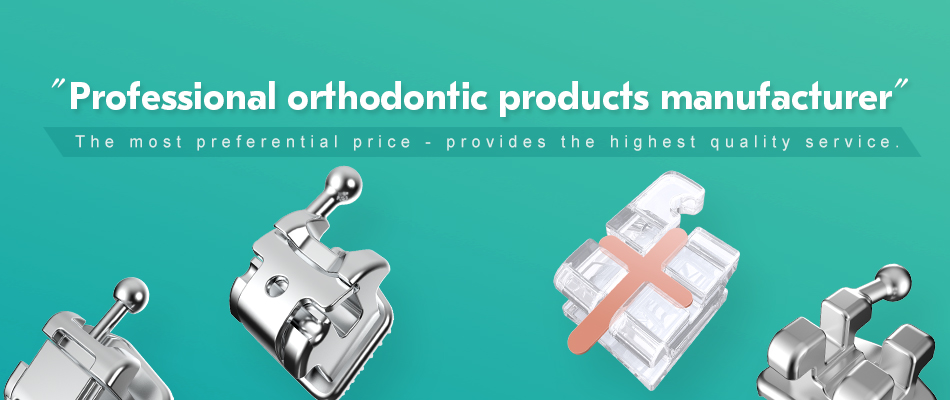

Are the potential benefits of Orthodontic Self Ligating Brackets-active truly worth their higher cost? This post weighs their many advantages against financial and practical considerations. It helps individuals decide if these specialized brackets are the right choice for their orthodontic journey.
Key Takeaways
- Active self-ligating brackets offer benefits. They can make oral hygiene easier. They may also lead to fewer orthodontist visits.
- These brackets often cost more than traditional braces. Insurance might not cover the extra cost. You should check your plan.
- Talk to your orthodontist. They will help you decide if these brackets are right for you. They can also discuss other options.
Understanding Active Self-Ligating Brackets
How Active Self-Ligating Brackets Function
Active self-ligating brackets feature a unique design. They incorporate a small, built-in clip or door. This clip securely holds the archwire. The archwire passes through a slot in the bracket. Unlike traditional braces, these brackets do not require elastic ties or separate metal ligatures. The clip closes over the archwire. This creates a self-contained system. The term “active” refers to how the clip engages the archwire. It applies a specific amount of pressure. This pressure helps guide the teeth. It moves them into their desired alignment. Orthodontic Self Ligating Brackets-active deliver consistent force. This force works to reposition teeth effectively.
Key Differences from Other Braces
Traditional braces rely on small elastic bands or thin metal wires. These components tie the archwire to each bracket. Active self-ligating brackets remove the need for these external ties. This is a significant distinction. Another type exists: passive self-ligating brackets. Passive brackets also use a clip. However, their clip holds the wire more loosely. It does not actively press against it. Active brackets, in contrast, exert more direct and controlled pressure on the archwire. This direct engagement can lead to precise tooth movement. The absence of elastic ties also reduces friction. Reduced friction can potentially make the tooth movement process more efficient. It also eliminates the need for frequent ligature changes.
The Benefits of Orthodontic Self Ligating Brackets-Active
Claimed Shorter Treatment Duration
Many people claim Orthodontic Self Ligating Brackets-active can shorten overall treatment time. These brackets reduce friction between the archwire and the bracket. This allows teeth to move more freely. The efficient force delivery also helps. It guides teeth into position faster. However, research on this claim varies. Not all studies show a significant reduction in treatment duration.
Fewer Orthodontist Appointments
The design of these brackets often means fewer trips to the orthodontist. They do not use elastic ties. This eliminates the need for frequent tie changes. Patients can have longer intervals between appointments. This saves time for both the patient and the orthodontist.
Easier Oral Hygiene Maintenance
Maintaining good oral hygiene is simpler with active self-ligating brackets. They lack elastic ties. These ties often trap food particles and plaque. The smoother surface of the brackets makes brushing and flossing easier. This reduces the risk of cavities and gum problems during treatment.
Enhanced Patient Comfort
Patients often report greater comfort with these brackets. The smooth, rounded edges cause less irritation to the cheeks and lips. The reduced friction also means less pressure on the teeth. This can lead to less pain after adjustments.
Potential Aesthetic Advantages
Active self-ligating brackets offer aesthetic benefits. They do not use colored elastic ties. This gives them a more discreet appearance. Some designs are also smaller. They blend in better with the teeth. This makes them less noticeable than traditional braces.
The Financial and Practical Costs
Higher Initial Investment Explained
Active self-ligating brackets often carry a higher price tag. Their specialized design contributes to this cost. Manufacturers use advanced technology to create the unique clip mechanism. This mechanism replaces traditional elastic ties. The materials used can also be more expensive. These factors increase production costs. Orthodontists then pass these costs on to patients. Patients should expect to pay more upfront for this type of brace.
Insurance Coverage Implications
Dental insurance plans vary widely. Many plans offer some coverage for orthodontic treatment. However, they might not fully cover the extra cost of active self-ligating brackets. Some policies may only cover the cost of traditional braces. Patients then pay the difference out-of-pocket. It is crucial to contact your insurance provider. Ask about specific coverage for different orthodontic options. This helps you understand your financial responsibility.
Hidden Costs and Potential Savings
While the initial cost is higher, some practical savings may exist. Fewer orthodontist appointments can save patients time and travel expenses. This is a practical benefit. Easier oral hygiene might reduce the risk of cavities or gum disease. This could prevent future dental bills. However, these potential savings often do not offset the higher initial investment. Patients must weigh these factors carefully. They should consider their budget and priorities.
Clinical Evidence Versus Marketing Claims
Research on Treatment Time
Marketing often suggests that active self-ligating brackets significantly shorten orthodontic treatment duration. However, scientific research presents a more nuanced picture. Many studies have investigated this claim. Some research indicates no statistically significant difference in overall treatment time when comparing active self-ligating brackets to traditional braces. Other studies show only a marginal reduction, which may not be clinically meaningful for every patient.
A comprehensive review of multiple clinical trials often concludes that factors like the complexity of the case, the patient’s compliance, and the orthodontist’s skill play a much larger role in treatment duration than the specific bracket type used.
Therefore, patients should approach claims of drastically shorter treatment times with a critical eye. The evidence does not universally support this as a primary benefit.
Studies on Comfort and Hygiene
Claims of enhanced patient comfort and easier oral hygiene maintenance with active self-ligating brackets also receive scrutiny from researchers. Proponents argue that the absence of elastic ties reduces friction and irritation. They also state that the smoother bracket design causes less discomfort. Some patient surveys do report a perception of greater comfort. However, objective clinical studies often find no significant difference in pain levels between patients with self-ligating brackets and those with traditional braces, especially after initial adjustments.
Regarding oral hygiene, the argument centers on the elimination of elastic ties. These ties can trap food particles and plaque. Studies have explored plaque accumulation and gingival health. Some research suggests a slight advantage for self-ligating brackets in terms of plaque retention. Other studies find no significant difference in oral hygiene outcomes. Proper brushing and flossing techniques remain the most critical factors for maintaining oral health, regardless of the bracket system.
Orthodontist Perspectives on Efficacy
Orthodontists hold varied perspectives on the efficacy of active self-ligating brackets. Many practitioners appreciate the convenience these brackets offer. They find the built-in clip system efficient for wire changes. This can lead to quicker adjustment appointments. Some orthodontists believe that the reduced friction allows for more efficient tooth movement in certain types of cases. They might prefer Orthodontic Self Ligating Brackets-active for specific treatment plans.
Conversely, many experienced orthodontists maintain that excellent results are achievable with any bracket system. They emphasize that the orthodontist’s diagnostic ability, treatment planning, and mechanical skill are the most important determinants of success. They argue that while self-ligating brackets offer certain practical advantages, they do not fundamentally alter the biomechanical principles of tooth movement. Therefore, the choice often comes down to individual orthodontist preference, specific case requirements, and patient priorities.
Identifying the Ideal Candidate
Active self-ligating brackets offer distinct advantages. Certain patient profiles align particularly well with these benefits. Understanding these profiles helps individuals decide if this investment suits their needs.
Patients with Specific Orthodontic Needs
Some patients present unique orthodontic challenges. Their cases might benefit from the precise control active self-ligating brackets offer. Orthodontists sometimes choose these brackets for complex tooth movements. They can also use them for cases requiring specific force application. The design allows for consistent pressure. This helps guide teeth effectively. However, an orthodontist ultimately determines if these brackets suit a particular case. They assess individual needs and treatment goals.
Patients Prioritizing Convenience
Busy individuals often seek efficient orthodontic treatment. Active self-ligating brackets reduce appointment frequency. This saves valuable time for patients. They spend less time traveling to the orthodontist’s office. This system also means quicker adjustment visits. Patients with demanding schedules find this very appealing. It fits well into their busy lives. Fewer visits mean less disruption to work or school.
Patients Valuing Aesthetics and Comfort
Patients concerned about how braces look might prefer these brackets. They do not use colored elastic ties. This gives them a more discreet appearance. The smooth design also enhances comfort. It causes less irritation to cheeks and lips. Individuals who prioritize a less noticeable treatment and greater comfort are good candidates. They appreciate the subtle look and feel throughout their treatment journey. ✨
Making Your Informed Decision
Weighing Benefits Against Cost
Patients must carefully consider the advantages of active self-ligating brackets against their higher price. These brackets offer potential benefits. They include enhanced comfort, easier hygiene, and fewer orthodontist visits. However, the evidence for significantly shorter treatment times remains mixed. The initial investment for active self-ligating brackets is often greater than for traditional braces. Patients should evaluate what benefits they value most.
For some, the convenience of fewer appointments justifies the extra cost. Others might prioritize the discreet appearance and comfort. They find these features worth the investment. Conversely, patients on a strict budget may find traditional braces a more practical choice. They achieve similar results at a lower cost.
Tip: Create a personal pros and cons list. Include factors like your budget, lifestyle, and priorities for comfort and appearance. This helps clarify your decision.
Importance of Orthodontist Consultation
A thorough discussion with an orthodontist is essential. This professional can assess individual orthodontic needs. They evaluate the complexity of the case. The orthodontist also considers the patient’s specific goals. They provide personalized recommendations. These recommendations base themselves on clinical experience and scientific evidence.
An orthodontist explains how different bracket types work for a particular bite issue. They clarify the exact costs involved. They also discuss potential insurance coverage. This consultation helps patients understand all available options. It ensures they make a choice best suited for their unique situation. The orthodontist’s expertise guides patients toward the most effective and appropriate treatment plan.
Exploring Alternative Orthodontic Options
Patients have several excellent orthodontic options beyond active self-ligating brackets. Each option has its own set of benefits and considerations.
- Traditional Metal Braces: These are the most common and often the most affordable. They are highly effective for all types of orthodontic issues. However, they are more noticeable and require elastic ties.
- Ceramic Braces: These braces function like traditional metal braces. They use clear or tooth-colored brackets. This makes them less visible. They are typically more expensive than metal braces. They can also stain over time.
- Clear Aligners (e.g., Invisalign): These are custom-made, removable plastic trays. They offer excellent aesthetics and convenience. Patients remove them for eating and cleaning. Clear aligners may not suit all complex cases. Their cost can be comparable to or higher than self-ligating brackets.
Patients should discuss all these alternatives with their orthodontist. They can compare the costs, aesthetics, comfort, and effectiveness of each option. This comprehensive review helps patients select the best path for their smile journey.
The decision for Orthodontic Self Ligating Brackets-active hinges on individual needs, priorities, and budget. They offer potential advantages in comfort, hygiene, and convenience. However, evidence for significantly reduced treatment time is not universally conclusive. A thorough discussion with your orthodontist is essential. This determines if their specific benefits justify the higher cost for your unique case.
FAQ
Can active self-ligating brackets truly shorten treatment time?
Research on treatment time varies. Some studies show no significant difference. Other factors, like case complexity and patient compliance, often play a larger role.
Are active self-ligating brackets more comfortable than traditional braces?
Many patients report greater comfort. The smooth design causes less irritation. However, objective studies often find no significant difference in pain levels.
Do active self-ligating brackets make oral hygiene easier?
They lack elastic ties. This reduces food traps. This can make brushing and flossing simpler. Good oral hygiene still depends on proper technique.
Post time: Nov-07-2025