
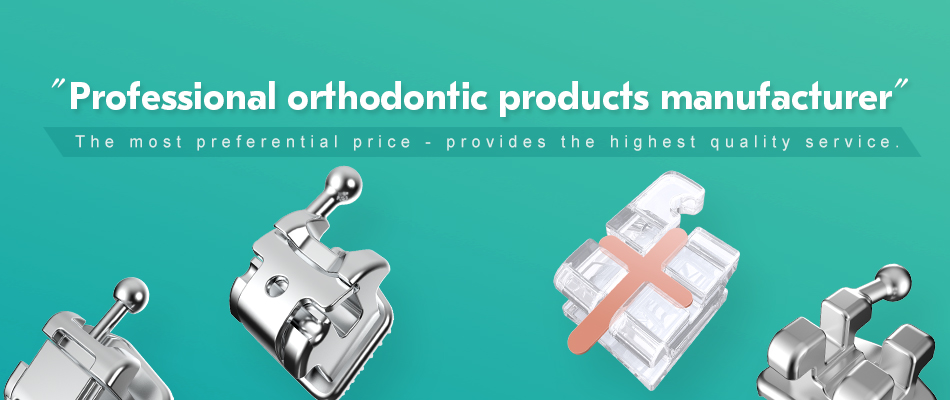

Many believe Orthodontic Self Ligating Brackets-active significantly reduce overall chair time or treatment duration for patients. However, research does not consistently support these claims. Manufacturers often market these brackets with promises of reduced chair time. Yet, evidence indicates this benefit is largely unsubstantiated for the patient experience.
Key Takeaways
- Active self-ligating brackets do not greatly reduce the time you spend at the dentist or how long your braces stay on.
- Your orthodontist’s skill and your cooperation are more important for good results than the type of braces you use.
- Talk to your orthodontist about all your brace options and what each type can really do for you.
Orthodontic Self Ligating Brackets-active and Chair Time Reduction
Research on Overall Treatment Duration
Many studies investigate whether active self-ligating brackets shorten the total time patients wear braces. Researchers compare treatment durations for patients using these brackets versus those with traditional ligating brackets. Most scientific evidence indicates no significant difference in overall treatment duration. Factors like the complexity of the orthodontic case, the orthodontist’s skill, and patient compliance play a much larger role in how long treatment lasts. For example, a patient with severe crowding will likely require more time, regardless of the bracket system used. Therefore, claims that Orthodontic Self Ligating Brackets-active inherently reduce the total time in braces lack strong scientific backing.
Marginal Chairside Efficiencies
Manufacturers often suggest that active self-ligating brackets offer significant chairside efficiencies. They argue that changing archwires is faster because clinicians do not need to remove and replace elastic or wire ligatures. While this specific step might take slightly less time, this marginal efficiency does not translate into a substantial reduction in the overall appointment length. An orthodontist still performs many other tasks during an appointment. These tasks include examining tooth movement, making adjustments, discussing progress with the patient, and planning the next steps. The few seconds saved during archwire changes become negligible when considering the entire appointment. Patients typically do not experience shorter appointments due to this minor procedural difference.
Number of Appointments and Patient Visits
Another common claim for active self-ligating brackets involves reducing the total number of appointments a patient needs. However, research generally does not support this assertion. The frequency of patient visits depends primarily on the biological rate of tooth movement and the orthodontist’s treatment plan. Teeth move at a certain biological pace, and forcing faster movement can damage roots or bone. Orthodontists schedule appointments to monitor progress, make necessary adjustments, and ensure healthy tooth movement. The type of bracket, whether it is an Orthodontic Self Ligating Brackets-active system or a conventional one, does not significantly alter these fundamental biological and clinical requirements. Therefore, patients should expect a similar number of visits regardless of the bracket system chosen.
Treatment Efficiency and Alignment Speed with Active Self-Ligating Brackets
Comparable Tooth Movement Rates
Research often investigates how fast teeth move with different bracket types. Studies show that active self-ligating brackets do not move teeth significantly faster than traditional brackets. The biological process of bone remodeling dictates tooth movement speed. This process is largely consistent across individuals. The type of bracket system, whether conventional or Orthodontic Self Ligating Brackets-active, does not fundamentally change this biological rate. Therefore, patients should not expect quicker tooth movement simply because they use a specific bracket design.
No Proven Faster Initial Alignment
Some claims suggest active self-ligating brackets achieve faster initial tooth alignment. However, scientific evidence does not consistently support this idea. Initial alignment depends on the severity of a patient’s crowding. It also depends on the sequence of archwires an orthodontist uses. The bracket system itself plays a minor role in this early phase. Orthodontists carefully plan archwire changes to guide teeth into position. This careful planning, not the bracket type, drives efficient initial alignment.
The Role of Archwire Mechanics
Archwires are crucial for moving teeth. They apply gentle forces to guide teeth into their correct positions. Both active self-ligating brackets and conventional brackets use similar archwire mechanics. The archwire’s material, shape, and size determine the force applied. The bracket holds the archwire. While active self-ligating brackets may have less friction, this difference does not significantly speed up overall tooth movement. The archwire’s properties and the orthodontist’s skill in selecting and adjusting them are the main factors. The archwire performs the work.
Patient Comfort and Pain Experience with Active Self-Ligating Brackets
Similar Discomfort Levels Reported
Patients often wonder if different bracket types affect their comfort. Research consistently shows that active self-ligating brackets do not significantly reduce overall discomfort compared to traditional braces. Studies ask patients to rate their pain and discomfort levels throughout treatment. These reports indicate similar experiences regardless of the bracket system. Factors like individual pain tolerance and the specific orthodontic movements planned play a larger role in how a patient feels. Therefore, patients should not expect a dramatically more comfortable experience solely based on the bracket type.
Initial Pain Perception
Many patients experience some discomfort when they first get braces or after adjustments. This initial pain perception is generally similar for both active self-ligating and conventional brackets. The pressure from the archwire moving teeth causes this sensation. The body’s natural response to this pressure creates the discomfort. The design of the bracket, whether it is an Orthodontic Self Ligating Brackets-active system or not, does not significantly alter this biological response. Patients typically manage this initial discomfort with over-the-counter pain relievers.
Friction and Force Delivery Mechanisms
Manufacturers sometimes claim active self-ligating brackets reduce friction, leading to less pain. While these brackets may have lower friction in laboratory settings, this difference does not consistently translate into reduced patient pain. Orthodontists use light, continuous forces to move teeth effectively and comfortably. The archwire delivers these forces. The bracket simply holds the archwire. The biological process of tooth movement, not minor friction differences, primarily influences patient comfort. The body still needs to remodel bone for teeth to move, which can cause some soreness.
Active Self-Ligating Brackets and Extraction Needs
Impact on Extraction Rates
Many patients wonder if active self-ligating brackets reduce the need for tooth extractions. Research does not consistently show a significant difference in extraction rates between active self-ligating and conventional brackets. The decision to extract teeth primarily depends on the patient’s specific orthodontic condition. Factors like severe crowding or significant jaw discrepancies guide this choice. The orthodontist’s diagnosis and comprehensive treatment plan determine if extractions are necessary. The bracket system itself does not change these fundamental clinical requirements.
Use of Palatal Expanders
Some claims suggest active self-ligating brackets can eliminate the need for palatal expanders. However, scientific evidence does not support this idea. Palatal expanders address skeletal issues, such as a narrow upper jaw. They widen the palate. Brackets, regardless of their type, move individual teeth within the existing bone structure. They do not change the underlying skeletal width. Therefore, if a patient requires skeletal expansion, an orthodontist will still recommend a palatal expander. The bracket system does not replace this crucial appliance.
Biological Limits of Orthodontic Movement
Orthodontic tooth movement operates within strict biological limits. Teeth move through a process of bone remodeling. This process has a natural pace and capacity. Active self-ligating brackets cannot override these biological constraints. They do not allow teeth to move beyond the available bone or at an unnaturally fast rate. Understanding these limits helps orthodontists plan safe and effective treatment. The type of bracket does not alter the fundamental biology of tooth movement. This biology dictates the need for extractions or expanders in many cases.
The Orthodontist’s Skill Versus Bracket Type
Expertise as the Primary Factor
The orthodontist’s skill and experience are the most important factors in successful orthodontic treatment. A skilled orthodontist understands complex tooth movements. They diagnose problems accurately. They also create effective treatment plans. The type of bracket used, whether active self-ligating or traditional, is a tool. The orthodontist’s expertise guides the tool. Their knowledge of biomechanics and facial aesthetics ensures the best results. Patients benefit most from a highly trained and experienced professional.
Importance of Treatment Planning
Effective treatment planning is crucial for successful outcomes. An orthodontist develops a detailed plan for each patient. This plan considers the patient’s unique dental structure and goals. It outlines the sequence of tooth movements and appliance adjustments. A well-executed plan minimizes complications and optimizes treatment duration. The bracket system itself does not replace this careful planning. A good plan, combined with the orthodontist’s skill, drives efficient and predictable results.
Patient Compliance and Cooperation
Patient compliance significantly impacts treatment success and duration. Patients must follow their orthodontist’s instructions carefully. This includes maintaining good oral hygiene. It also means wearing elastics or other appliances as directed. Regular attendance at appointments is also vital. When patients cooperate, treatment progresses smoothly. Poor compliance can extend treatment time and affect the final outcome. The bracket type cannot compensate for a lack of patient cooperation.
- Active self-ligating brackets offer a viable treatment choice. Yet, scientific evidence does not consistently support their advertised benefits for chair time or efficiency.
- The orthodontist’s expertise, meticulous treatment planning, and patient compliance are paramount for successful orthodontic outcomes.
- Patients should discuss all bracket options and their evidence-based benefits with their orthodontist.
FAQ
Do active self-ligating brackets truly reduce chair time?
Research indicates active self-ligating brackets do not significantly reduce overall chair time. Minor efficiencies during archwire changes do not shorten appointment lengths for patients.
Are active self-ligating brackets more comfortable for patients?
Studies show patients report similar discomfort levels with active self-ligating and traditional brackets. Individual pain tolerance and the specific treatment plan influence comfort more.
Do active self-ligating brackets make orthodontic treatment faster?
No, active self-ligating brackets do not speed up overall treatment duration. Tooth movement depends on biological processes. The bracket type does not change this natural pace.
Post time: Nov-07-2025