
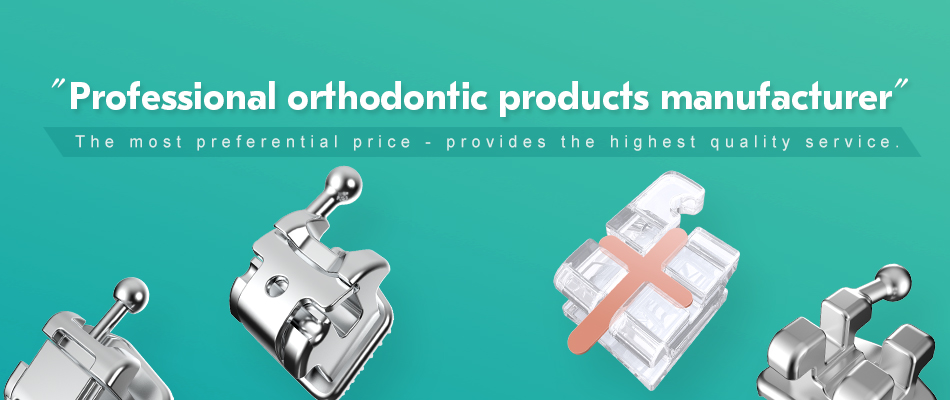


Yes, finding top orthodontic self-locking bracket manufacturers in China is crucial for quality, cost-efficiency, and innovation in the orthodontic industry. This guide helps you identify and evaluate them effectively. The global market for orthodontic brackets is expanding significantly, reflecting their growing demand:
| Source | Year | Market Size (USD) | Projected Year | Projected Market Size (USD) | CAGR |
|---|---|---|---|---|---|
| Market Report Analytics | 2023 | $1.5 billion | 2028 | $2.2 billion | 7% |
| PharmiWeb (FMI) | 2023 | $377.9 million | 2033 | $717.1 million | 6.6% |
A reliable orthodontic brackets supplier understands critical aspects of product performance. They know Why Slot Accuracy Matters in Orthodontic Treatment. They also recognize How to Reduce Treatment Time with Accurate Bracket Systems. Companies such as Ningbo Denrotary Medical Apparatus exemplify this commitment to advanced production and innovation in orthodontic solutions.
Key Takeaways
- Sourcing orthodontic brackets from China offers good value. You get high quality at a lower cost.
- Look for manufacturers with important certifications. These include ISO 13485, CE Mark, and FDA approval.
- Always ask for samples and visit factories. This helps you check product quality and how they make things.
- Protect your designs with legal agreements. This is important when working with Chinese manufacturers.
- Build strong relationships with suppliers. Good communication helps solve problems and ensures steady supply.
Why Source Orthodontic Brackets from China?

Many dental professionals look to China for their orthodontic supplies. This strategic decision offers several compelling advantages. It helps clinics and distributors secure high-quality products while managing costs effectively.
Cost-Effectiveness Without Quality Compromise
Sourcing from China often provides significant cost savings. Chinese manufacturers benefit from efficient supply chains and large-scale production. This allows them to offer competitive pricing for orthodontic brackets without sacrificing quality. They understand the importance of precision and durability in dental products. Therefore, you can find excellent value that meets international standards.
Advanced Manufacturing for Orthodontic Brackets
Chinese manufacturers invest heavily in modern production techniques. They commit to continuous research and development, always seeking new technologies and materials. Many factories introduce advanced international production equipment. For example, they use laser cold welding processes for metal orthodontic brackets. This technique ensures high welding strength and maintains precise bracket data. It guarantees accuracy in orthodontic treatments. Manufacturers also employ advanced machinery and equipment to complete production processes. This focus on technology leads to superior efficiency and consistent product quality.
Extensive Production Capacity and Scalability
China’s manufacturing sector boasts immense production capacity. This means factories can handle large orders and scale up production quickly. Whether you need a small batch or a massive supply, Chinese manufacturers can meet your demands. This scalability is crucial for growing practices and distributors. It ensures a steady supply of products, preventing delays in patient care.
Innovation and Customization in Orthodontic Bracket Design
Chinese manufacturers do more than just produce in large quantities. They actively drive innovation in orthodontic bracket design. Many factories invest heavily in research and development. This commitment allows them to create new and improved products. They also offer extensive customization options. This means they can meet specific clinical needs.
Manufacturers use advanced technologies like CAD/CAM and 3D printing. These tools help them develop precise and unique designs. They can produce specialized orthodontic brackets for different patient cases. This level of customization ensures better treatment outcomes. It also gives orthodontists more flexibility. For example, they can design brackets with specific slot dimensions or base contours. This caters to diverse treatment philosophies and patient anatomies. They also explore new materials. These materials might offer improved aesthetics or enhanced biocompatibility.
Tip: Look for manufacturers who actively showcase their R&D efforts and offer bespoke design services. This indicates a commitment to innovation.
This focus on innovation means you can find cutting-edge solutions. These solutions might not be available elsewhere. Chinese factories often work closely with dental professionals. They gather feedback and incorporate it into their designs. This collaborative approach leads to highly effective and patient-friendly products. They understand the evolving demands of modern orthodontics. They continuously refine their offerings. This dedication to innovation makes them valuable partners. They help advance orthodontic care globally. They also stay ahead of market trends. This ensures their products remain relevant and effective. They can adapt quickly to new materials or aesthetic demands. This agility is a significant advantage for buyers. It guarantees access to the latest advancements in orthodontic technology. This includes self-ligating systems and aesthetic options. They constantly push boundaries to improve patient comfort and treatment efficiency.
Key Criteria for Top Orthodontic Bracket Manufacturers in China
Finding the right manufacturer for your orthodontic needs requires careful consideration. You want a partner who delivers quality, reliability, and innovation. Here are the key criteria to evaluate when selecting top orthodontic bracket manufacturers in China.
Essential Certifications and Quality Control for Orthodontic Brackets
Quality is paramount when it comes to medical devices. Top manufacturers demonstrate their commitment through essential certifications and rigorous quality control. They ensure their products meet international standards.
Look for these crucial certifications:
- ISO 13485:2016: This international standard shows a manufacturer has a robust Quality Management System for medical devices. It helps them comply with regulations in Europe, Japan, Canada, and the US FDA.
- CE Mark: This marking is mandatory for products sold in the European market. It confirms the product meets all safety and environmental requirements.
- FDA Compliance: Manufacturers must follow the FDA’s quality system regulations. These include 21 CFR Parts 808, 812, and 820. These rules cover medical devices and good manufacturing practices.
Beyond certifications, strong quality control processes are vital. Manufacturers must ensure the safety and effectiveness of their products. This includes:
- Proper Sterilization and Disinfection: They follow guidelines like those from the CDC. This prevents disease transmission and keeps patients safe. They understand how to clean and sterilize instruments correctly.
- Quality Assurance and Accreditation: Adherence to industry standards, including FDA regulations, ensures strict protocols. This covers material selection, manufacturing, and infection control. It all contributes to safe and effective appliances.
- Technological Capabilities: Investment in advanced technologies improves precision. Digital impressions, 3D printing, and CAD/CAM systems lead to accurate appliance fabrication.
- Quality of Materials: Manufacturers provide transparency about material origin and composition. They ensure materials meet industry standards for biocompatibility and durability. This is crucial for product effectiveness and patient satisfaction.
- Robust Quality Control Measures: This involves inspections, tests, and feedback systems. These steps identify and fix any issues in appliance fabrication. They ensure consistent accuracy and reliability.
Industry Experience and Reputation of Manufacturers
A manufacturer’s experience and reputation speak volumes about their reliability. You want a partner with a proven track record. They should understand the complexities of the orthodontic industry.
Here are common indicators of a reputable manufacturer’s experience:
- Industry Recognition: Awards and certifications show a supplier’s dedication to excellence. They highlight high standards in manufacturing, innovation, and customer service. Examples include recognition from prestigious industry organizations.
- Partnerships with Dental Organizations: Collaborations with respected dental groups are a good sign. Organizations like the American Association of Orthodontists (AAO) or the European Orthodontic Society (EOS) signify alignment with industry best practices. This builds trust among dental professionals.
- Longevity and Stability: A long presence in the market indicates reliability and expertise. Such manufacturers have likely overcome industry challenges. They have adapted to evolving standards. They consistently deliver quality and meet customer needs.
Research and Development Capabilities for New Orthodontic Brackets
Innovation drives progress in orthodontics. Top manufacturers invest heavily in research and development (R&D). This commitment allows them to create new and improved solutions. They stay ahead of market trends.
Strong R&D capabilities mean a manufacturer can:
- Develop cutting-edge designs.
- Explore new materials for better performance or aesthetics.
- Improve manufacturing processes for greater precision.
- Respond quickly to evolving clinical needs.
A manufacturer with robust R&D is not just a producer. They are a partner in advancing orthodontic care. They bring new ideas and technologies to the market. This ensures you have access to the latest advancements.
Modern Production Facilities and Technology
Top manufacturers understand that modern production facilities are essential for creating high-quality products. They invest in cutting-edge technology. This ensures precision, efficiency, and consistency in every item they produce. For example, facilities like Denrotary Medical use three automatic production lines. These lines can produce 10,000 orthodontic brackets weekly. This ensures a steady supply and meets global demand.
Advanced technologies play a big role in this process:
- AI and Machine Learning: These tools are vital for advanced treatment planning. They help orthodontists analyze complex data and predict outcomes. They also customize treatment plans. AI automates tasks like digital impressions and case simulations. This improves precision in bracket placement and reduces treatment time.
- 3D Printing: This technology allows for custom brackets. Manufacturers tailor these brackets to each patient’s unique anatomy. It creates lightweight, durable, and aesthetic solutions. This improves treatment accuracy, reduces discomfort, and minimizes production waste.
- Advanced German Production Equipment: Many manufacturers use state-of-the-art equipment from Germany. This technology helps create brackets that meet international standards.
- Digital Workflows: These systems streamline treatment planning. They also improve accuracy. This means patients spend less time in the dental chair.
- Sustainability Initiatives: Manufacturers also focus on eco-friendly materials and processes. This aligns with the industry’s move towards environmental responsibility.
- Advanced Wire Drawing Facilities: These facilities are crucial for making high-quality Nickel Titanium and Stainless-steel wires. For instance, some companies have in-house facilities that draw all their Nitinol and Stainless-steel wires. Small changes in complex alloys like Nickel Titanium can greatly affect how they perform clinically. The manufacturing process includes scientific testing and a 100% final inspection. This ensures consistent force, elasticity, and memory in the wires.
These modern facilities and technologies ensure that every product meets strict quality requirements. They also help manufacturers innovate and adapt to new demands.
Material Sourcing and Traceability for Orthodontic Brackets
The quality of materials directly impacts the safety and effectiveness of medical devices. Top manufacturers prioritize careful material sourcing and complete traceability. They know exactly where their raw materials come from. They also track these materials through every step of the manufacturing process.
Manufacturers provide transparency about material origin and composition. They ensure all materials meet industry standards for biocompatibility and durability. This is crucial for product effectiveness and patient satisfaction. For example, they use medical-grade stainless steel or ceramic materials. These materials must be safe for long-term use in the mouth. They also must withstand the forces of orthodontic treatment.
Traceability means manufacturers can track a product from its raw materials to the final delivery. This system helps them quickly identify and address any potential issues. It also ensures accountability and compliance with regulations. This commitment to material quality and traceability gives buyers confidence in the products they receive.
Effective Customer Service and Communication
Building strong partnerships with Chinese manufacturers requires excellent communication. It goes beyond just placing orders. Effective communication ensures smooth operations and successful long-term relationships.
Understanding cultural differences is very important. For example, recognizing the importance of ‘face’ (reputation and social standing) helps build trust. Show respect, avoid confrontations, and offer praise. Building ‘personal relationships’ (personal relationships) is also vital. This involves face-to-face meetings, social engagements, and showing genuine interest in their well-being.
Here are some effective communication strategies:
- Clear Channels: Establish clear communication channels like email, phone, and video conferencing. Schedule regular check-ins.
- Bilingual Support: Use bilingual staff or interpreters to bridge language gaps. This helps avoid misunderstandings.
- Simple Language: Use simple, concise language in all communications. Verify critical details through multiple channels.
- Active Listening: Listen carefully to the supplier’s perspective. This shows you value their input.
- Regular Contact: Maintain regular contact with periodic updates on production, quality, and delivery.
- Personalized Approach: Personalize communication by addressing suppliers by name. Reference specific products and acknowledge their business strengths.
- Constructive Feedback: Provide constructive feedback and be open to suggestions for process improvements.
- Professional Inquiries: Craft professional inquiries. Include your company introduction, product specifications, order volume, timeline, RFQ, and questions about their capabilities.
- Appropriate Channels: Choose appropriate communication channels. Use email for formal correspondence, B2B platforms, and messaging apps like WeChat for quicker interactions.
- Build Rapport: Approach interactions with warmth, respect, and patience. Understand cultural nuances and use appropriate greetings.
These strategies help foster a collaborative environment. They ensure both parties work together effectively towards shared goals.
How to Evaluate and Partner with Chinese Orthodontic Bracket Factories
Finding the right manufacturing partner in China requires a systematic approach. You want to ensure you select a factory that aligns with your quality standards, production needs, and business values. This process involves careful research, thorough evaluation, and clear communication.
Initial Research and Shortlisting Manufacturers
Your journey to finding a top Chinese manufacturer begins with thorough research. You need to identify potential partners who specialize in orthodontic products. Online platforms are often the most effective starting point for this search.
For example, Volza stands out as an effective online platform for identifying Chinese orthodontic bracket manufacturers. It offers a database of six verified suppliers in China. This platform provides valuable shipment-level insights, detailed company profiles, and direct contact information for key decision-makers. Volza also includes analytical tools. These tools help you examine shipment volumes, pricing trends, and competitive intelligence. This information helps importers reduce cost volatility and improve their procurement return on investment.
Here are some examples of suppliers you might find:
| Supplier Name | Country | Export Shipments (Orthodontic Brackets) |
|---|---|---|
| PACIFIC STAR EXPRESS (CHINA) | Indonesia | 1 |
| SHANGHAI YIYANG IMPORT AND EXPORT | China | 1 |
| HANGZHOU YAMEI DENTAL MEDICAL EQUIP | China | 1 |
Using such platforms offers several benefits:
- You gain access to verified suppliers with detailed export shipment information.
- You can analyze real shipment prices by region, supplier, and quality level.
- You track price trends using over 20 advanced filters.
- You gather competitive intelligence to understand competitor sourcing trends and strategies.
- You get direct contact information for key decision-makers, including email, phone, and LinkedIn profiles.
After identifying potential manufacturers, you need to create a shortlist. This list should include factories that appear to meet your initial criteria, such as relevant certifications and a focus on orthodontic products. When you reach out to these shortlisted manufacturers, make sure your initial inquiry covers several key areas:
- Product Quality and Innovation: Ask about the materials they use, product durability, and any advanced production technologies like 3D printing.
- Pricing and Customization Flexibility: Inquire about their pricing models and options for tailoring products to specific patient needs.
- After-Sales Support and Warranty: Seek details on training, technical assistance, how quickly they respond to inquiries, and their warranty policy.
- Certifications: Confirm their adherence to quality and safety standards through certifications like ISO13485 or FDA approval.
- Communication and Responsiveness: Evaluate their ability to promptly address your inquiries and provide clear, comprehensive information.
Requesting Samples and Prototypes of Orthodontic Brackets
Once you have a shortlist and have made initial contact, the next crucial step is requesting samples and prototypes. This allows you to physically assess the quality, design, and functionality of their products before committing to a larger order.
When you request samples, be very clear about your specifications. If you need custom designs, provide detailed drawings or descriptions. Manufacturers typically provide samples quickly. For custom designs, expect a lead time of about 3-5 days. This quick turnaround helps you move forward with your evaluation efficiently.
When the samples arrive, examine them closely. Check the material quality, the precision of the manufacturing, the finish, and how well they meet your design specifications. If possible, test the samples in a clinical setting to evaluate their performance and patient comfort. This hands-on evaluation is essential for ensuring the products meet your exact requirements and quality expectations.
Conducting Factory Audits and Site Visits
After evaluating samples and narrowing down your choices, conducting a factory audit or site visit becomes invaluable. This step provides a deeper understanding of the manufacturer’s operations and capabilities. It helps you verify the claims they made during earlier communications.
During a factory audit, you should assess several key areas:
- Quality Control Systems: Observe their quality control processes in action. How do they inspect raw materials? What checks do they perform during production? How do they test finished products?
- Production Facilities: Look at the cleanliness, organization, and modernity of their production lines. Do they use advanced equipment? Is their workspace well-maintained?
- Research and Development (R&D) Capabilities: If innovation is important to you, assess their R&D department. Do they have dedicated teams and resources for developing new products?
- Worker Conditions: Observe the working environment and safety protocols. A factory that cares for its employees often produces higher-quality goods.
If an on-site visit is not feasible, consider hiring a third-party auditing service. These services can conduct independent inspections on your behalf. A direct visit, however, offers the best opportunity to build rapport with the factory management and gain firsthand insight into their operations. It helps you confirm their commitment to quality and their capacity to meet your demands consistently.
Negotiating Contracts and Terms for Orthodontic Bracket Orders
After you evaluate samples and conduct factory audits, the next critical step involves negotiating contracts and terms. This phase sets the foundation for your business relationship. A clear, comprehensive contract protects both parties. It ensures everyone understands their responsibilities and expectations.
Start by discussing pricing. Get a detailed breakdown of costs. This includes unit price, tooling costs, and any potential volume discounts. Payment terms are also crucial. Manufacturers often require an upfront deposit, with the balance due upon shipment or delivery. Negotiate terms that work for your cash flow. Consider options like Letters of Credit for larger orders.
Define quality standards precisely. Reference the certifications you verified during your audit. Specify acceptable defect rates. Outline the inspection process. Who performs the final quality check? What happens if products do not meet standards? Include clauses for returns or replacements.
Delivery schedules need clear definition. Specify lead times for production and shipping. Discuss penalties for late deliveries. Also, consider force majeure clauses. These protect both parties in unforeseen circumstances.
Intellectual property (IP) protection is vital, especially for custom designs. Include non-disclosure agreements (NDAs) and clauses that confirm your ownership of any custom molds or designs. This prevents the manufacturer from selling your unique products to competitors.
Finally, address dispute resolution. How will you handle disagreements? Will you use arbitration, mediation, or litigation? Specify the jurisdiction for legal matters. It is always wise to have a legal professional review the contract before signing. This ensures all terms are fair and legally binding in both countries. A well-drafted contract minimizes risks and builds a strong, transparent partnership.
Building Long-Term Relationships with Suppliers
Establishing a long-term relationship with your Chinese supplier offers significant advantages. It goes beyond a single transaction. It fosters trust, improves efficiency, and opens doors to innovation. These partnerships become a cornerstone of your supply chain.
Consistent product quality is a major benefit. Reliable suppliers ensure uniform quality across their product range. This reduces treatment risks for patients. It also enhances patient satisfaction. A streamlined supply chain also results from established relationships. Suppliers anticipate your needs. They reduce delays. They maintain a steady flow of essential materials.
Cost efficiency often improves over time. Long-term clients frequently receive discounts. They benefit from loyalty programs. Bulk purchasing agreements also lead to overall cost savings. Furthermore, trusted suppliers provide early access to new technologies and products. This helps orthodontists stay competitive. They can deliver cutting-edge care.
Evaluate a supplier’s track record before committing to a long-term partnership. Look for positive reviews, testimonials, and case studies that highlight their reliability and customer service. Additionally, assess a supplier’s ability to scale operations, and consider those offering training resources and technical support.
Building trust and ensuring consistent product quality relies heavily on certifications. Certifications like ISO 13485, ISO 9001, FDA approval, and CE marking are crucial. These demonstrate a supplier’s reliability and transparency. They form a strong foundation for sustained growth and mutual success in long-term collaborations.
Several factors contribute to strong, lasting partnerships:
| Factor | Description |
|---|---|
| Communication | Open and transparent dialogue fosters trust and resolves issues promptly. |
| Reliability | Consistent delivery schedules and product quality build confidence. |
| Flexibility | Suppliers who adapt to evolving needs strengthen long-term relationships. |
| Shared Goals | Aligning objectives ensures mutual growth and success for both parties. |
Maintain open communication. Share your future needs and market insights. This helps your supplier plan production. It also allows them to innovate alongside you. Regular feedback sessions are also beneficial. Discuss what works well and what needs improvement. This collaborative approach strengthens the bond. It ensures both parties grow together in the dynamic orthodontic industry.
Overcoming Challenges When Sourcing Orthodontic Brackets from China
Sourcing orthodontic brackets from China offers many benefits, but it also comes with unique challenges. Buyers can successfully navigate these hurdles with careful planning and strategic approaches.
Addressing Language and Communication Barriers
Communication is key in any business relationship. When working with Chinese partners, language and cultural differences can create misunderstandings. Buyers can overcome these barriers effectively. They can hire professional interpreters for meetings or use professional services for document translation. These services often provide dual-language documents. Technology also helps; translation apps like Google Translate or Baidu Translate offer quick translations. Using simple, clear language in emails, perhaps with translation plugins, also helps.
Learning basic Mandarin phrases shows respect and builds rapport. Adapting communication style is also important. Be clear and concise. Use simple sentences and visual aids. Always confirm understanding by repeating key points and summarizing discussions. Hiring bilingual staff or local representatives can bridge gaps and navigate cultural nuances. Patience and open communication are vital. Encourage questions and avoid assumptions. Always follow up verbal agreements with written confirmations in both English and Mandarin. This solidifies understanding and documents any changes. Building long-term relationships also improves mutual understanding over time.
Ensuring Consistent Quality of Orthodontic Brackets
Maintaining consistent product quality is a top concern for any buyer. Buyers must implement robust strategies to ensure the orthodontic brackets they receive meet their standards. This involves clear specifications from the start. Provide detailed requirements for materials, dimensions, and performance. Regular quality checks throughout the production process are also crucial. Consider third-party inspections at various stages, not just at the final product stage.
Manufacturers should provide comprehensive quality control documentation. This includes material certificates and test reports. Buyers can also conduct their own independent testing of samples from each batch. Building a strong relationship with the manufacturer helps. They will understand your quality expectations better over time. This partnership approach encourages them to maintain high standards consistently.
Navigating Logistics and Shipping for Orthodontic Products
Shipping orthodontic products from China to international markets involves several logistical considerations. Buyers need to choose the right shipping method based on urgency and cost. Typical shipping methods include sea freight, air freight, rail freight, and courier services.
- Sea Freight: This is the most economical option. It has the longest transit times.
- Air Freight: This offers faster delivery but at a higher cost.
- Rail Freight: This provides a balanced option between speed and cost. It primarily serves destinations in Europe.
- Courier Services (e.g., DHL, FedEx): These are ideal for smaller, urgent packages due to their speed and reliability.
Here is a general idea of transit times:
| Destination Region | Sea Freight (days) | Air Freight (days) | Rail Freight (days) | Courier (days) |
|---|---|---|---|---|
| North America | ||||
| USA & Canada (West Coast) | 20-25 | 8-10 | N/A | N/A |
| USA & Canada (East Coast) | 30-35 | N/A | N/A | 3-5 |
| Europe | ||||
| Western Europe | 25-30 | N/A | 14-18 | N/A |
| Northern Europe | 30-35 | 5-10 | N/A | N/A |
| Southern Europe | 27-32 | N/A | N/A | N/A |
| Asia-Pacific | ||||
| Australia | 15-20 | 5-7 | N/A | N/A |
| Japan | 3-5 | 1-2 | N/A | N/A |
| South Korea | 4-6 | N/A | N/A | 1-3 |
| Southeast Asia | 9-12 | 2-5 | N/A | N/A |
| Other Regions | ||||
| India | 15-20 | N/A | N/A | N/A |
| Eastern Africa | 30-35 | 5-8 | N/A | N/A |
| Western Africa | 40-45 | 6-10 | N/A | N/A |
| South America (East Coast) | 30-35 | 7-12 | N/A | N/A |
| South America (West Coast) | 45-50 | 8-12 | N/A | N/A |
These shipping methods and transit times apply to orthodontic products. Sourcing orthodontic consumables and dental equipment from China for international shipment is a common practice. Specialized freight forwarders for dental consumables can provide cost-effective and timely transportation. They understand the specific requirements for medical device shipping. Buyers should work with experienced logistics partners. These partners can handle customs clearance and ensure smooth delivery.
Protecting Intellectual Property for Orthodontic Bracket Designs
Protecting intellectual property (IP) becomes a critical concern when you collaborate with Chinese manufacturers. Manufacturing in China presents significant IP risks. The process itself exposes proprietary designs, formulas, and processes to many stakeholders. These include suppliers, manufacturers, and subcontractors. This increases the risk of IP theft. Many companies encounter issues due to inadequate protective measures. The prevalence of counterfeit goods and imitation products further complicates the landscape.
A limited understanding of local IP landscapes can inadvertently expose companies to infringement claims. This happens during product design, manufacturing, or sales. Furthermore, a lapse in managing the IP practices of suppliers or distributors within complex global supply chains can implicate your company. This leads to legal disputes and reputational damage. Consequences of IP infringement can include:
- Customs seize goods.
- Authorities impose hefty fines.
- Further investigation by authorities occurs.
- Criminal prosecution is possible if authorities find suspicious activity.
You can use several legal mechanisms to protect your orthodontic bracket designs in China. Patents offer strong protection. Invention patents protect functional features and operational principles. Utility model patents protect a product’s shape, structure, or composition. Design patents protect a product’s ornamental design. Trademarks protect distinctive signs, including designs, letters, numerals, and three-dimensional signs. These differentiate goods or services. Trade secrets protect confidential business information. This information provides a competitive advantage, including technical and commercial details.
China also offers various enforcement options. You can file complaints with IP authorities like the China National Intellectual Property Administration (CNIPA) for administrative enforcement. Customs enforcement can detain and seize counterfeit goods. Civil litigation and dispute resolution are available through specialized IP courts in major cities. These legal proceedings often resolve within a year. Arbitration and mediation offer alternative dispute resolution. Arbitration through institutions like the China International Economic and Trade Arbitration Commission (CIETAC handles cross-border disputes. Mediation centers facilitate amicable settlements. Criminal enforcement can lead to fines and imprisonment for significant infringements.
Finding top orthodontic self-locking bracket manufacturers in China is a strategic move for your business. You should focus on quality, certifications, and strong communication for successful partnerships. Ensure suppliers hold valid certifications like ISO 13485 and CE Marking. Also, verify quality through third-party testing and factory audits. This approach helps secure high-quality, cost-effective orthodontic solutions through leading Chinese factories. Remember to negotiate clear Service Level Agreements and build direct relationships with manufacturers. This ensures consistent quality for your orthodontic brackets and fosters long-term success.
FAQ
What makes Chinese manufacturers a good choice for orthodontic brackets?
Chinese manufacturers offer cost-effective solutions without compromising quality. They use advanced manufacturing techniques and have extensive production capacity. They also drive innovation and provide customization options for orthodontic bracket designs.
Which certifications should I look for in a Chinese orthodontic bracket manufacturer?
Look for essential certifications like ISO 13485:2016, CE Mark, and FDA compliance. These show the manufacturer meets international quality and safety standards for medical devices. They ensure product reliability.
How can I ensure the quality of orthodontic brackets from China?
You can ensure quality by requesting samples and prototypes for evaluation. Conduct factory audits or site visits to assess their facilities and quality control systems. Also, implement third-party inspections throughout the production process.
What are the main challenges when sourcing orthodontic brackets from China?
Challenges include language barriers, ensuring consistent quality, and navigating logistics. Protecting intellectual property is also a key concern. Overcome these with clear communication, robust quality checks, and legal agreements.
Post time: Dec-15-2025