
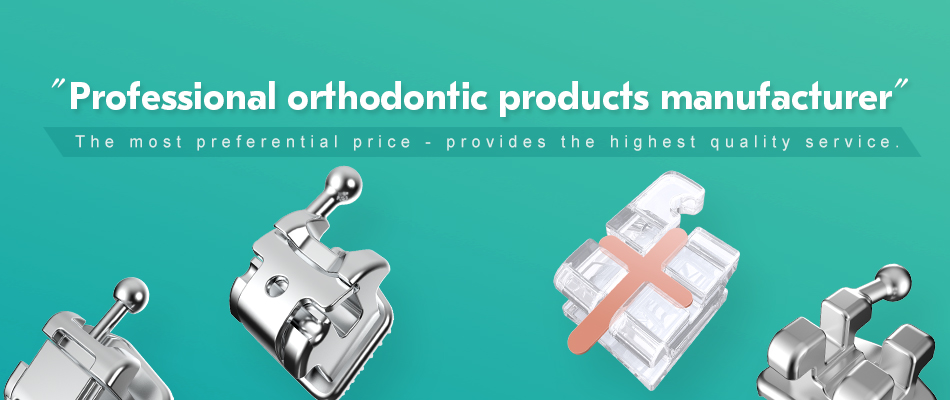

Active brackets provide efficient, precise, and adaptable solutions. They directly address diverse patient demographics and complex clinical requirements. These Orthodotic self-ligating brackets active are prevalent in Asia-Pacific’s emerging orthodontic markets. They offer significant advantages for practitioners and patients.
Key Takeaways
- Active brackets help teeth move better. They use a special clip. This clip holds the wire. It makes treatment faster.
- These brackets are good for Asia-Pacific. They fix many teeth problems. They also help in places with fewer doctors.
- Active brackets make smiles look good. They are less noticeable. They also save time and money for patients.
Understanding Asia-Pacific’s Evolving Orthodontic Landscape
Demographic Shifts and Surging Demand for Orthodontics
The Asia-Pacific region experiences significant demographic changes. A large youth population drives demand for orthodontic services. Rising disposable incomes across many countries also contribute. People prioritize health and aesthetics more now. This increased awareness fuels a growing desire for straighter teeth and improved smiles. Orthodontic treatment is no longer a luxury; it becomes a common health and aesthetic goal.
Prevalent Malocclusions and Unique Treatment Challenges
Asia-Pacific populations often present specific malocclusion patterns. These include severe crowding, bimaxillary protrusion, and skeletal discrepancies. Treating these conditions requires advanced techniques. Genetic factors and dietary habits influence these unique challenges. Clinicians need versatile tools to address this wide range of complex cases effectively.
Infrastructure Limitations and Accessibility Hurdles
Many areas in Asia-Pacific face infrastructure limitations. These include a shortage of trained orthodontists and limited access to advanced dental facilities. Remote and rural communities particularly struggle. Patients travel long distances for specialized care. These hurdles impact treatment continuity and overall patient outcomes. Efficient and adaptable orthodontic solutions become crucial in these settings.
The Mechanics of Orthodotic Self-Ligating Brackets Active
Defining Active Brackets and Their Core Advantages
Active brackets represent a modern approach in orthodontics. They feature a built-in clip or door. This clip holds the archwire in place. Unlike traditional brackets, active brackets do not need elastic ties or ligatures. This design reduces friction between the wire and the bracket. Patients benefit from faster tooth movement. Orthodotic self-ligating brackets active offer greater control over treatment mechanics. They simplify the adjustment process for orthodontists.
Precision and Control for Complex Tooth Movements
The active clip mechanism provides precise control. It applies specific forces to teeth. This allows orthodontists to manage complex tooth movements effectively. They can achieve intricate rotations and torque adjustments. The design ensures consistent force delivery. This consistency is crucial for predictable outcomes. Orthodontists can guide teeth into their ideal positions with greater accuracy. This precision helps treat challenging malocclusions.
Enhanced Efficiency and Reduced Chair Time
Active brackets significantly improve treatment efficiency. The self-ligating design means quicker wire changes. Orthodontists spend less time adjusting brackets. This reduces overall chair time for patients. Fewer appointments may be necessary throughout the treatment period. The reduced friction also allows teeth to move more freely. This often shortens the total treatment duration. Patients appreciate the convenience and faster results.
How Active Brackets Meet Asia-Pacific’s Specific Needs
Effective Management of Diverse Malocclusions
Active brackets effectively manage the varied malocclusions common in Asia-Pacific. These include severe crowding and bimaxillary protrusion. They also address complex skeletal discrepancies. The precise control offered by Orthodotic self-ligating brackets active allows orthodontists to guide teeth accurately. This helps achieve optimal alignment. They can perform intricate rotations and torque adjustments. This versatility makes them suitable for a wide range of challenging cases. Patients receive comprehensive and effective treatment.
Optimizing Treatment in Resource-Constrained Settings
Active brackets prove valuable in areas with limited resources. They reduce the need for frequent, lengthy appointments. This is crucial where orthodontists are few or facilities are distant. Orthodotic self-ligating brackets active simplify the adjustment process. This saves time. It also minimizes the need for extensive equipment during routine visits. Patients in remote areas benefit from fewer trips to the clinic. This improves access to care. It also ensures treatment continuity.
Addressing Growing Aesthetic Demands
The demand for aesthetic orthodontic solutions grows in Asia-Pacific. Active brackets help meet this need. Their design is often more discreet than traditional brackets. Some versions come in clear or tooth-colored materials. This makes them less noticeable. Patients appreciate the improved appearance during treatment. The faster treatment times also mean patients achieve their desired smile sooner. This aligns with their aesthetic goals.
Cost-Effectiveness Through Treatment Efficiency
Active brackets offer significant cost-effectiveness. They reduce overall treatment time. This means fewer appointments for patients. It also frees up chair time for orthodontists. Clinics can treat more patients efficiently. The robust design of Orthodotic self-ligating brackets active minimizes emergency visits. This saves both time and money. Shorter treatment durations lead to lower total costs for patients. This makes orthodontic care more accessible and affordable.
Active brackets offer a strategic solution. They perfectly align with Asia-Pacific’s evolving orthodontic needs. These brackets address challenges in emerging markets. They drive better patient outcomes and improve accessibility. Their efficiency and precision benefit many patients across the region.
FAQ
What are active brackets?
Active brackets feature a built-in clip. This clip holds the archwire in place. They do not use elastic ties. This design reduces friction. It allows for precise tooth movement.
How do active brackets shorten treatment time?
Active brackets reduce friction. This helps teeth move more efficiently. Orthodontists spend less time changing wires. This means fewer and quicker appointments for patients.
Are active brackets suitable for all patients?
Active brackets treat many different malocclusions. They are very versatile. An orthodontist evaluates each patient’s specific needs. They determine the best treatment option for them.
Post time: Dec-04-2025