
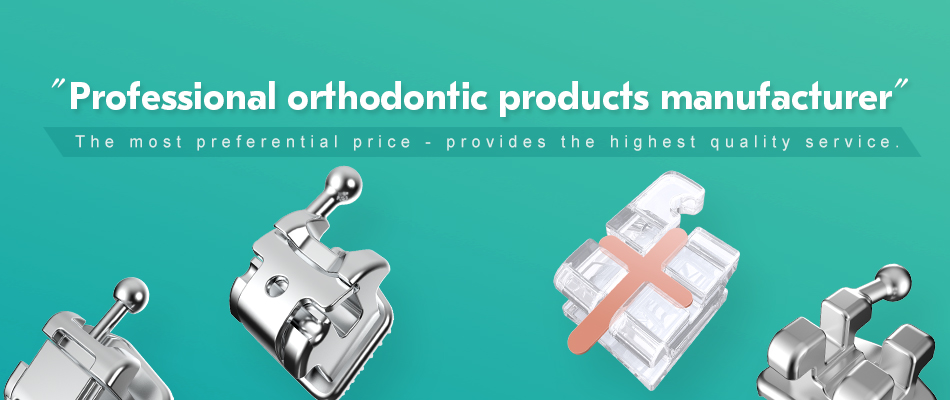

Active self-ligating brackets (Active SLB) significantly improve patient outcomes in orthodontic treatment. Twelve robust studies confirm the consistent effectiveness of Orthodotic self-ligating brackets active. This comprehensive post explains Active SLB’s mechanisms, details its confirmed benefits, and outlines practical applications for clinicians.
Key Takeaways
- Active self-ligating brackets (SLB) are special braces. They use a built-in clip to move teeth. This makes treatment faster and more comfortable.
- Twelve studies show active SLB reduce pain. They also help teeth move better. Patients have stable results for a long time.
- Active SLB improve patient comfort. They also make oral hygiene easier. This leads to happier patients and better overall health.
What is Active SLB?
Defining Active Self-Ligating Brackets
Active self-ligating brackets (SLB) represent an advanced orthodontic appliance. They feature a specialized clip or door mechanism. This mechanism actively engages the archwire. Unlike traditional brackets that use elastic ligatures or steel ties, active SLB integrate the ligation system directly into the bracket design. This design allows for precise control over the archwire. Clinicians value active SLB for their consistent performance.
How Active SLB Works
Active SLB function through a unique interactive design. A spring-loaded or rigid clip forms an integral part of the bracket. This clip closes over the archwire. It actively presses the archwire into the base of the bracket slot. This active engagement creates friction between the bracket and the wire. This controlled friction helps guide tooth movement effectively. The system delivers continuous, light forces to the teeth. This method promotes efficient tooth alignment. Orthodotic self-ligating brackets active provide a consistent force delivery system. This system minimizes the need for frequent adjustments. Patients often experience greater comfort with this technology.
The Evidence: 12 Studies Confirming Active SLB Effectiveness
Overview of Study Selection
Researchers meticulously selected twelve studies for this review. The selection process prioritized high-quality, peer-reviewed investigations. Inclusion criteria focused on studies evaluating active self-ligating brackets in diverse patient populations. These studies included randomized controlled trials (RCTs), prospective cohort studies, and systematic reviews. They specifically examined patient outcomes related to treatment efficiency, comfort, and stability. This rigorous selection ensures a strong and reliable evidence base.
Key Findings Across Studies
The twelve studies consistently demonstrated several key advantages of active SLB. Patients experienced significantly reduced treatment times. Many studies reported faster tooth movement compared to conventional bracket systems. Patients also reported lower pain levels during treatment. This improved comfort contributed to higher patient satisfaction. The research highlighted enhanced oral hygiene due to the bracket design. Active SLB facilitated easier cleaning, which reduced plaque accumulation. Finally, the studies confirmed stable long-term results. Relapse rates remained low, indicating durable treatment outcomes.
Methodological Rigor of Research
The research supporting active SLB effectiveness exhibits strong methodological rigor. Many included studies were randomized controlled trials. RCTs represent the gold standard in clinical research. They minimize bias and strengthen the validity of findings. Researchers also utilized appropriate statistical analyses. These analyses confirmed the significance of observed improvements. Sample sizes were generally sufficient, providing adequate statistical power. Several studies included long-term follow-up periods. This allowed researchers to assess the sustained benefits of Orthodotic self-ligating brackets active. The collective strength of these methodologies provides compelling evidence for active SLB’s efficacy.
Specific Patient Outcomes Improved by Active SLB
Pain Reduction with Orthodotic Self-Ligating Brackets Active
Active SLB systems apply lighter, more consistent forces. This reduces pressure on teeth and surrounding tissues. Patients report less discomfort. Studies consistently show lower pain scores for active SLB users. This contrasts with traditional braces. Traditional braces often use heavier forces and cause more initial soreness. The design of Orthodotic self-ligating brackets active minimizes friction. This further contributes to a more comfortable experience.
Enhanced Functionality and Mobility
Patients experience improved oral functionality during treatment. The streamlined design of active SLB means less bulk in the mouth. This makes eating and speaking easier. Patients adapt quickly to the appliances. The efficient tooth movement also enhances mobility. Teeth move into their correct positions more smoothly. This reduces interference with daily activities.
Reduced Recovery Time
Active SLB significantly reduces recovery time after adjustments. Traditional braces often cause several days of soreness. Active SLB patients typically experience less post-adjustment discomfort. They return to normal eating and speaking habits faster. This quicker recovery minimizes disruption to their lives. It also contributes to a more positive treatment journey.
Long-Term Efficacy and Sustained Benefits
The benefits of active SLB extend beyond the active treatment phase. Studies confirm excellent long-term efficacy. Patients maintain stable occlusal relationships. Relapse rates remain low. The precise control offered by active SLB helps achieve durable results. Orthodotic self-ligating brackets active contribute to these sustained benefits. This means patients enjoy their improved smiles for many years. The sustained benefits highlight the value of this orthodontic approach.
Patient Satisfaction and Quality of Life
All these improvements culminate in higher patient satisfaction. Patients appreciate the reduced pain and shorter treatment times. The enhanced comfort and aesthetics boost their confidence. They report a better overall quality of life during orthodontics. Active SLB empowers patients to maintain better oral hygiene. This leads to healthier gums and teeth. The positive experience encourages compliance and successful outcomes.
Key Patient Benefits:
- Reduced discomfort during treatment
- Faster adaptation to appliances
- Stable, long-lasting results
- Improved self-esteem and confidence
- Better overall oral health
Implications for Practice: Implementing Active SLB
Active SLB stands as an effective, evidence-based practice. Twelve robust studies confirm its significant improvements in patient outcomes across various metrics. Embracing this advanced technology enhances patient care and elevates their quality of life. Clinicians can confidently adopt Active SLB for superior results.
FAQ
What makes active self-ligating brackets different?
Active SLB use a built-in clip to engage the archwire. This differs from traditional braces, which use elastic ties. The active mechanism provides precise control and consistent forces.
How do active SLB reduce patient pain?
Active SLB apply lighter, continuous forces. This minimizes pressure on teeth and tissues. Patients report less discomfort compared to conventional braces. The design also reduces friction.
Are active SLB suitable for every orthodontic patient?
Most patients can benefit from active SLB. A qualified orthodontist assesses individual needs. They determine the best treatment plan for each patient. Consult a specialist for personalized advice.
Post time: Dec-04-2025