
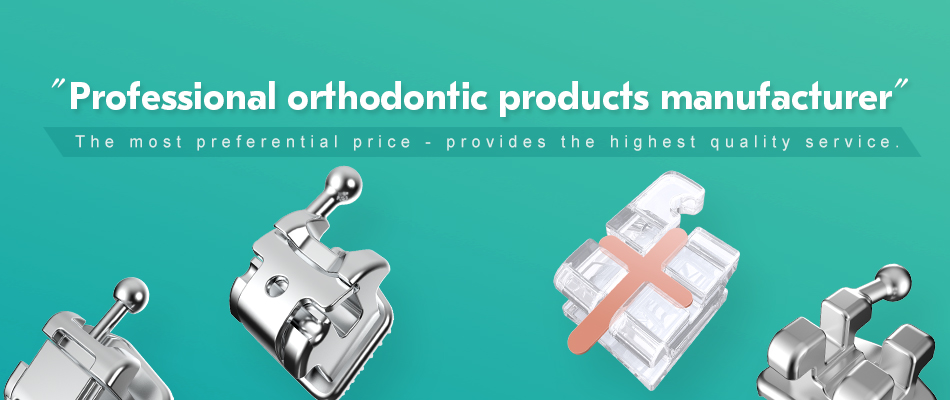

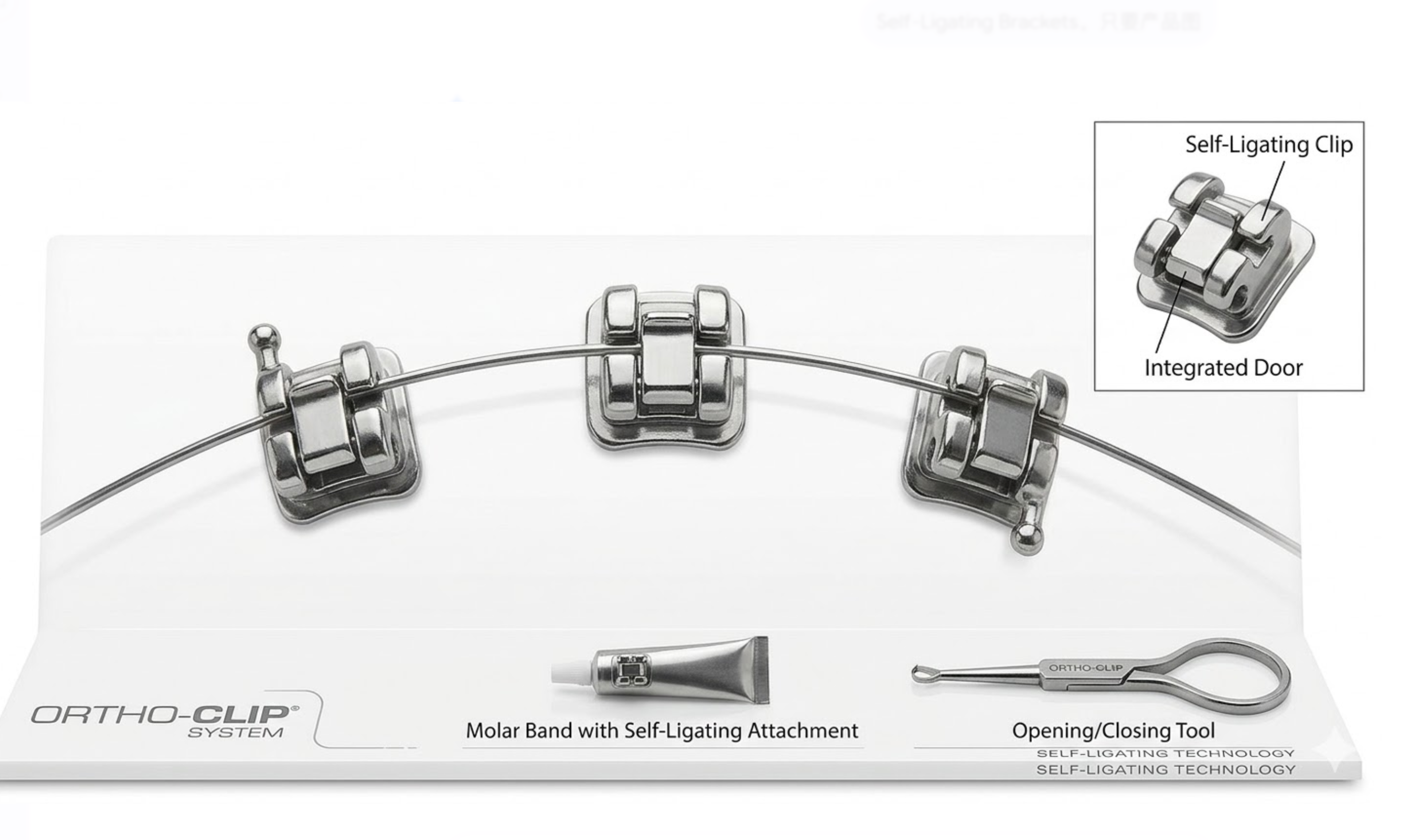
Metal orthodontic brackets demonstrate varying durability across different environments. For instance, brackets used in outdoor settings often face harsher conditions than those in indoor applications. Key factors influencing their longevity include material composition, exposure to moisture, and temperature fluctuations.
Understanding the durability of metal vs ceramic brackets comparison is crucial for users. It aids in selecting the appropriate type for specific applications, ensuring safety and longevity.
In orthodontics, the choice between self‑ligating brackets and traditional options can also impact treatment effectiveness. Additionally, the use of archwires and power chains plays a significant role in the overall performance of the orthodontic system.
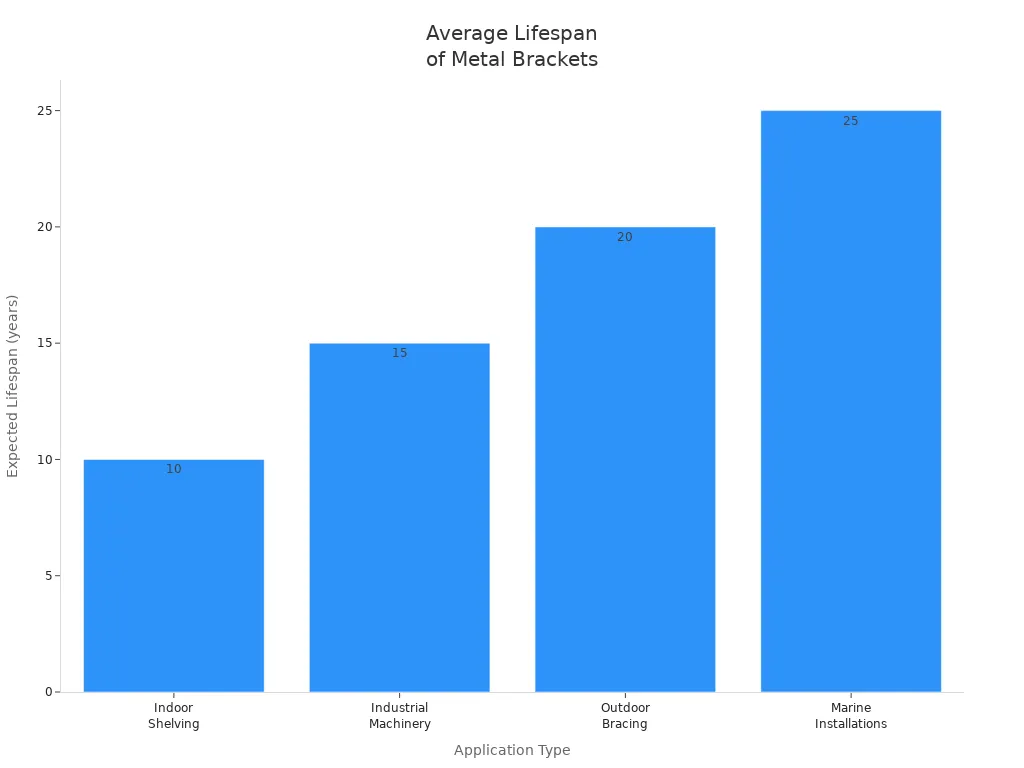
| Application Type | Recommended Material | Expected Lifespan |
|---|---|---|
| Indoor Shelving / Fixtures | Carbon Steel (A36) | 10+ years |
| Industrial Machinery Support | High-Strength Low-Alloy (HSLA) Steel | 15+ years |
| Outdoor Structural Bracing | Weathering Steel (Corten) or Stainless 304 | 20+ years |
| Marine or Coastal Installations | Stainless Steel 316 or Aluminum 5052 | 25+ years |
Key Takeaways
- Choose the right material for your brackets. Stainless steel is best for marine applications due to its high corrosion resistance.
- Assess environmental conditions before selecting brackets. Factors like humidity, temperature extremes, and chemical exposure can affect durability.
- Regular inspections are crucial. Check high-risk structures every six months and low-risk ones every two years to ensure safety.
- Implement proper maintenance practices. Regular cleaning and applying protective coatings can significantly extend the lifespan of metal brackets.
- Understand weight capacity needs. Select brackets based on their load-bearing capabilities to ensure they meet your specific application requirements.
Types of Brackets: Metal
Metal brackets come in various types, each suited for specific applications. Understanding these types helps users select the right bracket for their needs.
Steel Brackets
Steel brackets are widely used in construction and manufacturing due to their strength and durability. They can withstand heavy loads, making them ideal for structural applications. However, their performance in corrosive environments can vary based on their composition. For instance, galvanized steel brackets feature a zinc coating that protects against rust. This sacrificial layer ensures longevity in moist conditions.
Aluminum Brackets
Aluminum brackets are lightweight and resistant to corrosion, making them suitable for applications where weight is a concern. They are often used in aerospace and automotive industries. However, aluminum is less effective in highly corrosive environments compared to stainless steel. Users should consider the specific environmental factors when choosing aluminum brackets.
Stainless Steel Brackets
Stainless steel brackets offer excellent corrosion resistance due to their chromium content. This element forms a protective layer that prevents oxidation, enhancing durability. Stainless steel brackets with at least 10.5% chromium exhibit superior resistance to rust. They are ideal for marine and coastal installations where exposure to saltwater is common. Proper maintenance is essential to ensure the longevity of these brackets.
| Material Type | Corrosion Resistance Description |
|---|---|
| Stainless Steel | Contains chromium (minimum 10.5%) which forms a passive protective layer against oxidation. |
| Galvanized Steel | Coated with zinc that sacrifices itself to protect the base metal from rust. |
| Aluminum | Lightweight but less effective in highly corrosive environments compared to stainless steel. |
Selecting the appropriate type of metal bracket is crucial for ensuring safety and longevity in various applications.
Durability Features of Brackets: Metal
Corrosion Resistance
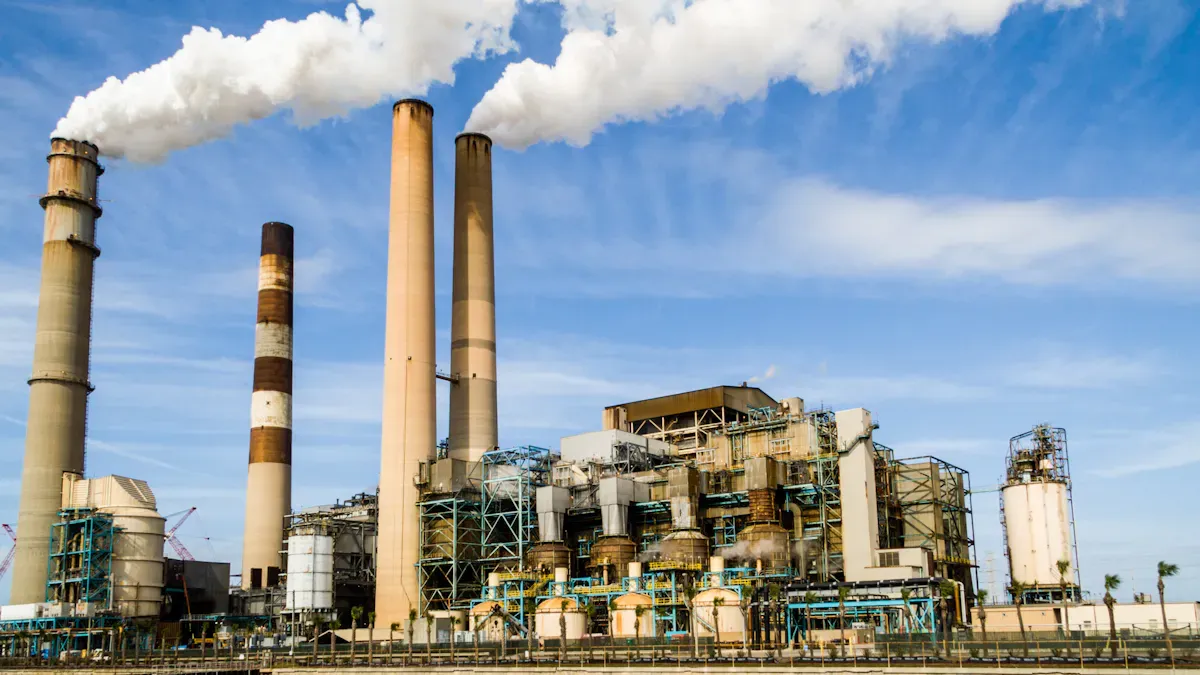
Corrosion resistance is a critical feature of metal brackets. Different alloys exhibit varying levels of resistance to corrosion, especially in harsh environments. For instance, stainless steel brackets, particularly those made from 316-grade steel, demonstrate high resistance to saltwater corrosion. This makes them ideal for marine applications. In contrast, aluminum brackets offer moderate to high corrosion resistance, but they may not perform as well as stainless steel in extremely corrosive conditions.
The following table summarizes the corrosion resistance of various metal alloys based on salt spray testing:
| Metal Alloy | Corrosion Resistance | Notes |
|---|---|---|
| Stainless Steel | High | 304 is decent; 316 is best for marine use. |
| Aluminum | Moderate to High | Marine-grade aluminum is preferred. |
| Bronze | High | Durable and resistant, used in fittings. |
| Copper | High | Excellent resistance but costly. |
Weight Capacity
Weight capacity is another essential durability feature of brackets: metal. Different types of brackets are designed to support varying loads. Light-duty brackets can handle up to 50 lbs, while heavy-duty options can support over 100 lbs. For industrial applications, some brackets can manage loads ranging from 220 to 1100 lbs. Understanding these capacities helps users select the right bracket for their specific needs.
The table below outlines the maximum load capacities for different types of brackets:
| Bracket Type | Maximum Load Capacity (lbs) | Maximum Load Capacity (kg) |
|---|---|---|
| Light-Duty | up to 50 | up to 22.7 |
| Medium-Duty | 50–100 | 22.7–45.4 |
| Heavy-Duty | over 100 | over 45.4 |
| Heavy-Duty (thick) | 200+ | 90.7+ |
| Industrial | 220 to 1100 | 100 to 500 |
Impact Resistance
Impact resistance is vital for brackets used in environments where they may face sudden forces or shocks. Metal brackets, particularly those made from high-strength alloys, can absorb impacts without deforming or breaking. This feature is crucial in construction and industrial settings, where safety and structural integrity are paramount.
Environmental Factors Affecting Longevity
Humidity and Moisture
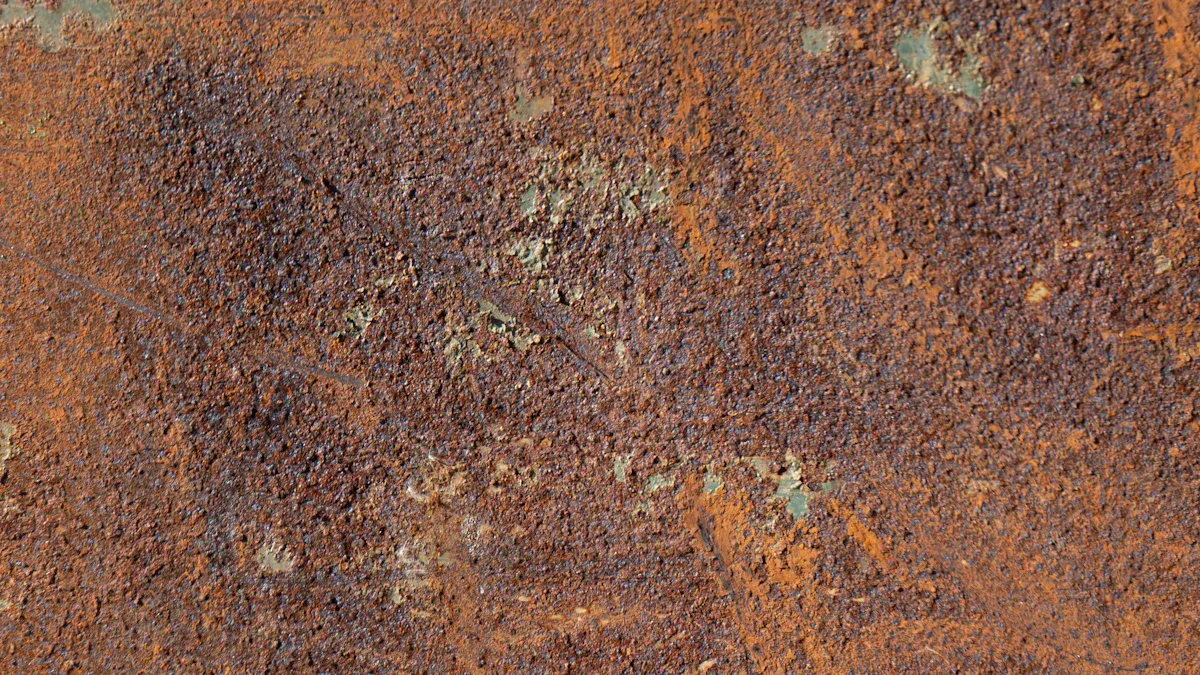
Humidity and moisture significantly impact the lifespan of metal brackets. Prolonged exposure to moisture leads to corrosion, which often begins at scratches and edges where protective coatings are compromised. The following points highlight the effects of humidity on metal brackets:
- Corrosion initiates at vulnerable points, spreading across the surface and diminishing load-bearing capacity.
- Rust can develop, leading to structural weaknesses that may not be immediately visible.
- Moisture can cause fasteners to loosen, resulting in a gradual loss of grip, even if the brackets appear stable.
- Chemical reactions accelerated by moisture can increase wear on metal components.
Field studies indicate that high humidity levels can drastically reduce the lifespan of metal brackets. The table below summarizes various environmental conditions and their impact on the durability of metal brackets:
| Environmental Condition | Impact on Lifespan of Metal Brackets |
|---|---|
| pH Fluctuations | Affects the corrosion resistance and overall durability of the brackets. |
| Temperature Changes | Influences the mechanical properties and can lead to degradation over time. |
| Corrosion | Leads to leaching of harmful metal ions, which can adversely affect health and bracket integrity. |
| Microbial Degradation | Bacterial accumulation can lead to physical property changes and increased friction, reducing lifespan. |
| Enzymatic Degradation | Enzymatic products can affect the metal surface, contributing to wear and tear. |
Temperature Extremes
Temperature extremes also play a crucial role in the longevity of metal brackets. High and low temperatures can affect the mechanical properties of metals, leading to potential failures. The table below outlines critical temperature ranges for various materials used in brackets:
| Material | Temp Range | Best For | Limitations |
|---|---|---|---|
| Silicone | -55°C to 200°C | Outdoor, extreme temp, UV exposure | Poor abrasion resistance, high cost |
| EPDM | -50°C to 150°C | Outdoor weathering, UV/ozone resistance | Poor oil/petroleum resistance |
| Neoprene | -40°C to 100°C | General industrial, acid/base resistance | Poor UV/ozone resistance unless compounded |
| Viton (FKM) | -28°C to 204°C | Chemical/petrochemical, oil resistance | High cost, poor low-temp flexibility |
Extreme temperatures can lead to thermal expansion or contraction, which may compromise the integrity of the brackets. For instance, metal brackets may warp or crack under excessive heat, while cold temperatures can make them brittle.
Chemical Exposure
Chemical exposure is another significant factor that affects the longevity of metal brackets. Various chemicals can corrode metal surfaces, leading to premature failure. Common sources of chemical exposure include:
- Industrial environments where corrosive substances are present.
- Cleaning agents that may react with metal surfaces.
- Environmental pollutants that can accelerate degradation.
Regular assessments of the chemical environment surrounding metal brackets can help mitigate risks. Users should select brackets made from materials that offer enhanced resistance to specific chemicals.
Understanding these environmental factors is essential for selecting the right brackets: metal for various applications. Proper material choice and maintenance can significantly extend the lifespan of metal brackets in challenging environments.
Maintenance Practices for Longevity
Regular Inspections
Regular inspections play a crucial role in extending the lifespan of metal brackets. Manufacturers recommend checking brackets based on the risk level of their application. The following table outlines the suggested inspection frequency:
| Risk Level | Inspection Frequency |
|---|---|
| High-risk structures | Every 6 months |
| Medium-risk structures | At least once a year |
| Low-risk structures | Every 2 years |
Inspectors should look for signs of wear, corrosion, or loose fasteners. Early detection of these issues can prevent premature failure and ensure safety.
Cleaning Techniques
Proper cleaning techniques are essential for maintaining the integrity of metal brackets. Regular cleaning helps remove dirt and contaminants that can lead to corrosion. Recommended practices include:
- Clean with a soft, non-abrasive cloth and mild soapy water.
- For removable brackets, soak them in warm, soapy water and scrub gently.
- Rinse with clean water and dry completely to prevent corrosion.
- Use metal-specific cleaners tailored to the type of metal.
Additionally, a 50-50 solution of distilled white vinegar and water effectively cleans tarnished metals. A paste made from vinegar, flour, and salt can also help buff metal items without damaging their surfaces.
Protective Coatings
Applying protective coatings significantly enhances the corrosion resistance of metal brackets. Various coatings serve different purposes:
- Epoxy Coatings: Provide excellent adhesion and chemical resistance, ideal for industrial environments.
- Zinc-Rich Primers: Offer sacrificial protection by corroding in place of the steel substrate.
- Anodizing: Creates a durable, corrosion-resistant oxide layer on aluminum.
- Powder Coatings: Deliver a tough, long-lasting finish that resists chipping and peeling.
These coatings not only extend the lifespan of brackets: metal but also improve safety by maintaining structural integrity.
Common Concerns About Brackets: Metal
Rust and Corrosion
Rust and corrosion pose significant threats to the longevity of metal brackets. In coastal regions, several factors accelerate these processes:
| Cause | Description |
|---|---|
| Salt Spray | Exposure to salt spray accelerates the deterioration of metals. |
| Salty Air | Salty air contributes to corrosion by increasing the chloride concentration around metal surfaces. |
| Moisture | Moisture in the environment promotes rust formation and corrosion processes. |
| Poor Design Practices | Design flaws can trap water, leading to accelerated corrosion. |
| Inadequate Material Selection | Using materials that are not resistant to corrosion in coastal environments increases risk. |
| Lack of Protective Coatings | Absence of protective coatings allows direct exposure of metals to corrosive elements. |
Users should be aware of different types of corrosion, including uniform corrosion, pitting corrosion, and crevice corrosion. Each type can lead to significant degradation over time.
Structural Integrity Over Time
Structural integrity is crucial for the safety and performance of metal brackets. Over time, metal fatigue can lead to serious issues. Key factors include:
- Metal fatigue leads to the gradual accumulation of damage from repeated stress cycles.
- This results in fatigue cracking and deformation, especially at critical points like welds and bolt holes.
- Regular inspections and non-destructive testing are crucial for early detection of these issues.
Neglecting these factors can result in catastrophic failures, making it essential to monitor the condition of brackets regularly.
Replacement Needs
Replacement needs arise when brackets show signs of significant wear or damage. Factors influencing replacement include:
- Installation errors, such as improper hole drilling, can create stress concentrations that lead to cracking.
- Undersized holes prevent proper anchor expansion, while oversized holes compromise grip strength.
- Inadequate spacing between fixing points results in uneven load distribution, causing some anchors to bear excessive weight.
- Over-tightening fasteners generates localized stress, potentially fracturing materials or creating cracks.
Users should establish a replacement schedule based on inspection findings and environmental conditions to ensure safety and reliability.
Metal brackets exhibit varying durability based on their material and environmental conditions. Key factors influencing longevity include corrosion resistance, weight capacity, and impact resistance.
When selecting metal brackets, consider the following:
- Material Type: Choose stainless steel for marine applications due to its high corrosion resistance.
- Environmental Conditions: Assess humidity, temperature extremes, and chemical exposure.
- Maintenance Needs: Regular inspections and protective coatings can significantly extend lifespan.
Recent research indicates that acid-etched and sandblasted brackets have similar bond failure rates, emphasizing the need for careful selection based on specific applications.
Prioritizing maintenance ensures that metal brackets perform reliably over time, safeguarding structural integrity and safety.
FAQ
What factors affect the lifespan of metal brackets?
Several factors influence the lifespan of metal brackets, including material type, environmental conditions (humidity, temperature, and chemical exposure), and maintenance practices. Regular inspections and protective coatings can also enhance durability.
How often should I inspect metal brackets?
Inspect metal brackets based on their application risk level. High-risk structures require inspections every six months, medium-risk structures annually, and low-risk structures every two years to ensure safety and integrity.
Can I use aluminum brackets in coastal areas?
Aluminum brackets can be used in coastal areas, but they may not perform as well as stainless steel. For optimal corrosion resistance in salty environments, stainless steel is the preferred choice.
What maintenance practices extend the life of metal brackets?
Regular cleaning, inspections, and applying protective coatings significantly extend the life of metal brackets. Cleaning removes contaminants, while inspections detect early signs of wear or corrosion.
How do I choose the right metal bracket for my project?
Select metal brackets based on material properties, environmental conditions, and load requirements. Consider factors like corrosion resistance and weight capacity to ensure safety and longevity in your specific application.
Post time: Mar-14-2026