


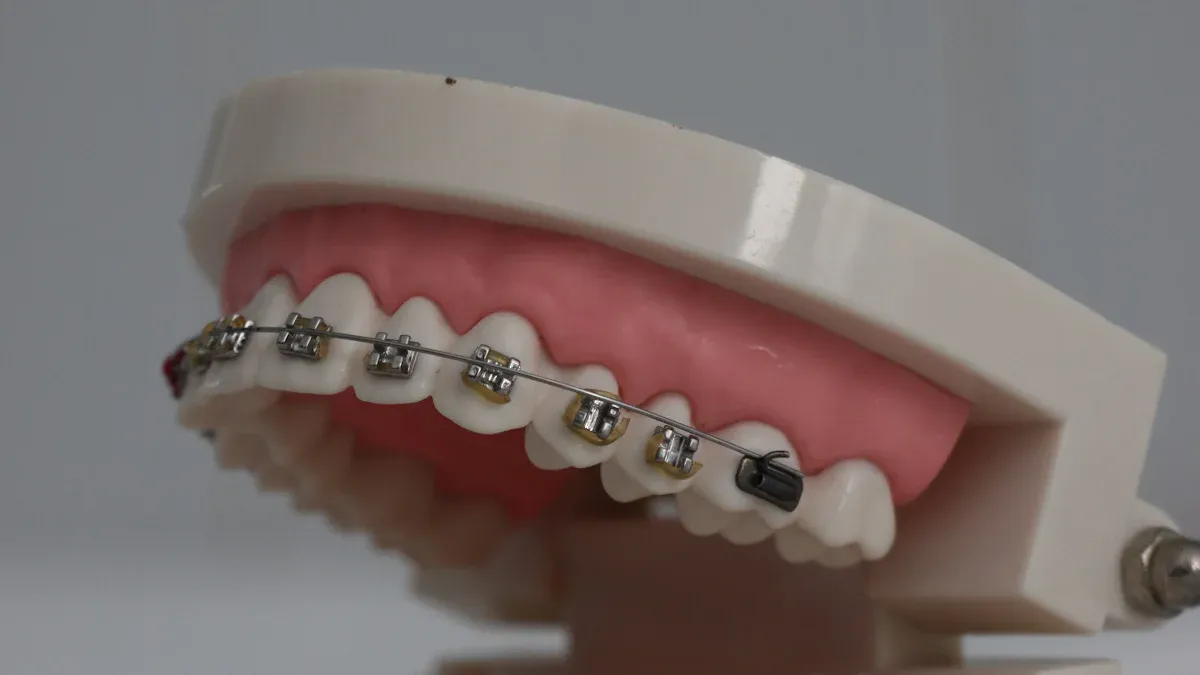
Orthodontic brackets apply steady pressure to teeth, guiding them toward proper alignment. Orthodontic elastics work alongside brackets to enhance this movement. Professionals rely on dental supplies wholesale from CE, FDA certified dental orthodontic product manufacturers to ensure safety and effectiveness. These global orthodontic solutions provide quality materials that support successful treatment. Understanding how these components function clarifies the orthodontic process and highlights the importance of trusted products in achieving optimal results.
Note: Choosing certified orthodontic products ensures patient safety and treatment success.
Key Takeaways
- Orthodontic brackets apply gentle pressure to teeth, guiding them into proper alignment for a healthier smile.
- Understanding the components of brackets, archwires, and ligatures helps patients appreciate the complexity of orthodontic treatment.
- Regular adjustment visits are crucial for monitoring progress and ensuring effective tooth movement throughout the treatment.
- Patient compliance with instructions and oral hygiene practices significantly impacts the success and duration of orthodontic treatment.
- Informed decisions about bracket systems can enhance treatment outcomes and lead to a more confident smile.
Components of Orthodontic Brackets
Brackets
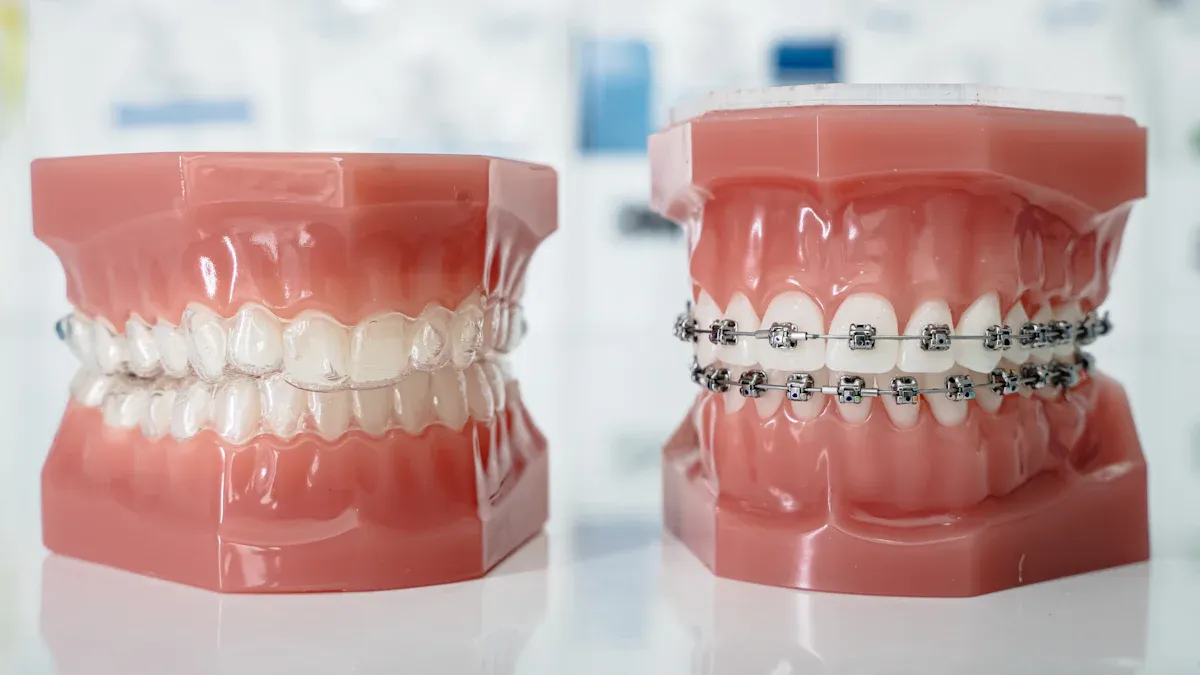
Brackets serve as the primary anchors in orthodontic treatment. They attach directly to the teeth and hold the archwire in place. Most brackets are made from medical-grade stainless steel, which offers durability and strength. Some orthodontists may also use ceramic brackets for aesthetic reasons, as they blend more naturally with tooth enamel.
| Material Type | Properties | Impact on Treatment Outcomes |
|---|---|---|
| Monoblock Brackets | Made from medical stainless steel, one-piece construction, micro-etched base, sandblasted surface | Smoother surface reduces discomfort and irritation, enhancing patient comfort during long-term use. |
The design of brackets allows for precise control over tooth movement. They come in various shapes and sizes to accommodate different dental needs.
Archwires
Archwires connect the brackets and provide the necessary force to move teeth into alignment. The choice of archwire material significantly influences treatment speed and effectiveness.
- Stainless steel archwires have the lowest coefficient of friction, allowing for easier tooth movement.
- NiTi (Nickel-Titanium) archwires also exhibit low friction, while beta-titanium wires have the highest friction, which can impede movement.
- Improved superelastic archwires show the lowest friction when used with ceramic brackets, promoting faster tooth movement.
Lighter forces from archwires lead to smaller areas of hyalinization, which resorb quickly, facilitating early tooth movement. Conversely, heavy forces can increase vascular pressure and reduce cellular activity, slowing down the process.
Ligatures
Ligatures play a crucial role in securing archwires to brackets. They ensure that the archwire remains firmly in place, allowing for effective force transmission to the teeth.
- Orthodontic elastic ligature ties secure the archwire firmly into the slot of each bracket.
- This secure connection is essential for effective force transmission from the archwire to the teeth.
- Ligatures maintain constant contact between the archwire and brackets, preventing slippage.
Regular replacement of ligatures is necessary to maintain their effectiveness. Different types of ligatures can impact oral hygiene during treatment. For instance, elastomeric ligatures, made from porous organic material, can promote bacterial retention. In contrast, stainless steel ligatures, composed of smooth inorganic metal, reduce bacterial adhesion and support better periodontal health.
- Stainless steel ligatures show the least plaque accumulation among tested ligature types.
- Elastomeric ligatures exhibit the highest plaque accumulation and bacterial colonization, which can negatively affect oral hygiene.
Understanding these components helps patients appreciate the complexity of orthodontic treatment and the importance of each part in achieving a healthy smile.
How Orthodontic Brackets Move Teeth
Pressure Application
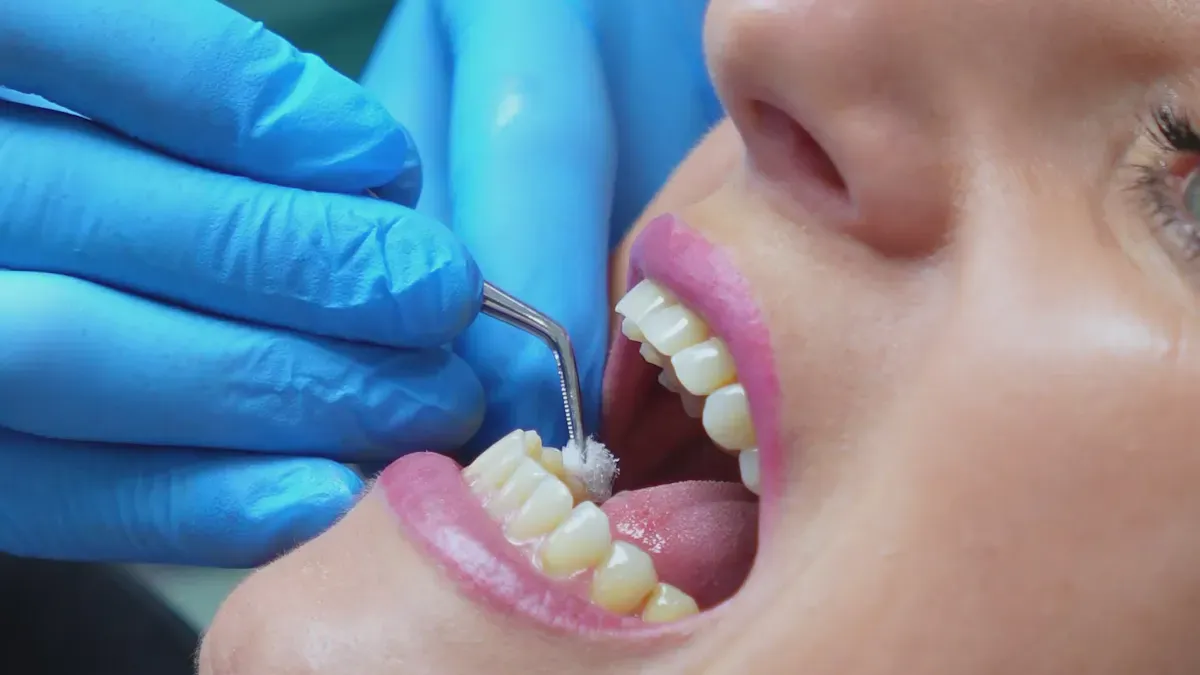
Orthodontic brackets apply continuous, gentle forces to teeth through the archwires connected to them. This mechanism is crucial for effective tooth movement. When brackets bond to each tooth, they create a system that allows for precise control over the direction and amount of force applied.
- The archwires exert pressure on the brackets, which in turn applies force to the teeth.
- This pressure generates areas of compression on one side of the tooth and tension on the opposite side.
- The body responds to this pressure by initiating biological processes in the periodontal ligament.
The typical force range applied by orthodontic brackets is approximately 15 to 150 grams. This range is essential for safe tooth movement. Excessive force can damage teeth or surrounding tissues, while insufficient force fails to produce effective movement. The gentle pressure stimulates the periodontal ligament without causing harm, allowing for gradual tooth repositioning.
Bone Remodeling
Bone remodeling is a critical biological process that occurs during orthodontic treatment. It involves the resorption of bone on the compression side of the tooth and the formation of new bone on the tension side. This dynamic process allows teeth to shift into their desired positions effectively.
- The RANK-RANKL-OPG system plays a vital role in regulating this remodeling process. It controls the development and activity of osteoclasts, the cells responsible for bone resorption.
- Mechanical stimuli from the orthodontic brackets affect both the periodontal ligament and the alveolar bone, leading to osteoclastic resorption and osteoblastic formation.
- Inflammatory processes, mediated by factors such as IL-1 and TNF-a, are prerequisites for effective remodeling. These mediators influence osteoclastic activity, facilitating the movement of teeth.
Understanding these mechanisms highlights the complexity of orthodontic treatment. The interplay between pressure application and bone remodeling ensures that teeth move safely and effectively into their new positions.
The Orthodontic Treatment Process
Initial Consultation
The orthodontic treatment process begins with an initial consultation. During this visit, the orthodontist conducts a thorough examination of the patient’s teeth, jaws, and bite. This assessment includes:
- A painless visual check of teeth and jaws to identify crowding, spacing, and misalignment.
- Diagnostic records, such as X-rays, photographs, and impressions or digital scans, to create detailed models of the patient’s dental structure.
- Evaluation of bite types, including overbite, underbite, and crossbite, to understand how teeth fit together.
These assessments help the orthodontist develop a personalized treatment plan tailored to the patient’s specific needs.
Bonding of Brackets
Once the treatment plan is established, the next step involves bonding the orthodontic brackets to the teeth. This process includes several key steps:
- The orthodontist cleans and conditions the tooth surface using an etching material to create microporosities in the enamel.
- A composite resin paste is applied to the back of each bracket.
- The brackets are carefully placed on the prepared teeth.
- An LED light is used to cure the adhesive, securing the brackets in place.
The bond strength between the brackets and enamel is crucial for treatment success. It must withstand chewing forces while allowing for safe removal at the end of treatment.
Adjustment Visits
Adjustment visits are essential throughout the orthodontic treatment process. These appointments typically occur every 4 to 8 weeks, allowing the orthodontist to monitor progress and make necessary adjustments. During these visits, the orthodontist will:
- Review the patient’s progress and discuss any concerns.
- Change the archwire or adjust the existing one to exert new forces on the teeth.
- Replace ligatures that hold the wire to the brackets.
- Add or adjust components like springs or power chains for specific movements.
These adjustments ensure that the orthodontic brackets continue to apply the correct amount of pressure, guiding the teeth into their desired positions effectively.
Importance of Understanding Orthodontic Brackets
Informed Decisions
Understanding orthodontic brackets is essential for patients considering treatment. Knowledge about how these devices function allows individuals to make informed choices. Patients should recognize that orthodontic treatment involves more than just achieving a beautiful smile. They must grasp the biological and mechanical principles behind tooth movement.
It is important to understand that there are many factors that go into orthodontic treatment. It is not only about making a beautiful smile. It is important to understand the basic tenets of biology and physiology and to know how and where to move the teeth. It is also important to understand the mechanics and engineering involved in moving the teeth.
Patients should also consider their specific needs and aesthetic preferences when selecting a bracket system. This individualized approach is crucial for making informed decisions about orthodontic treatment.
Enhanced Compliance
Patient compliance significantly influences the effectiveness of orthodontic bracket treatment. Adherence to professional instructions and maintaining good oral hygiene practices are vital for successful outcomes. Research shows that while many patients possess good knowledge about orthodontic treatment, their practical application often falls short. Continuous reinforcement of oral hygiene is necessary throughout the treatment process.
- Clinical studies indicate that patient compliance is crucial for the success of orthodontic bracket treatment.
- Each missed appointment can add approximately one month to treatment time.
- Inefficient oral hygiene contributes an additional 0.67 months to treatment duration.
Understanding the importance of compliance can motivate patients to follow their orthodontist’s recommendations closely. This commitment not only enhances treatment efficiency but also improves overall satisfaction with the orthodontic experience.
Understanding how orthodontic brackets work is crucial for patients. Knowledge empowers individuals to make informed choices about their dental health. Consider the following long-term benefits of orthodontic treatment:
- Preventing Tooth Decay and Gum Disease: Proper alignment makes oral hygiene easier.
- Reducing Wear and Tear on Teeth: A balanced bite minimizes excessive wear.
- Improving Digestion and Overall Health: Correct alignment aids in better chewing.
- Preventing Jaw Problems: Aligned teeth reduce stress on the jaw joint.
- Boosting Confidence and Mental Health: A straighter smile enhances self-esteem.
Orthodontic treatment not only leads to a healthier smile but also fosters confidence. Embrace the journey toward a more confident you!
FAQ
What are orthodontic brackets made of?
Orthodontic brackets typically consist of medical-grade stainless steel or ceramic. Stainless steel offers durability, while ceramic brackets provide a more aesthetic option, blending with tooth enamel.
How long does orthodontic treatment usually take?
Treatment duration varies based on individual needs, but it generally lasts between 12 to 36 months. Factors influencing this timeline include the complexity of the case and patient compliance.
Are orthodontic brackets painful?
Patients may experience mild discomfort after adjustments. This sensation usually subsides within a few days. Over-the-counter pain relievers can help alleviate any discomfort during this period.
Can I eat normally with braces?
Most patients can eat normally, but they should avoid hard, sticky, or chewy foods that may damage brackets or wires. Orthodontists often provide a list of foods to avoid during treatment.
How often should I visit the orthodontist?
Patients typically visit the orthodontist every 4 to 8 weeks for adjustments. Regular appointments ensure that the treatment progresses as planned and allows for timely modifications to the braces.
Post time: Mar-25-2026