
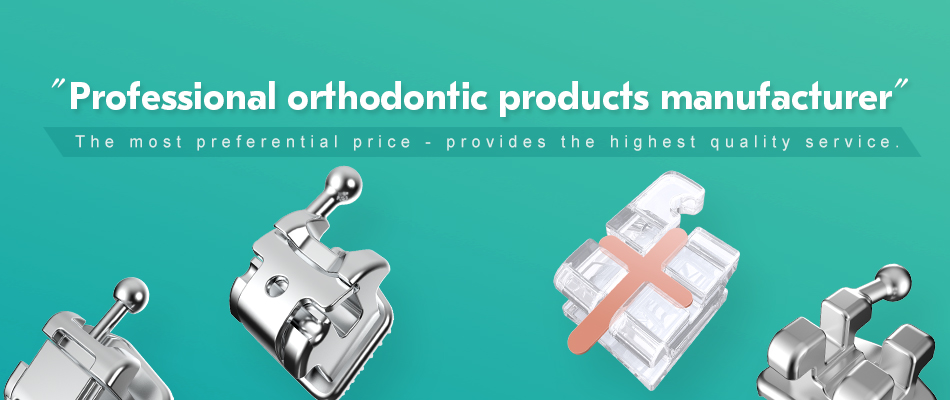

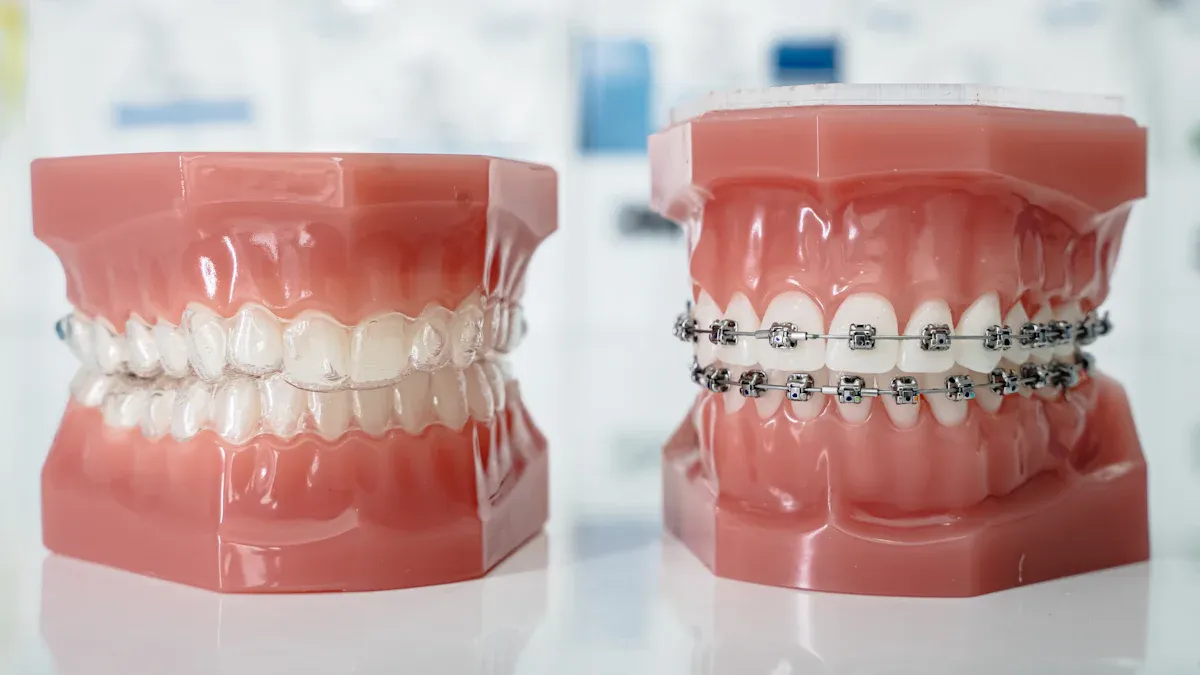
Self-ligating brackets offer a revolutionary approach to orthodontic treatment, significantly reducing the time required for effective results. The benefits of ceramic self-ligating brackets are particularly noteworthy, as they combine aesthetics with functionality. These innovative devices can lead to a 25% reduction in treatment duration compared to traditional braces. The Denrotary MS3 bracket features a design that allows for efficient force delivery and minimizes friction, utilizing low friction orthodontic technology to promote faster tooth movement. Numerous clinical studies have confirmed the advantages of self-ligating systems, addressing the question of what is the clinical efficiency difference between self-ligating and conventional brackets. Additionally, patients can save considerable treatment time using self-ligating brackets, making them a compelling choice for those seeking quicker orthodontic solutions.
Key Takeaways
- Self-ligating brackets can reduce orthodontic treatment time by 25%, making them a faster option than traditional braces.
- These brackets use a built-in clip mechanism, which minimizes friction and allows for smoother tooth movement, enhancing comfort.
- Patients enjoy improved oral hygiene with self-ligating brackets, as they lack elastic ties that trap food and plaque.
- Fewer adjustments are needed with self-ligating brackets, typically every 8-12 weeks, saving time and reducing office visits.
- Overall, self-ligating brackets provide a more efficient and pleasant orthodontic experience, leading to higher patient satisfaction.
Unique Features of Self-Ligating Brackets
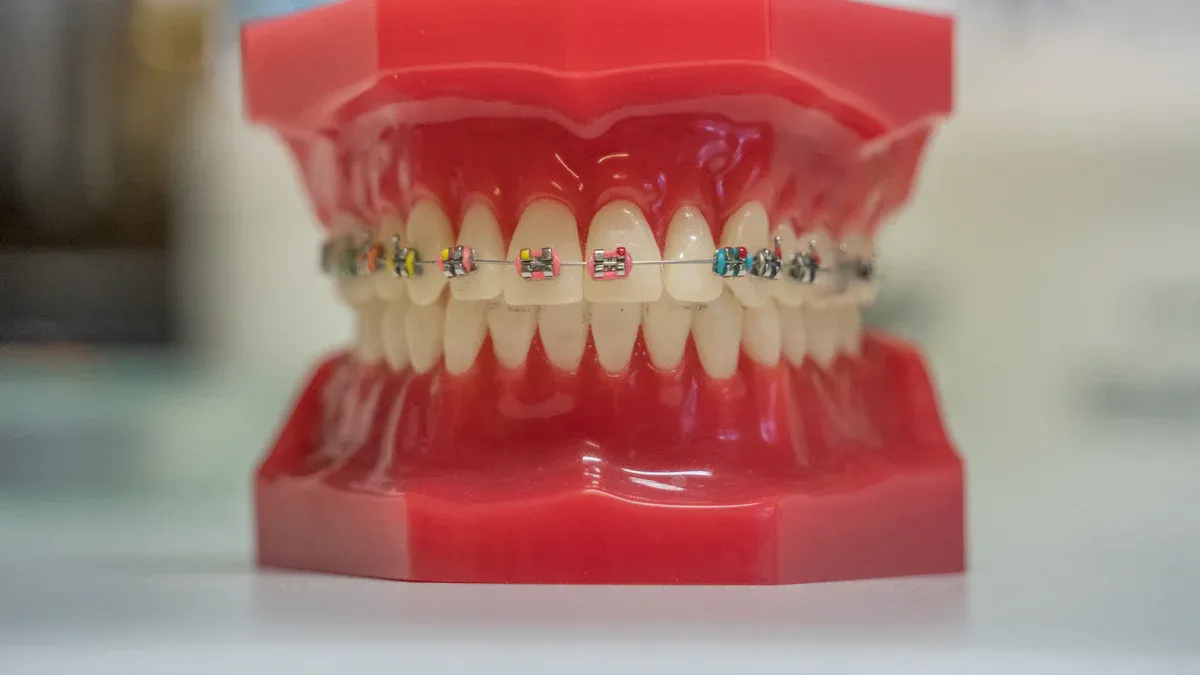
Self-ligating brackets stand out due to their innovative design and functionality. These brackets utilize a built-in mechanism, often referred to as a clip or door, to secure the arch wire. This design eliminates the need for traditional elastic ligatures or metal ties, which are common in conventional brackets. The following table summarizes the primary design features that distinguish self-ligating brackets from their conventional counterparts:
| Feature | Self-Ligating Brackets | Conventional Brackets |
|---|---|---|
| Ligation Method | Built-in mechanism (clip or door) | Elastic ligatures or metal ties |
| Friction Levels | Reduced friction due to sliding mechanism | Higher friction from elastic ligatures |
| Force Transmission | More efficient and direct to the tooth | Requires greater forces to overcome friction |
| Patient Comfort | Generally reported as more comfortable | Can cause more discomfort due to friction |
The clip mechanism in self-ligating brackets plays a crucial role in reducing friction during tooth movement. This design allows the arch wire to slide more freely through the bracket, resulting in less resistance compared to conventional brackets. Research indicates that self-ligating brackets produce significantly less friction than traditional options. Active self-ligating brackets show reduced frictional resistance, while passive self-ligating brackets exhibit even lower friction levels, enhancing the efficiency of tooth movement.
Additionally, self-ligating brackets are designed with patient comfort in mind. Many users report a more pleasant experience during treatment, as these brackets tend to cause less irritation to the gums and surrounding tissues. This combination of reduced friction and increased comfort makes self-ligating brackets a preferred choice for many orthodontic patients.
Mechanisms of Self-Ligating Brackets for Faster Treatment
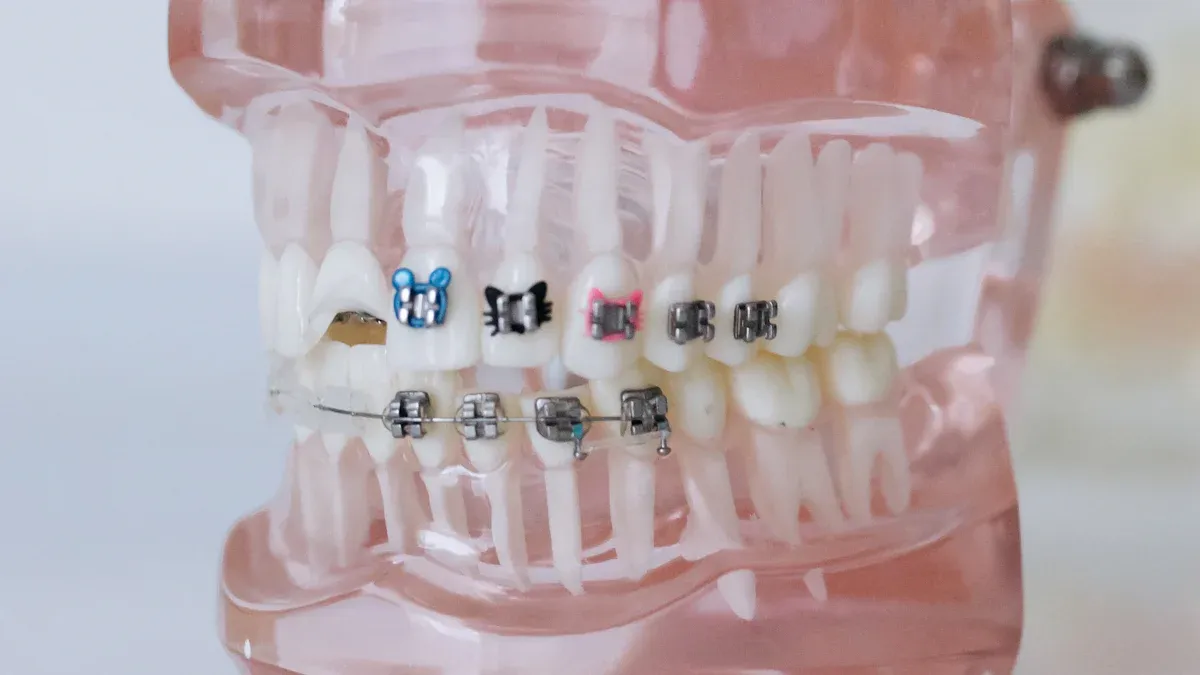
Self-ligating brackets utilize advanced mechanisms that enhance the efficiency of orthodontic treatment. Their unique design allows for smoother tooth movement, which significantly reduces treatment time. Here are some key mechanisms that contribute to their effectiveness:
- Built-in Clip Mechanism: Self-ligating brackets feature a spring-loaded clip that securely holds the archwire. This design eliminates the need for elastic bands or metal ties, which are common in traditional braces. By removing these ligatures, self-ligating brackets minimize friction, allowing the archwire to slide more freely. This results in smoother and more efficient tooth movement.
- Reduced Friction: The absence of elastic ties in self-ligating brackets leads to a significant reduction in friction. Research indicates that this reduction enhances orthodontic efficiency and contributes to superior treatment outcomes. With less friction, the archwire can exert continuous, light forces on the teeth, promoting faster alignment.
- Extended Adjustment Intervals: Traditional braces typically require adjustments every 4-6 weeks. In contrast, self-ligating brackets can extend adjustment intervals to every 8-12 weeks. This longer duration between appointments not only saves time for patients but also allows for more consistent tooth movement without frequent interruptions.
- Efficient Force Transmission: Self-ligating brackets transmit forces more efficiently to the teeth. This efficiency leads to greater changes in dental arch parameters compared to traditional brackets. Although research shows that these changes do not always translate into clinically significant differences in the overall rate of tooth movement, they still contribute to a more streamlined treatment process.
The following table summarizes key findings related to the mechanisms of self-ligating brackets:
| Evidence Description | Key Findings |
|---|---|
| Active self-ligating brackets reduce treatment time by 22%. | This reduction is attributed to their unique mechanism and design, which minimizes friction. |
| The absence of elastic ties significantly reduces friction. | Less friction allows the archwire to slide more freely, enabling smoother tooth movement. |
| Active self-ligating brackets often reduce treatment time by about 30%. | Their design allows for continuous, light forces, leading to more efficient tooth movement. |
| The built-in clip of self-ligating brackets eliminates the need for external ligatures. | This design allows the archwire to move more freely, reducing friction compared to traditional braces. |
Comparative Effectiveness of Self-Ligating Brackets vs. Traditional Braces
When comparing self-ligating brackets to traditional braces, several factors come into play, including treatment duration, patient comfort, oral hygiene, and overall effectiveness. Research provides valuable insights into these differences.
- Treatment Duration: A review of 399 articles narrowed down to 13 studies revealed that self-ligating brackets often resulted in longer total treatment durations. While some studies indicated that self-ligating systems may require more appointments, they also showed a significant advantage in chair time. This means that although the overall treatment may take longer, patients spend less time in the orthodontist’s chair during each visit.
- Alignment Speed: Studies indicate no significant difference in the initial rate of alignment between self-ligating brackets and traditional braces. Both systems perform similarly in terms of alignment speed, suggesting that patients can expect comparable results regardless of the bracket type.
- Patient Discomfort: Research shows that there is no significant difference in discomfort or pain levels between self-ligating brackets and conventional braces. Both types of brackets result in similar pain experiences, indicating that discomfort should not be a deciding factor when choosing between these orthodontic options.
- Oral Hygiene Maintenance: Self-ligating braces simplify oral hygiene maintenance because they lack elastic ties. This design makes it easier to clean around the brackets. In contrast, traditional braces, which use elastics, can trap food particles and plaque more easily, necessitating more careful cleaning to maintain oral hygiene.
- Cost Comparison: The cost of orthodontic treatment can vary significantly. Here is a summary of the cost ranges for both types of braces:
| Type of Braces | Cost Range |
|---|---|
| Traditional Braces | $3,000 to $7,000 |
| Self-Ligating Braces | $3,500 to $6,500 |
- Long-Term Stability: A 2014 study involving 60 participants compared the long-term stability of traditional braces and self-ligating braces. The findings concluded that there was no significant difference between the two, suggesting that both options provide similar long-term results.
Additional Benefits of Self-Ligating Brackets
Self-ligating brackets offer several advantages beyond their ability to shorten treatment time. These benefits enhance the overall orthodontic experience for patients. Here are some key additional benefits:
- Improved Oral Hygiene: Self-ligating brackets eliminate the need for elastic ties, which often trap food particles and plaque. This design reduces areas where plaque can accumulate, making it easier for patients to maintain oral hygiene. As a result, patients experience:
- Lower risk of tooth decay and gum inflammation.
- Easier cleaning, which decreases the chances of developing white spots, cavities, or gum issues.
- A whiter smile throughout orthodontic treatment due to minimized plaque buildup.
- Reduced Risk of Enamel Decalcification: Studies indicate that there is no statistically significant difference in the formation of white spot lesions, a key indicator of enamel decalcification, between self-ligating and conventional brackets. This suggests that patients using self-ligating brackets can maintain better enamel health during treatment.
- Fewer Emergency Visits: The secure engagement of the archwire in self-ligating brackets minimizes complications such as broken elastic chains. This leads to:
- Fewer instances of loose brackets, reducing the need for emergency appointments.
- A more efficient experience for patients, as they spend less time in the orthodontist’s office.
- Simplified Maintenance: The absence of elastic bands simplifies the maintenance of self-ligating brackets. This design reduces the likelihood of broken bands, which can lead to fewer emergency visits and a smoother treatment process.
The following table summarizes findings related to plaque accumulation with self-ligating brackets:
| Study | Findings |
|---|---|
| Pellegrini et al. | Self-ligating brackets had lower levels of plaque accumulation compared to conventional brackets. |
| General findings | Most individuals with self-ligating brackets had a lower count of bacteria in plaque compared to those with conventional brackets. |
Patient Experience with Self-Ligating Brackets
Patients often report positive experiences when using self-ligating brackets. These brackets enhance comfort and streamline the orthodontic process. Many individuals appreciate the reduced friction associated with self-ligating systems, which allows for smoother tooth movement. This design feature contributes to shorter treatment times, making the overall experience more efficient.
A survey of orthodontists revealed that 66.8% believe self-ligating brackets improve patient comfort. Patients frequently express satisfaction with their treatment, as shown in the following table:
| Bracket Type | Patient Satisfaction Level | Treatment Time | Appointments Required |
|---|---|---|---|
| Damon SL Brackets | Higher | Shorter | Fewer |
| Conventional Brackets | Lower | Longer | More |
Patients describe their comfort levels with self-ligating brackets as generally higher than those with traditional braces. While studies indicate comparable pain levels between both types, many patients report experiencing less pressure with self-ligating options. This leads to a more pleasant orthodontic journey.
Adjustment pain typically peaks within the first two days after placement. However, studies show that pain experiences do not significantly differ between self-ligating and conventional brackets during the first week. Patients often find that the overall discomfort is manageable, allowing them to maintain compliance with treatment protocols.
Self-ligating brackets also promote better oral hygiene. Their design minimizes food particle accumulation, making cleaning easier. This benefit encourages patients to maintain their oral health throughout treatment. Additionally, fewer adjustments and less frequent visits to the orthodontist enhance convenience, further improving the patient experience.
Self-ligating brackets present a modern solution for orthodontic treatment. They offer several advantages that make them a compelling choice for patients. Key benefits include:
- Faster Treatment Times: Self-ligating brackets can shorten treatment duration by 6–9 months compared to traditional braces.
- Enhanced Comfort: Their design reduces friction, leading to a more comfortable experience.
- Improved Oral Hygiene: The absence of elastic ties simplifies cleaning, promoting better oral health.
Orthodontists increasingly recommend self-ligating brackets due to their effectiveness and patient satisfaction. As a result, these brackets continue to gain popularity in orthodontic practices.
FAQ
What are self-ligating brackets?
Self-ligating brackets are orthodontic devices that use a built-in mechanism to hold the archwire. This design eliminates the need for elastic ties, reducing friction and allowing for smoother tooth movement.
How do self-ligating brackets improve comfort?
Self-ligating brackets minimize friction during treatment. Patients often report less irritation to gums and surrounding tissues, leading to a more comfortable orthodontic experience compared to traditional braces.
Are self-ligating brackets more expensive than traditional braces?
Self-ligating brackets typically range from $3,500 to $6,500, while traditional braces range from $3,000 to $7,000. The cost may vary based on individual treatment needs and orthodontist fees.
How often do I need adjustments with self-ligating brackets?
Patients with self-ligating brackets usually require adjustments every 8-12 weeks. This longer interval between appointments allows for more consistent tooth movement and saves time for patients.
Can I maintain good oral hygiene with self-ligating brackets?
Yes, self-ligating brackets simplify oral hygiene. Their design reduces plaque accumulation, making it easier for patients to clean around the brackets and maintain better oral health throughout treatment.
Post time: Mar-04-2026