
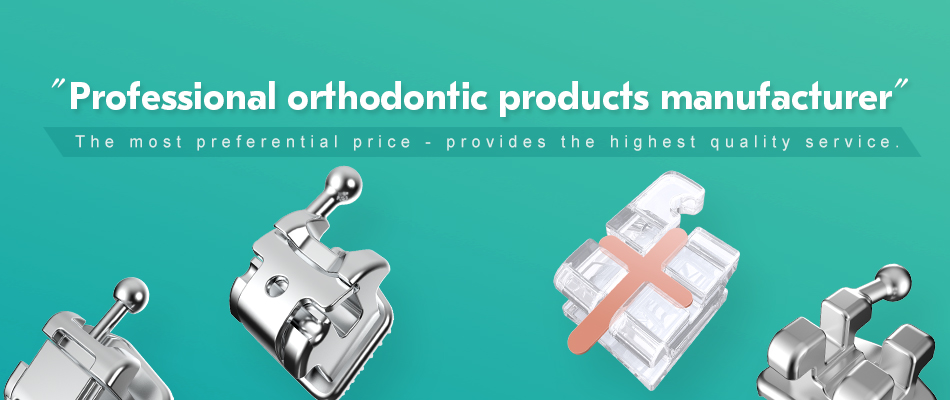

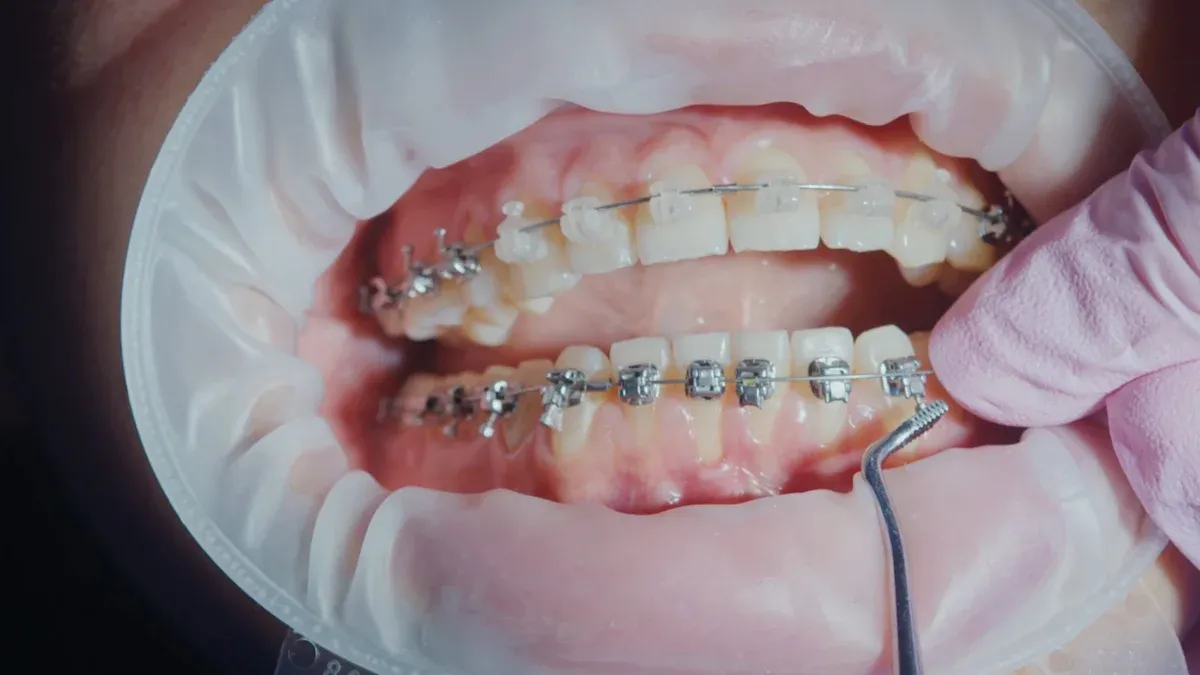
Selecting the right Orthodontic Brackets is crucial for any practice. These brackets significantly impact patient outcomes and practice efficiency. A Top-rated Brackets Factory provides high-quality products. For example, Self Ligating Brackets offer distinct advantages. Reliable Dental Suppliers, often China Orthodontic Manufacturers, guide decisions. Key factors like treatment complexity and patient needs should always guide this choice.
Key Takeaways
- Different types of orthodontic brackets exist. These include metal, ceramic, self-ligating, and lingual options. Each type has unique benefits for patients.
- Consider patient needs when choosing brackets. Factors like age, lifestyle, and how much they care about appearance are important. This helps pick the best treatment.
- Bracket choice affects treatment time and comfort. Self-ligating brackets can reduce chair time. Some brackets are more comfortable than others.
- Cost and durability are important for your practice. Metal braces are often cheaper. Ceramic brackets can be more durable. This impacts your practice’s budget.
- Good communication with patients is key. Explain all bracket options clearly. Manage their expectations about discomfort, treatment length, and cost.
Understanding Different Types of Orthodontic Brackets
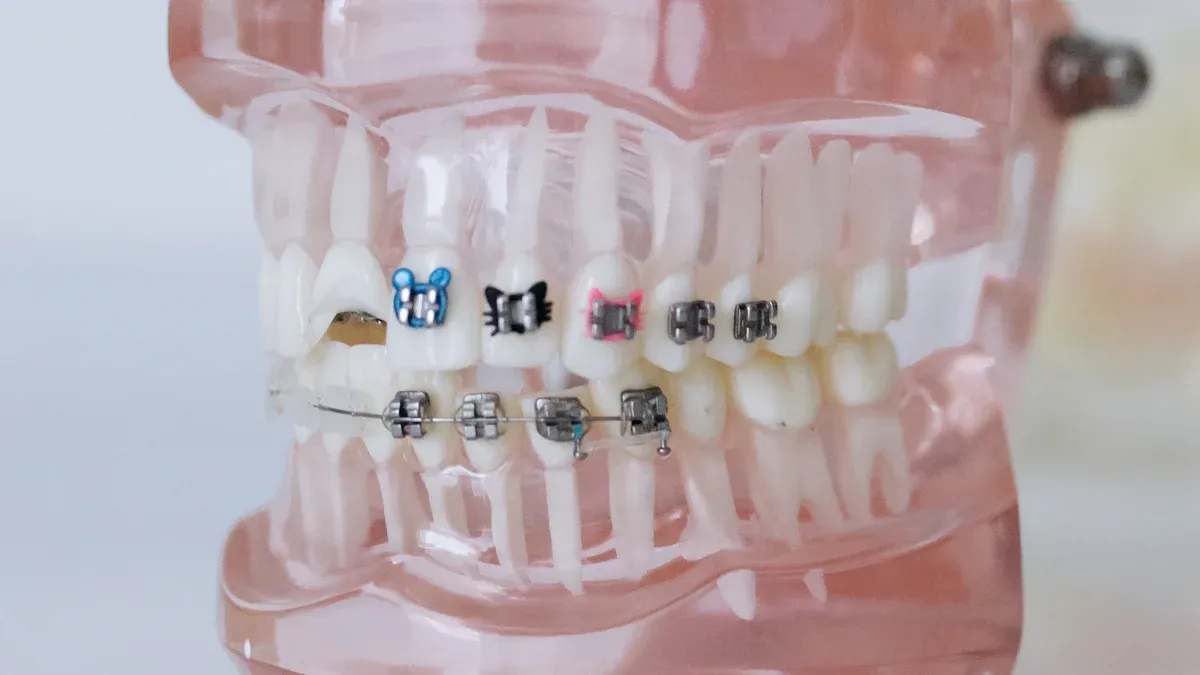
Orthodontic practices offer various bracket types. Each type presents unique advantages for patients and clinicians. Understanding these differences helps practices make informed decisions.
What are Traditional Metal Orthodontic Brackets?
Traditional metal brackets represent the most common type of orthodontic appliance. They consist of high-grade stainless steel. These brackets are durable and highly effective for correcting a wide range of orthodontic issues. A small elastic band, called a ligature, holds the archwire in place. This design allows orthodontists precise control over tooth movement. Traditional metal brackets are a reliable choice for many patients. They effectively address complex cases, including severe overcrowding, large gaps, or significant bite problems. For conventional metal braces, most patients can expect to wear them for 18 to 36 months. The exact duration depends on the complexity of the orthodontic issue. Regular adjustments ensure consistent progress throughout this period.
What are Aesthetic Ceramic Orthodontic Brackets?
Aesthetic ceramic brackets offer a less noticeable alternative to metal braces. They blend with the natural tooth color. This makes them a popular choice for adult patients and adolescents concerned about appearance. Ceramic brackets are primarily made from aluminum oxide. This material is available in polycrystalline or monocrystalline forms. Recent advancements have also introduced zirconia-based ceramic brackets (ZrO₂). These offer enhanced mechanical properties. Ceramic brackets provide effective tooth movement. They maintain a discreet appearance during treatment.
What are Self-Ligating Orthodontic Brackets?
Self-ligating brackets represent an innovative advancement in orthodontics. These brackets feature a built-in clip or door mechanism. This mechanism holds the archwire directly. It eliminates the need for elastic ligatures. This design can reduce friction between the wire and the bracket. It may also lead to fewer appointments and potentially shorter treatment times. Self-ligating brackets come in both metal and clear (aesthetic) options. They offer a streamlined approach to orthodontic treatment. Many patients find them more comfortable due to the absence of elastic ties. This also simplifies oral hygiene.
What are Lingual Orthodontic Brackets?
Lingual Orthodontic Brackets offer a discreet treatment option. Orthodontists place these brackets on the inside surface of the teeth. This makes them virtually invisible from the outside. This type of bracket appeals to patients who prioritize aesthetics during their orthodontic journey. Lingual orthodontics has seen significant advancements. These include the introduction of entirely customized bracket systems and personalized, robotically bent wires. These innovations address challenges like reduced interbracket distance and the difficulty of manual archwire bending. They provide a more precise and efficient treatment approach. For example, Incognito was the first fully customized lingual appliance. It featured brackets and archwires tailored for each patient based on a dental arch setup. Insignia by Ormco also offers customized brackets and archwires. Orthodontists receive these after a digital setup of the patient’s dental scans. More recently, Light Force introduced customized ceramic brackets. These allow for online setup and design of customized ceramic brackets. They are then 3D printed and sent to the orthodontist with an IDB tray.
How do Clear Aligners Compare to Orthodontic Brackets?
Clear aligners provide another aesthetic alternative to traditional braces. They consist of a series of custom-made, removable plastic trays. Patients wear each aligner for a specific period. The aligners gradually shift teeth into the desired position. Both clear aligners and braces demonstrate effectiveness in treating malocclusion. Clear aligners exhibit advantages in terms of segmented tooth movement and shorter treatment duration. This is especially true in non-extraction cases. However, clear aligners may not be as effective as braces in achieving adequate occlusal contacts. They also may not control teeth torque as well. Braces are more effective in precise wire adjustments for intrusion or extrusion of teeth. They also control root torque better. For extraction cases, clear aligner treatment duration can be longer than with braces. The effectiveness of clear aligners has improved with advancements in materials and technology. Their success still relies on patient compliance due to their removability. Conventional multi-bracket appliances showed the highest incisal position variations over treatment.
Key Factors for Selecting Orthodontic Brackets
Selecting the right Orthodontic Brackets involves careful consideration of several factors. These factors directly influence treatment success, patient satisfaction, and practice efficiency. Understanding these elements helps orthodontists make informed decisions for their patients.
How does Treatment Complexity Influence Orthodontic Brackets Choice?
The complexity of a patient’s orthodontic case significantly impacts bracket selection. Severe rotations, extractions, and complex malocclusions demand specific bracket features for effective treatment. Customized brackets, especially lingual ones, are recommended for complex cases like Class II malocclusions with premolar extractions. They provide precise torque control and efficient tooth movement. These brackets minimize the need for mid-treatment adjustments, such as wire bending. They also facilitate a high degree of conformity between planned and achieved occlusion. This precision is crucial for managing maxillary incisor torque during retraction. It helps achieve predictable and efficient orthodontic treatment outcomes, even in cases with severe crowding.
Active self-ligating brackets also offer significant advantages in complex cases. Their design minimizes frictional resistance, promoting smoother tooth movement, especially in severe crowding and during space closure after extractions. They provide precise torque expression and control, vital for optimal root positioning. The stable and consistent archwire engagement ensures continuous force delivery, essential for predictable tooth movement. These brackets also facilitate efficient initial alignment and leveling of severely malpositioned teeth with continuous, gentle forces.
How do Patient Demographics Affect Orthodontic Brackets Selection?
Patient demographics play a crucial role in bracket selection. Different age groups and lifestyles have varying needs and preferences.
- Children and Adolescents: Durability often becomes a primary concern for younger patients. Metal brackets are a robust choice. Ease of cleaning also matters, as younger patients may have less diligent oral hygiene habits.
- Adults: Adult patients often prioritize aesthetics and comfort. They may also have specific professional or social considerations. Ceramic brackets, lingual brackets, or clear aligners appeal more to this demographic due to their discreet appearance. Comfort and minimal disruption to daily life are also important for adults.
Understanding the patient’s age, lifestyle, and daily activities helps guide the selection process.
What Aesthetic Considerations are Important for Orthodontic Brackets?
Aesthetics are a major driving force for many patients seeking orthodontic treatment. Many individuals, especially adults, prefer less visible treatment options. This demand has led to the popularity of aesthetic bracket choices.
Patients using clear aligners reported significantly higher satisfaction in aesthetics (8.7 ± 1.2) compared to those with traditional braces (5.4 ± 1.8, P < 0.01). Clear aligners also showed superior satisfaction in comfort and speech interference. The higher aesthetic satisfaction with clear aligners is attributed to their transparent nature, making them less noticeable than traditional braces. Aesthetics is a primary factor influencing patient preference, especially for individuals concerned about their appearance.
The following table and chart illustrate patient satisfaction across different domains for clear aligners versus traditional braces:
| Domain | Clear Aligners (Mean±SD) | Traditional Braces (Mean±SD) | P-value |
|---|---|---|---|
| Aesthetics | 8.7±1.2 | 5.4±1.8 | <0.01 |
| Comfort | 8.2±1.5 | 4.9±1.6 | <0.01 |
| Speech Interference | 7.8±1.3 | 6.2±1.5 | <0.05 |
| Ease of Maintenance | 7.9±1.4 | 5.3±1.8 | <0.01 |
| Overall Satisfaction | 9.0±1.0 | 8.8±1.1 | 0.67 |
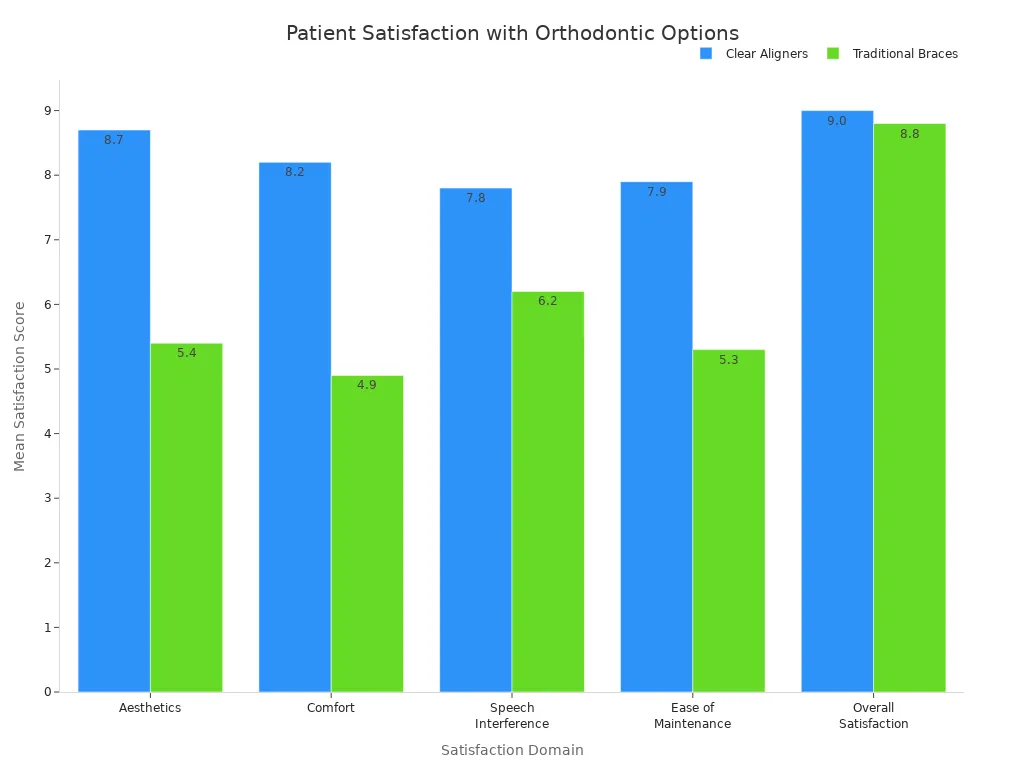
This data highlights the importance of offering aesthetic options. Ceramic brackets and lingual brackets also cater to patients seeking a less noticeable appearance. Practices should consider patient preferences for discretion when recommending treatment plans.
How do Patient Lifestyle Factors Impact Orthodontic Brackets Decisions?
Patient lifestyle significantly influences the choice of orthodontic appliances. Daily routines, dietary habits, and participation in activities like contact sports directly affect the suitability of different bracket types. Orthodontists must consider these factors to recommend the most effective and practical treatment plan.
Athletes undergoing orthodontic treatment face unique challenges. Contact sports increase the likelihood of damaging braces or aligners. Energy bars, sports drinks, and snacks can harm orthodontic appliances. Patients may experience discomfort during training. Busy training schedules can also hinder consistent oral hygiene. To mitigate these issues, orthodontists recommend wearing a mouthguard. Custom-fitted orthodontic mouthguards are essential for patients with braces. Patients should choose braces-friendly snacks, avoiding hard, sticky, or chewy foods that can break brackets or wires. Athletes using aligners must remove them during contact sports and store them properly.
For athletes, traditional braces offer several advantages. They provide durability for contact sports because they are fixed to teeth. This reduces the risk of loss and ensures consistent treatment progress. Braces are effective for complex cases, offering precise control over tooth movement for severe misalignment. They require no compliance, making them ideal for busy or unpredictable routines. However, braces also present drawbacks for athletes. They require specialized, bulkier mouthguards for contact sports. Metal parts can cause cuts to soft tissues during high-impact activities. Athletes must avoid hard, sticky, or chewy foods, which can challenge specific nutrition plans. Braces also make oral hygiene more difficult, increasing plaque risk, especially for athletes on the go.
When choosing between clear aligners and braces for athletes, several key considerations emerge. The type of sport plays a role. Clear aligners are often preferred for contact sports due to their removability, allowing standard mouthguards. Braces require specialized, potentially bulkier mouthguards. Both options are viable for non-contact sports, with clear aligners offering aesthetic appeal. Treatment complexity also matters. Clear aligners are effective for minor to moderate issues, while braces are better for complex cases requiring significant tooth movement. Lifestyle and discipline are crucial. Disciplined athletes may thrive with clear aligners’ consistent wear requirement. Those with unpredictable schedules might prefer braces due to no compliance needed. Aesthetics are important for many athletes. Clear aligners are ideal for sports where appearance is a concern. Ceramic braces are less noticeable than metal but still more visible than clear aligners. Maintenance and hygiene are simpler with clear aligners due to their removability, which is crucial for athletes. Braces require more effort to keep clean.
Dietary habits also significantly affect orthodontic treatment. While the direct link to the initial choice of bracket type is less explicit than for sports, diet impacts treatment management. Research indicates that acidic soft beverages, such as Coca-Cola and Sprite, negatively impact the retention of metal brackets against shearing pressures. These beverages also contribute to enamel erosion. Furthermore, the degradation of orthodontic elastic bands can be influenced by daily diet and patient compliance. Various food-like oral environments accelerate the degradation of polymeric restorative materials. These findings underscore the importance of dietary advice for orthodontic patients. This advice includes choosing soft food diets and understanding diet components crucial for oral health. Such practices prevent damage to appliances and ensure effective treatment.
Evaluating Practical Aspects of Orthodontic Brackets for Your Practice
Practices must consider several practical aspects when selecting Orthodontic Brackets. These factors include cost, durability, and chair time. Evaluating these elements helps ensure efficient operations and patient satisfaction.
What is the Cost-Effectiveness of Different Orthodontic Brackets?
The cost of different orthodontic bracket systems varies significantly. This impacts both practice overhead and patient affordability. Practices must balance initial investment with long-term value.
| Type of brace | Average cost | Price range |
|---|---|---|
| Ceramic braces | $5,834 | $4,480 to $11,312 |
| Clear aligners | $5,108 | $1,800 to $8,100 |
| Lingual braces | $9,221 | $7,321 to $17,411 |
| Metal braces | $6,343 | $2,500 to $10,000 |
Metal braces are generally the most budget-friendly option. Their average monthly payments are around $165 without insurance. Ceramic braces, offering a more subtle appearance, cost about $200 monthly without insurance. Lingual braces, due to their specialized placement and customization, have a premium price tag of $300+ monthly without insurance. Clear aligners, like Invisalign, typically range from $150-$250 in monthly payments without insurance. Practices should consider these costs when setting pricing structures and discussing financial options with patients.
How Durable and Reliable are Various Orthodontic Brackets?
Bracket durability and reliability directly affect treatment continuity and patient comfort. Frequent bracket failures can lead to increased chair time and patient frustration. A study observed failure rates over a 12-month period.
| Bracket Type | Failures after 12 months (%) |
|---|---|
| Metallic | 7.2 |
| Ceramic | 1.1 |
This study found metal brackets had significantly higher failure rates than ceramic brackets over a 12-month observation period. This suggests ceramic brackets offer greater reliability in terms of bond strength and integrity. Choosing durable brackets minimizes unexpected repairs and maintains treatment progress.
What are the Maintenance and Chair Time Requirements for Orthodontic Brackets?
Chair time efficiency is crucial for practice productivity. Different bracket systems require varying amounts of time for adjustments and archwire changes. Self-ligating brackets (SLBs) consistently require significantly less chair time for archwire changes compared to conventional brackets (CBs). This holds true regardless of the ligation method used, whether elastomeric or metallic ligatures.
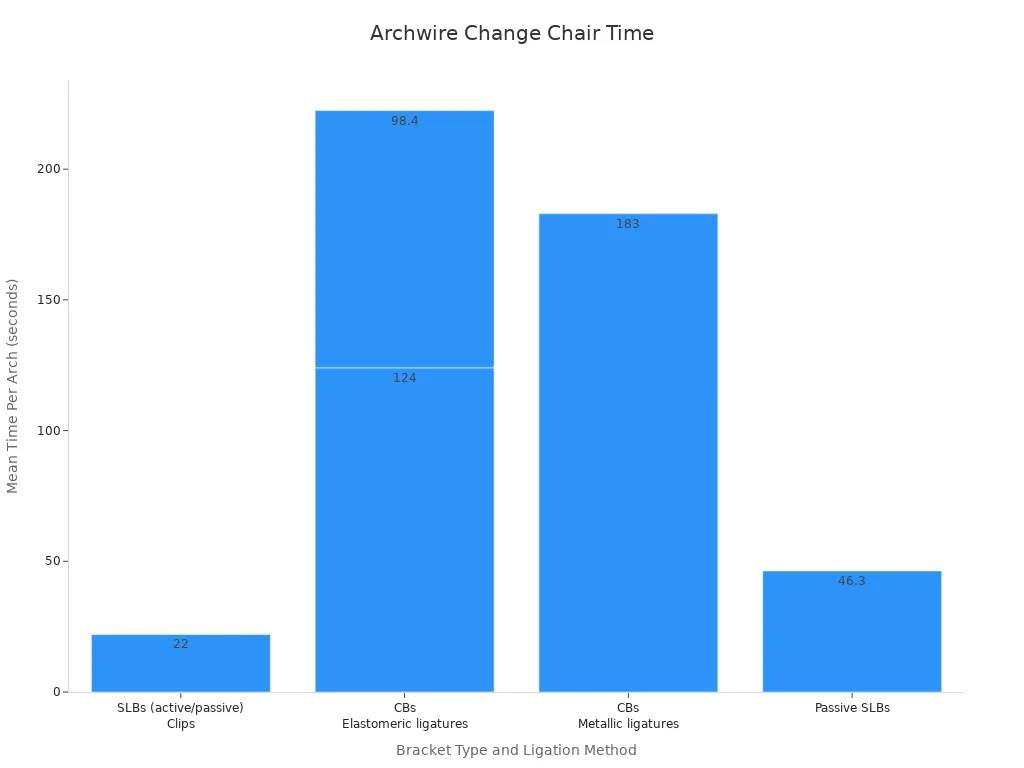
Studies show time savings ranging from 2-3 minutes per arch with SLBs compared to CBs with elastomeric ligatures. Even more substantial savings, up to 10 minutes per patient, occur when compared to CBs with metallic ligatures. The greatest time saving observed was over 5 minutes per arch when using passive SLBs against CBs with metallic ligatures. Operator experience has a lesser impact on archwire change time with SLBs. Less experienced operators are notably slower with CBs. This efficiency can allow practices to see more patients or allocate more time to complex procedures.
How to Manage Inventory for Different Orthodontic Brackets?
Effective inventory management for orthodontic supplies ensures smooth practice operations and minimizes waste. Practices must implement robust strategies to maintain optimal stock levels. A Kanban system, for example, uses visual signals to trigger supply replenishment. This method helps maintain optimal inventory levels. It prevents both overstocking and stockouts. Setting par levels also ensures timely reordering. This establishes the minimum quantity of each item to keep in stock. Regular inventory audits identify discrepancies, expired items, and inefficiencies. These audits eliminate waste and ensure accurate inventory records. Utilizing software systems provides real-time visibility. These systems automate reordering, generate reports, and track inventory efficiently. This reduces errors and offers valuable insights. Involving the entire team fosters ownership and responsibility. This helps identify low inventory levels and streamlines communication. Designating a team leader champions the ordering process. This leader collaborates with the team.
Indirect bonding significantly impacts inventory management. This technique reduces the number of brackets needed. Brackets are custom-made per patient. This eliminates excess inventory and minimizes waste.
Practices should also reconsider bulk purchasing. Bulk purchasing can lead to increased overhead costs. This happens due to storing large amounts of unused and outdated supplies. Perceived savings from bulk purchases often disappear. Reduced cash flow and product obsolescence offset these savings. Storing unused supplies takes up valuable space. This can cause clutter and disorganization. Outdated and expired supplies contribute to waste. They can no longer be used and require disposal. Inventory waste ties up cash flow. This prevents investment in other areas of the business.
Modern practices leverage data for accurate forecasting. They utilize historical usage data, patient volume, and treatment types. This predicts supply needs precisely. Modern inventory software tracks consumption trends. It generates automated reorder alerts. This prevents shortages and overstocking. Practices organize inventory for real-time visibility and control. They implement organized storage systems, both digital and physical. These systems categorize supplies. Integrating barcode scanning or RFID tagging automates tracking. This reduces human error. It allows for smarter reordering and reduces waste from expired materials. Building strong supplier relationships enables just-in-time ordering. Practices work with reliable suppliers. This minimizes on-site storage. It ensures materials arrive exactly when needed. Transparent communication with vendors about anticipated usage and lead times allows for flexible delivery schedules. This avoids emergency rush orders.
Assessing Clinical Efficacy of Orthodontic Brackets
Evaluating the clinical efficacy of various Orthodontic Brackets is paramount for successful treatment outcomes. This involves understanding how different designs influence treatment speed, force delivery, and archwire compatibility. Practices must select brackets that offer predictable and efficient tooth movement.
How do Orthodontic Brackets Affect Treatment Speed?
The design of Orthodontic Brackets can significantly influence the speed of treatment. Active self-ligating brackets (ASLB) demonstrate greater efficiency for alignment. They show a mean difference of -10.24 days compared to passive self-ligating brackets (PSLB). This indicates ASLBs are faster in achieving initial alignment. However, no significant advantage has been observed for either bracket design concerning changes in intercanine, interfirst premolar, intersecond premolar, or intermolar width. The choice of bracket can therefore impact the initial phases of orthodontic correction.
What are the Force Delivery Mechanisms of Various Orthodontic Brackets?
Different bracket slot designs influence force transmission to the teeth. The precise dimensions of a bracket slot directly influence stress distribution. A slot with tighter tolerances concentrates stress more intensely at the points of contact. This potentially leads to higher localized stresses within the bracket body and at the bracket-tooth interface. Conversely, a slot with greater play distributes forces over a larger area. This reduces localized stress concentrations but diminishes the efficiency of force transmission. Optimal slot dimensions aim to distribute stress evenly. This prevents material fatigue and minimizes unwanted stress on the tooth and surrounding bone.
| Bracket Type | Wire Deflection | Force Transmission (Tensions) | Adverse Effects on Adjacent Teeth |
|---|---|---|---|
| Conventional Straight-Wire | Directly affected by tooth tilt | Higher (with round and rectangular steel wires) | Significant, exacerbates bite issues |
| Self-Ligating Passive | Directly affected by tooth tilt | Higher (with round and rectangular steel wires) | Significant, exacerbates bite issues |
| Versatile | Does not allow distal freedom due to mesial extension | Higher (with round and rectangular steel wires) | Significant, exacerbates bite issues |
| Tip-Edge | Allows distalization/mesialization without deflecting arches (passive) | Lowest (with round and rectangular steel wires) | Avoids adverse situations like bite deepening/opening |
| Control | Allows distalization/mesialization without deflecting arches (passive) | Lowest (with round and rectangular steel wires) | Avoids adverse situations like bite deepening/opening |
How does Archwire Compatibility Relate to Orthodontic Brackets?
Archwire compatibility is crucial for effective tooth movement. Bracket slot geometry profoundly impacts the overall efficiency of tooth movement. It minimizes friction and binding between the archwire and the bracket. Reduced friction allows the archwire to slide more freely. This facilitates efficient sliding mechanics and reduces resistance to tooth movement. Precise torque expression, enabled by well-engineered rectangular slots, reduces the need for compensatory bends. This simplifies treatment mechanics and shortens overall treatment time. Efficient force delivery ensures predictable tooth movements and minimizes unwanted side effects.
Play refers to the clearance between the archwire and the bracket slot. This allows rotational freedom. Engagement angles describe the angle at which the archwire contacts the slot walls. This is crucial for precise force transmission. Conventional brackets often have varying play due to ligatures. This leads to unpredictable engagement angles. Self-ligating brackets offer more consistent play and a precise fit. This results in more predictable engagement angles. Smaller play allows for better torque control and more direct force transfer. Larger play can lead to unwanted tooth tipping and reduced torque expression efficiency.
| Slot Design | Torque Control | Play/Clearance | Force Transfer | Root Positioning |
|---|---|---|---|---|
| Square (e.g., 0.022 x 0.022 inches) | Limited | Greater | Less precise | Less optimal |
| Rectangular (e.g., 0.018 x 0.025 inches or 0.022 x 0.028 inches) | Superior | Minimized | More direct and accurate | Optimal and predictable |
Which Orthodontic Brackets Offer the Best Patient Comfort?
Patient comfort significantly influences the orthodontic treatment experience. Practices prioritize patient well-being throughout the process. Different bracket designs and placements can affect how patients perceive comfort during treatment.
A pilot randomized controlled clinical trial compared Brius, a type of lingual fixed appliance, with labial full fixed appliances. Patients using Brius often experienced tongue discomfort during the first week of treatment. Conversely, labial appliances typically caused discomfort in the lips and cheeks. The InBrace system, another lingual bracket option, also claims to offer comfort advantages for patients. These systems aim to minimize irritation while effectively moving teeth.
Researchers also investigated pain intensity between self-ligating brackets (SLB) and conventional brackets (CB). They found no statistically significant difference in reported pain levels between these two types. This held true across various time points, including 4 hours, 24 hours, 3 days, 1 week, and 1 month after placement. This suggests both bracket types offer comparable comfort regarding initial pain.
Bracket profile and size also play a role in patient comfort. Smaller, lower-profile brackets generally cause less irritation to soft tissues. Smooth edges and rounded contours can further enhance the patient experience. Material choice can also impact comfort, with some materials feeling less abrasive than others. Ultimately, the best choice balances effective treatment with minimal patient discomfort.
Prioritizing Patient Satisfaction with Orthodontic Brackets
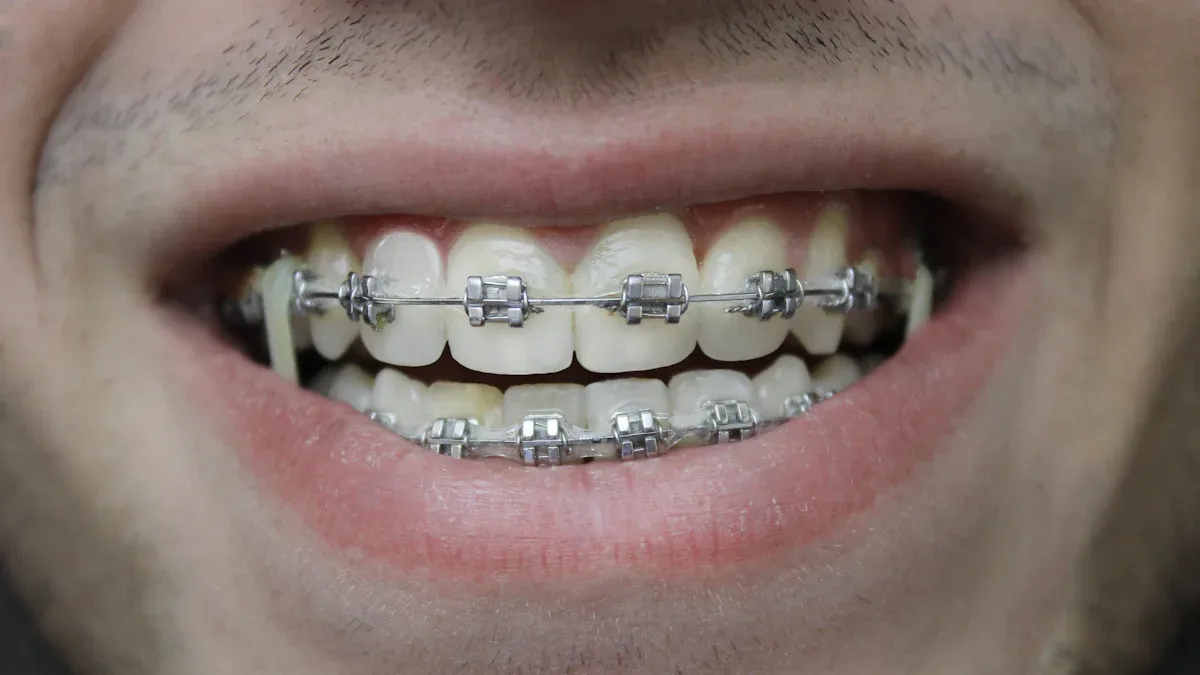
Patient satisfaction is a cornerstone of a successful orthodontic practice. Clear communication, realistic expectation management, and a focus on long-term results significantly enhance the patient experience.
How to Communicate and Educate Patients on Orthodontic Brackets Options?
Effective communication begins with thoroughly educating patients about their treatment options. Practices should present all available choices, including different types of Orthodontic Brackets. Explain the benefits and considerations of each option. Use visual aids, such as models or digital simulations, to help patients understand the mechanics and aesthetic outcomes. Encourage questions and provide clear, concise answers. This empowers patients to make informed decisions about their care.
How to Manage Patient Expectations for Orthodontic Brackets Treatment?
Managing patient expectations proactively prevents dissatisfaction. Patients often express concerns about discomfort, treatment duration, and cost.
- Discomfort: Patients may worry about pain, especially with adjustments or potential cuts. Practices should communicate that persistent discomfort is unlikely. Explain the temporary nature of adjustment discomfort. Highlight modern appliance designs for improved comfort. Suggest orthodontic wax for initial irritation.
- Treatment Duration: Patients sometimes have exaggerated notions of treatment length. Provide individualized timelines based on their specific case. Detail all parts of the treatment timeline, including adjustments, follow-ups, and retainers. Set realistic expectations without promising unrealistic speed.
- Cost of Treatment: This is a significant concern. Ensure effective collaboration with insurance providers. Break down the total cost comprehensively. Discuss payment timelines and offer flexible payment options for uninsured patients. Emphasize the long-term value of orthodontic treatment, which can prevent more costly issues later.
- Wire Pokes: These can irritate cheeks or gums. Advise patients to use orthodontic wax to cover sharp edges. They can gently push the wire back with a cotton swab. Cautiously trimming with sterilized nail clippers is an option if comfortable. Professional assistance is recommended if issues persist.
- Mouth Ulcers: Brackets or wires rubbing soft tissues cause these. Recommend applying orthodontic wax to reduce friction. Rinsing with saltwater soothes and promotes healing. Over-the-counter gels offer protection. Staying hydrated prevents worsening. Persistent ulcers warrant professional advice.
What is the Role of Post-Treatment Retention with Orthodontic Brackets?
Post-treatment retention is critical for maintaining the results achieved with Orthodontic Brackets. Patients must understand that orthodontic treatment does not end when the braces come off. Explain the importance of retainers, whether fixed or removable, in preventing teeth from shifting back to their original positions. Educate patients on proper retainer care and the necessity of consistent wear. Emphasize that long-term retention ensures the stability and longevity of their beautiful new smile.
Making an Informed Decision on Orthodontic Brackets
Making informed decisions about Orthodontic Brackets is vital for practice success. This involves careful evaluation of new products, ensuring proper staff training, and building strong relationships with suppliers. These steps contribute to efficient operations and excellent patient care.
Should You Conduct Pilot Programs for New Orthodontic Brackets?
Practices should consider conducting pilot programs for new Orthodontic Brackets. These programs allow clinicians to evaluate product performance in a real-world setting. They help assess patient acceptance and integration into existing workflows. A pilot program provides valuable feedback before a full-scale adoption. It minimizes risks and ensures a smooth transition for both staff and patients. This approach helps practices make confident choices about new technologies.
What Staff Training is Needed for Different Orthodontic Brackets?
Introducing different Orthodontic Brackets requires comprehensive staff training. Clinical staff need instruction on proper handling, bonding, and debonding techniques. They must also understand the specific features and benefits of each bracket type. Administrative staff benefit from training on scheduling, billing, and patient communication regarding new options. Proper training ensures efficient procedures and consistent patient education. It also enhances overall practice competency and confidence.
How Important are Supplier Relationships for Orthodontic Brackets?
Strong supplier relationships are extremely important for any orthodontic practice. Reliable suppliers ensure a consistent supply of high-quality products. Certifications are crucial for establishing credibility among manufacturers. These certifications demonstrate adherence to industry standards. They also show a commitment to producing safe, reliable products. Dental professionals increasingly favor certified manufacturers. This aligns with patient-centered care and the adoption of advanced solutions. These certifications foster trust and ensure high-quality care. They become a key criterion for evaluation.
Practices should evaluate suppliers based on several factors:
- Product Range & Innovation: Assess if the vendor offers a comprehensive portfolio. Check if they invest in research and development for new materials and technologies.
- Quality & Compliance: Verify if products adhere to international standards like ISO or FDA. Ensure they possess relevant certifications for safety and efficacy.
- Customer Support & Service: Evaluate the accessibility and knowledge of technical support. Check the availability of training or after-sales services.
- Delivery & Supply Chain Reliability: Determine their capacity to meet urgent demands. Assess the robustness of their logistics network.
- Reputation & Client Feedback: Investigate what existing clients say. Look for case studies or testimonials that validate their claims.
Choosing Orthodontic Brackets demands a holistic approach. Practices must carefully balance clinical efficacy with patient satisfaction for successful outcomes. Continuously evaluating bracket selection ensures the practice remains at the forefront of patient care. This ongoing assessment helps adapt to new technologies and patient needs. Seeking tailored advice for specific practice requirements further refines these crucial decisions.
FAQ
What are the main types of orthodontic brackets?
Orthodontic practices primarily use traditional metal, aesthetic ceramic, self-ligating, and lingual brackets. Clear aligners also offer an alternative. Each type provides unique benefits for patients and clinicians.
Which bracket type is best for adults?
Adults often prefer aesthetic options. Ceramic brackets, lingual brackets, or clear aligners are popular choices. They offer discreet appearances and prioritize comfort.
How do self-ligating brackets differ from traditional ones?
Self-ligating brackets feature a built-in clip. This clip holds the archwire directly. Traditional brackets use elastic ligatures. Self-ligating brackets can reduce friction and potentially shorten treatment times.
Are lingual braces truly invisible?
Yes, lingual brackets are virtually invisible. Orthodontists place them on the inside surface of the teeth. This makes them a discreet option for patients prioritizing aesthetics.
How important is patient compliance for clear aligners?
Patient compliance is crucial for clear aligners. Patients must wear them consistently for the prescribed duration. Their removability means treatment success relies heavily on patient discipline.
Post time: Dec-25-2025