
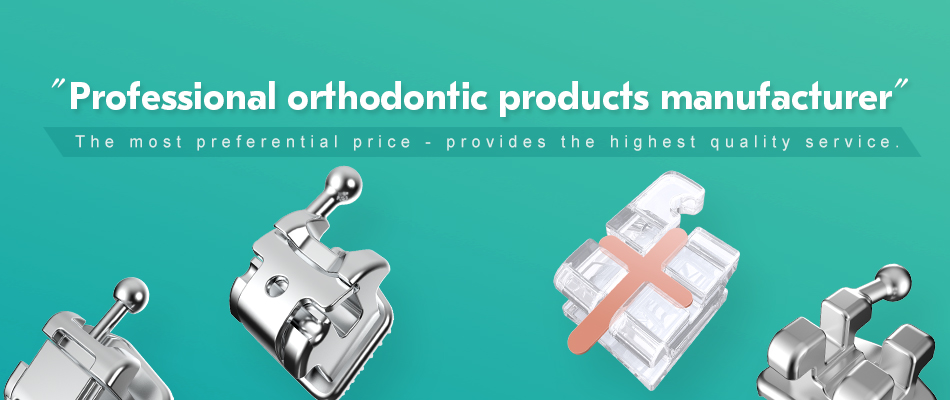

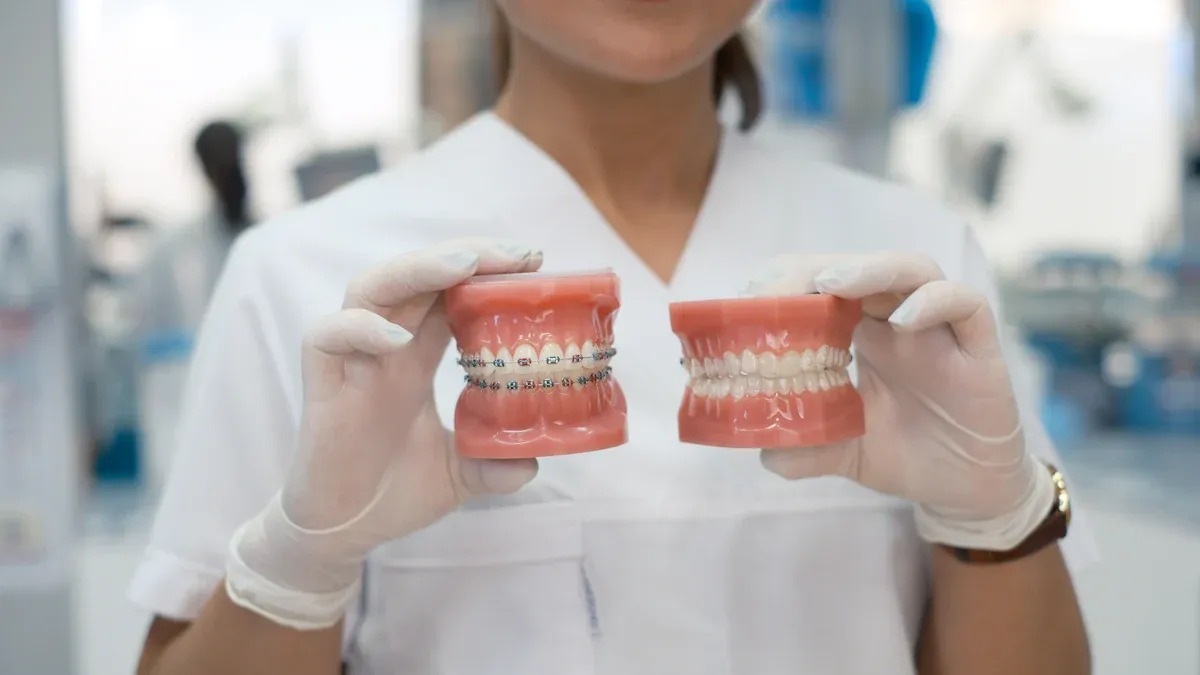
Evaluating cost-effective self-ligating brackets suppliers demands a balanced assessment of product quality, transparent pricing, supplier reputation, and robust after-sales support. The global self-ligating bracket market, valued at USD 371.5 million in 2024, drives demand for orthodontic products wholesale. Practices prioritize key criteria for informed dental equipment procurement. This involves identifying reliable bracket manufacturers with CE and FDA certification and finding reliable dental OEM factories for metal orthodontic brackets.
Key Takeaways
- Understand your practice’s needs before looking for suppliers. Know what quality you need and how much you can spend.
- Check a supplier’s product quality, prices, and reputation. Good customer service and support are also very important.
- Always ask for product samples and compare different suppliers. This helps you choose the best option for your practice.
Understanding Your Practice’s Needs for Self-Ligating Brackets
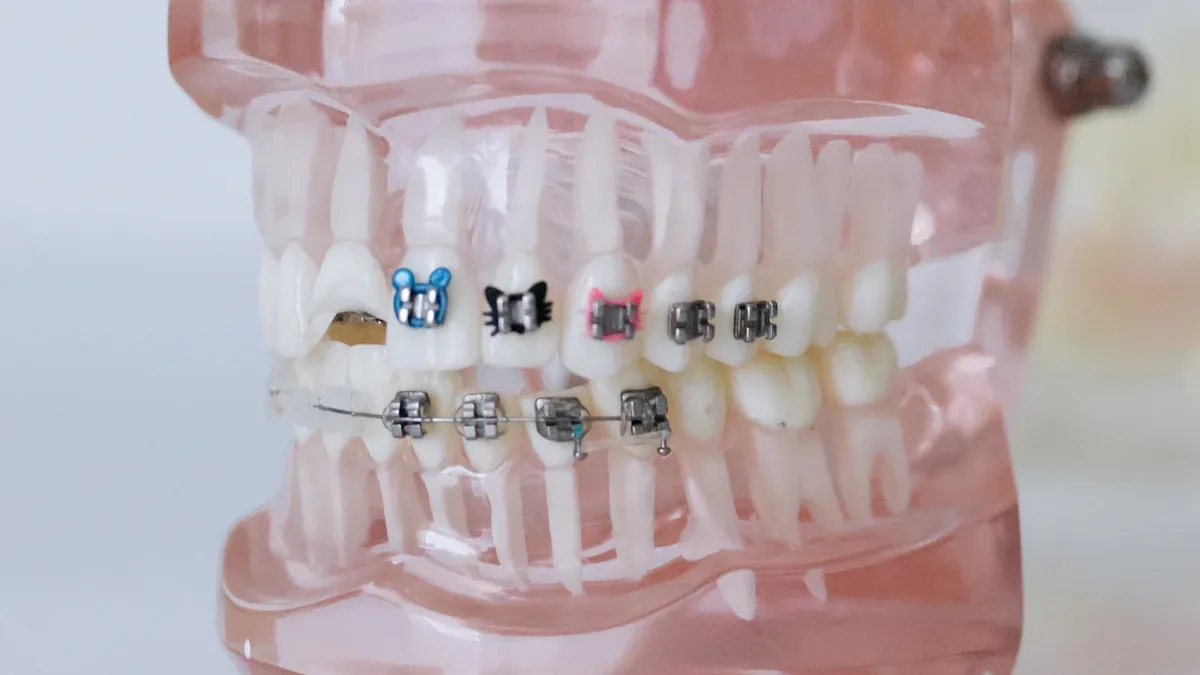
Before evaluating suppliers, practices must clearly define their internal requirements. This foundational step ensures alignment between supplier offerings and clinical demands.
Defining Quality Standards for Metal Self-Ligating Brackets
Practices require metal self-ligating brackets that meet stringent quality and safety standards. Manufacturers often adhere to international benchmarks such as ISO 10993 for material safety and biocompatibility, ISO 13485 for quality management in medical devices, and ISO 9001 for general quality management systems. Regional regulatory approvals are also crucial, including FDA approval in the U.S. and CE Marking in the European Union. Other country-specific certifications like CFDA for China, TGA for Australia, and ANVISA for Brazil demonstrate compliance. The Medical Device Single Audit Program (MDSAP) allows a single audit to satisfy requirements across multiple jurisdictions, including Australia, Canada, USA, Brazil, and Japan. India’s regulatory body, CDSCO, also requires manufacturing licenses for products within its borders.
Establishing an Acceptable Budget for Self-Ligating Brackets
Cost-effectiveness involves balancing price with quality and performance. Practices must establish a clear budget for their bracket procurement. For instance, the average cost for metal self-ligating brackets, specifically Damon Braces, typically ranges from $3,800 to $8,000 per case. Understanding these market benchmarks helps practices negotiate effectively and identify suppliers offering competitive pricing without compromising quality.
Considering Patient Demographics and Treatment Goals
Patient comfort and treatment outcomes significantly influence bracket selection. Self-ligating brackets offer several design features that enhance patient comfort. These include an innovative slide mechanism or clip system that connects archwires, replacing elastic bands and minimizing excessive friction. The absence of elastic ties and a smooth, rounded shape also reduce irritation. This design allows for lighter force application and free-sliding technology, guiding teeth with less pressure. Clinically, these brackets provide improved comfort, faster treatment times, easier oral hygiene, and aesthetic benefits. They are particularly effective for various malocclusions, including crowding, spacing, or moderate bite issues, promoting predictable and stable results.
Key Criteria for Evaluating Self-Ligating Bracket Suppliers
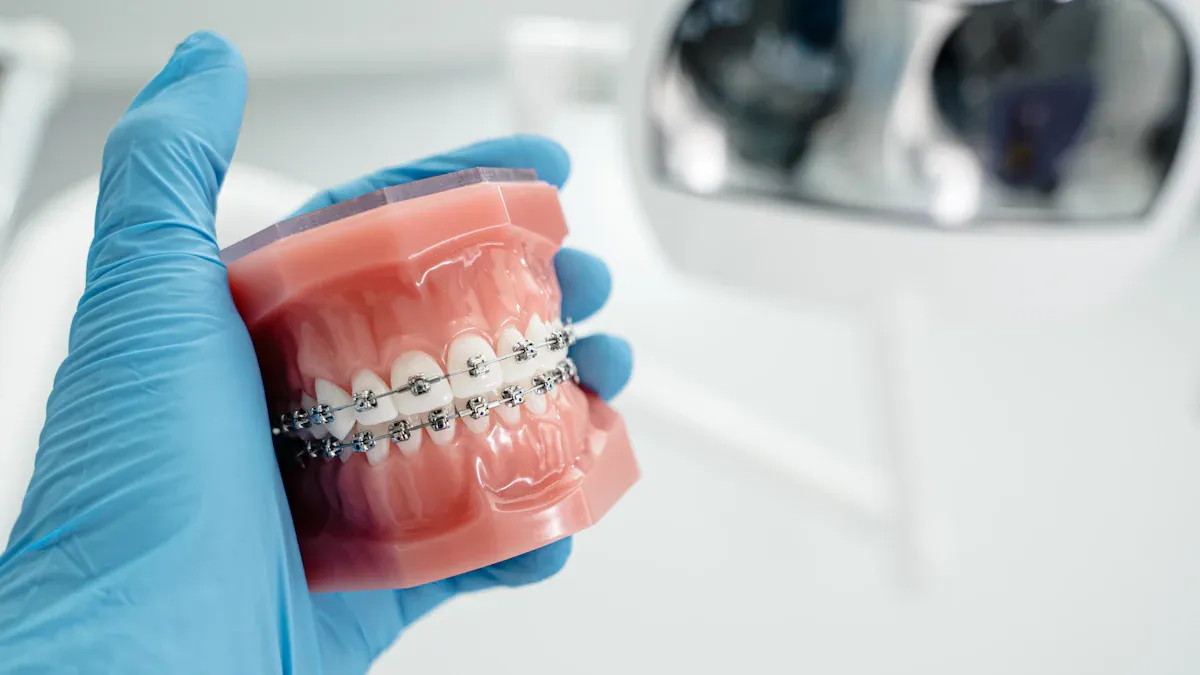
Evaluating suppliers requires a systematic approach. Practices must look beyond initial costs. They need to consider several critical factors. These factors ensure long-term value and patient satisfaction.
Product Quality and Material Specifications of Self-Ligating Brackets
The quality of self-ligating brackets directly impacts treatment efficacy and patient safety. Suppliers must provide detailed specifications for their products. This includes the type of stainless steel or other alloys used. It also covers the manufacturing precision and the bracket’s design integrity. High-quality brackets feature smooth surfaces. They also have strong bond strengths and reliable opening/closing mechanisms. For example, Pactive brackets, manufactured by IOS, receive high ratings in the industry. They function as both active and passive brackets. Their superior weld strength and reduced calculus buildup space are notable features. Pactive also offers a beveled bracket entrance for lower friction. A smart NiTi clip further enhances its performance. This bracket system is compatible with other popular systems. These include GAC’s Innovation and American Orthodontics’ Empower. Such compatibility offers flexibility for orthodontists.
Transparent Pricing Models and Overall Cost-Effectiveness
Suppliers should offer clear and straightforward pricing. Practices need to understand all costs involved. This includes unit prices, bulk discounts, and shipping fees. Hidden charges can significantly increase the overall expense. Cost-effectiveness means more than just a low price. It involves the balance between price, quality, and the supplier’s support. A slightly higher-priced bracket with superior durability and fewer chairside adjustments can be more cost-effective in the long run. Practices should request detailed quotes. They should also compare the total cost of ownership from different vendors.
Supplier Reputation and Reliability in the Industry
A supplier’s reputation reflects its commitment to quality and service. Practices should research potential suppliers thoroughly. They can check industry reviews and testimonials. They can also ask for references from other orthodontic practices. A reliable supplier consistently delivers products on time. They also maintain consistent product quality. Their history of innovation and adherence to regulatory standards also indicates reliability. A strong reputation often signals a stable business partner. This partner can support the practice’s needs for years.
Customer Service and Post-Purchase Support
Excellent customer service is crucial for a smooth procurement process. Suppliers should offer responsive support for inquiries and issues. Post-purchase support is equally important. This includes technical assistance and educational resources. Many leading suppliers provide comprehensive training. For instance, Ormco offers extensive support for its Damon System. This support includes:
- Training Videos: These cover specific procedures like Damon Clear Debonding and Finishing Wire Adjustment. They also include Hard Tissue Contouring and Pano Repo App usage. Two Assistant Bonding videos are also available.
- Clinical Case Studies and Treatment Protocols: Suppliers provide access to clinical abstracts and studies. They also offer detailed system mechanics documents. These outline suggested treatment protocols for various malocclusions. Examples include Class I Open Bite, Class I Deep Bite, Class II Open Bite, Class II Deep Bite, and Class III Open Bite.
- General Educational Offerings: Broader educational opportunities are also available. These include live events and on-demand webinars.
This level of support helps practices maximize the benefits of their chosen bracket system. It also ensures optimal patient care.
Practical Steps for Assessing Self-Ligating Bracket Suppliers
Practices must take proactive steps to thoroughly evaluate potential suppliers. This ensures they select the best fit for their clinical and financial needs.
Requesting Samples and Demos of Self-Ligating Brackets
Always request product samples and schedule demonstrations. This allows for a hands-on assessment of the bracket’s quality and functionality. During a demonstration, assess key features. Look for reduced friction, which allows smoother archwire movement. This can lead to faster tooth movement and shorter treatment times. Observe how the design might lead to fewer appointments, reducing chair time and increasing convenience. Evaluate the bracket’s comfort features; the absence of ties can result in less irritation to gums and cheeks. While self-ligating brackets may have a higher initial cost, their benefits often outweigh the price. They offer a more efficient treatment process and potentially achieve desired results sooner.
Comparing Multiple Supplier Options for Self-Ligating Brackets
Do not settle for the first option. Compare quotes from several suppliers. Consider the total cost, including any additional fees. Evaluate the quality assurance measures each supplier provides. Research their reputation and customer feedback. Assess their customer support, including technical assistance and post-sale services. Look for customization options, such as tailored solutions and flexible packaging. Verify essential certifications like ISO 13485, FDA approval (for the U.S.), and CE marking (for Europe). Also, consider the supplier’s longevity and financial stability.
Negotiating Terms and Service Agreements
Once you identify potential suppliers, negotiate favorable terms. Discuss pricing structures, payment schedules, and return policies. Clarify warranty details and any service level agreements. A well-defined agreement protects both parties and ensures clear expectations.
Implementing a Pilot Program with New Suppliers
Consider a pilot program with a new supplier before committing to a large order. This allows the practice to test the product and service on a smaller scale. Evaluate product performance, delivery reliability, and customer support during this phase. A successful pilot program builds confidence in the supplier relationship.
A systematic approach is crucial for evaluating cost-effective metal self-ligating bracket suppliers. This approach balances quality, price, and support. Meticulously assessing product specifications, supplier reputation, and customer service ensures a reliable partnership. This method benefits both practices and patients, securing high-quality, cost-effective self-ligating brackets solutions.
FAQ
What are the main benefits of self-ligating brackets for patients?
Patients experience enhanced comfort due to reduced friction and smoother designs. They also benefit from potentially faster treatment times and easier oral hygiene.
How can practices verify the quality of self-ligating brackets from a supplier?
Practices should request detailed material specifications and regulatory certifications like FDA or CE. They can also ask for product samples and conduct pilot programs.
What does “cost-effective” truly mean when evaluating self-ligating bracket suppliers?
Cost-effectiveness balances initial price with long-term value. It considers product durability, reduced chairside adjustments, and comprehensive supplier support, not just the lowest price.
Post time: Jan-05-2026