
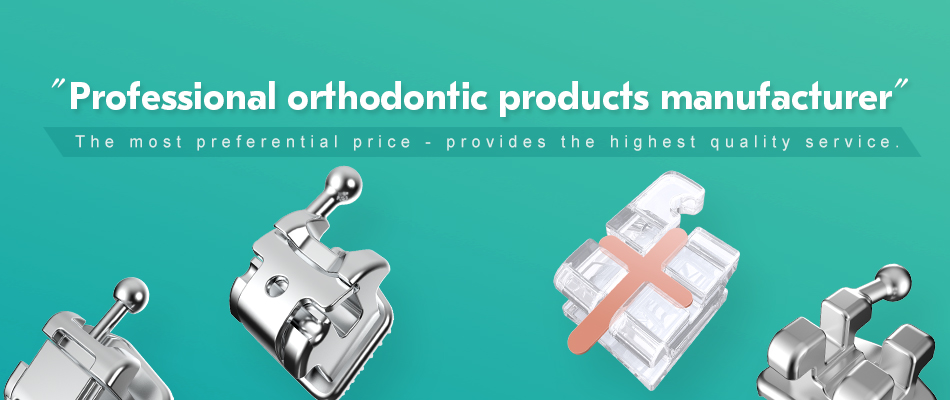


Many individuals consider Self-Ligating Brackets for their smile transformation. These Orthodontic Brackets offer a distinct approach to teeth alignment. Their efficient design, which uses a built-in clip to hold Arch Wires, often contributes to a treatment duration of 12 to 30 months. This timeframe can be shorter than with conventional metal braces. Patients often wonder, “How do self-ligating brackets work?” and “Are brackets easy to clean?” This blog explores these questions and helps determine if this option suits your needs.
Key Takeaways
- Self-ligating braces use a special clip to hold the wire. This is different from traditional braces that use elastic bands.
- These braces can make cleaning your teeth easier. They have fewer places for food to get stuck.
- Self-ligating braces often cost more money at first. They are not always faster or more comfortable than regular braces.
- Not everyone can use self-ligating braces. Your orthodontist will tell you if they are right for your teeth.
- Always talk to your orthodontist. They will help you choose the best treatment for your smile.
Understanding Self-Ligating Brackets
What Are Self-Ligating Brackets?
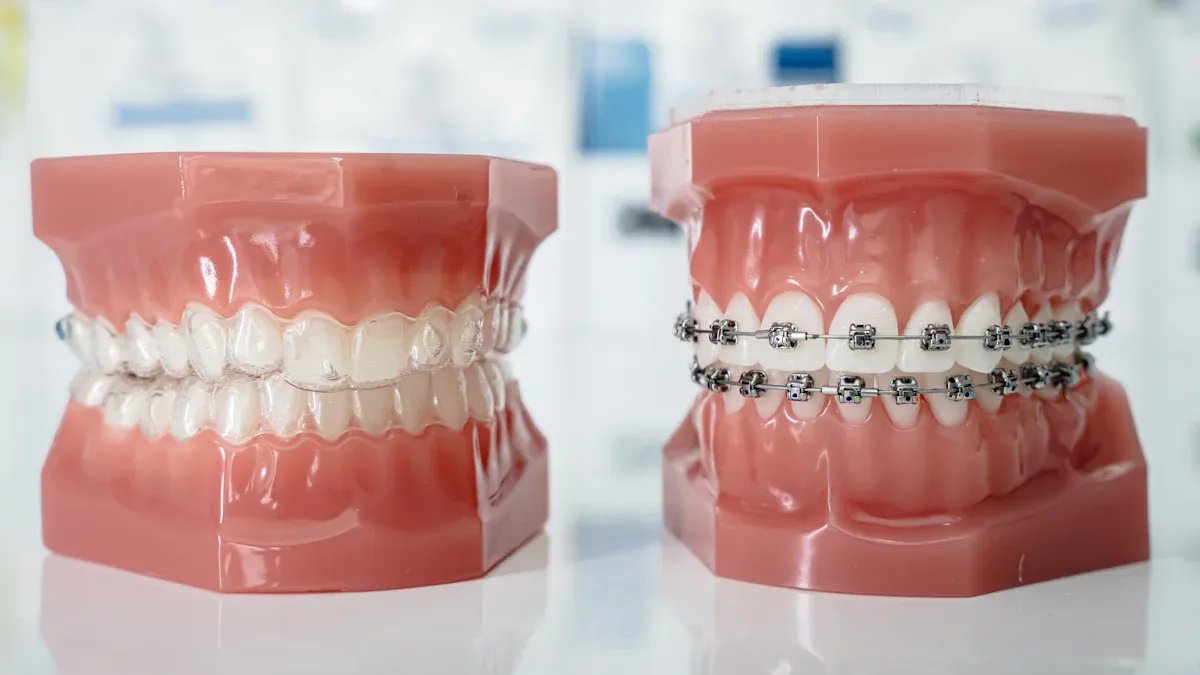
These modern orthodontic appliances offer a distinct approach to teeth alignment. They differ significantly from traditional braces. These brackets feature a built-in, specialized clip or door. This clip securely holds the archwire. Traditional braces, in contrast, rely on small elastic ties or ligatures for this purpose. The innovative design of self-ligating systems eliminates the need for these external components. This creates a more streamlined and often more hygienic system for guiding tooth movement.
How Self-Ligating Brackets Work
The operational mechanism of these brackets is quite ingenious. The archwire, which applies the corrective force, passes through a channel within the bracket. The integrated clip then closes over the archwire. This action secures the wire without the tight constriction of elastic bands. This design allows the archwire to slide more freely within the bracket channel. This reduced friction facilitates more efficient tooth movement. It also often applies gentler, more consistent forces to the teeth, potentially enhancing patient comfort throughout the treatment period.
Types of Self-Ligating Brackets
Orthodontists primarily utilize two main categories of self-ligating systems: active and passive. Active self-ligating brackets incorporate a spring-loaded clip. This clip actively presses against the archwire, helping to engage and guide the teeth into their desired positions. Passive self-ligating brackets, conversely, employ a simpler slide mechanism. This mechanism holds the archwire loosely within the bracket slot. It allows the wire to move with minimal friction. Both active and passive systems are available in various materials, including durable metal and more discreet clear (ceramic) options. The selection between active and passive, as well as the material, depends on the individual’s specific orthodontic needs and aesthetic preferences.
Self-Ligating Brackets vs. Traditional Braces
Key Design Differences
Traditional braces utilize small elastic bands, known as ligatures, to hold the archwire in place. These ligatures can be clear, colored, or made of metal. In contrast, Self-Ligating Brackets feature an integrated clip or door mechanism. This built-in component secures the archwire directly within the bracket. This design eliminates the need for external ties. Self-ligating systems come in two main types: active and passive. Active brackets have a spring-loaded clip that actively presses against the wire. Passive brackets use a simpler sliding mechanism that holds the wire loosely without applying pressure.
Impact on Treatment Mechanics
The fundamental mechanical difference between these systems lies in friction control. Self-Ligating Brackets aim to reduce friction between the archwire and the bracket. This reduced friction can potentially accelerate tooth movement during the initial crowding phase of treatment. By eliminating external ligatures, these systems minimize external ligation forces. This optimizes force delivery and enhances treatment efficiency. However, the detailing stage of treatment can present challenges. Precise wire bends and keeping bracket doors closed can be more difficult with these brackets. This can impact overall treatment times. While some studies suggest significantly lower friction, especially with certain bracket types like SPEED, other research indicates that friction reduction is not always consistent across all wire sizes and testing conditions.
Patient Experience Comparison
Manufacturers and advocates of these brackets often claim increased patient comfort. Traditional braces can lead to more pressure and soreness after adjustments. This occurs due to the elastic bands and the friction they create. These braces are designed to move teeth with less force. This design can reduce the intensity and duration of discomfort for the patient. The absence of elastic ties also means fewer components that can irritate the soft tissues inside the mouth.
The Advantages of Self-Ligating Brackets
Potentially Shorter Treatment Time
Many patients seek orthodontic solutions that offer efficient results. The promise of reduced treatment duration often attracts individuals to Self-Ligating Brackets. Early clinical studies, including randomized controlled trials, investigated whether these brackets could shorten the overall time needed for teeth alignment. Some initial investigations reported a modest reduction in treatment time. However, many of these studies did not consistently demonstrate the frequently claimed 20% reduction. Subsequent comparative studies, which measured total treatment time and appointment frequency, often found only a slight reduction for passive self-ligating brackets. In many cases, researchers observed no statistically significant difference between self-ligating and conventional bracket types. This suggests that any observed time savings might occur due to chance rather than a consistent advantage inherent to the bracket design.
Meta-analyses, which combine results from numerous individual studies, provide a stronger statistical conclusion. These large-scale reviews generally do not consistently support a dramatic reduction in treatment time. Instead, they often find only a small, or no, statistically significant difference when comparing passive self-ligating brackets to conventional systems. The aggregated evidence from multiple trials indicates that the bracket type itself does not dramatically shorten overall treatment time. Other factors, such as case complexity, patient compliance, and the orthodontist’s skill, often play a more influential role in treatment duration. Subgroup analyses have explored the effectiveness of self-ligating brackets in specific patient groups. Some research suggests that passive self-ligating brackets might reduce treatment time for certain subgroups, such as cases with severe initial crowding. However, these findings are not consistently observed across all studies. The efficacy frequently varies depending on the specific malocclusion and the individual patient’s biological response. The overall impact on treatment duration often depends more on the case’s inherent difficulty than on the bracket system itself.
Enhanced Comfort and Less Friction
Orthodontic treatment can sometimes involve discomfort. Manufacturers of self-ligating systems often highlight enhanced patient comfort as a key benefit. Studies comparing self-ligating brackets with different ligating systems for conventional brackets have reported that self-ligating brackets exhibit a significantly lower level of frictional resistance. This reduction in friction is particularly notable when orthodontists couple self-ligating brackets with small round archwires. Even with increased bracket-to-wire angulation, these systems show significantly lower friction force values than conventional brackets. This reduced friction theoretically allows for gentler, more continuous tooth movement.
Despite the mechanical advantage of reduced friction, clinical studies have not consistently supported claims of increased patient comfort. One clinical study specifically concluded that self-ligating brackets do not reduce discomfort or pain when compared to conventional orthodontic appliances in Class I patients. Furthermore, a systematic review of the literature on self-ligating brackets initially noted that advantages related to patient comfort were “alleged” benefits. However, the studies analyzed within this review ultimately revealed no significant differences between self-ligating and conventional brackets based on clinical criteria. This refutes the hypothesis of superiority, including claims related to patient comfort. Therefore, while the design reduces friction, patients may not experience a noticeable difference in pain or discomfort levels.
Easier Oral Hygiene
Maintaining good oral hygiene during orthodontic treatment is crucial for preventing dental issues. Self-ligating brackets offer a distinct advantage in this area. Unlike conventional ligating brackets, self-ligating brackets do not have rubber bands to trap food. This absence makes them easier to clean, leading to better oral hygiene for patients.
The design simplifies daily maintenance:
- Self-ligating braces eliminate the need for elastic bands or ligatures to secure the archwire.
- The absence of elastic bands makes cleaning teeth easier, promoting superior oral hygiene. This decreases the risk of dental issues.
- They minimize the risk of plaque buildup, reducing the chances of gingivitis and other gum diseases due to fewer areas for plaque to accumulate.
Traditional braces with elastic ties create numerous nooks and crannies. Plaque and food particles accumulate in these areas, acting as magnets for bacteria. This makes brushing and flossing difficult, increasing the risk of cavities, staining, and gum inflammation. Self-ligating braces eliminate elastic ligatures, presenting a smoother, cleaner surface that is much easier to maintain. With self-ligating braces, fewer places exist for plaque to hide. This simplifies the daily oral hygiene routine. It also makes brushing teeth effectively and maneuvering floss around brackets and wires easier.
Fewer Orthodontist Visits
Many patients hope for fewer appointments during their orthodontic journey. Some believe self-ligating systems reduce the number of required visits to the orthodontist. However, recent prospective randomized studies indicate that these brackets do not lead to a reduction in the overall number of orthodontist visits. Specifically, researchers found no statistically significant differences in the mean number of visits between patients using self-ligating brackets (15.5 ± 4.90 visits) and those using conventional edgewise twin brackets (14.1 ± 5.41 visits). This strengthens the evidence that self-ligating brackets do not improve orthodontic efficiency in terms of visit count. Therefore, patients should not expect a significant decrease in appointment frequency based solely on the type of bracket system. Other factors, such as the complexity of the case and the patient’s adherence to treatment guidelines, often play a larger role in determining the total number of visits.
Discreet Aesthetic Options
The appearance of braces often concerns many individuals considering orthodontic treatment. Fortunately, modern orthodontics offers more discreet options. Patients can choose self-ligating systems that blend more seamlessly with their natural teeth.
- Ceramic versions offer a more aesthetic alternative to metal braces. These clear or tooth-colored brackets are less noticeable.
- Patients can choose from metal self-ligating braces or ceramic self-ligating braces for a more discreet look.
- Ceramic options provide a subtle, nearly invisible appearance.
- Self-ligating metal braces have a smaller profile and look cleaner without elastics. This makes them less conspicuous than traditional metal braces.
- Some Self-Ligating Brackets are designed to be less visible than traditional brackets. They offer a more discreet option for patients concerned about the appearance of braces.
These aesthetic choices allow individuals to undergo orthodontic treatment with greater confidence. They can maintain a natural-looking smile throughout the process.
The Disadvantages of Self-Ligating Brackets
Higher Initial Cost
Patients often consider the financial aspect of orthodontic treatment. Self-ligating systems typically present a higher initial cost compared to traditional braces. The cost for Self-Ligating Brackets generally ranges from $4,000 to $8,000. In contrast, traditional braces can start around $3,000. This difference in upfront expense can be a significant factor for many individuals.
Several factors contribute to this higher price point. Manufacturers utilize advanced technology to create the unique clip mechanism that replaces traditional elastic ties. This specialized design, particularly for active self-ligating brackets, increases production costs. The materials used in their production can also be more expensive. These increased production costs are then passed on to patients, leading to a higher initial payment. While some sources suggest the overall cost might balance out due to potentially fewer required orthodontist visits, the initial outlay remains a notable disadvantage.
Visibility Concerns for Some
While self-ligating systems offer discreet aesthetic options like ceramic brackets, some patients still find them too visible. Even metal self-ligating braces, despite their smaller profile and cleaner look without elastics, remain noticeable. Individuals seeking the most inconspicuous orthodontic treatment might find these brackets do not meet their aesthetic preferences. For those prioritizing extreme discretion, alternatives like clear aligners might be a more suitable choice. The presence of any bracket and wire system, regardless of its design, will always be more apparent than completely invisible options.
Not Suitable for All Cases
Self-ligating brackets offer many benefits, but they are not universally applicable. Orthodontists do not recommend these brackets for all orthodontic cases. This is particularly true for complex situations. Patients with severe misalignment or those requiring extensive jaw corrections may find these brackets insufficient. In such complex scenarios, self-ligating systems may not provide the precise level of control necessary for optimal results. Traditional braces or other advanced orthodontic solutions often prove more effective for these challenging cases. An orthodontist evaluates each patient’s unique needs to determine the most appropriate treatment approach.
Potential for Bracket Breakage
All orthodontic brackets face the risk of breakage. This risk applies to both traditional and self-ligating systems. However, the unique design of self-ligating brackets introduces specific points of potential failure. These brackets feature a small, intricate clip or door mechanism. This mechanism secures the archwire. This clip, while innovative, can sometimes become damaged or malfunction.
Several factors contribute to bracket breakage. Patients’ dietary choices play a significant role. Chewing hard or sticky foods places excessive force on the brackets. This force can dislodge them from the tooth surface. It can also damage the delicate clip mechanism. Accidental impacts during sports or other activities also pose a risk. A direct blow to the mouth can easily break a bracket or its components.
The material of the bracket also influences its durability. Ceramic self-ligating brackets offer a more aesthetic option. However, they are generally more brittle than their metal counterparts. Ceramic brackets are more susceptible to fracturing under stress. Metal brackets, while more visible, typically demonstrate greater resilience against breakage.
When a bracket breaks, it can disrupt the treatment process. A broken bracket no longer applies the correct force to the tooth. This can slow down tooth movement. It can also cause unintended tooth shifts. Patients often experience discomfort or irritation from a loose or sharp bracket. A broken bracket requires an unscheduled visit to the orthodontist for repair or replacement. These additional appointments can extend the overall treatment time. They also add inconvenience for the patient. Therefore, patients must exercise caution and follow their orthodontist’s dietary and activity guidelines to minimize the risk of bracket damage.
Factors to Consider for Self-Ligating Brackets
Your Orthodontic Needs
Patients must evaluate their specific orthodontic needs when considering self-ligating brackets. These brackets effectively address various dental issues. They are suitable for mild or moderate malocclusion or crowding of the teeth. Orthodontists use them to correct crowded teeth and misaligned bites, including overbite, underbite, or crossbite. Self-ligating brackets also resolve spacing issues, such as gaps between teeth. They effectively straighten twisted and turned teeth. These systems create space and align overcrowded teeth. They are also effective in closing gaps and correcting spacing irregularities. Furthermore, they address malocclusions like overbites, underbites, crossbites, and open bites. They gradually move crooked or misaligned teeth into correct positions.
Budget and Insurance Coverage
The financial aspect of orthodontic treatment requires careful consideration. Self-ligating mechanisms typically have premium pricing. Patients can expect out-of-pocket costs ranging from $2,000 to $4,800 after insurance coverage. This higher initial cost reflects the advanced technology and specialized design of these systems. Patients should discuss payment options and insurance benefits with their orthodontist. Understanding the total investment helps in making an informed decision.
Lifestyle and Maintenance
Lifestyle plays a crucial role in choosing the right orthodontic treatment. Self-ligating braces offer greater comfort due to less friction. This leads to a lighter and more natural sensation compared to conventional braces. Patients can choose between classic metal or discreet ceramic self-ligating braces. Ceramic options are popular for adults seeking a low-profile look. These braces are easier to maintain. Brushing and flossing feel more natural without elastic ties, simplifying oral hygiene. Consistency is crucial. Adherence to oral hygiene practices, like brushing twice daily and flossing, and regular check-ups leads to effective treatment and faster results. Patients must adjust their diet. They should avoid certain foods, such as sticky candies or hard nuts, or modify them, like slicing apples. This prevents damage to brackets and wires. The overall treatment experience is often described as cleaner, more comfortable, and potentially faster, with minimal pressure.
Your Orthodontist’s Recommendation
The orthodontist’s recommendation stands as the most critical factor in choosing self-ligating brackets. These dental professionals possess specialized knowledge and experience. They conduct a thorough assessment of each patient’s unique oral health. This evaluation includes examining tooth alignment, bite issues, and overall dental structure. The orthodontist then determines the most effective treatment plan.
They consider several key elements during this process. The complexity of the orthodontic case significantly influences their decision. Some severe malocclusions may require specific bracket types or treatment approaches. The orthodontist also evaluates the patient’s lifestyle. This includes dietary habits and oral hygiene practices. They discuss the patient’s aesthetic preferences. Some patients prioritize discretion, while others focus on treatment efficiency.
An orthodontist understands the nuances of different bracket systems. They know the strengths and limitations of self-ligating brackets versus traditional braces. They can explain how each system impacts treatment mechanics and patient comfort. They also provide realistic expectations regarding treatment duration and outcomes.
Patients should openly discuss their concerns and goals with their orthodontist. This collaborative approach ensures the chosen treatment aligns with individual needs and expectations. The orthodontist’s professional judgment guides patients toward the most appropriate and successful orthodontic journey. Trusting their expertise leads to optimal results and a healthy, aligned smile.
What to Expect During Treatment with Self-Ligating Brackets
Initial Consultation and Assessment
Patients begin their journey with an initial consultation. An orthodontist thoroughly assesses the patient’s oral health. This evaluation includes X-rays, photographs, and dental impressions. The orthodontist identifies specific orthodontic needs. They discuss treatment goals and explain the self-ligating bracket system. This comprehensive assessment forms the basis for a personalized treatment plan.
Placement and Adjustments
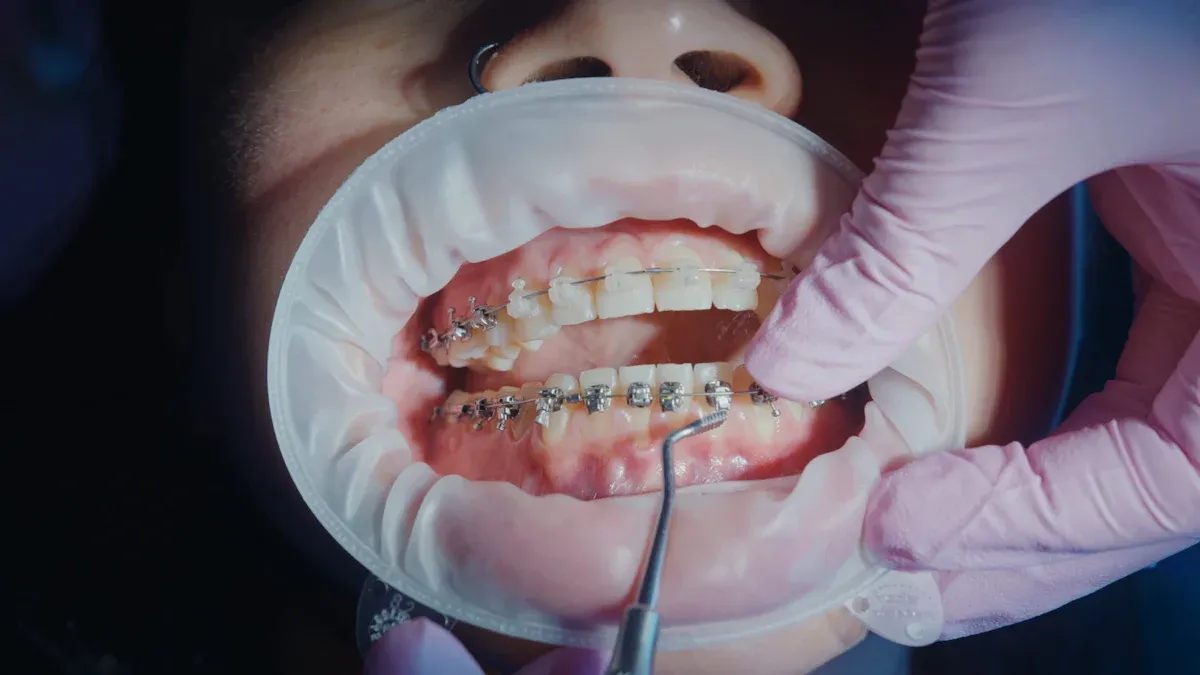
The orthodontist places the self-ligating brackets onto the teeth. They then thread the archwire through the brackets’ built-in clips. This process secures the wire without elastic ties. Patients attend regular adjustment appointments. During these visits, the orthodontist monitors progress. They make necessary adjustments to the archwire. These adjustments guide the teeth into their correct positions.
Post-Treatment Care and Retainers
Treatment completion marks a significant milestone. Patients then enter the retention phase. This phase prevents teeth from shifting back. The orthodontist prescribes retainers. These devices maintain the new tooth positions.
Common types of retainers include:
- Permanent Retainer: This metal bar sits behind the bottom front teeth. It prevents these teeth, prone to shifting, from moving.
- Removable Retainer: Patients can take these retainers out. They hold teeth in place. After an initial period, patients typically wear them only at night.
- Hawley Retainers: These removable retainers feature a metal wire. They encircle the front six teeth. An acrylic frame and wire maintain tooth position.
- Essix (Clear) Retainers: These transparent, removable retainers cover the entire arch of teeth. They resemble clear aligner trays.
- Bonded Retainers: These cement directly to the inner surface of the lower canine teeth. Patients must exercise caution with their bite.
Patients must diligently clean their retainers. They also follow the orthodontist’s wearing instructions. This ensures lasting results.
Patients must carefully weigh the advantages and disadvantages of self-ligating brackets for their unique orthodontic needs. Making an informed decision about your orthodontic journey requires understanding all aspects. A long-term follow-up study showed no significant differences in stability between self-ligating and conventional brackets over several years. This indicates bracket type does not affect long-term success. Always consult with an orthodontist. They provide personalized advice and recommend the best treatment plan for your smile.
FAQ
Are self-ligating braces faster than traditional braces?
Research does not consistently show self-ligating braces significantly shorten overall treatment time. Factors like case complexity and patient compliance often influence duration more than bracket type.
Do self-ligating braces cause less pain or discomfort?
While self-ligating braces reduce friction, clinical studies have not consistently proven they cause less pain or discomfort than traditional braces. Patient experience can vary.
Are self-ligating braces more expensive than traditional braces?
Yes, self-ligating braces typically have a higher initial cost. Their advanced design and specialized manufacturing contribute to this premium price point compared to conventional systems.
Can all patients use self-ligating braces?
No, self-ligating braces are not suitable for every case. Orthodontists may recommend traditional braces or other solutions for complex misalignments or severe jaw corrections.
Post time: Dec-09-2025