
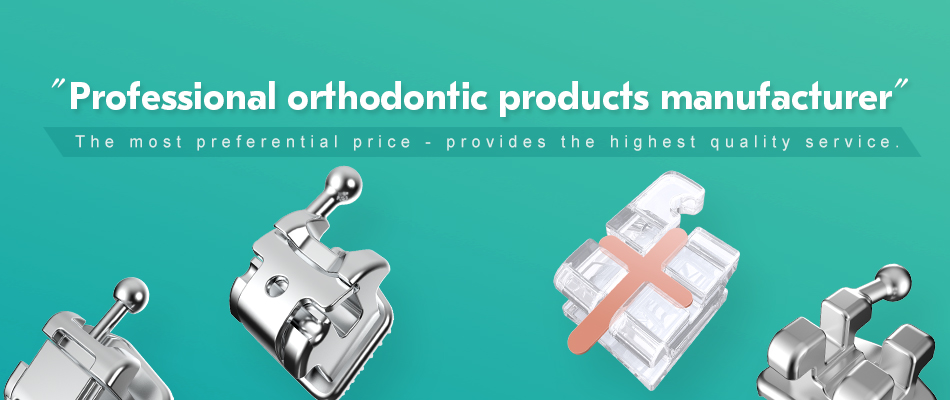

ISO 13485 certification confirms an active bracket manufacturer maintains a robust quality management system (QMS) for medical devices. This certification ensures consistent adherence to regulatory requirements. It also meets customer expectations for product safety and performance. Manufacturers of Orthodotic self-ligating brackets active demonstrate this commitment to quality.
Key Takeaways
- ISO 13485 certification shows a manufacturer’s strong commitment to quality. It ensures active brackets are safe and work well for patients.
- This certification helps manufacturers meet strict rules. It allows them to sell their active brackets in many countries.
- ISO 13485 helps make products better and saves money. It also builds trust with customers and makes the company look good.
Understanding ISO 13485 for Active Bracket Manufacturing
What ISO 13485 Certification Entails
ISO 13485 certification signifies a manufacturer’s commitment to quality. It establishes a comprehensive quality management system (QMS) specifically for medical devices. This system covers every stage of a product’s life cycle. Manufacturers must demonstrate control over design, development, production, storage, and distribution. They also manage installation and servicing. The standard requires documented procedures and records. This ensures consistent product quality and safety.
Why ISO 13485 is the Optimal Standard for Medical Devices
ISO 13485 stands as the premier standard for medical device manufacturers. Unlike general quality standards such as ISO 9001, ISO 13485 specifically addresses the unique regulatory requirements of the medical device industry. It integrates risk management throughout the QMS. This focus helps manufacturers identify and mitigate potential hazards. The standard also emphasizes regulatory compliance. This makes it essential for market access globally. Manufacturers of active brackets benefit from this specialized framework. It ensures their products meet stringent safety and performance criteria.
The Critical Role of Quality in Active Brackets
Ensuring Patient Safety and Clinical Outcomes with Active Brackets
Quality in active brackets directly impacts patient well-being. These medical devices remain inside the mouth for extended periods. Any defect can cause discomfort or injury. High-quality manufacturing ensures the brackets perform as intended. This leads to effective tooth movement and desired orthodontic results. Patients rely on these devices for successful treatment. Poor quality can lead to treatment delays or complications. For example, a faulty Orthodotic self-ligating brackets active could detach. This compromises the entire treatment plan. Manufacturers must prioritize precision and durability.
Navigating Regulatory Compliance and Market Access for Active Brackets
Regulatory bodies worldwide impose strict requirements on medical devices. Quality management systems, like ISO 13485, help manufacturers meet these standards. Compliance is not optional; it is mandatory for market entry. Without proper certification, manufacturers cannot sell their products in many regions. This includes the European Union and the United States. A robust quality system demonstrates a manufacturer’s commitment to safety. It facilitates smoother regulatory approvals. This allows companies to access global markets. For example, a well-documented QMS for Orthodotic self-ligating brackets active simplifies the approval process. It ensures products reach patients who need them.
How ISO 13485 Guarantees Quality for Orthodontic Self-Ligating Brackets Active
ISO 13485 provides a comprehensive framework. It ensures the quality and safety of medical devices like orthodontic self-ligating brackets active. This standard mandates specific controls across the entire product lifecycle. Manufacturers implement these controls to deliver reliable and effective products.
Integrating Risk Management Throughout the Product Lifecycle
ISO 13485 requires manufacturers to integrate risk management into every stage. This begins with initial product conception. It extends through design, development, production, and post-market activities. Manufacturers identify potential hazards associated with orthodontic self-ligating brackets active. They assess the risks these hazards pose. Then, they implement controls to mitigate these risks. This proactive approach minimizes the likelihood of product failures or patient harm. For example, manufacturers evaluate material biocompatibility. They also assess the mechanical strength of the bracket. This ensures the device performs safely in the oral environment.
Implementing Robust Design and Development Controls
The standard places significant emphasis on design and development controls. Manufacturers establish detailed plans for each product. These plans define design inputs, such as user needs and regulatory requirements. Design outputs then translate these inputs into specifications. This includes drawings and material lists for orthodontic self-ligating brackets active. Regular design reviews occur at planned stages. These reviews ensure the design meets requirements. Verification activities confirm the design outputs meet the design inputs. Validation activities ensure the final product meets user needs and intended use. This rigorous process prevents design flaws from reaching production.
Maintaining Strict Production and Process Controls
ISO 13485 demands strict controls over production processes. Manufacturers validate all processes affecting product quality. This includes molding, assembly, and sterilization. They ensure equipment is properly calibrated and maintained. Environmental conditions, such as temperature and humidity, remain controlled. Personnel receive adequate training for their specific tasks. In-process inspections and testing occur at critical stages. These checks verify product conformity. Final product release only happens after all specified requirements are met. This meticulous control ensures every orthodontic self-ligating brackets active consistently meets quality standards.
Ensuring Traceability and Effective Post-Market Surveillance
Traceability is a key requirement under ISO 13485. Manufacturers maintain records for each component and finished device. This allows them to track products from raw materials to the end-user. If an issue arises, they can quickly identify affected batches. Post-market surveillance is also crucial. Manufacturers actively collect feedback on their products once they are on the market. This includes customer complaints and adverse event reports. They analyze this data to identify potential problems or areas for improvement. This continuous monitoring helps ensure the ongoing safety and effectiveness of orthodontic self-ligating brackets active. It also drives continuous improvement within the quality management system.
Key Benefits of ISO 13485 Certification for Manufacturers
ISO 13485 certification offers significant advantages for active bracket manufacturers. It provides a structured approach to quality management. This framework helps companies achieve excellence in their operations and products.
Enhancing Product Reliability and Safety
ISO 13485 certification directly improves the reliability and safety of active brackets. The standard mandates robust design controls and risk management processes. Manufacturers systematically identify and mitigate potential hazards throughout the product lifecycle. This proactive approach reduces the likelihood of product defects or failures. For example, rigorous testing protocols ensure materials meet biocompatibility standards. They also confirm mechanical strength for orthodontic self-ligating brackets active. This commitment to quality minimizes risks to patients. It also ensures the devices perform consistently as intended. Patients and clinicians gain confidence in the product’s performance. This leads to better clinical outcomes and increased trust in the manufacturer.
Driving Operational Efficiency and Cost Reduction
Implementing an ISO 13485-compliant QMS streamlines manufacturing processes. It requires clear documentation for every procedure. This standardization reduces ambiguity and errors in production. Manufacturers validate processes, ensuring consistent output and minimizing rework. They also identify inefficiencies and implement corrective actions. This continuous improvement cycle leads to optimized resource utilization. It reduces waste and lowers manufacturing costs. For instance, a well-defined process for assembling orthodontic self-ligating brackets active decreases production time. It also lowers the number of rejected units. Ultimately, operational efficiency translates into significant cost savings for the company.
Gaining Competitive Advantage and Strengthening Reputation
ISO 13485 certification serves as a powerful differentiator in the medical device market. It signals a manufacturer’s unwavering commitment to quality and patient safety. This distinction helps companies stand out from competitors. Many international markets and regulatory bodies recognize or require ISO 13485. Certification opens doors to new business opportunities globally. It also builds a strong, positive reputation among orthodontists, dentists, and distributors. Customers prefer working with certified manufacturers. They trust the quality and compliance of their products. This enhanced reputation can lead to increased market share and stronger brand loyalty.
Streamlining Regulatory Audits and Approvals
A well-implemented ISO 13485 quality management system simplifies the regulatory compliance process. It provides a clear, documented framework that meets many global regulatory requirements. Manufacturers maintain comprehensive records of design, production, and post-market activities. This organized documentation makes regulatory audits smoother and more efficient. Auditors can quickly verify compliance with international standards. This often accelerates product approvals in various jurisdictions. For active bracket manufacturers, this means faster market entry. It also reduces the administrative burden associated with regulatory submissions. This efficiency allows companies to focus more on innovation and less on bureaucratic hurdles.
Achieving and Sustaining ISO 13485 Compliance for Active Bracket Manufacturers
Essential Steps for Successful Implementation
Manufacturers embark on a structured journey to achieve ISO 13485 certification. First, they conduct a thorough gap analysis. This identifies discrepancies between their current quality system and ISO 13485 requirements. Next, they develop comprehensive documentation. This includes quality manuals, procedures, and work instructions. Training all personnel on the new QMS is crucial. Employees must understand their roles and responsibilities. Manufacturers then implement the system, collecting records and data. Internal audits regularly assess the system’s effectiveness. A management review ensures top leadership remains engaged and committed. Finally, an accredited certification body performs an external audit. This audit confirms compliance and grants certification.
The Importance of Ongoing Commitment to Quality
Achieving ISO 13485 certification marks a significant milestone. However, sustaining compliance requires continuous effort. Manufacturers must view their QMS as a living system. They regularly review and update procedures. This ensures the system remains effective and relevant. Continuous improvement is a core principle. Manufacturers actively seek ways to enhance product quality and process efficiency. They conduct periodic internal audits and management reviews. These activities identify areas for improvement and ensure ongoing adherence to the standard. External surveillance audits occur annually. These audits verify the manufacturer’s continued compliance. This unwavering commitment ensures active brackets consistently meet the highest standards for safety and performance.
ISO 13485 certification establishes a foundational framework. It ensures the safety, efficacy, and market success of active brackets. Manufacturers consistently deliver high-quality, life-enhancing medical devices through this standard. This commitment to quality builds trust. It also facilitates global market access.
FAQ
What does ISO 13485 certification mean for a manufacturer?
It confirms a manufacturer has a robust quality management system. This system ensures medical devices meet strict safety and performance standards.
How does ISO 13485 ensure patient safety with active brackets?
The standard integrates risk management throughout the product lifecycle. It mandates rigorous design, production, and post-market controls. This minimizes potential hazards.
Can ISO 13485 help manufacturers access global markets?
Yes, many international regulatory bodies recognize or require ISO 13485. Certification streamlines approvals and opens doors to worldwide sales.
Post time: Dec-04-2025