
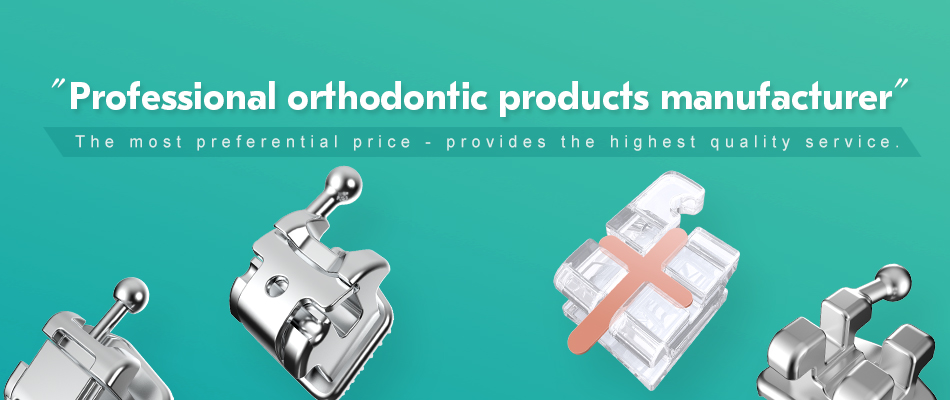

Active self-ligating brackets optimize force control. They significantly reduce friction between the archwire and the bracket slot. This reduction allows for more efficient and precise tooth movement. Lighter, continuous forces are applied. Orthodotic self-ligating brackets active technology advances treatment.
Key Takeaways
- Active SLB brackets reduce friction. This helps teeth move better. They use a special clip to hold the wire.
- These brackets use lighter forces. This makes treatment more comfortable. It also helps teeth move faster.
- Active SLBs make tooth movement more exact. This means better results. Patients also spend less time at the dentist.
Understanding Friction: The Conventional Orthodontic Challenge
The Problem with Traditional Ligation
Traditional orthodontic brackets rely on elastic ligatures or thin steel ties. These small components secure the archwire firmly within the bracket slot. This conventional method, however, introduces a significant challenge: friction. The ligatures press tightly against the archwire’s surface. This constant pressure creates considerable resistance. It effectively binds the wire, preventing its free movement. This binding action hinders the smooth sliding of the archwire through the bracket. It acts like a constant brake on the system. This means the orthodontic system requires more effort to initiate and sustain tooth movement. The ligatures themselves also degrade over time, leading to inconsistent friction levels.
Impact of High Friction on Tooth Movement
High friction directly impacts the efficiency and predictability of tooth movement. It demands greater force to move teeth into their desired positions. Orthodontists must apply heavier forces to overcome this inherent resistance. These heavier forces can cause increased patient discomfort. Patients often report more soreness and pressure. High friction also significantly slows down the overall treatment process. Teeth move less predictably when they constantly fight against binding forces. The archwire cannot fully express its programmed shape and force. This leads to longer treatment times. It also results in less precise tooth positioning. High friction can also increase the risk of root resorption. It places undue stress on the periodontal ligament, potentially damaging the tooth’s support structure. This conventional challenge underscores the critical need for orthodontic mechanics that effectively minimize friction.
The Active SLB Solution: How Orthodontic Self-Ligating Brackets Active Friction Control
Mechanism of Active Self-Ligation
Active self-ligating brackets use a built-in mechanism. This mechanism secures the archwire. It eliminates the need for elastic ties or steel ligatures. A small, spring-loaded door or clip is part of the bracket. This door closes over the archwire. It holds the wire firmly within the bracket slot. This design creates a controlled, active engagement with the archwire. The clip applies light, consistent pressure. This pressure helps the archwire express its shape. It also allows the wire to slide more freely. Unlike passive self-ligating brackets, which simply cover the slot, active brackets actively press on the wire. This active engagement is key. It ensures optimal force transmission. It also minimizes binding. Orthodotic self-ligating brackets active technology provides precise control.
Key Design Features for Friction Reduction
Several design features contribute to low friction in active SLBs. These features work together. They create a low-friction environment. This environment allows the archwire to deliver its intended forces efficiently.
- Integrated Clip/Door: The clip is an integral part of the bracket. It does not add bulk. It also does not create extra friction points. This clip applies gentle pressure directly to the archwire. This pressure keeps the wire seated. It still allows for smooth movement.
- Smooth Internal Surfaces: Manufacturers design the bracket slot and clip with very smooth surfaces. This reduces resistance. The archwire glides easily along these polished surfaces.
- Precise Slot Dimensions: Active SLBs have highly accurate slot dimensions. This ensures a snug fit for the archwire. A precise fit minimizes play. It also prevents unwanted movement. This precision reduces friction.
- Advanced Materials: Brackets often use specialized materials. These materials have low coefficients of friction. They are also durable. This material choice further enhances the smooth sliding action.
- Rounded Edges: Many active SLBs feature rounded or beveled edges. This design prevents the archwire from catching. It also reduces friction during movement.
Orthodotic self-ligating brackets active systems improve treatment mechanics. They offer a significant advantage over traditional methods.
Optimizing Force Control: Direct Benefits of Low Friction
Lighter, More Physiological Forces
Low friction allows for lighter forces. These forces move teeth gently. They mimic the body’s natural processes. This is called physiological tooth movement. Heavy forces can damage tissues. Lighter forces reduce patient discomfort. They promote healthier bone remodeling. The risk of root resorption also decreases. Traditional brackets need heavy forces. They must overcome high friction. Active SLBs avoid this problem. They apply gentle, consistent pressure. This leads to better outcomes. Patients often report less soreness.
Enhanced Archwire Expression and Predictability
Low friction helps the archwire work better. The archwire has a specific shape. It applies programmed forces. This is called archwire expression. When friction is low, the wire can fully express its shape. It guides teeth precisely. This makes tooth movement more predictable. Orthodontists can anticipate results better. There is less need for unexpected adjustments. Teeth move to their intended positions efficiently. The system works as designed. Orthodotic self-ligating brackets active technology ensures this precision.
Continuous Force Delivery and Reduced Chair Time
Low friction ensures continuous force delivery. Traditional systems often have stop-and-go forces. Ligatures bind the wire. They also degrade over time. This creates inconsistent pressure. Active SLBs provide uninterrupted force. The archwire moves freely. This continuous force moves teeth more efficiently.
Continuous force delivery means teeth move steadily towards their desired positions, optimizing the entire treatment process.
Patients spend less time in the chair. Fewer appointments are necessary for adjustments. Wire changes become quicker. The treatment progresses smoothly between visits. This benefits both the patient and the orthodontist.
Clinical Advantages and Patient Experience with Active SLBs
Improved Treatment Efficiency and Outcomes
Active self-ligating brackets offer significant clinical advantages. They streamline the orthodontic process. Low friction allows teeth to move more efficiently. This often shortens overall treatment time. Orthodontists observe more predictable tooth movement. The archwire expresses its intended forces fully. This leads to better final tooth positioning. Patients achieve their desired smiles faster. Fewer unexpected adjustments become necessary. This efficiency benefits both the patient and the clinician. Orthodotic self-ligating brackets active technology truly enhances treatment outcomes.
Increased Patient Comfort and Hygiene
Patients experience greater comfort with active SLBs. Lighter, continuous forces reduce soreness. They feel less pressure on their teeth. The absence of elastic ligatures also improves hygiene. Food particles do not get trapped as easily. Patients can clean their teeth more effectively. This reduces the risk of plaque buildup and gum inflammation. Better oral hygiene during treatment contributes to healthier teeth and gums. Many patients report a more pleasant orthodontic journey. They appreciate the reduced discomfort and easier maintenance.
Active SLB brackets optimize force control. They manage friction well. This leads to efficient, comfortable, and predictable orthodontic treatment. Orthodotic self-ligating brackets active technology significantly advances orthodontic mechanics. It also improves patient care. Their impact is clear.
FAQ
What makes active SLBs different from passive SLBs?
Active SLBs use a spring-loaded clip. This clip actively presses on the archwire. Passive SLBs simply cover the archwire. They do not apply direct pressure. This active engagement helps control forces better.
Do active SLBs cause more pain than traditional braces?
No, active SLBs generally cause less discomfort. They use lighter, continuous forces. Traditional braces often require heavier forces. This is to overcome friction. Lighter forces mean less soreness for patients.
How often do patients need adjustments with active SLBs?
Patients often need fewer appointments. Active SLBs provide continuous force delivery. This moves teeth efficiently. Fewer adjustments mean less chair time. This benefits both patients and orthodontists.
Post time: Dec-04-2025