
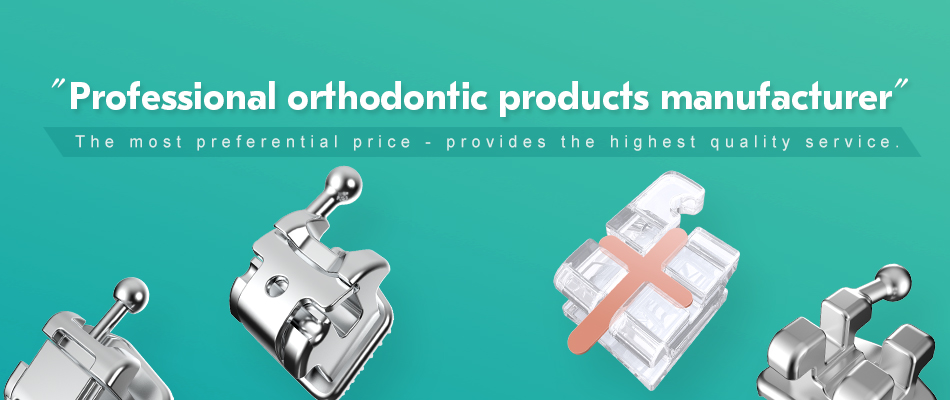

Patients experience orthodontic treatment with significantly reduced irritation. They also feel less discomfort. Advanced bracket technology achieves precise tooth alignment and a beautiful smile. This includes innovative Orthodontic Self Ligating Brackets. Patients benefit from a treatment experience. This experience prioritizes their well-being without sacrificing results.
Key Takeaways
- Low-profile brackets are smaller and smoother. They cause less irritation in your mouth. This makes your orthodontic treatment more comfortable.
- These brackets still move your teeth well. They work just as effectively as traditional braces. You get a great smile without extra discomfort.
- Low-profile brackets make daily life easier. They are easier to clean. They also help you feel more confident during your treatment.
What Makes Low-Profile Brackets More Comfortable and Effective?
Streamlined Design for Reduced Irritation
Low-profile brackets feature a design that significantly reduces irritation. Traditional braces often have bulkier components. These components can rub against the soft tissues inside the mouth. Low-profile brackets, however, sit closer to the tooth surface. This minimized projection means less contact with the cheeks and lips. Patients experience fewer sores and less general discomfort throughout their treatment. This streamlined approach makes daily activities, like speaking and eating, much more comfortable.
Smooth Contours and Rounded Edges
The comfort of low-profile brackets also comes from their smooth contours and rounded edges. Manufacturers design these brackets with patient well-being in mind. They eliminate sharp corners and abrasive surfaces. This careful shaping prevents cuts and abrasions to the delicate oral mucosa. Patients often report a quicker adaptation period to their braces. The absence of harsh edges contributes to a more pleasant overall orthodontic experience. This design philosophy prioritizes comfort without sacrificing the bracket’s ability to move teeth effectively.
Advanced Materials for Strength and Biocompatibility
Low-profile brackets utilize advanced materials. These materials offer both strength and biocompatibility. High-grade stainless steel, ceramic, and composite resins are common choices. These materials ensure the brackets withstand the forces of chewing and daily wear. They also resist corrosion and do not cause adverse reactions in the mouth. Some designs, including certain Orthodontic Self Ligating Brackets, incorporate specialized alloys. These alloys provide exceptional durability while maintaining a slim profile. The use of biocompatible materials means patients experience less irritation and a healthier oral environment during their treatment. This combination of strength and safety ensures effective and comfortable tooth movement.
Direct Comfort Benefits for Patients
Minimized Soft Tissue Rubbing and Sores
Low-profile brackets significantly reduce soft tissue irritation. Their design minimizes contact with the delicate tissues inside the mouth. Patients experience fewer instances of rubbing against their cheeks, lips, and tongue. This reduction directly translates to fewer painful sores and abrasions. Traditional braces often cause discomfort due to their bulkier nature. Low-profile designs offer a smoother, less intrusive presence, promoting a more comfortable treatment journey. This feature allows patients to speak and eat with greater ease.
Less Bulk for Improved Oral Sensation
The reduced bulk of low-profile brackets offers patients improved oral sensation. These smaller brackets occupy less space within the oral cavity. Patients report a more natural feeling inside their mouths. This allows the tongue to move more freely. It also enhances the perception of food textures and temperatures. The less obtrusive design helps patients maintain a sense of normalcy during treatment. This contributes to a better overall quality of life throughout the orthodontic process.
Easier Adaptation to Braces
Patients adapt to low-profile braces more easily. The streamlined design and smooth contours contribute to a quicker adjustment period. Individuals often find the initial days and weeks of treatment less challenging. They experience less foreign body sensation. This ease of adaptation encourages better compliance with treatment protocols. A comfortable start sets a positive tone for the entire orthodontic experience. Patients can integrate their braces into daily life with minimal disruption.
Maintaining Orthodontic Efficacy with Low-Profile Designs
Optimized Force Transmission for Precise Movement
Low-profile brackets effectively transmit orthodontic forces. Their design ensures precise tooth movement. Engineers optimize bracket slots and base designs. This optimization allows orthodontists to apply controlled forces. The smaller size does not compromise the biomechanical principles of tooth movement. Instead, it often enhances them. This precision helps achieve desired results efficiently. Patients benefit from effective treatment.
Secure Bonding for Consistent Treatment Progression
Low-profile brackets maintain secure bonding to tooth surfaces. Manufacturers use advanced bonding agents and techniques. These methods ensure the brackets remain firmly in place. Strong adhesion prevents unexpected debonding. Consistent bonding is crucial for uninterrupted treatment progression. It allows the orthodontic forces to work continuously. This reliability minimizes delays and ensures a steady path to alignment.
Reduced Occlusal Interference
Low-profile designs significantly reduce occlusal interference. The brackets sit closer to the tooth surface. This minimizes contact with opposing teeth during biting and chewing. Reduced interference enhances patient comfort. It also protects the brackets from accidental dislodgement or damage. Some advanced designs, including certain Orthodontic Self Ligating Brackets, further minimize bulk. This feature contributes to a smoother bite and more stable treatment mechanics. Patients experience fewer disruptions and a more comfortable treatment journey.
Low-Profile Brackets Versus Traditional Braces
Enhanced Patient Experience and Aesthetics
Low-profile brackets offer a significantly enhanced patient experience compared to traditional braces. Their smaller size makes them less noticeable. Patients often feel more confident smiling and speaking during treatment. This aesthetic advantage reduces self-consciousness. The reduced bulk also means less irritation to the cheeks and lips. Patients report greater comfort from the start of their orthodontic journey. This improved comfort directly contributes to a more positive overall experience.
Practical Advantages in Daily Life
Low-profile brackets provide several practical advantages in daily life. Their compact design makes oral hygiene easier. Patients can brush and floss more effectively around smaller brackets. This reduces the risk of plaque buildup and gum issues. Eating also becomes less challenging. Food particles are less likely to get trapped. The reduced size minimizes interference with speech. Patients adapt quickly to these braces. This allows them to maintain their normal routines with minimal disruption.
Comparable or Improved Treatment Outcomes
Low-profile designs maintain orthodontic efficacy. They deliver precise tooth movement. The smaller size does not compromise the mechanics of tooth alignment. Many low-profile systems, including advanced Orthodontic Self Ligating Brackets, optimize force transmission. This leads to efficient and predictable results. Some designs even offer advantages like reduced friction. This can potentially shorten treatment times. Patients achieve their desired smile with comparable or even improved outcomes.
The Role of Low-Profile Orthodontic Self Ligating Brackets
Friction Reduction for Efficient Tooth Movement
Low-profile Orthodontic Self Ligating Brackets represent a significant advancement in orthodontic technology. These brackets incorporate a specialized, built-in clip or door. This clip securely holds the archwire. Unlike traditional braces that rely on elastic ties or thin wires, the self-ligating mechanism eliminates these external components. This design significantly reduces friction between the bracket and the archwire. Lower friction allows teeth to glide more freely along the archwire. This promotes more efficient and often faster tooth movement. Patients frequently report less discomfort during this optimized process. The system effectively transmits forces for precise tooth positioning.
Simplified Oral Hygiene
The streamlined design of self-ligating brackets also greatly simplifies oral hygiene for patients. Traditional brackets often utilize elastic ties. These ties create numerous small crevices. Food particles and plaque can easily become trapped in these areas. The self-ligating system, by eliminating these ties, presents a much smoother surface. Patients find cleaning around the brackets considerably easier. They can brush and floss more effectively. This reduces the risk of plaque accumulation, potential cavities, and gum inflammation. Improved hygiene contributes significantly to better overall oral health throughout the treatment period.
Potential for Fewer Adjustment Appointments
Low-profile self-ligating brackets offer the potential for fewer adjustment appointments. The reduced friction facilitates continuous and consistent tooth movement. This means the orthodontist may not need to make adjustments as frequently as with traditional systems. Traditional braces often necessitate more frequent visits to change elastic ties or adjust wires. The self-ligating system maintains effective forces over longer intervals. This efficiency provides a clear benefit for patients. They spend less time at the orthodontic office, making the entire treatment process more convenient and less disruptive to their schedules.
Tangible Patient Advantages Beyond Comfort
Improved Oral Hygiene Access
Low-profile brackets significantly enhance oral hygiene access for patients. Their compact design leaves more tooth surface exposed. Patients can brush and floss around the brackets more effectively. This reduces the accumulation of plaque and food debris. Better cleaning minimizes the risk of cavities and gum inflammation during treatment. This ease of maintenance contributes to healthier teeth and gums throughout the orthodontic journey.
Boosted Confidence During Treatment
Patients experience boosted confidence during treatment with low-profile brackets. These smaller, less conspicuous appliances are less noticeable than traditional braces. Individuals feel more comfortable smiling and speaking in social settings. This aesthetic advantage reduces self-consciousness. Patients often report a greater willingness to engage socially. This positive psychological impact supports overall well-being throughout the treatment period.
Fewer Emergency Visits for Discomfort
Low-profile brackets lead to fewer emergency visits for discomfort. Their streamlined design and smooth edges minimize irritation to the soft tissues of the mouth. Patients experience fewer instances of severe sores or abrasions. The secure bonding and reduced bulk also decrease the likelihood of broken wires or detached brackets. This reliability means fewer unscheduled trips to the orthodontist. Patients enjoy a smoother, more predictable treatment experience.
Embrace a more comfortable and efficient path to your ideal smile with low-profile bracket technology. Patients achieve exceptional orthodontic results. They enjoy a significantly improved treatment experience. This includes the benefits of advanced Orthodontic Self Ligating Brackets. Discuss with your orthodontist how low-profile brackets can benefit your specific treatment needs.
FAQ
Are low-profile brackets truly more comfortable?
Yes, their streamlined design and smooth edges significantly reduce irritation. Patients experience fewer sores and greater overall comfort during treatment.
Do low-profile brackets take longer to straighten teeth?
No, low-profile brackets maintain orthodontic efficacy. They transmit forces precisely. Many designs, including self-ligating types, can even optimize treatment efficiency.
Can patients eat normally with low-profile brackets?
Patients find eating easier with low-profile brackets. Their reduced bulk minimizes food trapping. This allows for a more natural chewing experience compared to traditional braces.
Post time: Oct-24-2025