

Orthodontic brackets vary significantly among brands, with each orthodontic product manufacturer offering unique features that cater to different patient needs. For instance, some brackets enhance comfort while others focus on treatment efficiency, making them essential dental supplies wholesale for orthodontic practices.
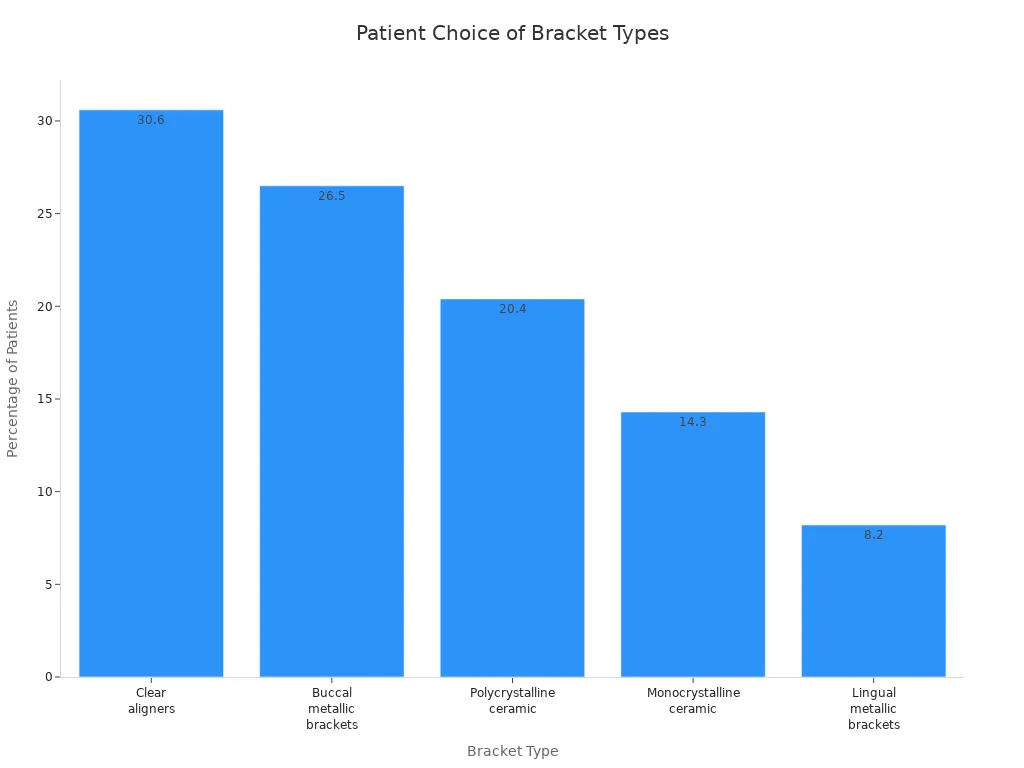
Choosing the right orthodontic bracket is crucial. Patients often select based on aesthetics, comfort, and recommendations from their orthodontists. A recent study revealed that 30.6% of patients prefer clear aligners for their aesthetic appeal, while 26.5% opt for buccal metallic brackets due to their effectiveness. Additionally, orthodontic elastics play a vital role in the overall treatment process, further influencing patient choices.
As the demand for CE, FDA certified dental products continues to rise, the market for global orthodontic solutions expands, ensuring that patients have access to the best options available.
Key Takeaways
- Choosing the right orthodontic bracket is essential for comfort and treatment efficiency. Consider aesthetics, comfort, and orthodontist recommendations.
- Damon brackets offer shorter treatment times and less discomfort due to their self-ligating design, making them a popular choice among patients.
- Invisalign attachments enhance clear aligners’ effectiveness, allowing for more complex tooth movements and potentially reducing treatment duration.
- 3M Unitek brackets are known for their reliability and lower failure rates, making them a trusted option for orthodontic professionals.
- Ceramic brackets provide a discreet appearance and are preferred by many patients for their aesthetic appeal, boosting confidence during treatment.
Damon Brackets
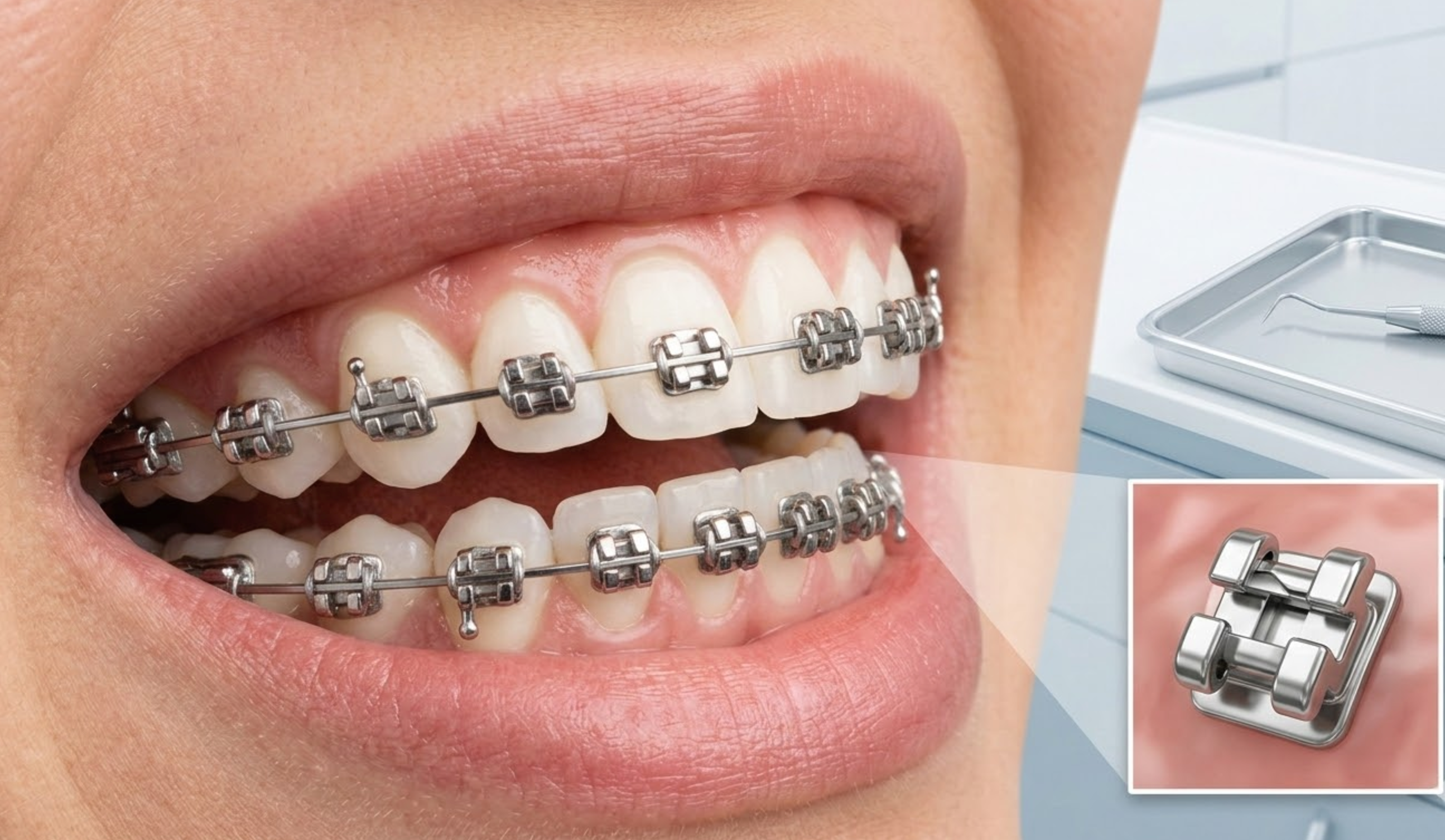
Damon brackets represent a significant advancement in orthodontic technology. These self-ligating brackets utilize a unique mechanism that allows the archwire to slide freely, reducing friction and enhancing comfort during treatment. Patients often experience shorter treatment times and less discomfort compared to traditional brackets.
Several clinical studies support the effectiveness of Damon brackets. One study evaluated the alignment efficiency and pain experience between Damon3 brackets and conventional MBT brackets. This research highlighted the superior comfort and treatment outcomes associated with Damon brackets. Another study involving 215 patients compared treatment efficiency and satisfaction levels between the Damon SL System and conventional brackets. Results indicated that patients treated with Damon brackets enjoyed shorter treatment durations and higher satisfaction rates.
Damon brackets incorporate several innovative features that set them apart from other orthodontic brackets:
| Feature | Description |
|---|---|
| Precision | Industrial best 0.022 precision error |
| Construction | Monoblock Bracket, made using advanced metal injection molding technology |
| Design | Low profile wing design, smooth surface for reduced discomfort |
| Micro Etched Technology | Ensures a smoother base surface for better fit and comfort during orthodontic treatment |
| Sandblasting Treatment | Enhances surface smoothness, reducing irritation to the oral cavity |
| Personalization | Variety of color choices available for patients to select based on preferences |
| Accuracy and Stability | Precise manufacturing process ensures significant correction effects for orthodontic treatment |
These features contribute to the overall effectiveness of Damon brackets in addressing various dental alignment challenges. They provide a reliable option for correcting crooked teeth, overbites, and underbites while minimizing discomfort.
Long-term outcomes for patients using Damon brackets are comparable to those of conventional systems. Both systems achieve similar treatment results when managed by experienced orthodontists. However, differences in treatment duration may arise based on patient cooperation and case complexity.
Invisalign Attachments and Brackets
Invisalign attachments and brackets serve distinct purposes in orthodontic treatment. Traditional braces utilize metal brackets and wires to apply pressure on teeth. In contrast, Invisalign attachments enhance the functionality of clear aligners, enabling more complex tooth movements. These attachments act as guiding points for the aligners, allowing for adjustments that address a wider range of alignment issues.
The strategic placement of Invisalign attachments can significantly impact the overall treatment timeline. By enhancing the aligners’ capabilities, these attachments allow for more efficient tooth movements. This efficiency can potentially reduce the overall duration of treatment when used appropriately. Patients often find that their treatment progresses more smoothly with the addition of these attachments.
However, the effectiveness of Invisalign attachments in treating severe malocclusions can be limited by the experience level of the provider. An experienced orthodontist can customize treatment plans to reduce the number of attachments needed and better address complex dental issues. Conversely, less experienced providers relying on AI-generated treatment plans may produce more generic solutions. This can lead to a higher number of attachments and may not fully accommodate the nuances of severe malocclusions. Thus, while Invisalign attachments offer many benefits, their effectiveness can vary based on the provider’s expertise.
3M Unitek Brackets
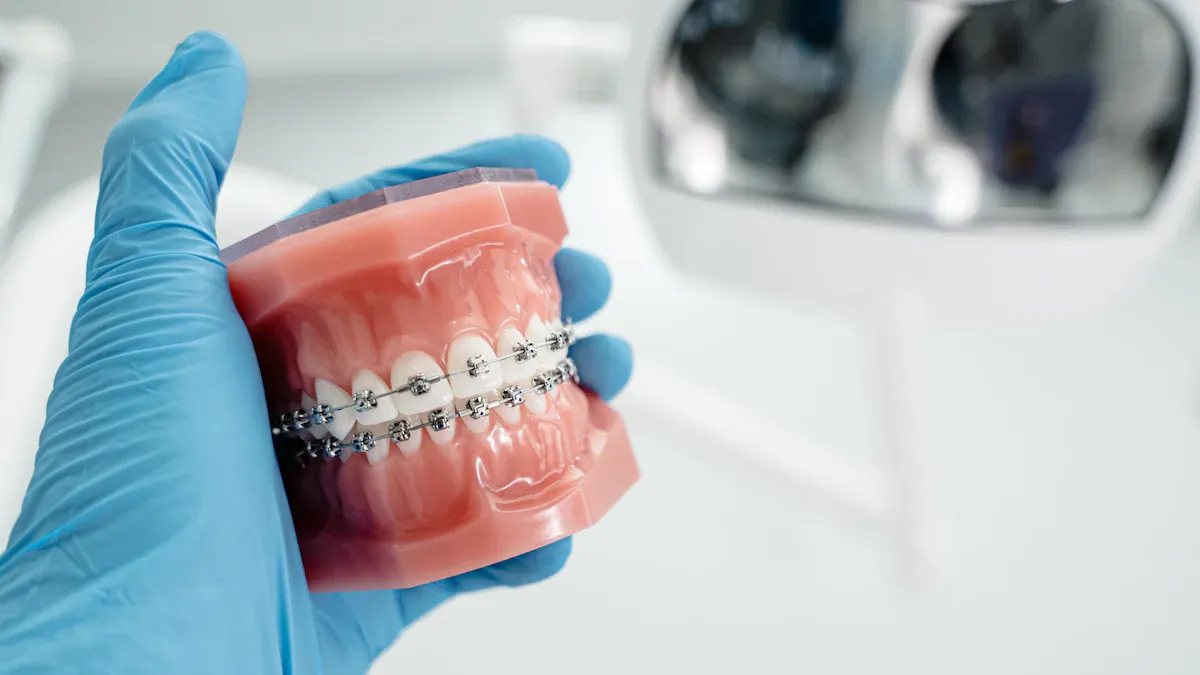
3M Unitek brackets are known for their innovative design and reliability in orthodontic treatment. These brackets offer several features that enhance both patient comfort and treatment efficiency. Orthodontic professionals often highlight the following unique attributes:
| Feature | Description |
|---|---|
| Adhesive Pre-Coated | Enhances treatment efficiency and control. |
| Robust Ligating Mechanism | Provides durability and ease of operation. |
| Patient Comfort | Thoughtful design with round, low profile hooks and rounded edges. |
| Tamper-Evident Packaging | Ensures hygiene and reliability. |
These features contribute to the overall effectiveness of 3M Unitek brackets in various orthodontic applications.
In terms of performance, studies indicate that 3M Unitek brackets exhibit lower failure rates compared to traditional metallic brackets. For instance, in a 12-month study, metallic brackets had a failure rate of 7.2%, while ceramic brackets showed a significantly lower rate of 1.1%. The overall failure rate across all brackets was 4.2%, with most failures occurring within the first six months. Notably, 87.5% of failures involved metallic brackets, underscoring the reliability of 3M Unitek’s design.
- The statistical analysis revealed significant differences in failure rates between metallic and ceramic brackets (p < 0.05).
- The clinically significant difference of 6% indicates that patients using metallic brackets may experience one additional failure within 12 months.
Overall, 3M Unitek brackets stand out for their thoughtful design and proven performance, making them a preferred choice among orthodontic professionals.
Ormco Brackets
Ormco brackets are recognized for their innovative designs and high-quality materials. These orthodontic brackets offer a range of options, including stainless steel, ceramic, polycrystalline alumina, and titanium alloy. Each material presents unique advantages and limitations, allowing orthodontists to select the best fit for their patients’ needs.
| Material | Key Clinical Advantages | Limitations to Consider |
|---|---|---|
| Stainless Steel | Maximum strength, lowest friction, highest bond durability | Lower aesthetic appeal; not ideal for adult anterior esthetic zones |
| Ceramic | High translucency, excellent stain resistance, bond strength comparable to steel | More brittle during debonding; requires careful removal technique |
| Polycrystalline Alumina | Combines aesthetics with self-ligating efficiency | Higher cost per unit; limited long-term data on marginal staining |
| Titanium Alloy | Biocompatible, lightweight, excellent corrosion resistance | Requires titanium-specific debonding pliers; slightly less rigid than stainless steel |
A recent multicenter audit published in the American Journal of Orthodontics and Dentofacial Orthopedics tracked 1,287 patients using Clarity ADVANCED versus standard stainless steel MBT brackets. The ceramic cohort showed 22% higher patient-reported satisfaction scores, indicating a positive perception of their reliability and durability.
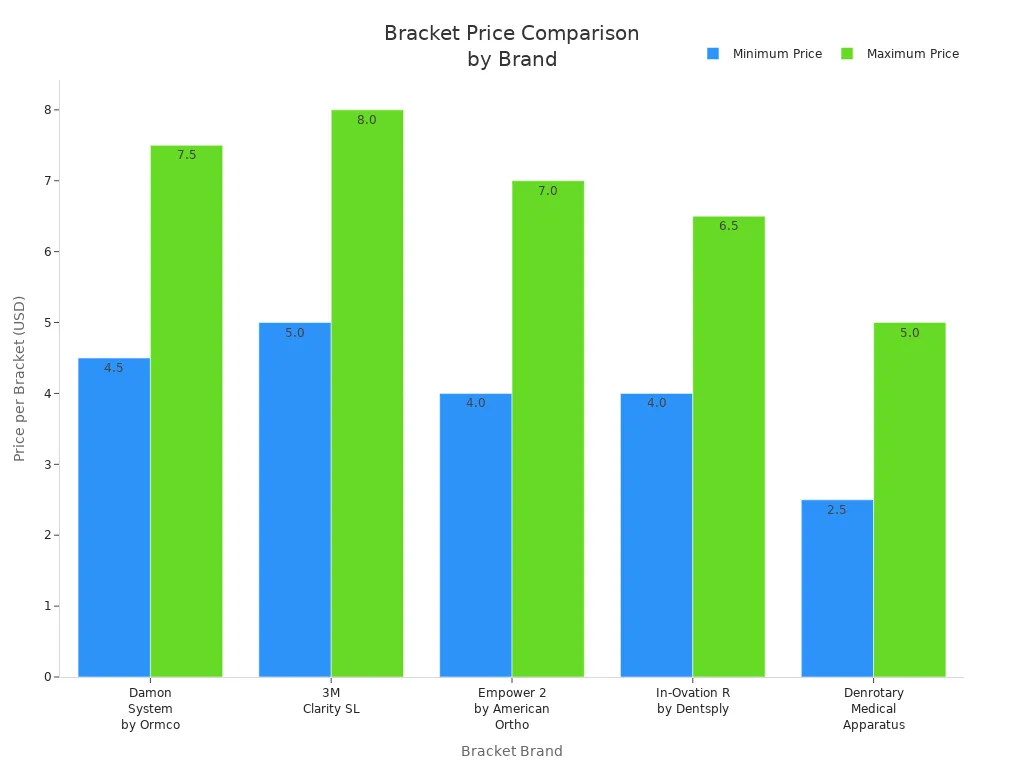
In terms of cost, Ormco brackets typically range from $4.50 to $7.50 per bracket. This pricing places them in a similar range to 3M Clarity SL but slightly higher than other brands like Empower 2 and In-Ovation R. While Ormco brackets may have a higher upfront cost, they offer benefits such as time savings and strong supplier support, making them a premium choice for many orthodontic practices.
Overall, Ormco brackets stand out for their durability, reliability, and patient satisfaction, making them a valuable option in orthodontic treatment.
Ceramic Brackets
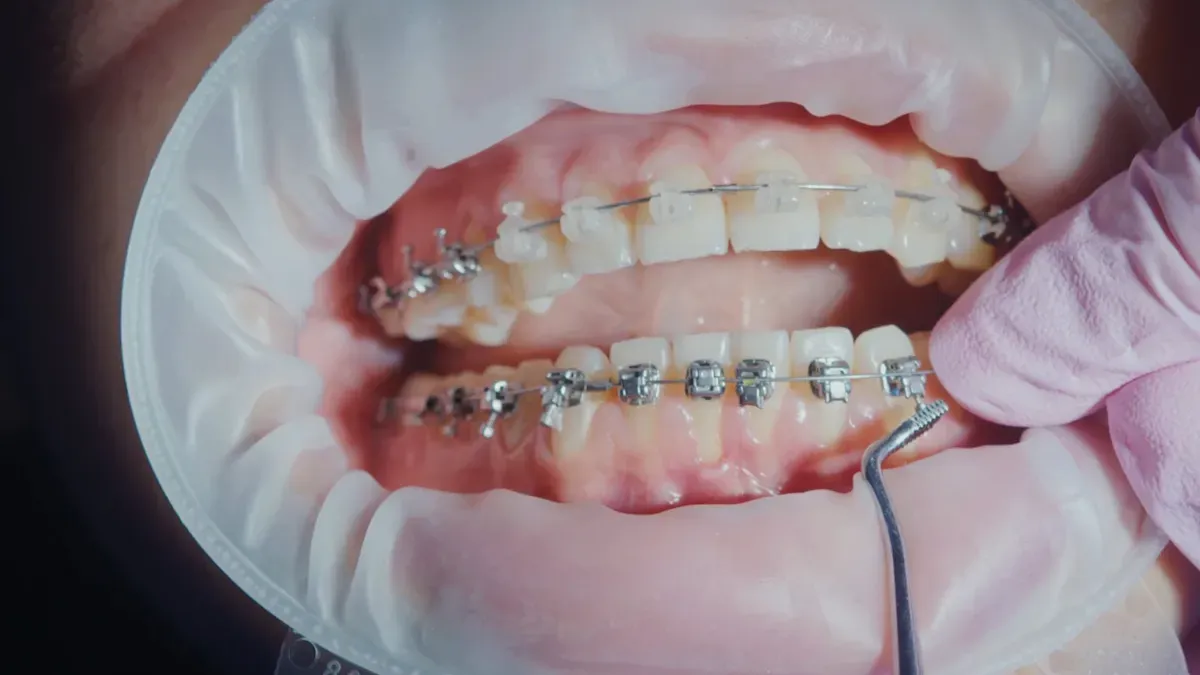
Ceramic brackets offer a popular alternative to traditional metal orthodontic brackets, especially for patients seeking a more discreet treatment option. Their tooth-colored design blends naturally with enamel, making them less noticeable during orthodontic treatment. This aesthetic advantage often boosts patient confidence and satisfaction.
| Advantage | Ceramic Brackets | Metal Brackets |
|---|---|---|
| Discreet Appearance | Less noticeable due to tooth-colored design | More visible |
| Aesthetic Appeal | Blends with natural tooth color | Less aesthetic |
| Comfort | Smooth edges reduce irritation for mild cases | Can cause irritation |
Patient surveys reveal that 78% prefer ceramic brackets over metal ones because of their subtle appearance. Additionally, 65% report fewer discomfort episodes with ceramic brackets. Many patients also experience improved self-esteem throughout their treatment, reflecting the positive impact of these brackets on daily life.
Maintaining oral hygiene with ceramic brackets requires special attention. Patients should avoid sticky and hard foods to prevent damage to brackets and wires. Foods and drinks with strong pigmentation, such as coffee, tea, red wine, berries, and tomato-based sauces, can stain the elastic ties and brackets over time. Good oral hygiene practices help minimize discoloration and keep the brackets looking clean.
Interestingly, although ceramic brackets have higher surface roughness compared to metal ones, this does not significantly increase the adhesion of harmful bacteria like Streptococcus mutans. This suggests that bracket design plays a more important role in oral hygiene maintenance than surface texture alone.
Overall, ceramic brackets provide an effective balance between aesthetics and function. They suit patients who prioritize appearance without compromising treatment quality. Orthodontists often recommend ceramic brackets for mild to moderate cases where patient comfort and confidence are key considerations.
Self-Ligating vs. Traditional Brackets
Self-ligating brackets (SLBs) and traditional brackets (CBs) represent two distinct approaches in orthodontic treatment. Each type has unique features that influence patient comfort, treatment efficiency, and overall outcomes.
Key Differences
- Mechanism of Action:
- Traditional brackets use elastic ties to hold the archwire in place. These ties require replacement at each appointment.
- Self-ligating brackets utilize a built-in clip, which secures the archwire without the need for elastic ties.
- Treatment Efficiency:
- Self-ligating brackets can reduce treatment time by approximately four months. They also require fewer appointments due to their design, which minimizes the number of adjustments needed.
- Traditional brackets often necessitate more frequent visits for adjustments, leading to longer overall treatment durations.
- Comfort and Oral Hygiene:
- Studies indicate that self-ligating brackets may enhance periodontal health. For example, Wang et al. found that SLBs reduce inflammation and improve overall dental health. In contrast, Pellegrini et al. noted increased plaque accumulation on elastomeric ligatures used in traditional brackets.
- However, some research, such as findings from Pandis et al. and Shrestha et al., suggests no significant advantage of SLBs over CBs regarding periodontal health.
Summary of Findings
| Study | Findings |
|---|---|
| Wang et al. | SLBs reduce inflammation and enhance periodontal conditions. |
| Pellegrini et al. | Increased plaque accumulation on elastomeric ligatures compared to SLBs. |
| Pandis et al. | No significant advantage of SLBs over CBs in terms of periodontal health. |
| Shrestha et al. | SLBs do not provide superior periodontal benefits compared to CB systems. |
Comparative Table of Popular Orthodontic Brackets
The following table summarizes key features of popular orthodontic brackets. This comparison helps patients and orthodontists make informed decisions based on treatment needs and preferences.
| Brand | Key Features | Cost-Effectiveness |
|---|---|---|
| 3M Unitek | Innovative ceramic and metal brackets with high patient comfort. | Known for durability and reliability. |
| Ormco Corporation | Offers a wide range of aesthetic options and ease of use. | Focuses on patient satisfaction. |
| Dentsply Sirona | Durable, biocompatible brackets with advanced bonding technology. | High-quality materials justify the cost. |
| TP Orthodontics | Specializes in cost-effective brackets suitable for various practice sizes. | Affordable options for smaller practices. |
| American Orthodontics | Provides a broad portfolio, including self-ligating and ceramic brackets. | Versatile solutions for diverse needs. |
| Henry Schein Orthodontics | Offers comprehensive solutions with strong supply chain support. | Reliable service and product availability. |
| G&H Orthodontics | Known for reliable metal brackets and innovative design features. | Competitive pricing for quality products. |
| Forestadent | Focuses on aesthetic brackets with minimal visibility. | Appeals to patients seeking discretion. |
| Morelli Orthodontics | Offers customizable brackets with a focus on precision and comfort. | Tailored solutions for individual needs. |
| Shinyeh Orthodontics | Provides affordable brackets with proven clinical performance. | Cost-effective without sacrificing quality. |
| 3Shape | Specializes in digital orthodontic solutions that integrate with bracket systems. | Innovative technology enhances treatment. |
This comparative table highlights the diversity among orthodontic brackets. Each brand offers unique advantages, catering to different patient needs and preferences. Understanding these differences can significantly impact treatment outcomes and patient satisfaction.
Choosing the right orthodontic brackets can significantly impact treatment outcomes. Key differences among brands include material types, aesthetic appeal, and treatment efficiency. For instance, self-ligating brackets reduce treatment time and require fewer visits, making them ideal for patients seeking efficiency and comfort.
When selecting brackets, patients should prioritize their specific needs. Considerations include:
- Complexity of the orthodontic case.
- Lifestyle and convenience.
- Aesthetic preferences.
- Budget and insurance coverage.
Consulting with an experienced orthodontist can help tailor the choice to individual circumstances. Ultimately, understanding the unique features of each bracket type empowers patients to make informed decisions about their orthodontic journey.
FAQ
What are self-ligating brackets?
Self-ligating brackets use a built-in clip to hold the archwire in place. This design eliminates the need for elastic ties, allowing for easier adjustments and potentially shorter treatment times.
How do ceramic brackets compare to metal brackets?
Ceramic brackets offer a more discreet appearance due to their tooth-colored design. However, they may be less durable than metal brackets and require careful maintenance to avoid staining.
Can I eat normally with braces?
Patients with braces should avoid hard, sticky, or chewy foods that can damage brackets or wires. Soft foods are recommended during the initial adjustment period.
How long does orthodontic treatment typically last?
Treatment duration varies based on individual needs and complexity. On average, patients can expect treatment to last between 12 to 24 months.
Are there any risks associated with orthodontic treatment?
While orthodontic treatment is generally safe, potential risks include discomfort, tooth decay, and gum issues. Regular dental check-ups can help mitigate these risks.
Post time: Mar-26-2026