
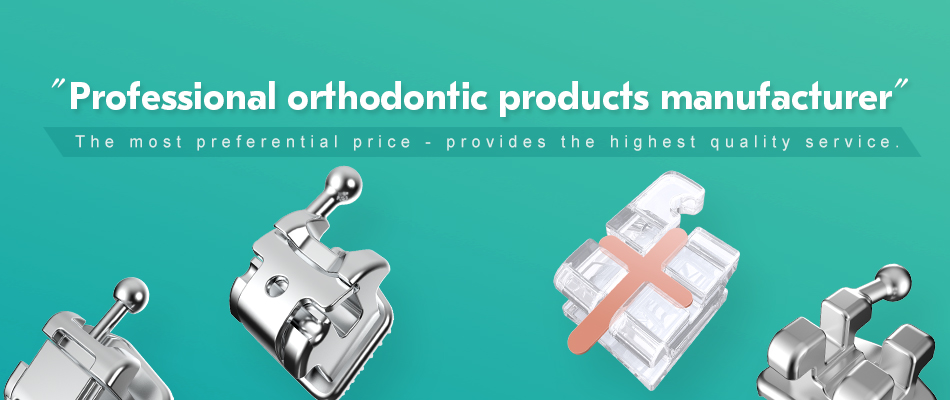

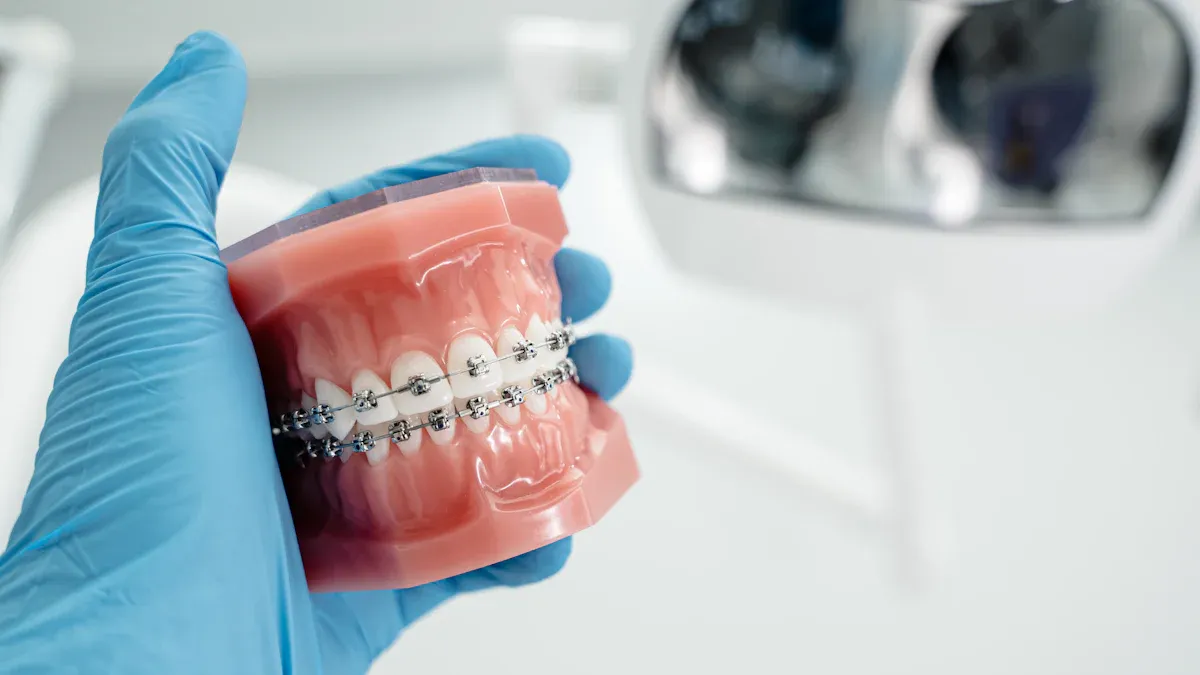
Choosing the right orthodontic treatment involves understanding various options. This guide explores the distinct features of different Dental Brackets. Patients can make informed decisions about their care. Brackets Manufacturers offer many choices, including Metal Brackets and Sapphire Brackets. Active Self Ligating Brackets also present a modern solution. Each type of Orthodontic Brackets serves specific needs.
Key Takeaways
- Metal braces are strong and cost less, good for many teeth problems.
- Ceramic braces look better because they match your teeth, but they cost more.
- Self-ligating braces are easier to clean and may make appointments quicker, but they are still visible.
Metal Orthodontic Brackets
Characteristics of Metal Brackets
Metal Orthodontic Brackets represent the traditional choice for teeth straightening. They primarily consist of medical-grade stainless steel, specifically the 316L grade. This alloy includes chromium and nickel. Chromium forms a protective oxide layer, which prevents rust and bacterial adhesion. Some modern braces also integrate nickel-titanium (NiTi) wires. These wires have shape memory properties. They return to their original form after deformation. This applies consistent, gentle pressure on teeth. Other metallic options include non-nickel or low-nickel stainless steel and titanium. Titanium offers superior biocompatibility and higher corrosion resistance.
Advantages of Metal Brackets
Metal brackets are known for their exceptional durability and strength. They resist breakage and withstand the forces of chewing. This makes them a reliable option for various orthodontic cases. They are also generally the most affordable treatment option. The cost for traditional metal braces typically ranges from $3,000 to $7,000. This makes them accessible to a wider range of patients. The average treatment duration for metal braces is generally between 1.5 to 3 years. This timeline depends on the case’s complexity.
Disadvantages of Metal Brackets
Despite their effectiveness, metal brackets have some drawbacks. Their metallic appearance makes them highly visible. This can be a concern for patients seeking a more discreet treatment. Patients commonly experience pain and discomfort, especially during the initial phase of treatment. This discomfort can also occur throughout the process and during bracket removal. Specific complaints include soreness of teeth and irritation of soft tissues. These issues relate to the bracket architecture. Patients may also experience mouth sores, bad breath, or tooth decay if they do not maintain proper oral hygiene.
Ceramic Orthodontic Brackets
Characteristics of Ceramic Brackets
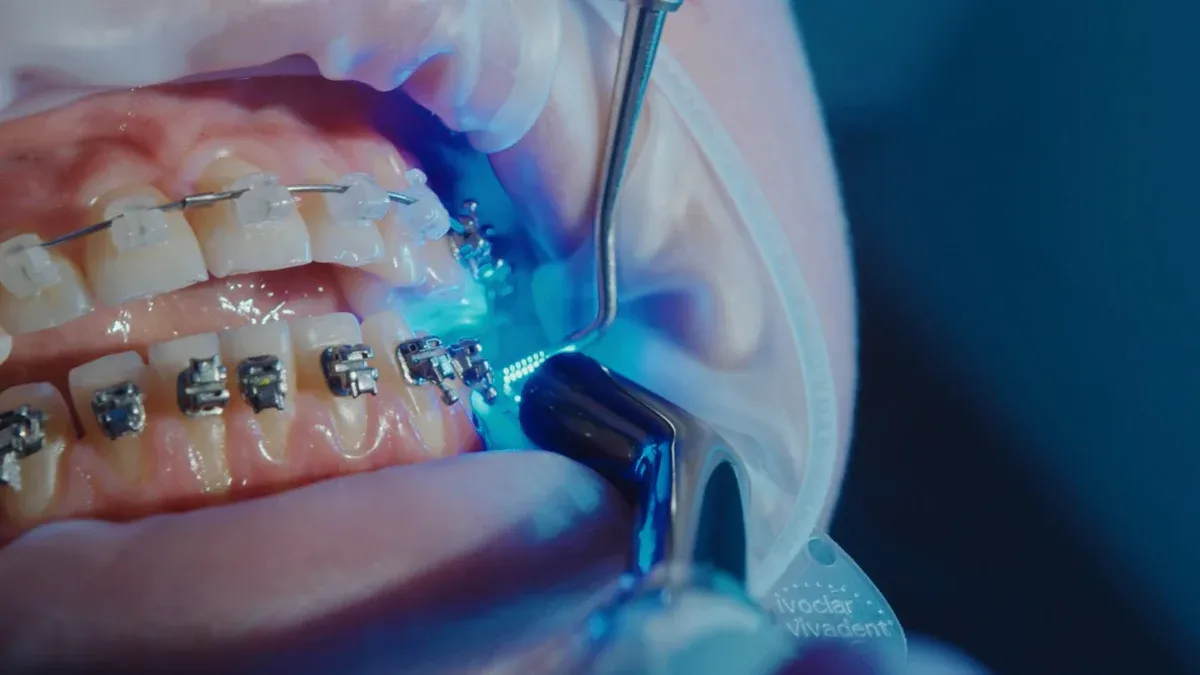
Ceramic Orthodontic Brackets offer a less noticeable alternative to metal braces. These brackets primarily consist of aluminum oxide. Manufacturers create two main types. One type is polycrystalline, formed from sintered or fused aluminum oxide particles. The other type contains a single crystal of aluminum oxide. Single crystals of man-made sapphire are created by melting aluminum oxide at temperatures exceeding 2,100°C. This material composition gives ceramic brackets their clear or tooth-colored appearance.
Advantages of Ceramic Brackets
Patients often choose ceramic brackets for their aesthetic appeal. They blend in with natural tooth color, making them much less visible than metal braces. This discreet appearance is a significant benefit for many adults and adolescents. Furthermore, studies show ceramic brackets can have lower failure rates compared to metal brackets. For example, one study observed a 1.1% failure rate for ceramic brackets after 12 months, significantly lower than the 7.2% for metallic brackets. This suggests ceramic brackets offer reliable bonding.
Disadvantages of Ceramic Brackets
Ceramic brackets generally cost more than traditional metal braces. The average cost for ceramic braces is around $6,000, while metal braces average $5,125. This represents an average cost difference of $875. Ceramic brackets also present some challenges during removal. They require significantly higher debonding force compared to metal brackets. Enamel fracture was observed in 13.3% of debonded ceramic brackets when debonding strength exceeded 40 MPa. This suggests a risk of enamel surface loss, especially on teeth with existing microcracks.
Self-Ligating Orthodontic Brackets
How Self-Ligating Brackets Work
Self-ligating Orthodontic Brackets represent a modern approach to teeth alignment. These brackets feature a built-in, specialized clip or door. This mechanism holds the archwire directly in place. Unlike traditional braces, self-ligating systems do not require elastic ties or metal ligatures. The absence of these external components reduces friction between the wire and the bracket. This design allows the archwire to move more freely. The system applies gentle, continuous pressure to guide teeth into their correct positions.
Advantages of Self-Ligating Brackets
Patients often find self-ligating brackets offer several benefits. The design can lead to improved oral hygiene. Without elastic ties, there are fewer places for food particles and plaque to accumulate. This makes cleaning easier. Some studies suggest these brackets may reduce chair time during appointments. For example, one randomized controlled trial reported a reduction of 130.2 seconds (2.2 minutes) per arch for six anterior, esthetic self-ligating brackets. Another study showed a total self-ligating chair time savings of 76.8 seconds per arch, or 2.5 minutes for two arches, when working with more posterior brackets. This could lead to a potential daily savings of 102.4 minutes in a medium-sized practice. However, research indicates that these minor efficiencies during archwire changes do not always translate into significantly shorter overall appointment lengths or reduced total treatment duration. Case complexity, orthodontist skill, and patient compliance remain primary factors influencing treatment timelines.
Disadvantages of Self-Ligating Brackets
Despite their advantages, self-ligating brackets also have some drawbacks. They typically cost more than traditional metal braces. The advanced design and manufacturing process contribute to this higher price point. Some patients may experience initial discomfort due to the bracket’s design. The clips or doors can sometimes irritate soft tissues in the mouth. While they offer a cleaner aesthetic than traditional metal braces with colored ties, they are still visible on the teeth. They do not provide the same level of discretion as ceramic options.
Comparing Orthodontic Brackets: Key Factors
Choosing the right orthodontic treatment involves evaluating several critical factors. Patients consider aesthetics, durability, comfort, treatment efficiency, cost, and maintenance. Each bracket type offers distinct advantages and disadvantages across these areas.
Aesthetics and Visibility
The visual impact of braces significantly influences many patients’ decisions. Metal brackets are quite visible. Their metallic appearance stands out against the teeth. Ceramic braces offer a more discreet option. They blend in well from a conversational distance. However, they can still be visible up close. Clarity Advanced ceramic brackets are particularly favored by patients who prioritize aesthetics. This appliance is transparent, and its attachments are less noticeable. Self-ligating brackets, while often smaller than traditional metal brackets, are still visible. They do not offer the same level of transparency as ceramic options.
| Feature | Metal Stainless-Steel Bracket | Polycrystalline Bracket | Monocrystalline Bracket |
|---|---|---|---|
| Aesthetics | Silver color | Translucent | Transparent |
Durability and Strength
Bracket material directly impacts its strength and resistance to breakage. Metal brackets are renowned for their exceptional durability. They withstand significant chewing forces. Ceramic brackets also demonstrate impressive strength.
- Ceramic brackets exhibit higher bond strength than stainless steel brackets.
- Statistical evaluation of experimental results further confirms that ceramic brackets show superior bond strength.
A study evaluating ceramic and stainless steel bracket bases found ceramic brackets possess higher bond strengths compared to stainless steel brackets. This includes tensile bond strength. However, cyclic loading can decrease the mean tensile bond strength for most groups. Self-ligating brackets, often made from metal or a combination of metal and ceramic, generally offer good durability. Their specialized clips or doors are robust.
Comfort and Irritation
Patient comfort is a crucial aspect of orthodontic treatment. All types of brackets can cause some initial discomfort as teeth begin to move. Metal brackets sometimes lead to soft tissue irritation due to their edges. Ceramic brackets can also cause irritation, though often less frequently than metal. Self-ligating brackets, with their smooth design and lack of elastic ties, often reduce friction. This can lead to a more comfortable experience for some patients.
| Bracket Type | Soft-tissue issues (Count) |
|---|---|
| Metal Brackets | 8 |
| Ceramic Brackets | < 8 |
| Self-ligating Brackets | N/A |
Treatment Efficiency and Speed
The type of bracket can influence the overall treatment duration. Many factors affect treatment time, including case complexity and patient compliance. Some studies suggest self-ligating brackets may offer minor efficiencies during archwire changes. This does not always translate into significantly shorter overall treatment durations.
| Bracket System | Mean Treatment Time (months) |
|---|---|
| Self-Ligating | 19.19 |
| Conventional | 21.25 |
One study found a 2.06-month reduction in treatment time with self-ligating brackets compared to conventional brackets. However, this difference was not statistically significant. Research indicates the type of bracket used does not significantly influence the total treatment time.
Cost and Affordability
Cost is a major consideration for many individuals seeking orthodontic treatment. Traditional metal braces are typically the most affordable option. Ceramic braces generally cost more due to their material and manufacturing process. Self-ligating braces typically cost between $2,000 to $7,000. This falls within the same price range as traditional metal braces. This indicates no typical cost premium for self-ligating brackets over traditional metal brackets.
Maintenance and Oral Hygiene
Maintaining good oral hygiene is essential with any type of braces. Food particles can easily get trapped around brackets and wires. Metal brackets are relatively easy to clean. Their smooth surfaces allow for effective brushing. Ceramic brackets require more diligent care to prevent staining. The clear or tooth-colored material can absorb pigments from food and drinks.
- Use a straw for staining drinks to bypass front teeth.
- Rinse with water immediately after meals to flush residues.
- Opt for light gray or tooth-toned elastics.
- Brush after every meal with a soft electric toothbrush and fluoride paste for two minutes, angling at 45 degrees to brackets.
- Floss daily with threaders to clear under-wires.
- Skip whitening agents during treatment.
- Chew sugar-free gum to boost saliva flow.
- Incorporate baking soda toothpaste weekly for gentle abrasion.
- Track progress with weekly photos.
- Stay hydrated to prevent dry mouth.
Self-ligating brackets, without elastic ties, offer fewer places for food and plaque to accumulate. This can make cleaning easier. Patients should regularly brush and floss after every meal or drink other than water. They should also use a straw to drink pigmented beverages like coffee and wine to minimize contact with teeth.
Choosing Your Orthodontic Brackets
Factors for Personal Needs
Selecting the right orthodontic brackets involves a careful consideration of individual circumstances and priorities. Patients often weigh various factors to find the best fit for their lifestyle and dental needs. For individuals with severe malocclusion, such as significant overbites, underbites, or crossbites, traditional braces often present the most effective solution. These braces apply steady, continuous pressure, gradually shifting teeth into proper alignment. They are particularly advantageous for complex cases that other treatments, like clear aligners, may not adequately address. Traditional braces are also generally more affordable, making them an accessible option for many patients requiring extensive correction. Metal braces, specifically, can treat a wide range of malocclusions, from mild to severe. In contrast, clear aligner systems like Invisalign cannot move teeth with the same strength as metal braces. They are generally not suitable for serious crowding or complex bite issues.
Beyond the severity of malocclusion, patients consider aesthetics. Some prefer the discreet appearance of ceramic brackets, which blend with natural tooth color. Others prioritize comfort, seeking options that minimize irritation to soft tissues. Lifestyle also plays a role. Active individuals might prefer durable options that withstand physical activity. Budget constraints also guide decisions, as bracket types vary significantly in cost. Understanding these personal needs helps patients narrow down their choices.
The Role of Your Orthodontist
An orthodontist plays a pivotal role in guiding patients through the bracket selection process. Their expertise ensures patients receive the most appropriate and effective treatment plan. Orthodontists consider several key factors when recommending a specific bracket type. First, they evaluate the patient’s treatment goals, identifying the specific orthodontic issues that require correction. Some brackets are better suited for complex cases, while others excel in simpler alignments.
Aesthetics are also a consideration, not just for the patient, but for the orthodontist who understands the patient’s comfort with the appearance of their braces. The patient’s lifestyle, including daily activities like playing contact sports or musical instruments, can influence the most practical bracket type. Budget variations between different bracket types are also a factor in their recommendations.
Orthodontists prioritize the clinical performance and effectiveness of the appliances. They focus on achieving optimal results and precise finishing details, which significantly influence their choice of bracket type. The amount of chair time required for a particular appliance also influences their decision, as efficient appointments benefit both the practice and the patient. While patients may prioritize comfort and aesthetics, cost remains a consideration for orthodontists. Finally, the total treatment time is a crucial factor. Orthodontists who prioritize shorter treatment durations may prefer certain appliance types that demonstrate efficiency in clinical trials. The orthodontist’s comprehensive assessment ensures a personalized treatment plan that aligns with both clinical needs and patient preferences.
Choosing orthodontic brackets depends on individual priorities. Metal braces suit those prioritizing durability and cost-effectiveness. Ceramic options offer aesthetic discretion. Self-ligating systems provide potential hygiene benefits. A professional orthodontic consultation is crucial. An orthodontist guides patients to the most effective treatment plan.
FAQ
Can I choose any type of bracket for my orthodontic treatment?
An orthodontist recommends the best bracket type. They consider your specific dental needs, treatment goals, and lifestyle. Your choice depends on their professional assessment.
Do ceramic brackets stain easily?
Ceramic brackets themselves resist staining. However, elastic ties used with them can stain. Maintain good oral hygiene and avoid highly pigmented foods and drinks.
Are self-ligating brackets faster than traditional braces?
Self-ligating brackets offer minor efficiencies during appointments. However, research does not consistently show they significantly shorten overall treatment duration. Case complexity remains key.
Post time: Jan-19-2026