
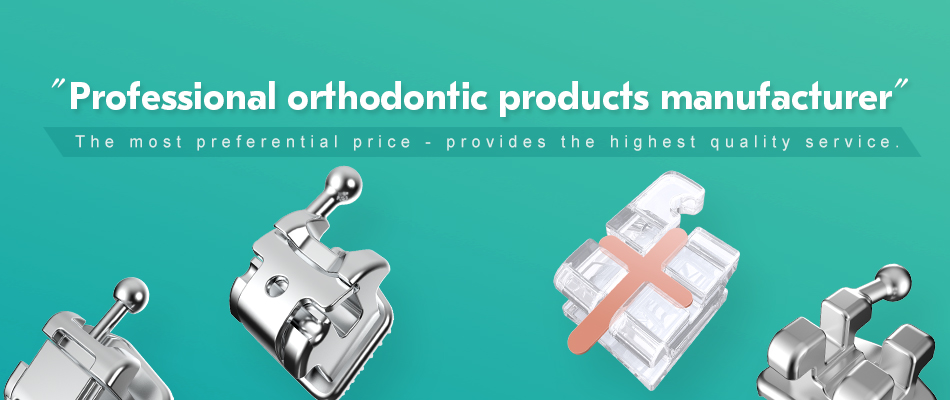

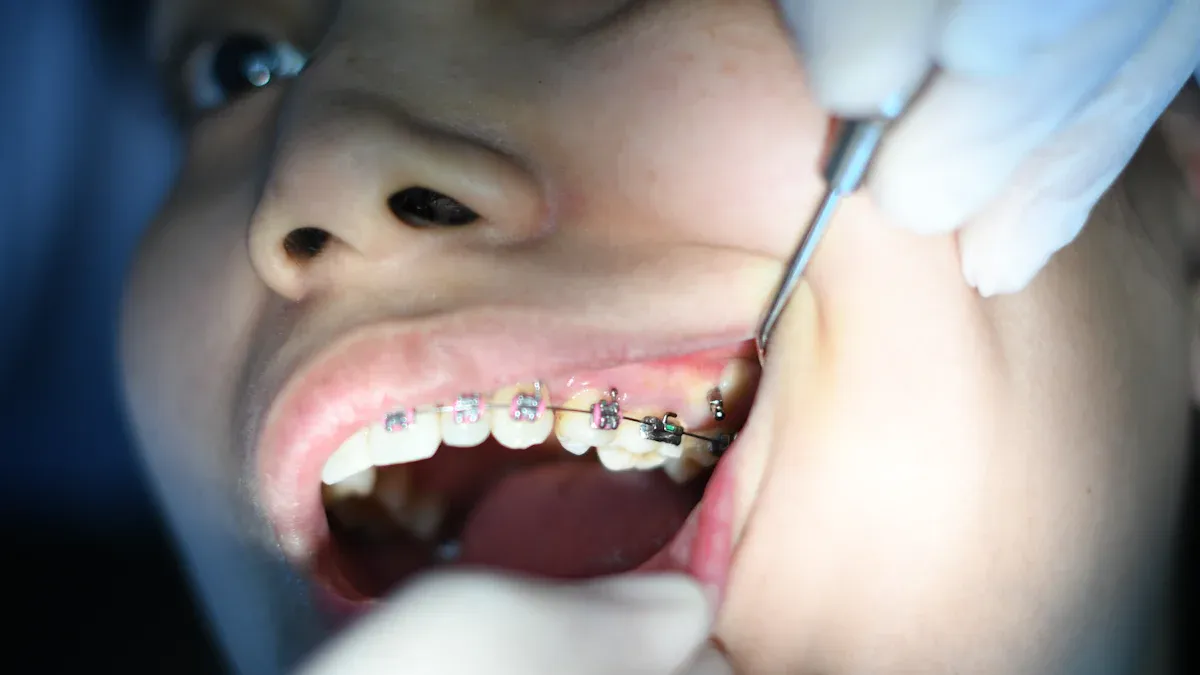
Orthodontic brackets, including metal orthodontic brackets and stainless steel orthodontic brackets, serve as small yet vital devices attached to teeth as part of braces. They play a crucial role in aligning and straightening teeth, making them an essential component of orthodontic treatment. Over the past decade, the use of orthodontic brackets has surged, with approximately 4.5 million people in the U.S. currently receiving orthodontic care. This increase reflects a growing awareness of dental health benefits and a shift in societal attitudes, especially among adults seeking treatment. Additionally, orthodontic elastic rubber bands and various orthodontic accessories enhance the effectiveness of these brackets. Understanding the function of these orthodontic brackets can greatly assist individuals in making informed decisions regarding their orthodontic care.
Key Takeaways
- Orthodontic brackets are essential for aligning teeth and improving dental health. They serve as anchors for archwires, applying pressure to shift teeth into proper positions.
- Different types of brackets, such as metal, ceramic, and self-ligating, offer unique benefits. Patients should consider their preferences for aesthetics and comfort when choosing.
- Understanding how brackets work can empower patients. Knowledge of the mechanics behind tooth movement helps individuals appreciate their orthodontic treatment.
- Orthodontic brackets improve bite alignment, enhance oral hygiene, and can even relieve TMJ disorders. These benefits contribute to better overall health and comfort.
- Consulting with an orthodontist is crucial. Discussing bracket options ensures patients select the best type for their lifestyle and treatment goals.
What Are Orthodontic Brackets?
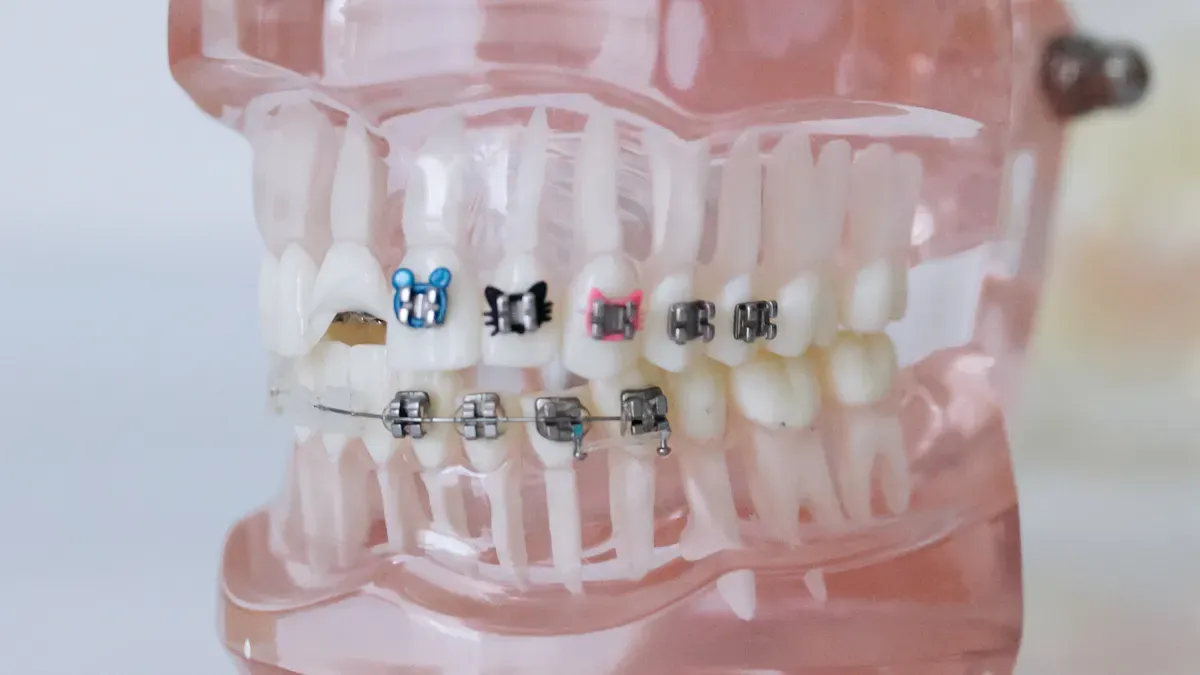
Orthodontic brackets are small devices that attach to the surface of teeth during orthodontic treatment. They serve as anchors for the archwire, which applies pressure to move teeth into their desired positions. Brackets come in various materials and designs, each offering unique benefits and drawbacks.
Components and Materials
The primary components of orthodontic brackets include:
- Metal Brackets: Often made from stainless steel, these brackets are durable and widely used.
- Ceramic Brackets: These brackets offer a more aesthetic option, blending with the natural color of teeth.
- Self-Ligating Brackets: These brackets use a specialized mechanism to hold the archwire in place, reducing the need for elastic ties.
The materials used in orthodontic brackets significantly influence their performance and patient comfort. For instance, metal brackets typically feature a mesh base or a monoblock design, while ceramic brackets provide a translucent appearance for a more discreet look.
Historical Development
The concept of orthodontic brackets dates back to the late 19th century. The first prototype of a bracket attachment emerged in 1887, developed by Dr. Edward Hartley Angle, a pioneer in orthodontics. His innovations laid the groundwork for modern orthodontic practices.
| Year | Development | Contributor |
|---|---|---|
| 1887 | Prototype of the first bracket attachment | Dr. Edward Hartley Angle |
Common Shapes and Sizes
Orthodontic brackets come in various shapes and sizes to accommodate different dental needs. Here are some common types:
| Type of Bracket | Advantages | Disadvantages |
|---|---|---|
| Stainless steel brackets | Affordable, durable, most widely used. | Not aesthetic, demands soldering, high modulus of elasticity. |
| Ceramic brackets | Translucent appearance, more strength, increased durability. | Lack of ductility, expensive, fragile. |
| Plastic brackets | Comfortable, cosmetically appealing. | Not that strong, irreversible warping. |
| Self-ligating brackets | Require fewer forces to move teeth, enhanced control of infection. | Sophisticated mechanical design, more expense. |
| Lingual brackets | Aesthetically appealing, protect teeth from over-calcification. | Speech disruption, more bond breakdowns. |
| Gold brackets | Eye-catching feature, anti-inflammatory. | Very expensive, not provided by all orthodontists. |
| Titanium brackets | Good physical strength, superior biocompatibility. | Plaque build-up and discoloration. |
Safety and Biocompatibility
The safety and biocompatibility of orthodontic brackets are crucial considerations. The metal alloys used can influence their corrosion behavior and the release of metal ions. Studies indicate that the moist environment of the oral cavity can lead to galvanic corrosion when different alloys are in contact. This corrosion can result in the preferential release of metal ions, potentially leading to adverse biological effects such as allergies and cytotoxicity. Therefore, evaluating the biocompatibility of orthodontic appliances is essential for ensuring patient safety.
How Do Orthodontic Brackets Work?
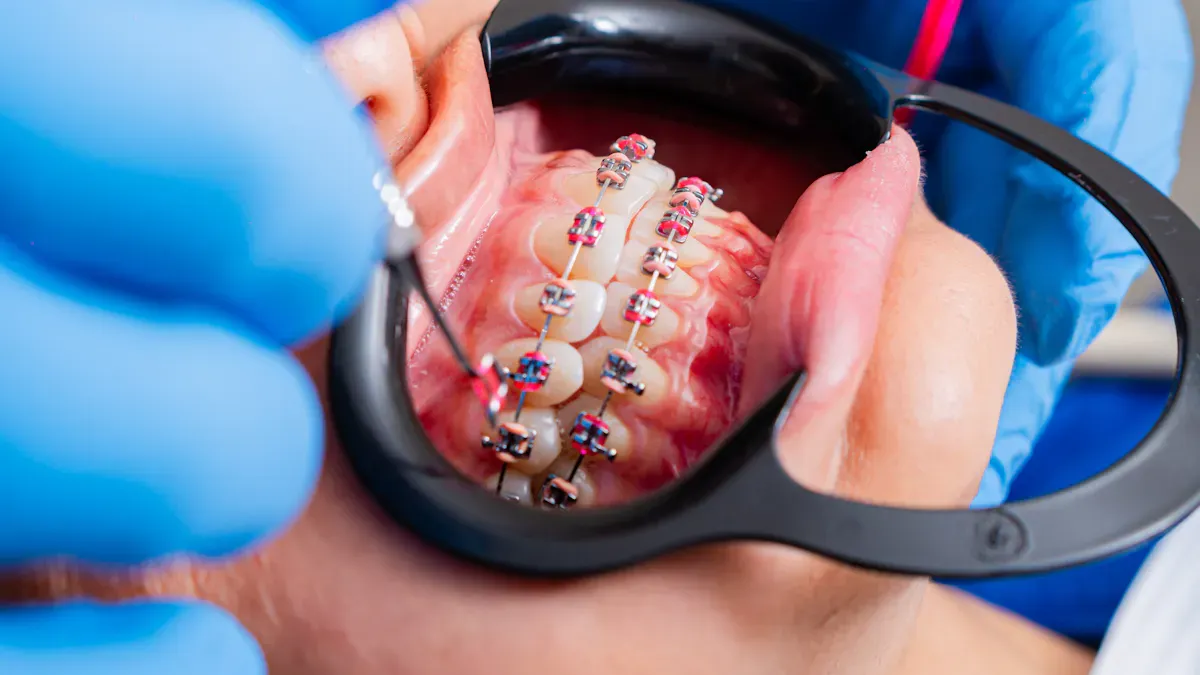
Orthodontic brackets play a pivotal role in the process of aligning teeth. They serve as anchors that connect to archwires, which apply the necessary force to move teeth into their desired positions. The interaction between brackets and archwires is essential for effective tooth movement.
- Bonding: Brackets are precisely bonded to each tooth to ensure correct force application. This secure attachment allows them to effectively transmit forces from the archwire to the tooth.
- Force Transmission: When the archwire is placed into the bracket slot, it generates pressure that gradually shifts the teeth. The shape of the archwire is designed to represent ideal alignment, guiding the teeth along a predetermined path.
- Biological Response: The pressure from braces compresses blood vessels in the periodontal ligament (PDL). This compression signals osteoclasts to resorb bone on the compression side, while on the tension side, stretched PDL fibers signal osteoblasts to build new bone. This dynamic process facilitates tooth movement.
The mechanics of tooth movement involve continuous mechanical force. As the brackets apply pressure, they create zones of compression and tension within the PDL. This process triggers a biological response that remodels the surrounding bone and tissue, allowing teeth to shift gradually.
| Treatment Type | Duration Range |
|---|---|
| Mild to Moderate Malocclusion | 18 to 24 months |
| Simple Cases (minor crowding) | 6 to 12 months |
| Severe Orthodontic Problems | Over 2 years |
| Complex Scenarios (adult patients) | Up to 30 months |
Despite their effectiveness, orthodontic brackets can present challenges. Patients may experience discomfort during the initial adjustment period as their teeth begin to move. Additionally, bracket detachment can occur, leading to increased treatment duration and potential damage to tooth enamel.
Furthermore, metallic ions from brackets can cause adverse biological effects, including allergies and cytotoxicity. Understanding these factors can help patients prepare for their orthodontic journey.
Types of Orthodontic Brackets
Metal Brackets
Metal brackets are the most traditional and widely used type of orthodontic brackets. They consist of stainless steel, which provides durability and strength. These brackets effectively treat various orthodontic conditions, making them a reliable choice for many patients.
- Advantages:
- Highly effective for complex cases.
- Affordable compared to other options.
- Strong and resistant to breakage.
Clear Brackets
Clear brackets, often made from ceramic materials, offer a more aesthetic alternative to metal brackets. They blend with the natural color of teeth, making them less noticeable.
| Feature | Clear Orthodontic Brackets (Ceramic) | Metal Brackets (Stainless Steel) |
|---|---|---|
| Material | Alumina (monocrystalline or polycrystalline) | Stainless Steel |
| Appearance | Translucent, less visible | Metallic, more noticeable |
| Strength | High tensile strength | High stiffness and yield strength |
| Durability | More fragile, can stain easily | Highly durable and affordable |
| Aesthetic Quality | Preferred for cosmetic reasons | Aesthetically non-pleasing |
Patients often choose clear brackets for their cosmetic appeal, especially adults seeking orthodontic treatment. However, they may require more care to maintain their appearance.
Self-Ligating Brackets
Self-ligating brackets represent a modern advancement in orthodontic technology. These brackets feature a built-in mechanism that secures the archwire without the need for elastic ties.
| Benefit | Description |
|---|---|
| Mechanism | Built-in sliding door or clip mechanism secures the archwire without external ligatures. |
| Reduced Friction | Eliminates ligatures, allowing smoother and more efficient tooth movement. |
| Improved Oral Hygiene | Fewer places for plaque accumulation, facilitating better oral hygiene during treatment. |
| Comfort | Enhanced comfort due to the absence of ligatures, reducing irritation and discomfort. |
| Shorter Treatment Time | Potentially shorter treatment duration due to efficient mechanics and better control of movement. |
Self-ligating brackets have gained popularity, with 93.5% of patients opting for metal self-ligating options and 96.0% choosing clear aligners. Their efficiency and comfort make them an appealing choice for many.
The Role of Orthodontic Brackets in Treatment
Orthodontic brackets play a vital role in the success of orthodontic treatment plans. They serve as the foundation for effective tooth movement and alignment. Here are several key contributions of orthodontic brackets:
- Precise Control: Orthodontic brackets enable precise control over tooth movement. This control is essential for achieving proper alignment and occlusion.
- Reduced Friction: Self-ligating brackets reduce friction between the archwire and the bracket. This reduction can shorten treatment times and increase patient comfort.
- Aesthetic Options: Aesthetic brackets, such as ceramic and zirconia, cater to patient preferences. These options enhance compliance and overall satisfaction with treatment.
- Innovative Technology: Recent advancements in orthodontic brackets include smart technology. This technology allows for real-time data collection, enabling precise adjustments and predictable outcomes.
The effectiveness of orthodontic brackets extends beyond mere aesthetics. They facilitate a comprehensive approach to orthodontic care, addressing both functional and cosmetic concerns. By ensuring that teeth move into their ideal positions, brackets contribute significantly to the overall success of orthodontic treatment.
Patients often find that understanding the role of orthodontic brackets helps them appreciate the complexity of their treatment. This knowledge fosters a sense of involvement in their orthodontic journey, leading to better cooperation and outcomes.
Benefits of Using Orthodontic Brackets
Orthodontic brackets offer numerous advantages that significantly enhance the effectiveness of orthodontic treatment. Their evolution has led to various styles and materials, catering to diverse patient preferences and financial situations. This advancement not only improves functional outcomes but also enhances aesthetic appeal, making braces more acceptable to patients.
Here are some key benefits of using orthodontic brackets:
- Improved Bite Alignment: Proper alignment reduces jaw pain and chewing difficulties, leading to a more comfortable daily experience.
- Enhanced Oral Hygiene: Brackets create spaces between crowded teeth, making it easier to maintain oral hygiene and lowering the risk of plaque buildup.
- Speech Improvement: Better alignment of teeth can lead to potential improvements in speech patterns, helping individuals communicate more effectively.
- TMJ Disorder Relief: By realigning the jaw position, orthodontic brackets can alleviate symptoms associated with temporomandibular joint (TMJ) disorders.
| Orthodontic Device | Oral Hygiene Maintenance | Plaque Accumulation | Periodontal Health |
|---|---|---|---|
| Fixed Appliances | Challenging | Greater | Poorer |
| Clear Aligners | Easier | Lesser | Better |
Patients often express satisfaction with their orthodontic brackets. A survey indicated that 39.2% preferred lingual brackets, while 34.2% favored clear aligners. In contrast, only 16% preferred metal brackets. This data highlights the importance of aesthetic options in patient satisfaction.
Tip: Patients should practice speaking aloud to adjust to their new appliances. Speaking slowly and clearly can help manage any minor speech issues during the initial adjustment period.
Overall, orthodontic brackets play a crucial role in achieving optimal dental health and aesthetics. Their benefits extend beyond mere appearance, contributing to improved oral function and long-term health outcomes.
Orthodontic brackets are vital for effective teeth alignment. They come in various types, including metal, ceramic, and self-ligating options, catering to different preferences and needs. Understanding the advantages and disadvantages of each type helps patients evaluate their choices based on comfort and aesthetics. Recent innovations in orthodontic brackets enhance both patient comfort and practitioner convenience. Knowledge of these advancements allows individuals to make informed decisions about their orthodontic care, ensuring they select a system that aligns with their specific requirements.
Tip: Patients should consult with their orthodontist to discuss which bracket type best suits their lifestyle and treatment goals.
FAQ
What is the average duration of orthodontic treatment with brackets?
The average duration of orthodontic treatment with brackets ranges from 18 to 24 months. However, treatment time can vary based on individual needs and the complexity of the case.
Are orthodontic brackets painful?
Patients may experience discomfort during the initial adjustment period. This discomfort typically subsides as teeth begin to shift into their new positions. Over-the-counter pain relievers can help manage any pain.
How do I care for my orthodontic brackets?
Maintaining good oral hygiene is essential. Brush teeth after every meal, floss daily, and use an antibacterial mouthwash. Regular dental check-ups ensure brackets remain in good condition.
Can I eat normally with braces?
While patients can eat most foods, they should avoid hard, sticky, or chewy items that may damage brackets. Soft foods are recommended during the initial adjustment phase.
Do orthodontic brackets affect speech?
Some patients may experience temporary speech changes when first wearing braces. Most individuals adjust quickly, and speech typically returns to normal within a few days.
Post time: Mar-16-2026