
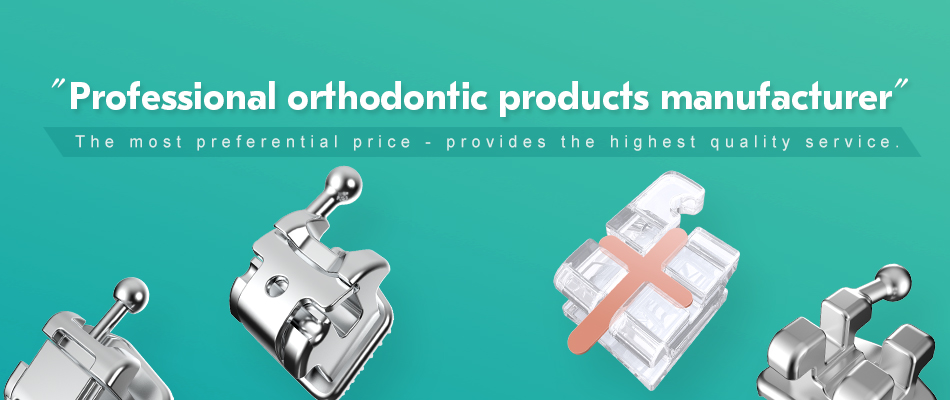

Self-ligating brackets transform orthodontic treatment by eliminating traditional ties. Passive brackets feature a sliding door that holds the archwire. Active brackets use a spring clip that presses directly against the archwire. Orthodontic Self Ligating Brackets-passive generally offer superior friction reduction. This often leads to quicker tooth movement and potentially shorter treatment times.
Key Takeaways
Title: Passive Self-Ligating Brackets: How They Reduce Friction & Treatment Time (Compared to Active SLBs),
Description: Orthodontic self-ligating brackets (passive) reduce friction, allowing faster initial tooth movement and potentially shorter treatment times than active SLBs.,
Keywords: Orthodontic Self Ligating Brackets-passive
- Passive self-ligating brackets reduce friction. This helps teeth move faster at the start of treatment.
- Active self-ligating brackets give more control. They are good for precise tooth movements later in treatment.
- The best bracket choice depends on your treatment needs. Your orthodontist will pick the right one for you.
Orthodontic Self Ligating Brackets-passive: Mechanism and Core Differences
Self-ligating brackets represent a significant advancement in orthodontics. They eliminate the need for elastic ties or metal ligatures. This section explores the fundamental design and functional differences between passive and active self-ligating systems. These differences directly influence how each system moves teeth and affects treatment.
Passive SLB Design and Function
Passive self-ligating brackets feature a simple, smooth design. They include a small, built-in sliding door or clip. This door closes over the archwire. It holds the wire gently within the bracket slot. The design creates a passive engagement. The archwire can move freely within the slot. This freedom reduces friction between the bracket and the wire. Orthodontic Self Ligating Brackets-passive allow teeth to slide along the archwire with minimal resistance. This mechanism is especially beneficial during the initial stages of treatment. It promotes efficient tooth alignment.
Active SLB Design and Function
Active self-ligating brackets also use a built-in clip. However, this clip has a spring mechanism. The spring actively presses against the archwire. This pressure forces the archwire into the bracket slot. The active engagement creates more friction than passive systems. This controlled friction can be useful for specific tooth movements. Active SLBs provide precise control over tooth positioning. Orthodontists often use them in later treatment phases. They help achieve detailed finishing and torque control. The spring clip ensures a tight fit, which can guide teeth more directly.
Impact on Friction and Force Application
Friction plays a crucial role in orthodontic treatment. It affects how teeth move along the archwire. Different bracket designs create varying levels of friction. This section explores how passive and active self-ligating brackets manage friction and apply force.
Passive SLBs and Minimal Friction
Passive self-ligating brackets minimize friction. Their design features a smooth channel for the archwire. The sliding door simply covers the wire. It does not press against it. This allows the archwire to move freely within the bracket slot. Low friction means teeth can slide more easily. This reduces the resistance to tooth movement. Orthodontic Self Ligating Brackets-passive are especially effective during the early stages of treatment. They help align crowded teeth quickly and efficiently. The gentle forces promote biological tooth movement. Patients often experience less discomfort with these systems.
Active SLBs and Controlled Engagement
Active self-ligating brackets create controlled friction. Their spring-loaded clip actively presses against the archwire. This pressure forces the wire into the bracket slot. The tight engagement provides precise control over tooth movement. Orthodontists use this controlled friction for specific tasks. It helps achieve detailed tooth positioning. Active SLBs can apply greater torque to teeth. Torque refers to the rotation of the tooth root. This is important for fine-tuning the bite. The active clip ensures the wire stays firmly in place. This allows for predictable force delivery.
Force Delivery and Tooth Movement
Both bracket types deliver forces to move teeth. Passive SLBs deliver light, continuous forces. The low friction allows these forces to act efficiently. Teeth move with less resistance. This often leads to faster initial alignment. Active SLBs deliver stronger, more direct forces. The active clip engages the archwire tightly. This provides more control over individual tooth movements. Orthodontists choose active systems for complex movements. They use them for precise root positioning and finishing. The choice depends on the specific treatment goals. Each system offers unique advantages for different phases of orthodontic care.
Influence on Treatment Time and Efficiency
Orthodontic treatment aims to move teeth into correct positions. The speed and efficiency of this process significantly impact the patient’s experience. Different bracket systems influence how quickly teeth move and how long treatment lasts. This section explores how passive and active self-ligating brackets affect treatment timelines.
Alignment Speed with Passive SLBs
Passive self-ligating brackets often accelerate initial tooth alignment. Their design minimizes friction between the archwire and the bracket slot. This low friction allows the archwire to slide freely. Teeth move with less resistance. Orthodontists observe faster resolution of crowding and leveling of the arch. Patients often see noticeable changes quickly during the early stages of treatment. This efficiency in initial alignment can contribute to a shorter overall treatment duration. The gentle, continuous forces promote biological tooth movement without excessive stress.
- Key Benefits for Speed:
- Reduced friction allows easier tooth movement.
- Efficient resolution of crowding.
- Faster initial leveling and alignment.
Overall Treatment Duration with Active SLBs
Active self-ligating brackets play a crucial role in the later stages of treatment. While they may not offer the same initial speed as passive systems due to higher friction, their precision is invaluable. Active SLBs provide superior control over individual tooth movements. They excel at achieving specific torque and root positioning. This precise control helps orthodontists fine-tune the bite and achieve optimal aesthetic results. Effective finishing with active SLBs can prevent delays. It ensures the final tooth positions are accurate. This precision ultimately contributes to a predictable and efficient overall treatment duration.
Note: Active SLBs ensure accurate final tooth positioning, which prevents extended treatment for minor adjustments.
Factors Affecting Treatment Efficiency
Many elements influence the total time required for orthodontic treatment. The choice of bracket system is one important factor. However, other variables also play significant roles.
- Patient Compliance: Patients must follow instructions carefully. This includes maintaining good oral hygiene and wearing elastics as prescribed. Poor compliance can extend treatment time.
- Orthodontist’s Skill: The orthodontist’s experience and treatment planning expertise are critical. An effective plan guides teeth efficiently.
- Case Complexity: The severity of the malocclusion directly impacts treatment duration. More complex cases naturally require more time.
- Biological Response: Each patient’s body responds differently to orthodontic forces. Some individuals’ teeth move faster than others.
- Appointment Schedule: Regular and timely appointments ensure continuous progress. Missed appointments can delay treatment.
Therefore, while passive SLBs offer advantages in initial alignment speed, the “best” system for overall efficiency depends on the specific case and how all these factors interact.
Patient Experience: Comfort and Oral Hygiene
Orthodontic treatment involves more than just moving teeth. Patient comfort and ease of care are also very important. Self-ligating brackets offer benefits in these areas. This section explores how passive SLBs enhance the patient experience.
Comfort Levels with Passive SLBs
Passive self-ligating brackets often provide greater comfort for patients. Their design features smooth, rounded edges. This reduces irritation to the cheeks and lips. The low-friction system also means gentler forces on the teeth. Patients report less initial soreness and discomfort. The archwire slides freely. This avoids the tight pressure often felt with elastic ties.
Oral Hygiene Maintenance
Maintaining good oral hygiene is easier with self-ligating brackets. They do not use elastic ties. These ties can trap food particles and plaque. Passive SLBs have a simple, clean design. This makes brushing and flossing around the brackets much simpler. Patients can clean their teeth more effectively. This reduces the risk of cavities and gum problems during treatment.
Chair Time and Adjustments
Self-ligating brackets generally reduce chair time during appointments. Orthodontists can open and close the bracket doors quickly. This makes archwire changes faster. Passive SLBs simplify the adjustment process. Patients spend less time in the dental chair. This convenience is a significant benefit for busy individuals. Fewer, quicker appointments improve the overall treatment experience.
Precision and Control: Complex Movements and Torque
Orthodontic treatment demands precision. Different bracket systems offer varying levels of control. This section explores how passive and active self-ligating brackets manage complex tooth movements and torque.
Passive SLBs for Initial Stages
Passive self-ligating brackets excel during the initial stages of treatment. They effectively align crowded teeth. Their low-friction design allows archwires to slide freely. This promotes efficient leveling and rotation of teeth. Orthodontists use passive SLBs to achieve broad arch development. They prepare the mouth for more detailed adjustments. These brackets provide excellent initial alignment without applying heavy forces.
Active SLBs for Finishing and Torque
Active self-ligating brackets offer superior control for finishing and torque. Their spring-loaded clip actively engages the archwire. This engagement provides precise control over individual tooth movements. Orthodontists use active SLBs to achieve specific root positioning. They apply torque, which rotates the tooth root. This ensures optimal bite relationships and aesthetic outcomes. Active systems are crucial for the detailed refinement phase.
Orthodontist’s Role in Bracket Selection
The orthodontist plays a vital role in bracket selection. They assess each patient’s unique case complexity. Treatment goals also guide their decision. Sometimes, an orthodontist uses a combination of both bracket types. They might start with passive SLBs for initial alignment. Then, they switch to active SLBs for precise finishing. This strategic approach maximizes the benefits of each system. It ensures the most effective and efficient treatment.
Evidence-Based Insights: Research Findings
Research plays a vital role in orthodontics. Studies help orthodontists understand how different bracket systems perform. Scientists investigate friction, treatment time, and overall effectiveness.
Studies on Friction Reduction
Many studies compare friction levels between passive and active self-ligating brackets. Researchers consistently find that passive SLBs generate less friction. This lower friction allows archwires to slide more freely. One study showed passive systems reduced friction by up to 50% compared to active systems in initial alignment phases. This finding supports the idea that passive SLBs promote easier tooth movement.
Research on Treatment Duration
The impact on treatment duration is a key area of research. Some studies suggest passive SLBs can shorten overall treatment time. They achieve faster initial alignment. However, other research indicates no significant difference in total treatment duration between passive and active systems. Many factors influence treatment time. These include case complexity and patient compliance. Therefore, results often vary across different studies.
Clinical Outcomes and Effectiveness
Orthodontists also evaluate the clinical outcomes of both bracket types. Both passive and active self-ligating brackets effectively achieve desired tooth movements. They produce excellent aesthetic results. Active SLBs often provide superior control for precise finishing and torque. Passive SLBs excel in early alignment. The choice between them often depends on the specific treatment phase and the orthodontist’s preference. Both systems offer effective solutions for patients.
Tip: Always consult your orthodontist. They will explain which bracket system best suits your individual needs based on current research and their clinical experience.
Orthodontic Self Ligating Brackets-passive are often the preferred choice for initial alignment. They reduce friction, speeding early tooth movement. Orthodontists consider treatment goals and case complexity. Patients prioritize comfort and hygiene. The best system depends on individual case complexity. Complex cases may require active SLBs for precise finishing.
FAQ
What is the main difference between passive and active SLBs?
Passive SLBs hold the archwire loosely. This reduces friction. Active SLBs press against the archwire. This creates more friction for precise control.
Do passive SLBs always shorten treatment time?
Passive SLBs often speed up initial alignment. However, many factors affect total treatment time. These include case complexity and patient compliance.
Are passive SLBs more comfortable for patients?
Yes, passive SLBs generally offer more comfort. They use gentler forces. Their smooth design also reduces irritation to soft tissues.
Post time: Nov-11-2025