
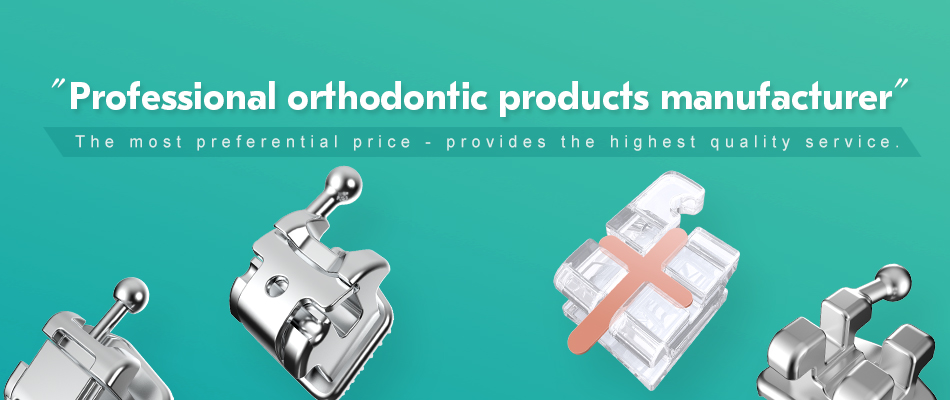

Orthodontic practices frequently choose between active and passive self-ligating brackets. Understanding their fundamental differences is crucial for effective treatment. Orthodontic self-ligating brackets active types engage the archwire differently from passive types. Making informed purchasing decisions directly impacts patient care and practice efficiency. Practices must evaluate each type carefully for optimal outcomes.
Key Takeaways
- Active self-ligating brackets use a clip that presses on the archwire. This gives precise control for detailed tooth movements. Passive brackets hold the wire loosely. This reduces friction for faster initial tooth alignment.
- Choose brackets based on treatment goals. Active brackets are good for precise control. Passive brackets are good for quick initial alignment. Consider patient needs and treatment stages.
- When buying brackets, look at material quality and how easy they are to use. Think about the long-term value, not just the price. Good manufacturer support is also important.
Understanding Active vs. Passive Self-Ligating Bracket Mechanisms
Orthodontic treatment relies on brackets to guide teeth into proper alignment. Self-ligating brackets offer a modern approach, eliminating the need for elastic ties or ligatures. The key difference between active and passive types lies in how they interact with the archwire. This interaction dictates the forces applied to the teeth.
Active Self-Ligating Brackets: Engagement and Characteristics
Active self-ligating brackets feature a spring clip or a flexible component. This component directly presses against the archwire. This design creates active engagement. The bracket slot fully engages the archwire, applying pressure. This pressure allows for precise control over tooth movement. Clinicians often use these brackets for detailed adjustments. They provide excellent rotational and torque control, especially in later treatment stages. Orthodotic self-ligating brackets active types are known for their ability to deliver specific forces.
Passive Self-Ligating Brackets: Engagement and Characteristics
Passive self-ligating brackets use a slide mechanism. This mechanism covers the bracket slot. It holds the archwire without pressing on it. The wire moves freely within the slot. This design significantly reduces friction between the bracket and the wire. Lower friction can lead to faster initial tooth alignment. These brackets are often preferred for early treatment phases. They allow for efficient leveling and aligning of teeth. Passive systems promote less resistance, which can make initial tooth movement more comfortable for patients.
Clinical Performance: Advantages and Disadvantages of Each Type
Orthodontists weigh the clinical performance of each bracket type. They consider how each system moves teeth. This evaluation helps them choose the best option for patients.
Advantages and Disadvantages of Active Self-Ligating Brackets
Active self-ligating brackets offer significant advantages. They provide precise control over tooth movement. Clinicians achieve excellent rotational and torque control with these brackets. This precision is crucial for detailed adjustments. Orthodotic self-ligating brackets active types apply specific forces. This helps in complex cases. However, these brackets also have disadvantages. They create higher friction than passive systems. This can sometimes lead to slower initial tooth movement. Patients might experience more discomfort due to the increased force. Wire changes can also be more challenging.
Advantages and Disadvantages of Passive Self-Ligating Brackets
Passive self-ligating brackets come with their own set of benefits. They reduce friction between the bracket and the archwire. This low friction often leads to faster initial tooth alignment. Patients typically find these brackets more comfortable. They experience lighter forces. Wire changes are usually quicker and easier. These brackets excel in the early stages of treatment. They efficiently level and align teeth. On the other hand, passive brackets have limitations. They offer less precise control over torque and rotation. This can be a challenge in later treatment phases. Clinicians might need more auxiliary appliances for complex movements. They are less effective for detailed finishing.
Key Procurement Criteria for Orthodontic Self-Ligating Brackets Active
Procuring orthodontic supplies requires careful consideration. Practices must evaluate several factors beyond just the initial cost. These criteria ensure the chosen brackets support clinical goals and operational efficiency.
Material Quality, Durability, and Design
The materials used in orthodontic brackets directly affect their performance and longevity. High-quality materials resist breakage and corrosion. Stainless steel brackets offer strength and reliability. Ceramic options provide aesthetics but can be more brittle. Composite brackets balance appearance and durability.
Durability is crucial for successful treatment. Brackets must withstand daily forces without fracturing or deforming. A durable bracket reduces the need for replacements. This saves both chair time and material costs. The design of the bracket also plays a vital role. A low-profile design enhances patient comfort. Precision in the bracket slot ensures accurate wire engagement. The clip mechanism, especially for orthodotic self-ligating brackets active types, must operate reliably. It needs to open and close smoothly throughout treatment. A well-designed bracket promotes consistent force delivery.
Clinical Efficiency and Ease of Use
Clinical efficiency directly impacts practice productivity. Brackets should allow for quick and easy wire changes. This reduces patient chair time. The ligation mechanism must be simple to operate. For active self-ligating brackets, the clip should engage the wire without difficulty. Easy wire insertion and removal streamline appointments.
The bonding and debonding processes also contribute to efficiency. Brackets with reliable bond strength prevent unexpected debonds. This avoids unscheduled appointments for re-bonding. Easy debonding minimizes patient discomfort and enamel damage. A system that is intuitive for the clinical team to use improves workflow. It reduces the learning curve for new staff members. This efficiency allows the practice to see more patients or dedicate more time to complex cases.
Cost-Benefit Analysis and Long-Term Value
The initial purchase price of brackets is only one part of the equation. Practices must perform a thorough cost-benefit analysis. Consider the long-term value each bracket system offers. A more expensive bracket might lead to shorter treatment times. It could also reduce the number of appointments. These savings in chair time and staff wages can outweigh the higher upfront cost.
Durability also contributes to long-term value. Fewer bracket breakages mean fewer replacement costs. It also means less time spent on repairs. Patient satisfaction is another key benefit. Efficient treatment and comfortable brackets can lead to positive patient experiences. This enhances the practice’s reputation. It also encourages patient referrals. Investing in quality orthodotic self-ligating brackets active systems can provide significant returns over time.
Manufacturer Support and Training
Reliable manufacturer support is essential for any orthodontic product. Practices need access to responsive customer service. This helps resolve issues quickly. Manufacturers should offer comprehensive training programs. These programs educate orthodontists and their staff on proper bracket usage. They cover bonding techniques, wire sequencing, and troubleshooting.
Technical support is also important. It provides assistance with specific clinical challenges. A strong warranty policy protects the practice’s investment. It covers defects or premature failures. Access to clinical research and product updates keeps the practice informed. It ensures they use the most current and effective techniques. A reputable manufacturer stands behind its products. It provides ongoing resources for its customers.
Optimizing Treatment Outcomes with the Right Bracket Choice
Choosing the correct orthodontic bracket significantly impacts treatment success. Orthodontists must align their bracket selection with their clinical goals. They also consider individual patient needs. This careful decision-making leads to superior results.
Aligning Bracket Choice with Clinical Philosophy
An orthodontist’s clinical philosophy guides many treatment decisions. Some practitioners prioritize rapid initial alignment. Others focus on precise torque and rotation control from the start. A practice’s philosophy helps determine the most suitable bracket system.
For example, a philosophy emphasizing low-friction mechanics might favor passive self-ligating brackets. These brackets allow wires to move freely. This can lead to faster initial leveling and aligning. Conversely, a philosophy centered on meticulous control and detailed finishing might lean towards active self-ligating brackets. These systems offer direct engagement with the archwire. This provides greater control over specific tooth movements. The chosen bracket system should complement the orthodontist’s preferred treatment approach. It helps them achieve their desired clinical outcomes efficiently.
Considering Patient Needs and Treatment Stages
Each patient presents unique challenges and requirements. Orthodontists consider several factors when selecting brackets for an individual. Patient age, oral hygiene habits, and specific malocclusion types all play a role.
Younger patients or those with less complex cases might benefit from passive systems. These systems often offer greater comfort and potentially shorter initial treatment phases. Patients with severe crowding or complex bite issues may require the precise control of active self-ligating brackets. These brackets can deliver specific forces for challenging movements.
Treatment also progresses through different stages. Passive brackets often excel in the initial leveling and aligning phase. They reduce friction and allow for efficient tooth movement. As treatment advances, active brackets might become more advantageous. They provide the detailed control needed for torque, rotation, and finishing. Sometimes, orthodontists even use a hybrid approach. They combine both active and passive brackets in different areas of the mouth. This strategy optimizes treatment for various tooth movements.
The Role of Clinical Trials and Peer Review
Evidence-based dentistry forms the foundation of modern orthodontic practice. Clinical trials provide valuable data on bracket performance. These studies compare different bracket systems. They evaluate factors like treatment duration, patient comfort, and stability of results. Orthodontists should consult peer-reviewed literature. This helps them make informed decisions.
Peer review ensures the quality and validity of research findings. Experts in the field scrutinize studies before publication. This process helps identify reliable information. Staying updated with the latest research is crucial. New bracket technologies and treatment protocols emerge regularly. Practices that incorporate evidence from clinical trials often achieve better outcomes. They also provide patients with the most effective care. This commitment to scientific evidence strengthens the practice’s reputation. It also ensures optimal patient treatment.
Practical Considerations for Implementation
Practices must consider practical aspects when implementing new bracket systems. These considerations ensure smooth operations and successful patient care. They involve managing supplies, training staff, and communicating with patients.
Inventory Management and Supply Chain Reliability
Effective inventory management prevents treatment delays. Practices track their bracket stock carefully. They ensure a steady supply of chosen brackets. Reliable suppliers deliver products consistently. This avoids shortages during busy periods. Practices establish efficient ordering processes. They maintain optimal stock levels. This balances availability with storage costs. A robust supply chain supports uninterrupted patient treatment.
Staff Training and Adaptation to New Systems
Introducing new brackets requires thorough staff training. Orthodontists and their teams learn new bonding techniques. They adapt to different wire insertion methods. Staff members become proficient with the new bracket system. This ensures efficient chairside procedures. Continuous education keeps the team updated. It helps them master the nuances of active or passive self-ligating brackets. Smooth adaptation minimizes errors and maximizes productivity.
Patient Communication and Education
Clear patient communication is vital. Practices inform patients about their chosen bracket type. They explain the benefits and expectations. Patients understand the treatment process better. Staff educate patients on proper oral hygiene. They teach care for their specific brackets. This proactive communication builds trust. It also helps patients achieve better treatment outcomes. Patients feel more involved in their journey.
The decision between active and passive self-ligating brackets presents a complex challenge. Strategic procurement directly aligns with clinical goals and operational efficiency. Informed choices lead to superior orthodontic outcomes for patients. They also contribute to practice success. Orthodontists carefully consider these factors.
FAQ
What is the main difference between active and passive self-ligating brackets?
Active brackets use a clip that presses against the archwire. Passive brackets use a slide that covers the wire without pressing it. This affects how forces apply.
Which bracket type is better for initial tooth alignment?
Passive self-ligating brackets often work well for initial alignment. They create less friction. This allows teeth to move more freely and quickly.
Which bracket type offers more precise control over tooth movement?
Active self-ligating brackets provide precise control. Their design allows for specific force application. This helps with detailed torque and rotation adjustments.
Post time: Dec-04-2025