

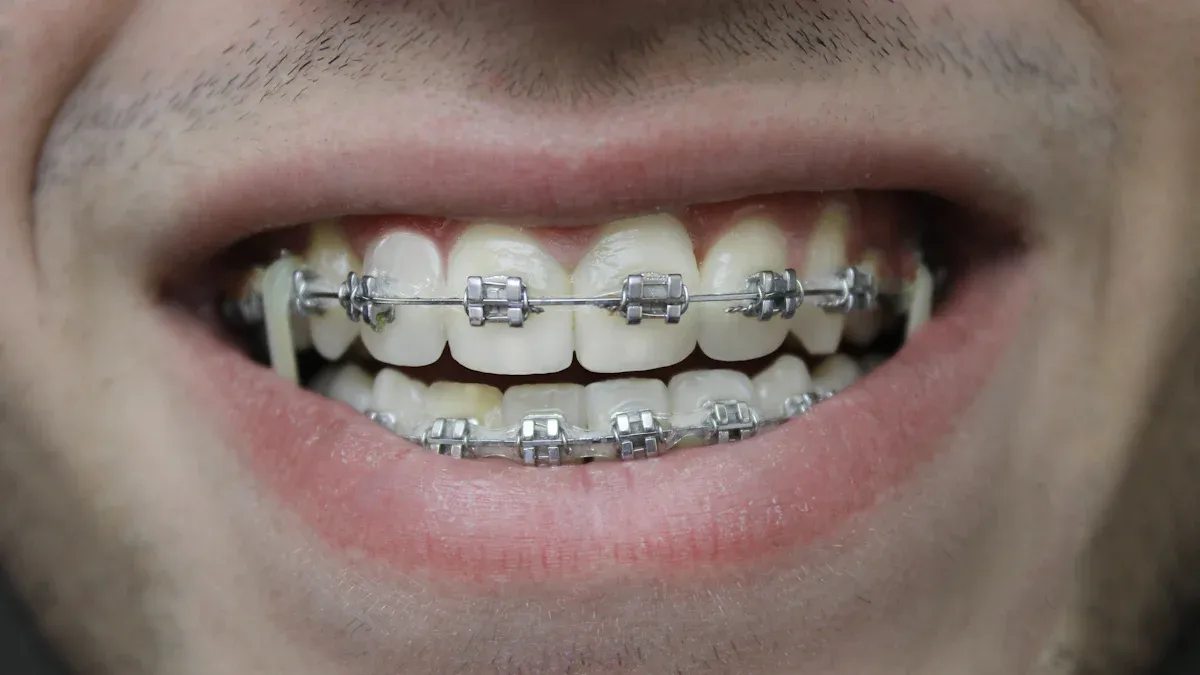
Choosing the right braces can significantly enhance a person’s smile without the noticeable metal appearance. Sapphire brackets and ceramic brackets stand out as popular alternatives to traditional metal braces due to their aesthetic advantages. For instance, ceramic brackets blend seamlessly with natural teeth, making them less conspicuous. Sapphire brackets, on the other hand, offer a nearly invisible option that appeals to those seeking a more discreet treatment. Understanding the difference between sapphire and ceramic brackets empowers individuals to make informed decisions about their orthodontic journey. Additionally, when considering invisible orthodontics, it’s essential to conduct a comfort assessment of transparent braces to ensure they meet individual needs. Many also wonder which type of orthodontic bracket is most friendly to oral mucosa, as comfort is a key factor in the overall orthodontic experience.
Key Takeaways
- Sapphire brackets offer superior transparency and durability, making them an excellent choice for those seeking a discreet orthodontic option.
- Ceramic brackets blend with natural teeth but can stain over time, requiring more maintenance to keep them looking good.
- Comfort is crucial; sapphire brackets have a smoother design, while ceramic brackets may cause irritation due to their bulkiness.
- Consider the cost; sapphire brackets are typically more expensive but may provide better long-term value due to their durability.
- Consult with an orthodontist to find the best bracket type that fits your aesthetic preferences, comfort needs, and budget.
Aesthetic Appeal

Aesthetic appeal plays a crucial role in the choice between sapphire and ceramic brackets. Both options offer a more discreet alternative to traditional metal braces, but they differ significantly in their visual characteristics.
Sapphire brackets are made from a single crystal of aluminum oxide. This construction provides exceptional transparency and durability. They maintain their clarity throughout the orthodontic treatment, ensuring a nearly invisible appearance. Patients often appreciate this feature, as it allows them to smile confidently without the worry of noticeable braces.
In contrast, ceramic brackets are crafted from polycrystalline materials. While they are designed to blend in with natural teeth, they are more prone to staining and discoloration over time. This susceptibility can detract from their aesthetic appeal. Patients may find that their ceramic brackets do not remain as visually appealing as sapphire brackets, especially after prolonged use.
When considering aesthetic options, individuals should weigh the benefits of each type. Sapphire brackets offer superior visual transparency, making them an excellent choice for those prioritizing aesthetics. On the other hand, ceramic brackets may still provide a more discreet look, but they require more attention to maintain their appearance.
Ultimately, the decision should align with personal preferences and lifestyle. Patients should consult with their orthodontist to determine which option best suits their needs and aesthetic goals.
Sapphire Brackets vs. Ceramic Brackets
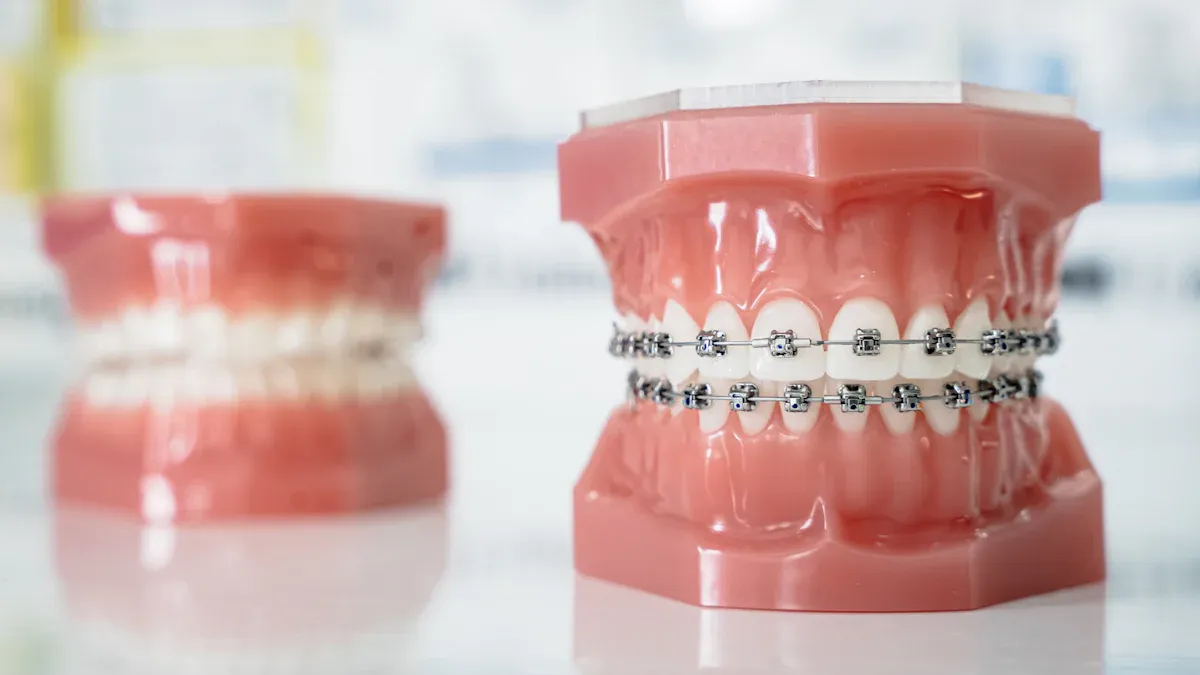
When choosing between sapphire brackets and ceramic brackets, individuals should consider several key factors. These include material composition, manufacturing processes, and clinical applications. Understanding these differences can help patients make informed decisions about their orthodontic treatment.
Material Composition
Sapphire brackets are crafted from monocrystalline sapphire, which provides superior strength and optical clarity. This material allows for a nearly invisible appearance, making them an attractive option for those seeking discretion during treatment. In contrast, ceramic brackets are made from polycrystalline aluminum oxide. While they also offer a tooth-colored appearance, they may not match the clarity of sapphire brackets.
Manufacturing Processes
The manufacturing processes for these two types of brackets differ significantly:
| Type of Bracket | Material Used |
|---|---|
| Ceramic Brackets | Polycrystalline aluminum oxide |
| Sapphire Brackets | Monocrystalline sapphire |
Sapphire brackets undergo a more complex manufacturing process. They are crafted from pure sapphire crystals, which are honed and heat-polished to achieve their final form. This process results in a durable and aesthetically pleasing product. Conversely, ceramic brackets are bonded using light-cured resin, making them easier to produce in larger quantities.
Clinical Indications
Patients may choose sapphire brackets over ceramic brackets for several reasons:
- Sapphire brackets are made from pure sapphire crystal, offering superior strength.
- They are virtually invisible, providing unmatched aesthetics for maximum discretion.
- Ceramic brackets can become stained and are made from composite materials, making them less discreet.
Durability
Durability is a critical factor when choosing between sapphire and ceramic brackets. Patients want braces that can withstand the rigors of daily life while maintaining their effectiveness throughout treatment.
Sapphire brackets excel in durability due to their unique material composition. Made from monocrystalline sapphire, these brackets exhibit remarkable strength. They resist fractures and maintain their integrity even under significant stress. In laboratory tests, sapphire brackets demonstrated superior performance, with some models not fracturing at all during rigorous testing protocols. This high durability makes them an excellent choice for patients who lead active lifestyles.
On the other hand, ceramic brackets, while still durable, show some limitations. The maximum mean fracture strength of ceramic brackets was recorded at 147.71 MPa, with some brands performing even lower. For instance, the minimum mean fracture strength was noted at 84.28 MPa. This variability indicates that not all ceramic brackets are created equal, and some may be more prone to damage than others.
When it comes to resistance to staining and discoloration, sapphire brackets again take the lead. They are known for their superior resistance compared to traditional ceramic brackets. Sapphire brackets maintain their visual appeal throughout treatment, as they are less likely to become stained. In contrast, ceramic brackets can discolor over time, which may affect their aesthetic appeal.
Comfort Level
Comfort plays a significant role in the orthodontic experience. Patients often prioritize comfort when selecting between sapphire and ceramic brackets. Each type of bracket offers distinct comfort features that can influence a patient’s choice.
Sapphire brackets provide a smooth surface and rounded corners. These design elements minimize contact with soft tissues in the mouth, reducing the potential for abrasion and irritation. Patients frequently report a more comfortable experience with sapphire brackets, especially during the initial adjustment period.
In contrast, ceramic brackets tend to have a bulkier design. This bulkiness can lead to discomfort and cheek irritation, particularly during the first few days after placement. Orthodontists often address these concerns by recommending over-the-counter pain relievers for mild soreness. They also suggest consuming soft foods to enhance comfort during the adjustment phase.
Here’s a comparison of the comfort features of both bracket types:
| Bracket Type | Comfort Features |
|---|---|
| Sapphire Brackets | Smooth surface and rounded corners minimize soft tissue contact, reducing potential for abrasion. |
| Ceramic Brackets | Bulkier design can create discomfort and cheek irritation, especially during the initial adjustment. |
Additionally, advancements in orthodontic materials have led to the development of hybrid options. For instance, alpha ceramic brackets combine the durability of monocrystalline sapphire with the comfort of medical-grade polymers. This innovation aims to reduce friction and enhance comfort while still meeting aesthetic demands.
Ultimately, comfort is a crucial factor in the decision-making process. Patients should consider their sensitivity levels and lifestyle when choosing between sapphire and ceramic brackets. Consulting with an orthodontist can provide valuable insights tailored to individual needs.
Cost Considerations
When selecting between sapphire and ceramic brackets, cost plays a significant role. Patients should consider both the initial investment and the long-term value of their choice.
Initial Costs
Sapphire brackets typically come with a higher price tag compared to ceramic brackets. The advanced materials and manufacturing processes contribute to this difference. Here’s a general breakdown of the costs:
| Type of Bracket | Average Cost Range (per arch) |
|---|---|
| Ceramic Brackets | $2,000 – $4,500 |
| Sapphire Brackets | $3,000 – $6,000 |
Tip: Always consult with your orthodontist for precise pricing based on your specific treatment plan.
Long-Term Value
While sapphire brackets may require a larger upfront investment, they often provide better long-term value. Their durability and resistance to staining can lead to fewer adjustments and replacements over time. This can save patients money in the long run.
In contrast, ceramic brackets may need more frequent maintenance due to their susceptibility to discoloration. Patients might find themselves facing additional costs for replacements or repairs.
Insurance and Financing Options
Many dental insurance plans cover a portion of orthodontic treatments. Patients should check with their insurance provider to understand their coverage for both sapphire and ceramic brackets. Additionally, many orthodontic offices offer financing options to help manage costs.
- Ask about payment plans.
- Inquire about any available discounts for upfront payments.
Ultimately, patients should weigh the initial costs against the potential long-term benefits. Making an informed decision can lead to a more satisfying orthodontic experience.
Maintenance Requirements
Maintaining braces is essential for ensuring effective treatment and preserving their aesthetic appeal. Sapphire and ceramic brackets have different maintenance requirements that patients should consider.
For sapphire brackets, maintenance is relatively straightforward. Patients need to brush their teeth after every meal to prevent plaque buildup. This simple routine helps maintain the clarity of the sapphire material. Unlike ceramic brackets, sapphire brackets do not require special cleaning products or techniques.
In contrast, ceramic brackets demand more attention. To avoid staining, patients should follow these guidelines:
- Brush teeth after every meal.
- Use non-abrasive whitening toothpaste.
- Avoid smoking and pigmented foods, such as coffee and red wine.
- Schedule regular dental cleanings every 6 to 8 weeks.
These additional steps are crucial for maintaining the appearance of ceramic brackets. Stains can accumulate from certain foods and beverages, which may detract from their aesthetic benefits.
Both types of brackets may incur extra costs for maintenance and replacements. Patients should factor in these potential expenses when considering their options. Regular cleaning and careful handling are vital for maintaining the transparency of clear braces. Neglecting these maintenance requirements can lead to a less satisfactory treatment experience.
Ultimately, patients should weigh the maintenance demands of each bracket type against their lifestyle and preferences. Consulting with an orthodontist can provide tailored advice on how to best care for braces throughout the treatment process.
Both sapphire and ceramic brackets offer significant aesthetic benefits over traditional metal braces. Patients should consider their personal preferences regarding aesthetics, comfort, and budget when making a choice.
| Bracket Type | Advantages | Challenges |
|---|---|---|
| Sapphire Brackets | Durable, transparent, do not discolor | More brittle, difficult debonding, risk of fractures |
| Ceramic Brackets | Aesthetic, less brittle than sapphire | May discolor over time, less durable than sapphire |
Consulting with an orthodontist can help individuals find the best option tailored to their needs.
FAQ
What are the main differences between sapphire and ceramic brackets?
Sapphire brackets are made from monocrystalline sapphire, offering superior transparency and durability. Ceramic brackets use polycrystalline materials, which can stain over time. Both provide aesthetic benefits, but sapphire brackets maintain their clarity better.
How long does treatment with sapphire or ceramic brackets typically last?
Treatment duration varies based on individual needs. Generally, both sapphire and ceramic brackets require similar timeframes, ranging from 18 to 30 months. An orthodontist can provide a more accurate estimate based on specific cases.
Are sapphire brackets more expensive than ceramic brackets?
Yes, sapphire brackets usually cost more than ceramic brackets. The advanced materials and manufacturing processes contribute to this price difference. Patients should consider both initial costs and long-term value when making a decision.
Do sapphire and ceramic brackets require special care?
Both types require regular dental hygiene practices. Sapphire brackets are easier to maintain, while ceramic brackets need extra attention to prevent staining. Patients should brush after meals and follow their orthodontist’s care instructions.
Can I eat normally with sapphire or ceramic brackets?
Yes, patients can eat normally with both types of brackets. However, they should avoid hard, sticky, or chewy foods that may damage the brackets. Following dietary guidelines from an orthodontist ensures a smoother treatment experience.
Post time: Mar-02-2026