
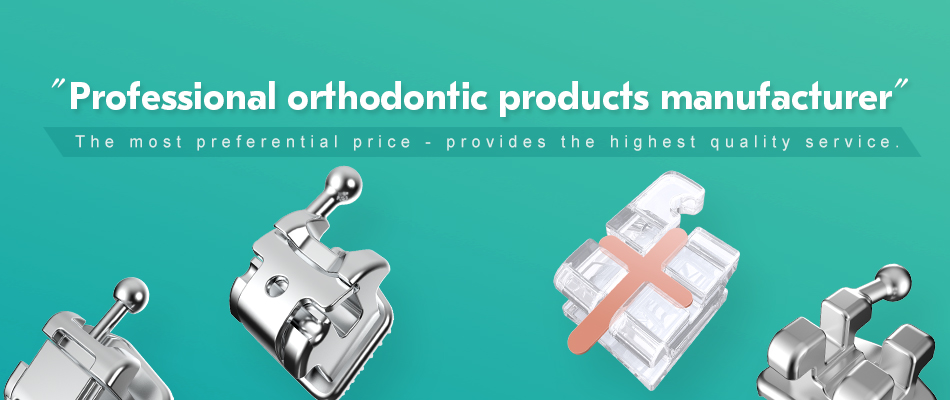

Orthodontic Self Ligating Brackets-active use an integrated clip mechanism. This clip securely holds the archwire. The design significantly reduces friction. It applies consistent, light forces. This results in more free and efficient tooth movement along the archwire.
Key Takeaways
- Active self-ligating brackets use a special clip. This clip holds the wire and pushes on it gently. This helps teeth move easily and quickly.
- These brackets reduce rubbing. Less rubbing means teeth slide better. This makes treatment faster and more comfortable for you.
- The brackets give a steady, light push to your teeth. This gentle force helps your teeth move safely. It also helps your bones change around your teeth.
Understanding Active Self-Ligating Brackets
Defining the Active Clip Mechanism
Active self-ligating brackets feature a special clip. This clip is a small, built-in door. It opens and closes to secure the archwire. The clip actively presses against the archwire. This pressure helps guide the tooth movement. It is a key part of the bracket’s design.
Key Components and Their Roles
Each active self-ligating bracket has several important parts. The main body of the bracket attaches to the tooth. It has a slot. The archwire sits inside this slot. The archwire is the thin metal wire that connects all the brackets. The active clip is the small door. It closes over the archwire. This clip holds the wire firmly in place. It also applies gentle, continuous pressure to the archwire. This pressure helps move the teeth.
Distinguishing from Passive and Traditional Brackets
Orthodontic Self Ligating Brackets-active differ from other types. Traditional brackets use small elastic bands or metal ties. These ties hold the archwire in place. They can create friction. Passive self-ligating brackets also have a clip. However, their clip simply holds the archwire loosely. It does not apply active pressure. Active self-ligating brackets, on the other hand, actively engage the archwire. Their clip presses on the wire. This provides more precise control. It also helps move teeth more efficiently.
The Science of Friction Reduction in Orthodontic Self Ligating Brackets-active
How Traditional Ligatures Create Friction
Traditional braces use small elastic bands or thin metal wires. These items are called ligatures. Ligatures hold the archwire inside the bracket slot. They press the archwire tightly against the bracket. This tight pressure creates friction. Imagine pushing a heavy box across a rough floor. The floor resists the box. Similarly, the ligatures resist the archwire’s movement. This resistance makes it harder for teeth to slide along the wire. It slows down the tooth movement process. Patients might feel more discomfort due to this friction.
The Active Clip’s Role in Minimizing Resistance
Active self-ligating brackets work differently. They do not use elastic bands or metal ties. Instead, a small, built-in clip secures the archwire. This clip closes over the archwire. It holds the wire without squeezing it tightly against the bracket walls. The clip design minimizes the contact points between the bracket and the archwire. Less contact means less friction. The archwire can slide more freely through the bracket slot. This design allows for smoother movement. It reduces the resistance teeth face as they move into their new positions. Orthodontic Self Ligating Brackets-active specifically use this clip to reduce friction.
Impact of Reduced Friction on Movement Efficiency
Reduced friction has several important benefits. Teeth move more easily and quickly. The archwire slides with less effort. This leads to more efficient tooth movement. Patients often experience less pain or soreness. The forces applied to the teeth become lighter and more consistent. This gentle force is better for the biological process of tooth movement. It helps the bone around the teeth remodel smoothly. Overall, lower friction contributes to a faster and more comfortable treatment experience. It makes the entire orthodontic process more predictable.
Optimal Force Delivery for Enhanced Tooth Movement
The Ideal of Consistent, Light Forces
Moving teeth requires force. However, the type of force matters greatly. Orthodontists aim for consistent, light forces. Heavy forces can damage teeth and surrounding tissues. They can also cause pain. Light forces, on the other hand, encourage a natural biological response. This response allows teeth to move safely and efficiently. Think of it like gently guiding a plant to grow in a certain direction. Too much force breaks the stem. Just enough force helps it bend over time.
Continuous Force Application with Active Self-Ligation
Active self-ligating brackets excel at delivering these ideal forces. Their unique clip mechanism maintains constant contact with the archwire. This contact ensures continuous pressure on the teeth. Traditional braces often have periods of inconsistent force. Elastic ties can lose their strength over time. This means the force decreases between appointments. Orthodontic Self Ligating Brackets-active, with their integrated clip, keep the archwire engaged. They provide a steady, gentle push. This consistent force helps teeth move without interruption. It makes the treatment process more predictable.
Biological Response: Bone Remodeling and Cellular Activity
Tooth movement is a biological process. It involves the bone around the teeth. When a light, continuous force pushes a tooth, it creates pressure on one side of the bone. It creates tension on the other side. Specialized cells respond to these signals. Cells called osteoclasts appear on the pressure side. They remove bone tissue. This creates space for the tooth to move. On the tension side, osteoblasts arrive. They build new bone tissue. This new bone stabilizes the tooth in its new position. This process is called bone remodeling. Light, consistent forces stimulate this cellular activity effectively. They promote healthy bone remodeling. This ensures stable and lasting results for the patient.
Precision Archwire Mechanics and Control
Secure Engagement for Torque and Rotation Control
Active self-ligating brackets offer superior control over tooth movement. Their integrated clip securely grips the archwire. This firm hold prevents unwanted slipping or play. It allows orthodontists to precisely control torque. Torque refers to the tilting movement of a tooth’s root. The secure engagement also manages rotation. Rotation is the twisting of a tooth around its long axis. Traditional brackets, with their elastic ties, sometimes allow more freedom. This freedom can make precise torque and rotation control harder to achieve.
The “Active” Pressure on the Archwire
The clip in active self-ligating brackets does more than just hold the wire. It applies a gentle, active pressure directly onto the archwire. This pressure ensures constant contact between the bracket and the wire. It translates the archwire’s shape and force directly to the tooth. This direct engagement is crucial. It means the tooth receives the intended forces consistently. This differs from passive systems. Passive systems hold the wire loosely. They do not exert this active pressure.
Benefits for Complex Movements and Finishing
This precise control greatly benefits complex tooth movements. For example, moving a tooth into a difficult position becomes more predictable. The active clip helps guide the tooth accurately. It also plays a vital role in the finishing stages of treatment. During finishing, orthodontists make small, detailed adjustments. These adjustments perfect the bite and alignment. The precise mechanics of active self-ligating brackets help achieve these fine-tuned results. They contribute to a beautiful, stable smile.
Clinical Advantages of Active Self-Ligating Brackets
Potential for Faster Treatment Times
Orthodontic Self Ligating Brackets-active often lead to quicker treatment. The reduced friction allows teeth to move more efficiently. Consistent, light forces keep the teeth moving without interruption. This continuous movement helps shorten the overall time patients wear braces. Patients can achieve their desired smile sooner.
Fewer Adjustment Appointments
Patients with active self-ligating brackets typically visit the orthodontist less often. The system delivers continuous force. This reduces the need for frequent adjustments. The brackets work effectively between appointments. This saves patients time and makes their treatment more convenient.
Improved Patient Comfort
Many patients report greater comfort with active self-ligating brackets. The system uses lighter forces. These gentle forces cause less discomfort than heavier forces. The absence of elastic ties also means less irritation to the gums and cheeks. Patients experience a smoother and more pleasant treatment journey.
Enhanced Oral Hygiene
Maintaining good oral hygiene becomes easier with active self-ligating brackets. Their design does not use elastic bands or metal ties. These traditional components can trap food particles. The simpler bracket structure offers fewer places for food to collect. Patients can clean their teeth more effectively. This helps prevent cavities and gum problems during orthodontic treatment.
Active self-ligating brackets utilize scientific principles. They achieve superior tooth movement. Key mechanisms include reduced friction, consistent light forces, and precise archwire control. These innovations lead to more efficient, comfortable, and often quicker orthodontic treatment for patients.
FAQ
What makes active self-ligating brackets “active”?
Active self-ligating brackets use a clip. This clip actively presses on the archwire. This pressure helps guide tooth movement. It provides continuous force.
Do active self-ligating brackets hurt more than traditional braces?
Many patients find active self-ligating brackets more comfortable. They use lighter, consistent forces. This reduces the pressure and soreness often felt with traditional braces.
Can active self-ligating brackets shorten treatment time?
Yes, they often can. Reduced friction allows teeth to move more efficiently. Consistent forces keep teeth moving steadily. This can lead to faster overall treatment.
Post time: Nov-07-2025