
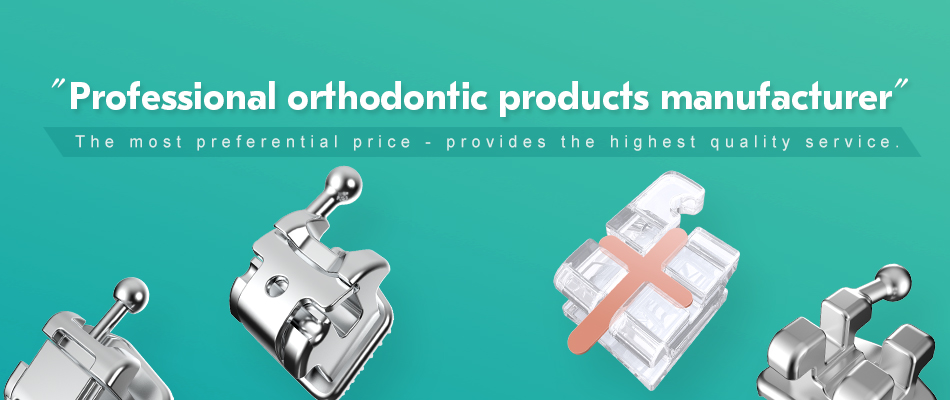

Passive self-ligating brackets facilitate gentle tooth movement. They use low-friction mechanics effectively. Dentists show a strong preference for these brackets. Their scientific advantages in orthodontic treatment are clear. Orthodontic Self Ligating Brackets-passive offer a superior approach to patient care.
Key Takeaways
- Passive self-ligating brackets move teeth gently. They use a special design that causes less rubbing. This helps teeth move more easily and with less pain.
- These brackets can make orthodontic treatment faster. They also mean fewer visits to the dentist. This is because teeth slide smoothly into place.
- Patients often feel more comfortable with passive self-ligating brackets. They cause less soreness. They also make it easier to keep teeth clean.
Understanding Orthodontic Self Ligating Brackets-passive
What Defines Self-Ligating Brackets?
Self-ligating brackets represent a significant advancement in orthodontics. These brackets feature a specialized, built-in mechanism. This mechanism securely holds the archwire within the bracket slot. Unlike traditional brackets, they do not require elastic ties or metal ligatures. This design simplifies the process of archwire placement and removal. It also contributes to a cleaner, more streamlined appearance for patients.
Active Versus Passive Self-Ligation
Orthodontists categorize self-ligating brackets into two main types: active and passive. Active self-ligating brackets use a spring clip or door. This clip actively presses against the archwire. It applies a specific force to engage the wire. Passive self-ligating brackets operate differently. Their sliding door or clip simply covers the archwire. It does not press on the wire. This allows the archwire to move freely within the bracket slot.
The Low-Friction Advantage of Passive Designs
The passive design offers a distinct advantage: low friction. Because the clip does not press on the archwire, the wire slides with minimal resistance. Traditional brackets with elastic ties create significant friction. Active self-ligating brackets also generate some friction due to the clip’s pressure. Orthodontic Self Ligating Brackets-passive eliminate these sources of friction. This low-friction environment allows for smoother and more efficient tooth movement. It reduces the forces needed to move teeth. This design is a key reason dentists prefer these Orthodontic Self Ligating Brackets-passive.
The Impact of Friction in Orthodontics
Defining Frictional Resistance in Tooth Movement
Frictional resistance is a force that opposes motion. In orthodontics, this force occurs when an archwire slides through a bracket slot. It acts against the desired tooth movement. Think of it like rubbing two surfaces together; resistance happens. This resistance makes it harder for teeth to move along the archwire. Orthodontists aim to minimize this force for efficient treatment.
Detrimental Effects of High Friction
High friction creates several problems during orthodontic treatment. It slows down tooth movement significantly. This means patients wear braces for longer periods. High friction also demands greater forces to move teeth. These increased forces can cause more discomfort for patients. They can also lead to less predictable tooth positioning. Ultimately, high friction makes the treatment process less efficient and more challenging.
Factors Influencing Frictional Forces
Several elements contribute to the amount of friction in an orthodontic system. The materials of both the bracket and the archwire play a role. For example, metal brackets often create more friction than ceramic ones. The size and shape of the archwire relative to the bracket slot also matter. A tight fit increases friction. The type of ligation, whether elastic ties or a self-ligating mechanism, significantly impacts friction levels. Elastic ties, for instance, press the wire into the bracket, increasing resistance.
How Passive SL Brackets Achieve Low Friction
Design Principles for Reduced Resistance
Passive self-ligating brackets are engineered for minimal friction. Their design focuses on creating a smooth pathway for the archwire. Manufacturers craft these brackets with highly polished internal surfaces. This smooth finish reduces any drag as the wire moves. The bracket slots often feature rounded edges. Sharp corners can catch the archwire, but rounded edges allow the wire to glide easily. Precision manufacturing ensures consistent slot dimensions. This consistency prevents the wire from fitting too tightly or loosely in certain areas. These careful design choices work together to lower resistance significantly.
The Role of the Sliding Door Mechanism
The sliding door mechanism is central to low-friction mechanics. This small, integrated door simply closes over the archwire. It holds the wire securely within the bracket slot. Crucially, the door does not press down on the archwire. Instead, it creates a smooth, enclosed channel. The archwire can then slide freely through this channel. This free movement contrasts sharply with traditional brackets. Traditional brackets use elastic ties. These ties squeeze the archwire against the bracket slot, creating friction. The passive door eliminates this compressive force. This allows for gentle, continuous tooth movement with less resistance.
Minimizing Binding and Notching
Passive SL brackets actively prevent binding and notching. Binding occurs when the archwire gets wedged or stuck within the bracket slot. Notching refers to damage or deformation of the archwire or bracket. Both issues increase friction and hinder tooth movement. Passive designs minimize these problems in several ways. They often feature a larger, more open slot design. This design provides more space for the archwire to move without getting caught. The absence of elastic ties also plays a key role. Elastic ties can force the archwire into tight angles, leading to binding. Orthodontic Self Ligating Brackets-passive avoid this by allowing the wire to self-align. This design promotes smoother sliding and protects both the wire and the bracket from damage.
Scientific Evidence for Low-Friction Mechanics
Comparative Studies on Frictional Forces
Numerous studies investigate friction in orthodontic brackets. Researchers compare passive self-ligating brackets with traditional ligated brackets. They also compare them with active self-ligating systems. These studies consistently show that passive self-ligating brackets generate less friction. For example, one study found passive brackets produced significantly lower frictional forces than conventional brackets tied with elastomeric ligatures. Another research project highlighted reduced friction compared to active self-ligating designs, especially during initial tooth movement. These comparisons provide strong evidence for the low-friction claims of passive systems.
Measuring Frictional Resistance Across Bracket Types
Scientists use specialized equipment to measure frictional resistance. A common tool is the universal testing machine. This machine pulls an archwire through a bracket slot at a controlled speed. It precisely records the force required to move the wire. Researchers test various bracket materials and designs. They also test different archwire types and sizes. The data collected quantifies the exact amount of friction each system produces. These measurements confirm that passive self-ligating brackets consistently exhibit lower frictional values. This scientific measurement validates their mechanical advantage.
Clinical Implications of Reduced Frictional Resistance
Reduced frictional resistance has significant clinical implications. Lower friction allows teeth to move more freely along the archwire. This often translates to faster treatment times for patients. Dentists can use lighter forces to achieve desired tooth movement. Lighter forces generally mean less discomfort for the patient. Predictable tooth movement also improves. The archwire slides smoothly, guiding teeth efficiently into their correct positions. Ultimately, the scientific evidence for low friction supports better, more comfortable, and more efficient orthodontic outcomes.
Clinical Benefits for Dentists and Patients
Passive self-ligating brackets offer many advantages. These benefits extend to both dentists and their patients. They make orthodontic treatment more effective and more pleasant.
Enhanced Treatment Efficiency and Shorter Times
Passive self-ligating brackets move teeth efficiently. Their low-friction design allows the archwire to slide freely. This means teeth move into position with less resistance. Dentists can often achieve desired results faster. Patients spend less time in braces overall. This efficiency comes from the continuous, gentle forces applied. The brackets do not bind the wire. This allows for steady progress throughout treatment.
Reduced Chair Time and Fewer Appointments
Dentists find passive self-ligating brackets easy to work with. Changing archwires takes less time. They simply open a small door, remove the old wire, and insert the new one. There are no elastic ties to remove and replace. This quick process means patients spend less time in the dental chair. Fewer, shorter appointments benefit everyone. Dentists can see more patients. Patients can return to their daily activities sooner. This streamlined process makes treatment more convenient.
Improved Patient Comfort and Experience
Patients often report greater comfort with passive self-ligating brackets. The low-friction mechanics use lighter forces. Lighter forces cause less pain and soreness. The brackets also have a smooth design. They do not have elastic ties that can irritate cheeks or gums. This smooth surface reduces friction against soft tissues. Furthermore, the absence of elastic ties means less food gets trapped. This makes oral hygiene easier for patients. A cleaner mouth leads to a healthier and more comfortable experience.
Predictable Tooth Movement and Outcomes
Passive self-ligating brackets provide predictable tooth movement. The archwire slides consistently through the bracket slot. This consistent movement helps dentists guide teeth precisely. They can better control the direction and speed of tooth movement. This leads to more accurate final tooth positioning. Dentists can plan treatment with greater confidence. They achieve the desired aesthetic and functional outcomes more reliably. The consistent mechanics of Orthodontic Self Ligating Brackets-passive help ensure successful results for every patient.
Passive self-ligating brackets provide scientifically proven low-friction mechanics. These mechanics offer significant clinical advantages for dentists. Dentists prefer these brackets due to improved treatment efficiency and enhanced patient comfort. This makes orthodontic care more effective and pleasant for everyone involved.
FAQ
What makes passive self-ligating brackets different from traditional braces?
Passive self-ligating brackets use a sliding door. This door holds the archwire. Traditional braces use elastic ties. These ties hold the archwire in place.
Do passive self-ligating brackets hurt less?
Many patients report less discomfort. These brackets use lighter forces. Lighter forces cause less pain. This improves the patient experience.
Can passive self-ligating brackets shorten treatment time?
Yes, they often do. Low friction allows teeth to move faster. This can lead to shorter overall treatment times. Dentists appreciate this efficiency.
Post time: Nov-11-2025