
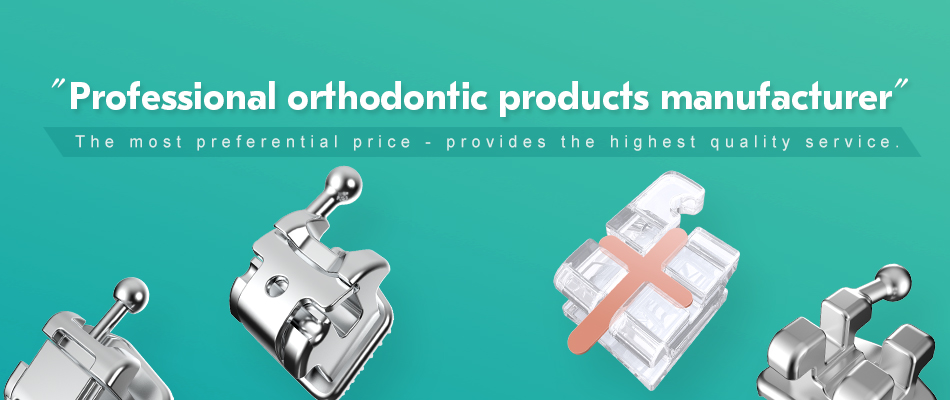

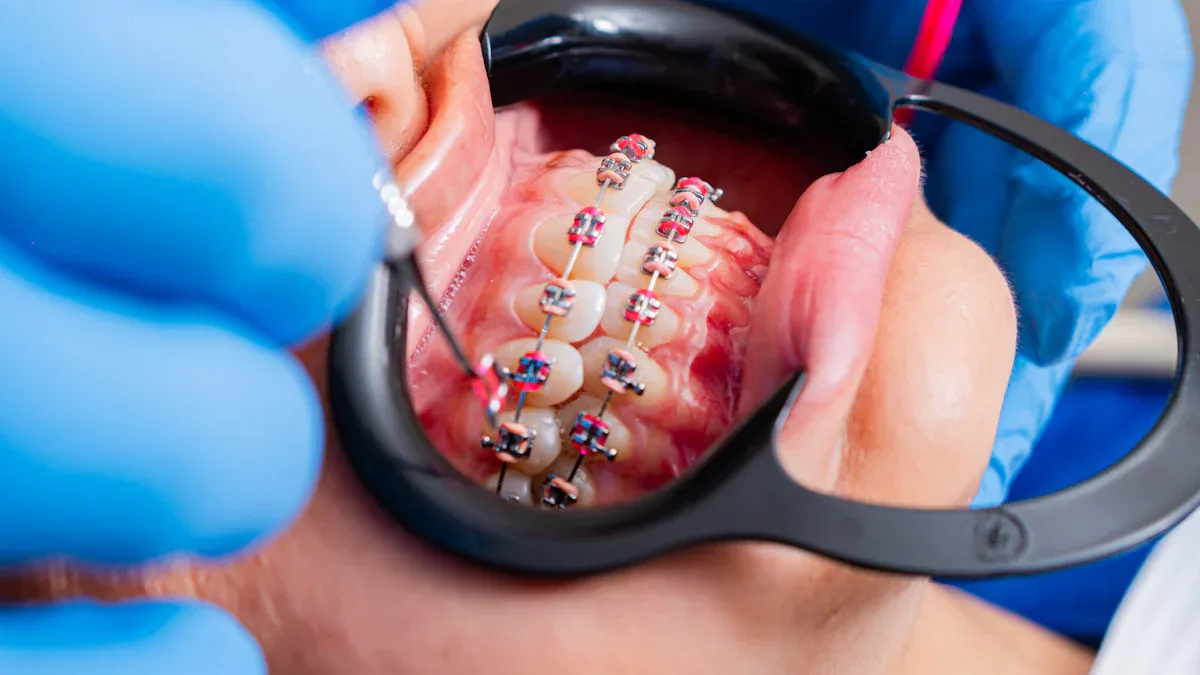
Traditional metal braces remain a popular orthodontic solution. They feature small stainless steel orthodontic brackets bonded to the teeth. A wire connects these Metal Orthodontic Brackets, gently guiding teeth into alignment. For example, Denrotary Orthodontic Brackets are a type of orthodontic mesh base brackets. Many people ask what are mesh base orthodontic brackets; they are the small metal components that attach to your teeth. Treatment typically spans 18 to 36 months.
Key Takeaways
- Metal braces are very good at fixing serious tooth problems like crooked teeth or bad bites. They are strong and work well for many people.
- Metal braces are often cheaper than other types of braces. They are also very durable and last a long time.
- Wearing metal braces can make your teeth look different, and they might feel a little uncomfortable at first. You also need to be careful about what you eat and how you clean your teeth.
The Enduring Advantages of Metal Orthodontic Brackets
Unmatched Effectiveness for Complex Cases
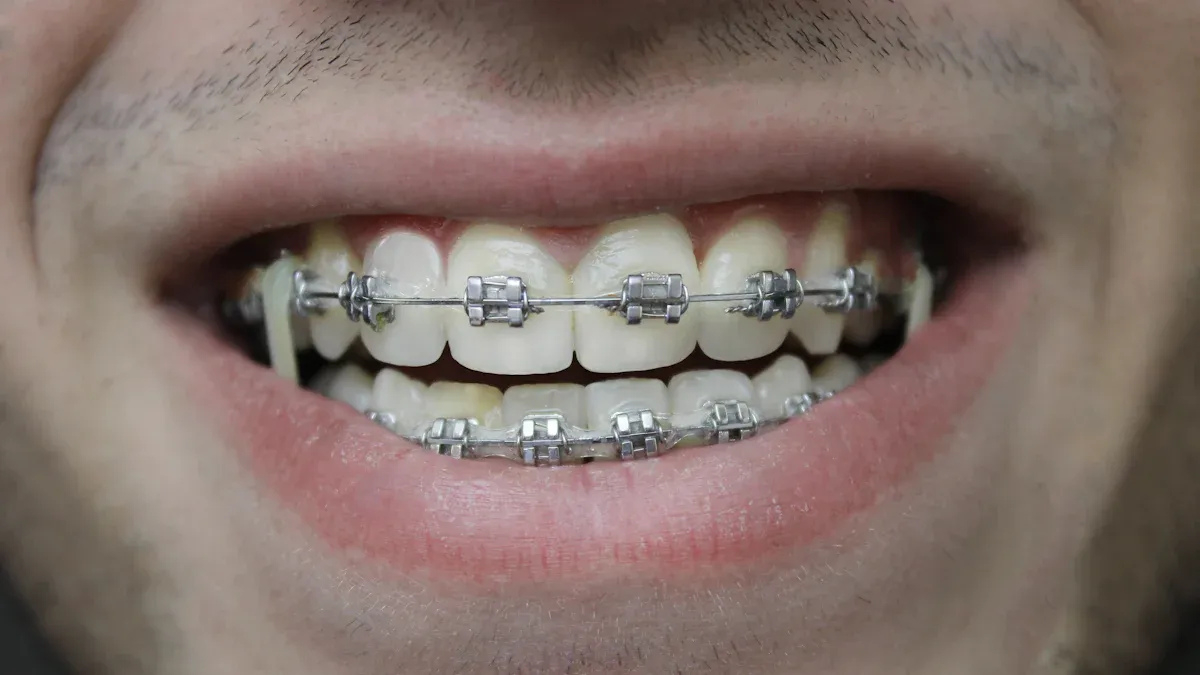
Metal braces offer powerful solutions for tough orthodontic problems. They effectively correct severe crowding, a common issue. Patients with overbites, where upper front teeth significantly overlap lower ones, find great success with these braces. Braces also fix underbites, where lower teeth extend past upper teeth. Crossbites, another complex misalignment, are routinely corrected. For Class II Malocclusion, which is a type of overbite, braces are a popular and effective choice. When people have complex issues like severe overbite, underbite, or major jaw alignment problems, traditional braces often work better than clear aligners. Metal Orthodontic Brackets provide precise control over tooth movement, leading to an impressive success rate, over 90%, for all types of orthodontic issues, even the most severe ones.
Tip: Metal braces are often the go-to choice for the most challenging orthodontic cases due to their strength and precise control.
Robust Durability and Reliability
Metal braces are built to last. Manufacturers make them from strong metal alloys. These alloys include titanium alloys, often mixed with nickel or chromium, known for their strength and flexibility. Chromium-nickel-cobalt alloys also contribute to their durability. Medical-grade stainless steel (316L) is a primary material. It contains chromium and nickel, which helps it resist corrosion and keep its shape under constant pressure. This material prevents rust and stops bacteria from sticking, allowing the brackets to handle the forces in the mouth. Nickel-titanium (NiTi) wires are also part of the system. These wires have a special “shape memory” that provides gentle, consistent pressure over time. This makes the Metal Orthodontic Brackets stable and effective.
Cost-Effectiveness of Treatment
Many people consider the cost of orthodontic treatment. Metal braces often present a more budget-friendly option compared to other treatments. For example, in Ontario, the price for traditional metal braces usually starts around $3,000 and can go up to $11,000. More specifically, the cost in Ontario typically falls between $3,000 and $7,500 CAD, depending on how complex and long the treatment is.
When comparing costs, metal braces are generally the most affordable.
| Braces Type | Cost Range |
|---|---|
| Metal Braces | $3,000 – $7,000 |
| Clear (Ceramic) Braces | $4,000 – $8,500 |
| Clear Aligners (e.g., Invisalign) | $3,000 – $8,000 |
The materials used, lab fees, and appointment times all affect the final price. Metal braces, with their stainless steel construction, usually offer the best value.
Comprehensive Correction of Misalignments
Metal braces excel at fixing a wide range of dental problems. They effectively correct overbites and underbites. These braces also address crooked teeth and overcrowding. They can fix various other bite problems, ensuring a healthy and aligned smile. The comprehensive nature of these Metal Orthodontic Brackets allows them to tackle almost any misalignment.
Improved Oral Health Outcomes
Beyond aesthetics, metal braces significantly improve oral health. Crooked or crowded teeth are hard to clean properly. This leads to plaque and tartar buildup. Plaque hardens into tartar, increasing the risk of tooth decay and gum disease, also known as gingivitis. Untreated gingivitis can become periodontitis, a serious condition that can cause gum recession and loose teeth. By aligning teeth, braces eliminate those hard-to-reach spots where food and plaque hide. This makes brushing and flossing much more effective, allowing for thorough cleaning of all tooth surfaces. Correcting the bite also ensures even pressure across the teeth. This reduces enamel wear and the chance of cavities. Straightened teeth also lower the risk of gum inflammation, leading to healthier gums and better overall oral wellness.
Navigating the Downsides of Metal Braces
While metal braces offer many benefits, they also come with certain drawbacks. Understanding these potential challenges helps you make an informed decision about your orthodontic journey. Let’s explore some of the common downsides.
Aesthetic Concerns and Visibility
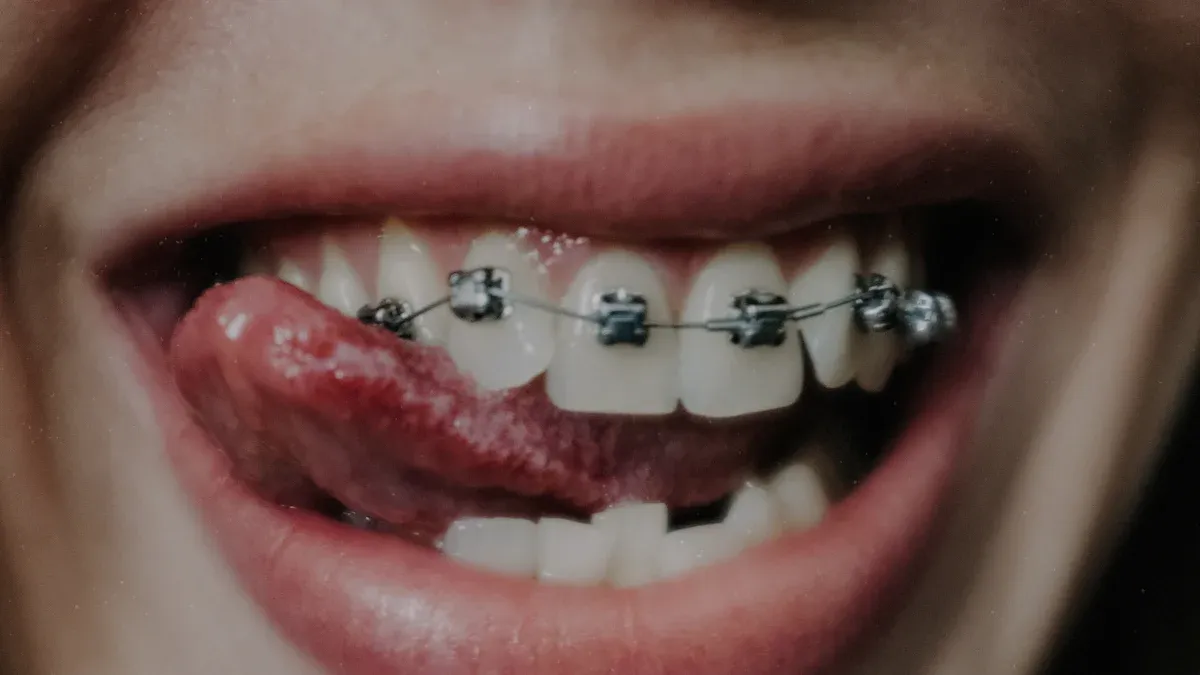
One of the most common concerns people have about metal braces is how they look. Unlike clear aligners or ceramic options, metal braces are quite noticeable. The metal brackets and wires stand out, which can make some individuals feel self-conscious. This is especially true for teenagers and adults who worry about their appearance during treatment.
The visibility of braces can sometimes affect how people feel about themselves. For some, the appearance of braces can be a source of self-consciousness and lower self-esteem. This can lead to feelings of isolation and a reluctance to engage in social activities.
However, it is not all negative. Many people find that the temporary aesthetic change is worth the long-term benefits. In fact, orthodontic treatment often boosts mental well-being.
A 2018 study titled “The Effect of Orthodontic Intervention on Mental Health and Body Image” found that orthodontic treatment improved mental health. It reduced physical, anxiety, sleep disorder, and depressive symptoms. Patients also saw improvements in social functioning and their attitudes toward body image.
Orthodontic intervention can lead to:
- Increased levels of mental health.
- Significantly increased self-confidence.
- Improved physical health, decreased anxiety and depression, and increased social work.
- A positive impact on adolescent mental health by increasing self-awareness.
Initial Discomfort and Adjustments
Getting braces for the first time often brings some discomfort. Your mouth needs time to get used to the new hardware. This adjustment period can cause some soreness and pressure.
The pain intensity for metal brackets typically peaks around 24 hours after placement. It then gradually decreases over the next five days. Most patients find significant relief within a week. Some might feel mild soreness for up to a month, especially after adjustments.
Here is a typical timeline for initial discomfort:
- Day 1: You might feel mild pressure and a tight sensation.
- Days 2-3: This is when discomfort often peaks, with noticeable soreness.
- Days 4-7: Soreness gradually lessens, though you might feel some irritation inside your cheeks.
| Time Point | Metal Brackets (Upper Anterior) | Metal Brackets (Lower Anterior) |
|---|---|---|
| 4th hour | N/A | 2.11 |
| Day 1 (24h) | 2.7 (peak) | N/A |
| Day 5 | 0.22 | N/A |
Note: Pain intensity was measured using a 100-mm Visual Analog Scale (VAS), where higher scores indicate more pain.
You can manage this initial discomfort with a few simple strategies:
- Dietary Adjustments: Stick to soft foods like mashed potatoes, yogurt, and soup.
- Orthodontic Wax: Apply wax over any brackets or wires that rub against your cheeks or lips.
- Cold Therapy: Drink cold water or suck on ice chips (do not chew them) to numb tender areas.
- Over-the-Counter Pain Relievers: Ibuprofen or acetaminophen can help with soreness.
- Good Oral Hygiene: Gentle brushing and flossing keep your mouth healthy and reduce inflammation.
Oral Hygiene Challenges
Maintaining clean teeth becomes a bit more challenging with braces. The brackets and wires create many small spaces where food particles and plaque can hide. This makes thorough cleaning more difficult.
Braces transform routine brushing into a complex task. The wires and Metal Orthodontic Brackets create numerous nooks and crannies. These areas easily trap food particles and plaque. This makes it harder to reach all tooth surfaces and gum lines. If you do not clean properly, you become more susceptible to gum inflammation and disease, like gingivitis. The American Dental Association notes that patients with braces are more prone to gingivitis if they do not brush and floss correctly.
Dietary Restrictions
Wearing metal braces means you need to be careful about what you eat. Certain foods can damage your braces, leading to extra orthodontist visits and potentially longer treatment times.
You should generally avoid foods that are sticky, hard, or chewy. Soft foods are much gentler on your braces.
Here are some foods to avoid:
- Sticky candies (e.g., taffy, caramel): These can pull off brackets or get stuck, increasing cavity risk.
- Hard foods (e.g., nuts, ice, hard pretzels): These can crack brackets or bend wires.
- Popcorn: Kernels can get stuck between teeth and braces, and unpopped kernels can damage appliances.
- Chewing gum: It sticks to braces and wires, making removal very difficult.
- Raw carrots or whole apples: Slice these thinly or cook them until soft before eating.
Not following these dietary rules can cause problems. You might damage brackets and wires. Food can get lodged in hard-to-reach places, increasing the risk for cavities and gum issues. This can lead to emergency trips to the orthodontist and delays in your treatment.
Potential for Minor Irritations
When you first get braces, the soft tissues inside your mouth need time to adjust. This can lead to some minor irritation. You might experience friction between the braces and the inside of your mouth.
Cuts in the mouth are a normal side effect, especially during the initial adjustment period. Brackets can rub against your cheeks, and your mouth’s tissues are getting used to the new hardware. Modern braces are more compact, which helps reduce irritation, but cuts can still happen. Sometimes, a broken wire or loose band can cause a cut. Your tongue might also feel sore or get minor scratches from the wire.
Mouth sores, often called canker sores, are another common irritation. These small, uncomfortable sores result from the braces rubbing against the inside of your lips and cheeks. Triggers can include small cuts, abrasions, or even stress. These sores usually heal within two weeks and tend to appear less often as your mouth adapts to the braces.
You can take steps to alleviate these minor irritations:
- Maintain good oral hygiene: Brush and floss regularly with a soft-bristled toothbrush.
- Eat softer foods: Avoid crunchy or abrasive items that might worsen irritation.
- Rinse with warm salt water: Mix half a teaspoon of salt in 8 ounces of water to soothe irritation.
- Use orthodontic wax: Break off a small piece, roll it into a ball, and press it onto troublesome brackets or wires to create a cushion.
- Use oral numbing gels: These can temporarily numb the area for quick relief.
- Consult your orthodontist: If issues persist, they can assess the situation and suggest adjustments.
Who Should Consider Metal Braces?
Ideal Candidates for Treatment
Many people wonder if metal braces are right for them. Most children who receive braces begin treatment between the ages of 10 and 14. This age is often best because baby teeth have usually fallen out, and the jaw is stable for long-term treatment. Children between 7 and 11 years old are also good candidates for early, or interceptive, orthodontics. Teenagers, typically between 12 and 16, are the most common group for braces. Metal braces are ideal for children and teenagers because they are flexible, easy to modify, and affordable.
Addressing Specific Orthodontic Needs
Metal braces are a strong choice for many dental problems. Doctors often recommend them for difficult issues because of their robust material. They perform well no matter how severe the tooth condition. These braces are highly effective for crowded teeth, severe overbites, underbites, or crossbites. They also fix rotated or tilted teeth and close gaps between teeth. Metal Orthodontic Brackets give orthodontists excellent control over tooth movement. They apply consistent pressure to shift teeth precisely, making them perfect for complex cases needing significant movement.
Long-Term Treatment Goals
Metal braces play a crucial role in achieving lasting oral health. They are highly effective for severe crowding, applying gentle, continuous pressure to align teeth. The process starts with a consultation, X-rays, and impressions to plan treatment. Sometimes, tooth extractions are necessary to create space. Brackets and wires are then placed, and regular adjustments ensure teeth move into their correct positions. After treatment, wearing retainers regularly is essential to maintain results. This prevents teeth from shifting back. Metal braces also prepare patients for other dental procedures, like jaw surgery, by aligning teeth and correcting bite issues. They create space for surgical adjustments and improve facial symmetry, leading to more accurate surgical outcomes.
Metal braces offer a powerful, cost-effective solution for many orthodontic challenges. While they present some aesthetic and comfort considerations, their effectiveness remains undeniable. They continue as a cornerstone of orthodontic treatment. Always consult an orthodontist. They provide personalized advice for your unique needs.
FAQ
How long do people usually wear metal braces?
Most people wear metal braces for about 18 to 36 months. The exact time depends on how complex their case is.
Do metal braces hurt?
Patients might feel some discomfort when they first get braces or after adjustments. This usually goes away within a few days. Over-the-counter pain relievers can help.
What foods should people avoid with metal braces?
People should avoid sticky, hard, and chewy foods. These can damage the braces. Examples include popcorn, nuts, and hard candies.
Post time: Jan-27-2026