


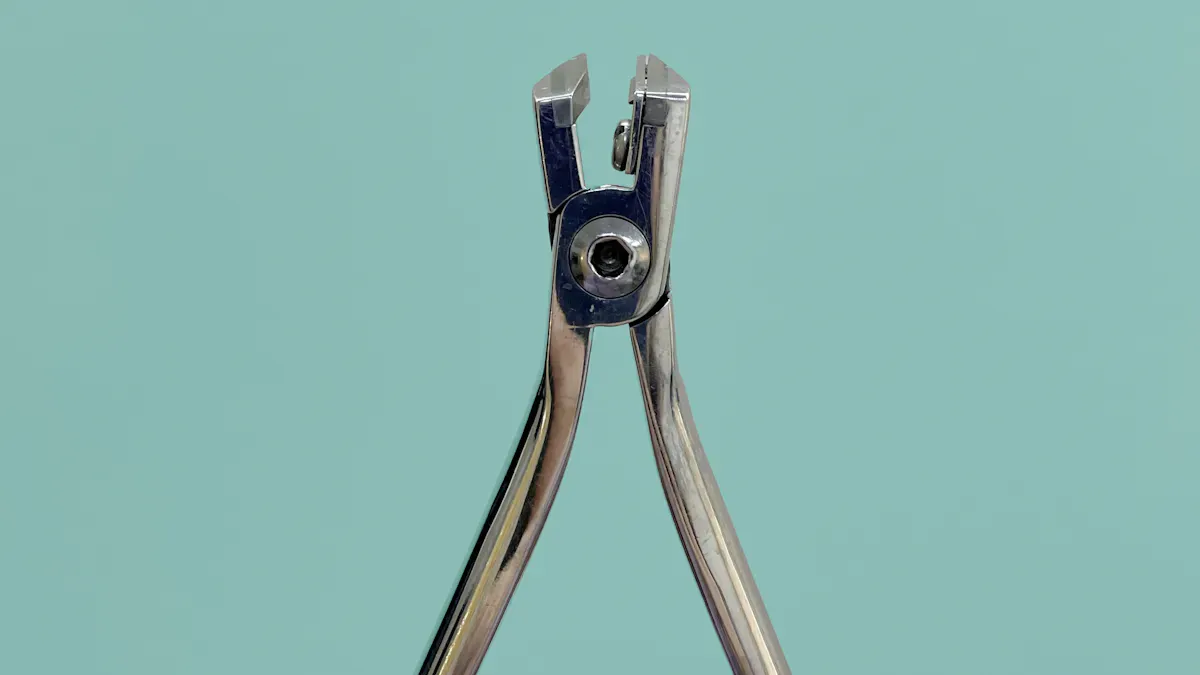
In an orthodontic clinic, having the right tools from an orthodontic tools list is crucial for delivering effective patient care. The availability of high-quality orthodontic tools leads to better treatment outcomes and enhances efficiency during clinical procedures. As a result, improved patient comfort becomes a direct benefit of utilizing advanced tools. These factors play a significant role in influencing patient satisfaction scores. Understanding the various pliers types and their applications ensures clinicians can provide optimal service. Additionally, knowing how to use orthodontic cutter pliers effectively is essential for precise adjustments. A wire forming pliers guide can also be beneficial for those looking to master this skill. Proper knowledge of how to maintain orthodontic tools is vital, as it contributes to their longevity and effectiveness in practice. Implementing plier maintenance tips and adhering to tool safety in orthodontics further ensures that these instruments remain in top condition.
Key Takeaways
- Investing in high-quality orthodontic tools enhances patient care and treatment outcomes.
- Understanding the specific functions of tools like band pliers and bracket placement pliers improves efficiency during procedures.
- Regular maintenance of orthodontic tools is crucial for their longevity and effectiveness in practice.
- Ergonomic tools reduce clinician fatigue, allowing for better precision and comfort during long procedures.
- Selecting the right tools involves balancing quality, cost, and vendor support to ensure optimal performance.
Essential Pliers
Band Pliers
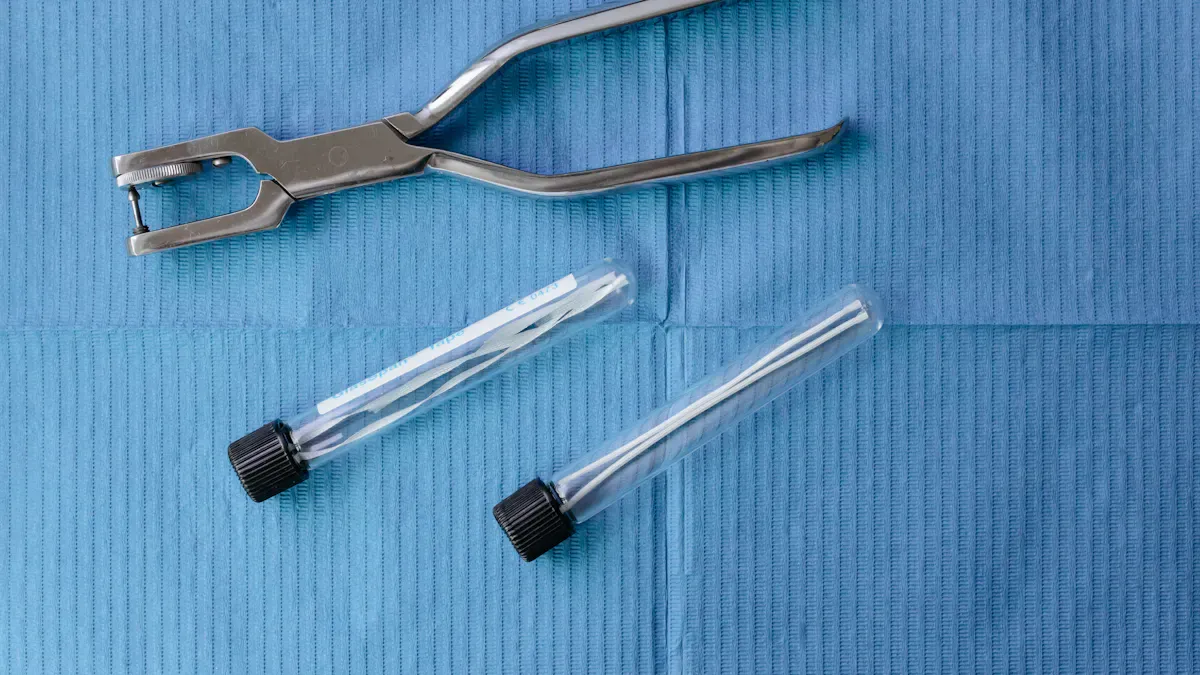
Band pliers play a vital role in orthodontic procedures. They assist in seating and adjusting molar bands, ensuring a proper fit during cementation. A well-fitted band is crucial for effective orthodontic treatment. The following table outlines the primary functions and common applications of band pliers:
| Plier Type | Primary Function | Common Applications |
|---|---|---|
| Band Pliers | Seating and adjusting molar bands | Cementation and fit correction |
Orthodontists often rely on band pliers to achieve precise adjustments. This tool enhances the overall efficiency of the bonding process, leading to better patient outcomes.
Bracket Placement Pliers
Bracket placement pliers are essential for accurately positioning brackets on teeth. These pliers provide the necessary grip and control to ensure that brackets are placed in the correct orientation. Proper placement is critical for achieving optimal tooth movement and alignment.
Using bracket placement pliers allows orthodontists to minimize the risk of misalignment. This tool also aids in the removal of excess adhesive, ensuring a clean finish. The precision offered by these pliers contributes significantly to the overall success of orthodontic treatments.
Wire Bending Pliers
Wire bending pliers are indispensable for customizing archwires to meet individual patient needs. They allow orthodontists to create specific bends and adjustments that facilitate precise tooth movement. Various types of wire bending pliers serve different purposes:
- Ocoid pliers: Fine tip control for intricate bends and torque adjustments.
- Combination pliers: Versatile for gripping, bending, and holding.
- Wire ligature and cutter pliers: Secure wire ends and trim excess material.
- Band bending pliers: Make micro-adjustments to molar bands.
Clinical studies highlight the impact of wire bending pliers on treatment customization. For instance, Bendistal pliers enable the creation of V-bends in previously unbendable wires. This capability is crucial for tailoring orthodontic treatment to individual patient needs. Guidelines for inserting bends in archwires facilitate precise tooth movement along prescribed paths, enhancing treatment effectiveness.
Distal End Cutters
Distal end cutters are essential tools in orthodontic practices. They serve a critical function by cutting the distal ends of orthodontic wires, which helps prevent injuries to soft tissues in the mouth. These pliers are designed with safety features that enhance their usability. One notable feature is their safety hold ability, which securely grips the cut portion of the wire. This design minimizes the risk of accidental injury during procedures.
The following table outlines the key features of distal end cutters and their benefits:
| Feature | Description |
|---|---|
| Tool Type | TC Distal End Cutter Plier |
| Purpose | Designed to cut distal ends of orthodontic wires |
| Cutting Edge | Ensures smooth and clean cuts to prevent injuries to soft tissues |
| Risk Reduction | Prevents wire ends from poking cheeks or gums, reducing discomfort and injury |
By utilizing distal end cutters, orthodontists can significantly reduce the risk of wire-related injuries during treatment. This tool not only enhances patient safety but also contributes to a more efficient workflow in the clinic.
Ligature Tie Pliers
Ligature tie pliers are another indispensable tool in orthodontic practices. They streamline the process of tying ligatures, which secure archwires to brackets. This tool combines twisting and cutting functions, allowing orthodontists to perform tasks efficiently and effectively.
The advantages of ligature tie pliers include:
- Combining Functions: They perform both twisting and cutting in one step, which saves time during procedures.
- Precise Control: Orthodontists can exert precise control over wire tension, ensuring optimal performance.
- Minimizing Irritation: The design helps minimize sharp wire ends that could irritate soft tissues.
However, proper technique is essential to avoid over-tightening ligatures. Regular maintenance is also necessary to keep the cutting edges sharp and effective. The following table summarizes the advantages and considerations of using ligature tie pliers:
| Advantages | Considerations |
|---|---|
| Combines twisting and cutting in one step | Requires proper technique to avoid over-tightening |
| Reduces procedure time and effort | Needs regular maintenance for sharp cutting edges |
| Precise control over wire tension | Learning curve for new users |
| Minimizes sharp wire ends that can irritate soft tissues | N/A |
Incorporating ligature tie pliers into daily practice enhances efficiency and improves patient comfort. Their design and functionality make them a vital addition to any orthodontic toolkit.
Key Orthodontic Tools
Tweezers
Tweezers are essential tools in orthodontic practices. They provide orthodontists with the precision needed to handle small components, such as brackets and ligatures. The design of orthodontic tweezers often includes fine tips that allow for accurate placement and manipulation of materials.
Orthodontists can choose from various types of tweezers, including:
- Adhesive Tweezers: Ideal for handling brackets during bonding procedures.
- Ligature Tweezers: Designed specifically for tying ligatures securely.
- Utility Tweezers: Versatile tools for general use in the clinic.
Using tweezers effectively can enhance the efficiency of procedures. Their precision minimizes the risk of damaging delicate components, ensuring a smoother workflow.
Scissors
Scissors are another critical tool in orthodontic settings. Specialized orthodontic scissors allow for precise cutting of materials such as wires and elastics. Their design often features curved blades, which facilitate access to tight spaces within the oral cavity.
A notable case study involved a 14-year-old patient with a dento-alveolar scissor bite. Treatment with a removable orthodontic appliance, which included specialized scissors for adjustments, corrected the bite in just two months. The appliance design featured an acrylic plate stabilized by Adam’s clasps and a palatal hook for tooth movement. This example highlights the importance of using specialized scissors in achieving effective treatment outcomes.
Orthodontic scissors come in various styles, including:
- Wire Scissors: Designed for cutting orthodontic wires cleanly.
- Elastic Scissors: Ideal for trimming elastics without causing fraying.
- Crown Scissors: Used for cutting crowns and other dental materials.
The right pair of scissors can significantly impact the efficiency of procedures and the overall quality of patient care.
Measuring Tools
Measuring tools are vital for accurate orthodontic treatment planning. They help orthodontists assess the patient’s dental structure and create tailored treatment plans. Essential measuring tools include:
- Facial and Intraoral Photographs: Provide visual documentation of the patient’s condition.
- Radiographic Data: Includes panoramic tomography and cephalometric radiographs for comprehensive analysis.
- Digital Dental Models: Created from silicone rubber impressions or intraoral scanning for precise measurements.
Advanced measuring tools, such as high-resolution imaging techniques like Cone Beam Computed Tomography (CBCT), enhance diagnostic capabilities. Intraoral scanners and digital radiographs further streamline the assessment process.
AI-driven 3D models allow orthodontists to visualize a patient’s dental structure in detail. This technology aids in precise treatment planning and real-time tracking systems enable proactive adjustments. By analyzing patient-specific data, AI systems can optimize tooth movement, reducing treatment duration by up to 26%. Such advancements significantly enhance patient satisfaction and treatment outcomes.
Separator Pliers
Separator pliers are essential tools in orthodontic practices. They facilitate the placement of separators between teeth, creating space for band placement. This process is crucial for effective orthodontic treatment, as it ensures that bands fit properly without causing discomfort to the patient.
Separator pliers come in various designs, each tailored for specific tasks. Some common types include:
- Standard Separator Pliers: Used for placing and removing elastic separators.
- Universal Separator Pliers: Designed to accommodate different separator sizes and shapes.
- Precision Separator Pliers: Feature fine tips for enhanced control during placement.
Using separator pliers effectively can significantly reduce the time spent on band placement. Their design allows orthodontists to work efficiently while minimizing patient discomfort. Proper technique is essential to ensure that separators are placed correctly and securely.
Orthodontic Handpieces
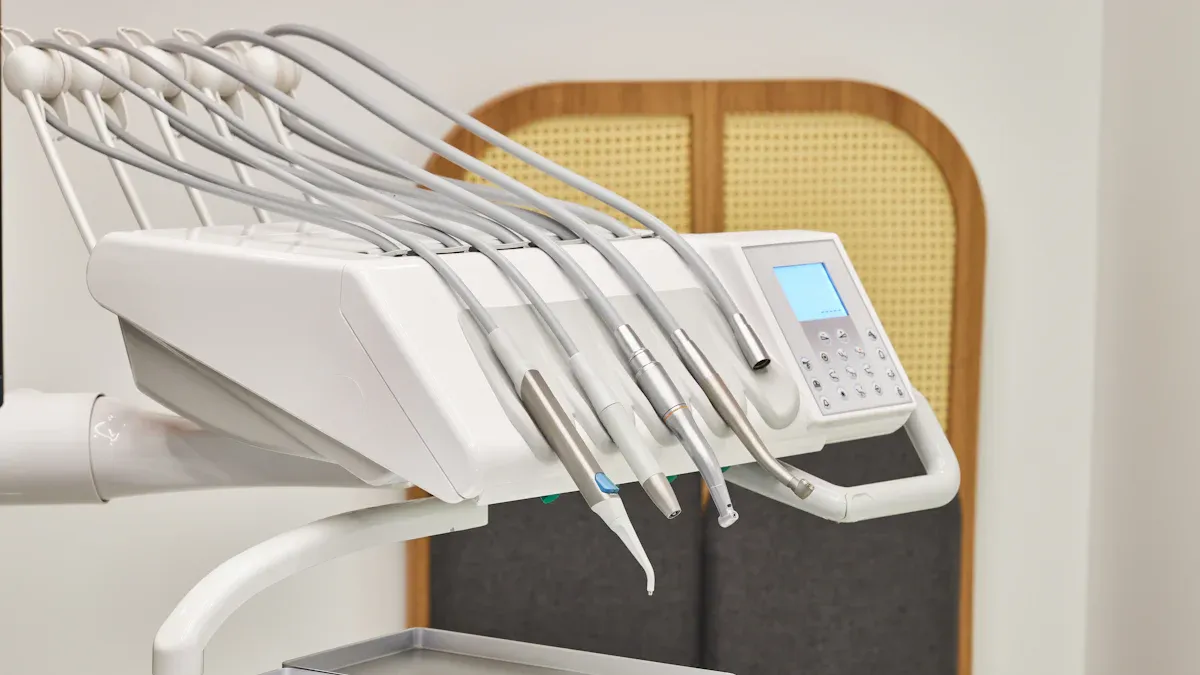
Orthodontic handpieces are vital instruments that enhance treatment efficiency and patient comfort. These tools allow orthodontists to perform various procedures with precision and ease. The advancements in handpiece technology have led to significant improvements in clinical outcomes.
The benefits of using modern orthodontic handpieces include:
| Benefit | Description |
|---|---|
| Consistent Speed and Torque | Provides precise control over speed and torque for intricate procedures. |
| Reduced Vibration and Noise | Operates with less vibration and noise, minimizing patient discomfort and anxiety. |
| Improved Ergonomics | Lightweight design reduces hand strain, allowing for more efficient work over extended periods. |
Orthodontic handpieces are designed to accommodate various attachments, making them versatile tools in the clinic. They can be used for tasks such as cutting, polishing, and adjusting orthodontic appliances. The ergonomic design of these handpieces ensures that orthodontists can work comfortably, even during lengthy procedures.
Incorporating high-quality handpieces into the orthodontic tools list can lead to improved patient experiences. The combination of efficiency and comfort enhances the overall quality of care provided in orthodontic practices.
Orthodontic Tools List
Band Removers
Band removers are essential tools for orthodontists. They simplify the process of removing molar bands from teeth. This tool features a unique design that allows for easy access and control during band removal. Orthodontists can efficiently detach bands without causing discomfort to the patient. The ergonomic handle ensures a secure grip, enhancing precision during use.
Using band removers reduces the risk of damaging surrounding teeth and soft tissues. This tool is particularly beneficial for patients who may experience anxiety during band removal. By employing band removers, orthodontists can provide a smoother and more comfortable experience.
Bracket Positioning Gauges
Bracket positioning gauges are vital for achieving accurate bracket placement. These tools help orthodontists determine the ideal position for brackets on each tooth. Proper positioning is crucial for effective tooth movement and alignment.
Bracket positioning gauges come in various designs, allowing orthodontists to select the best option for their specific needs. Some gauges feature adjustable arms, enabling customization for different tooth sizes and shapes. This adaptability enhances the precision of bracket placement, ultimately improving treatment outcomes.
Ligature Cutters
Ligature cutters are indispensable in orthodontic practices. They provide orthodontists with the ability to cut ligatures quickly and efficiently. This tool features sharp blades designed to make clean cuts, minimizing the risk of fraying or damaging wires.
Using ligature cutters streamlines the process of tying and cutting ligatures, saving valuable time during procedures. Their design allows for easy maneuverability, ensuring that orthodontists can work effectively in tight spaces. Regular maintenance of ligature cutters is essential to keep them sharp and functional.
Incorporating these tools into the orthodontic tools list enhances the overall efficiency of clinical procedures. Each tool plays a significant role in improving patient care and treatment outcomes.
Mathieu Needle Holders
Mathieu needle holders are essential tools in orthodontic practices. They provide orthodontists with the ability to grasp and manipulate needles during procedures. The design of these holders features a locking mechanism that ensures a secure grip on the needle, allowing for precise suturing and tissue manipulation.
Key benefits of Mathieu needle holders include:
- Enhanced Control: The locking mechanism allows for stable handling of needles, reducing the risk of accidental slips.
- Versatility: These holders can accommodate various needle sizes, making them suitable for different procedures.
- Ergonomic Design: The comfortable grip minimizes hand fatigue during extended use.
Orthodontists often rely on Mathieu needle holders for suturing during surgical procedures, ensuring optimal outcomes for their patients.
Weingart Pliers
Weingart pliers are another vital addition to the orthodontic tools list. These pliers are designed for gripping and manipulating orthodontic wires. Their unique design features a tapered tip that allows for easy access to tight spaces in the oral cavity.
The advantages of Weingart pliers include:
- Efficient Wire Handling: They enable orthodontists to easily grasp and position wires during adjustments.
- Durability: Made from high-quality materials, these pliers withstand the rigors of daily use in a clinical setting.
- Precision: The tapered tip provides excellent control, allowing for accurate wire placement.
Using Weingart pliers enhances the efficiency of wire adjustments, contributing to smoother treatment processes.
Elastic Separators
Elastic separators are crucial tools for creating space between teeth before band placement. They help orthodontists ensure that bands fit properly without causing discomfort. The use of elastic separators simplifies the band placement process, making it quicker and more efficient.
Types of elastic separators include:
- Standard Elastic Separators: Commonly used for general band placement.
- Heavy-Duty Elastic Separators: Designed for cases requiring more significant spacing.
- Universal Elastic Separators: Adaptable to various tooth sizes and shapes.
Proper use of elastic separators minimizes patient discomfort and enhances the overall treatment experience.
Band Pushers
Band pushers are essential tools in orthodontic practices, designed to assist orthodontists in seating bands securely on teeth. These instruments feature a unique design that allows for precise application of pressure, ensuring that bands fit snugly without causing discomfort to the patient.
The primary functions of band pushers include:
- Seating Bands: They help orthodontists apply even pressure to seat bands properly on molars.
- Adjusting Fit: Band pushers allow for minor adjustments to ensure a comfortable fit.
- Preventing Discomfort: By using these tools, orthodontists minimize the risk of soft tissue irritation during band placement.
Orthodontists can choose from various types of band pushers, each tailored for specific tasks. Some common designs include:
| Type | Description |
|---|---|
| Standard Band Pusher | A basic tool for general band seating tasks. |
| Angled Band Pusher | Features a bend in the handle for improved access to posterior teeth. |
| Dual-Ended Band Pusher | Offers two different ends for versatility in band placement. |
Using band pushers effectively enhances the efficiency of band placement procedures. They allow orthodontists to work quickly while ensuring patient comfort. Proper technique is crucial; orthodontists should apply consistent pressure without forcing the band, which could lead to discomfort or damage.
Tip: Regular maintenance of band pushers is essential. Keeping them clean and free from debris ensures optimal performance during procedures.
Incorporating high-quality band pushers into the orthodontic toolkit can significantly improve treatment outcomes. Their design and functionality make them a vital addition to any orthodontic practice, enhancing both efficiency and patient satisfaction.
Tips for Selecting the Right Tools
Quality vs. Cost
Selecting the right orthodontic tools involves evaluating both quality and cost. High-quality instruments often lead to better patient outcomes and increased efficiency. When assessing tools, consider the following criteria:
| Criteria | Description |
|---|---|
| Product Quality & Durability | Instruments must withstand repeated sterilization without degradation. |
| Range of Offerings | A broad portfolio ensures coverage for various orthodontic procedures. |
| Innovation & Technology | Vendors integrating ergonomic designs or advanced materials stand out. |
| Pricing & Value | Competitive pricing coupled with high-quality products offers better ROI. |
| Customer Support & Service | Reliable after-sales support and training resources are vital. |
| Regulatory Compliance | Certifications like ISO or CE ensure safety and quality standards. |
| Delivery & Lead Times | Fast, dependable logistics are essential for busy clinics. |
| Reputation & Customer Feedback | Positive reviews and case studies reflect vendor reliability. |
Economic evaluations support decision-making in healthcare, including orthodontics. Cost evaluations provide limited information; clinical effectiveness and relative costs must be considered for value assessment.
Ergonomics and Comfort
Ergonomics plays a crucial role in selecting orthodontic tools. Properly designed instruments can significantly reduce clinician fatigue. Ergonomic dental instruments lower muscle workload, encourage a neutral wrist posture, and reduce pinch and grip force during repetitive tasks.
Ergonomic instruments enhance tactile sensitivity, allowing for better detection of subtle changes in surface texture. They also reduce clinician fatigue, leading to improved procedural accuracy and efficiency.
Clinicians consistently report improved stamina and less hand cramping when using ergonomic tools. This design consideration not only enhances comfort but also contributes to better clinical performance.
Tool Maintenance and Care
Maintaining orthodontic tools is essential for ensuring their longevity and effectiveness. Regular cleaning and proper storage prevent wear and tear. Here are some maintenance tips:
- Clean After Each Use: Sterilize tools according to manufacturer guidelines.
- Inspect Regularly: Check for signs of wear or damage.
- Store Properly: Use designated storage solutions to prevent damage.
- Follow Manufacturer Instructions: Adhere to specific care recommendations for each tool.
By prioritizing maintenance, orthodontists can extend the life of their instruments and ensure optimal performance during procedures.
Having the right pliers and orthodontic tools is essential for effective patient care. Quality instruments lead to improved treatment outcomes and enhance patient safety. Investing in advanced technologies allows for personalized treatment plans, which significantly boosts patient satisfaction.
The American Association of Orthodontists (AAO) emphasizes the importance of proper tools to ensure safe and effective treatment. By prioritizing high-quality instruments, orthodontists can provide a smoother experience for their patients, ultimately enhancing the overall quality of care.
FAQ
What are the most essential orthodontic tools for a clinic?
Orthodontic clinics should prioritize tools like band pliers, bracket placement pliers, and wire bending pliers. These instruments enhance treatment efficiency and improve patient care.
How often should orthodontic tools be maintained?
Orthodontists should clean and inspect tools after each use. Regular maintenance ensures longevity and optimal performance during procedures.
Can ergonomic tools improve clinician comfort?
Yes, ergonomic tools significantly reduce hand fatigue and improve precision. They allow orthodontists to work comfortably, especially during lengthy procedures.
What factors should clinics consider when purchasing tools?
Clinics should evaluate quality, durability, and ergonomic design. Cost-effectiveness and vendor support also play crucial roles in decision-making.
Are there specific tools for different orthodontic procedures?
Yes, various tools cater to specific tasks. For example, ligature cutters streamline tying ligatures, while separator pliers assist in creating space for band placement.
Post time: Mar-11-2026