
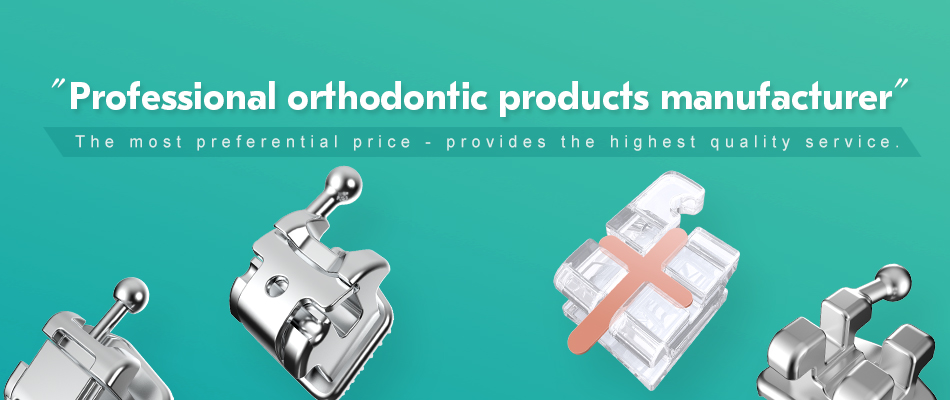

Orthodontic torque control precisely manages the angulation of tooth roots. This precise management is critically important for successful orthodontic treatment outcomes. Modern Orthodontic Self Ligating Brackets offer a key innovation in this area. They provide advanced solutions for superior torque management, redefining precision in orthodontics.
Key Takeaways
- Modern self-ligating brackets precisely control tooth root angles. This helps teeth move into the right place.
- These new brackets use smart designs and strong materials. This makes tooth movement more exact and predictable.
- Better torque control means faster treatment and more stable results. Patients get a healthier, longer-lasting smile.
Evolution of Torque Control in Orthodontics
Limitations of Conventional Brackets
Conventional orthodontic brackets presented significant challenges for precise torque control. These systems relied on elastomeric or wire ligatures to secure the archwire within the bracket slot. Ligatures introduced friction and variability, making consistent torque expression difficult. Clinicians often struggled to achieve exact root angulation due to these inherent limitations. The play between the archwire and the bracket slot, coupled with ligature interference, compromised predictable tooth movement.
Initial Advancements with Self-Ligating Designs
The development of self-ligating designs marked a significant advancement in orthodontic mechanics. These innovative brackets incorporated a built-in mechanism, such as a clip or door, to hold the archwire. This eliminated the need for external ligatures. The design reduced friction considerably, allowing archwires to slide more freely. Patients experienced improved comfort, and clinicians observed enhanced treatment efficiency, particularly during initial alignment phases.
Passive vs. Active Orthodontic Self Ligating Brackets
Self-ligating systems evolved into two primary categories: passive and active. Passive Orthodontic Self Ligating Brackets feature a larger slot dimension relative to the archwire, allowing the wire to move with minimal friction. This design excels in early treatment stages, facilitating leveling and alignment. Active self-ligating brackets, conversely, employ a spring-loaded clip or door that actively presses the archwire into the bracket slot. This active engagement ensures tighter contact between the wire and the slot walls. It provides more direct and precise torque expression, crucial for achieving specific root angulations in later treatment phases.
Precision Engineering in Modern Self-Ligating Brackets
Modern orthodontics relies heavily on precision engineering. This engineering ensures that self-ligating brackets deliver superior torque control. Manufacturers use advanced techniques and materials to achieve this high level of accuracy.
Enhanced Slot Dimensions and Manufacturing Accuracy
Manufacturing processes for modern brackets have reached new levels of precision. Techniques like Metal Injection Molding (MIM) and Computer-Aided Design/Computer-Aided Manufacturing (CAD/CAM) are now standard. These methods allow for extremely tight tolerances in bracket slot dimensions. The bracket slot, the small channel that holds the archwire, must have exact height and width. This exactness minimizes the “play” or gap between the archwire and the bracket walls. When this play is minimal, the bracket transfers the archwire’s prescribed torque more efficiently and accurately to the tooth. This precision ensures that the tooth root moves into its intended position with greater predictability.
Active Clip and Lock-Hook Systems for Torque Expression
The design of active clip and lock-hook systems represents a significant leap in torque expression. These mechanisms actively engage the archwire. Unlike passive systems, which allow some free movement, active systems press the archwire firmly into the bracket slot. For example, a spring-loaded clip or a rotating door snaps shut, creating a tight fit. This tight fit ensures that the full rotational force, or torque, built into the archwire translates directly to the tooth. This direct transfer allows clinicians to achieve precise root angulation and rotation. It also reduces the need for frequent adjustments, potentially shortening treatment times. These sophisticated systems make modern Orthodontic Self Ligating Brackets highly effective for detailed tooth positioning.
Material Science Innovations in Bracket Design
Material science plays a crucial role in the performance of modern brackets. Engineers select materials for their strength, biocompatibility, and low friction properties. Stainless steel remains a common choice due to its durability and resistance to deformation. However, advancements also include ceramic materials for aesthetics and specialized polymers for clips or doors. These materials must withstand constant forces without deforming, ensuring consistent torque delivery. Furthermore, smooth surface finishes, often achieved through advanced polishing or coatings, reduce friction. This reduction allows the archwire to slide more freely when needed, while the active mechanism ensures precise engagement for torque expression. These material innovations contribute to both the effectiveness and the patient comfort of modern bracket systems.
Biomechanical Impact of Redefined Torque Control
Modern self-ligating brackets significantly influence the biomechanics of tooth movement. They provide a level of control previously unattainable. This precision directly affects how teeth respond to orthodontic forces.
Optimized Root Positioning and Angulation
Precise torque control directly leads to optimized root positioning and angulation. Clinicians can now dictate the exact orientation of the tooth root within the alveolar bone. This capability is crucial for achieving stable and functional occlusions. Traditional brackets often allowed for some “slop” or unintended root movement. Modern self-ligating brackets, with their tight archwire engagement, minimize this. They ensure the root moves into its planned position. This precision prevents undesirable tipping or torquing of the crown without corresponding root movement. Proper root angulation supports long-term stability and reduces the risk of relapse. It also ensures the roots align correctly within the bone, promoting periodontal health.
Reduced Play and Improved Archwire Engagement
Modern self-ligating brackets drastically reduce the “play” between the archwire and the bracket slot. This reduced play is a cornerstone of their biomechanical advantage. In conventional systems, a gap often existed, allowing the archwire to move slightly before engaging the bracket walls. This movement meant less efficient force transfer. Active self-ligating brackets, however, feature mechanisms that actively press the archwire into the slot. This creates a snug fit. This improved engagement ensures that the forces designed into the archwire transfer directly and immediately to the tooth. The bracket translates the archwire’s rotational forces, or torque, to the tooth with high fidelity. This direct transfer results in more predictable and controlled tooth movement. It also minimizes unwanted side effects.
Periodontal Ligament Response to Controlled Forces
The periodontal ligament (PDL) responds favorably to the controlled forces delivered by modern self-ligating brackets. The PDL is the tissue connecting the tooth root to the bone. It mediates tooth movement. When forces are consistent and within physiological limits, the PDL undergoes healthy remodeling. Modern brackets deliver these forces with greater precision and consistency. This reduces the likelihood of excessive or uncontrolled forces. Such forces can lead to undesirable PDL inflammation or root resorption. The controlled force application promotes efficient bone remodeling and healthy tissue response. This leads to faster, more comfortable tooth movement for the patient. It also contributes to the overall health of the supporting structures.
Post time: Oct-24-2025