

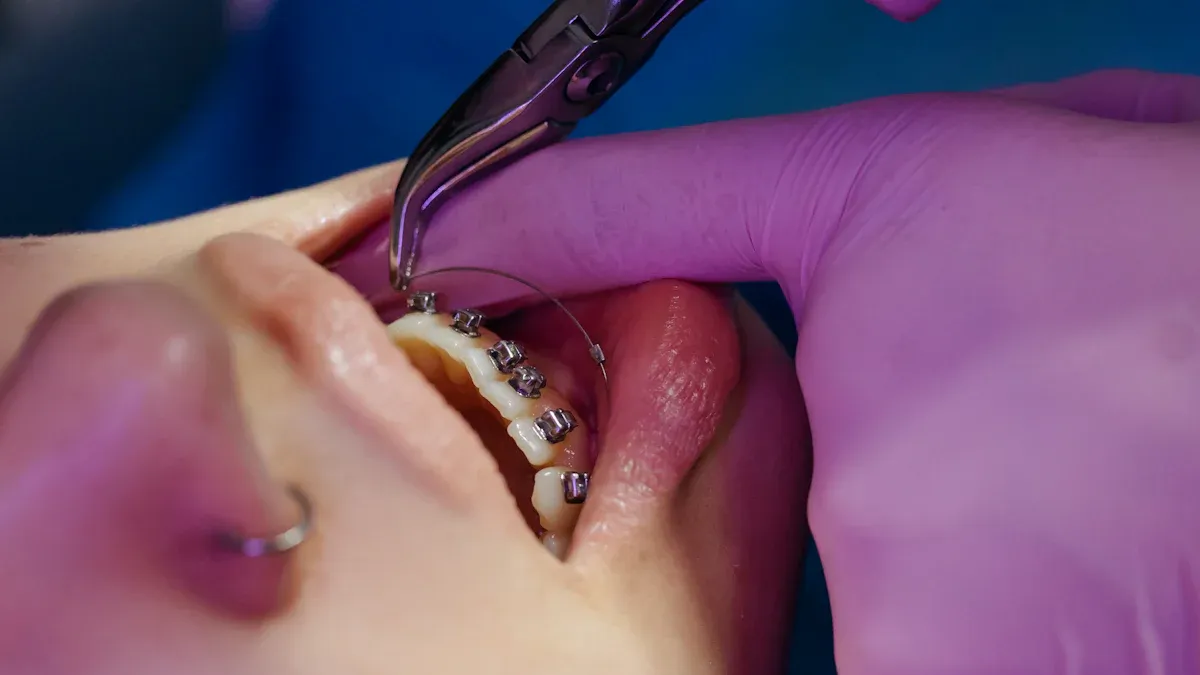
Archwires serve as a critical component in orthodontics, playing a vital role in the alignment and movement of teeth. These wires apply the necessary forces to shift teeth into their desired positions, significantly impacting treatment success. The choice of orthodontic archwire materials, such as nickel-titanium (NiTi) vs stainless steel wires, can affect the efficiency of tooth movement and patient comfort. Furthermore, understanding beta titanium archwire uses can enhance treatment options. Additionally, archwires play a crucial role in treatment planning as they help orthodontists design effective strategies tailored to individual needs, taking into account factors like friction in orthodontic treatment and archwire force comparison when choosing orthodontic archwires.
Key Takeaways
- Archwires are essential for tooth movement in orthodontics. Choosing the right material can significantly impact treatment success.
- Nickel-titanium archwires provide gentle forces and enhance patient comfort, making them ideal for initial treatment phases.
- Stainless steel archwires are strong and cost-effective, suitable for demanding orthodontic applications.
- Ceramic archwires offer aesthetic benefits but may require more maintenance due to their fragility.
- Consulting with an orthodontist is crucial for selecting the best archwire material tailored to individual needs.
Types of Orthodontic Archwire Materials
Stainless Steel
Stainless steel archwires are among the most commonly used materials in orthodontics. Their high tensile strength and yield strength make them ideal for demanding orthodontic treatments. These wires can withstand significant forces without deforming, which is crucial for effective tooth movement. The cost-effectiveness of stainless steel also contributes to its popularity, making it a reliable choice for many orthodontic practices.
Key Benefits of Stainless Steel:
- Exceptional mechanical properties
- Cost-effective solution for orthodontic treatments
- Suitable for high-stress applications
Recent studies highlight that stainless steel archwires exhibit superior mechanical performance compared to other materials. This reinforces their preference in various orthodontic scenarios, particularly when robust force application is necessary.
Nickel-Titanium
Nickel-titanium (NiTi) archwires have gained prominence due to their unique properties, including a shape memory effect (SME) and superelasticity. These characteristics allow NiTi wires to return to their original shape after deformation, providing continuous forces that facilitate tooth movement. This makes them particularly effective during the initial phases of treatment.
- Advantages of Nickel-Titanium:
- Shape memory effect allows for consistent force delivery
- Superelasticity enhances patient comfort
- Reduced need for frequent wire changes
A systematic review indicates that NiTi is the most frequently utilized material for orthodontic archwires worldwide. Its ability to deliver gentle and continuous forces contributes to higher tooth movement efficiency and lower discomfort levels for patients. In fact, studies show that NiTi archwires have a mean discomfort score of 3.2, compared to 4.5 for stainless steel, highlighting their patient-friendly nature.
Beta-Titanium
Beta-titanium archwires offer a unique balance between the rigidity of stainless steel and the flexibility of nickel-titanium. These wires are known for their superelasticity and biocompatibility, making them versatile for various orthodontic cases. They deliver gentle and consistent forces, which are crucial for maintaining controlled tooth alignment during treatment.
Clinical Scenarios for Beta-Titanium:
- Controlled and gradual tooth movement
- Complex orthodontic corrections
- Situations requiring lower rates of tooth movement
Beta-titanium archwires are particularly effective in scenarios where controlled tooth movement is essential. Their intermediate stiffness allows for lighter, more physiologic forces, minimizing the risk of root resorption. This makes them a preferred choice for orthodontists aiming for optimal patient outcomes.
Summary
In summary, the choice of orthodontic archwire materials significantly influences treatment outcomes. Stainless steel, nickel-titanium, and beta-titanium each offer distinct advantages that cater to different orthodontic needs. Understanding these materials helps orthodontists tailor their treatment plans effectively.
Ceramic
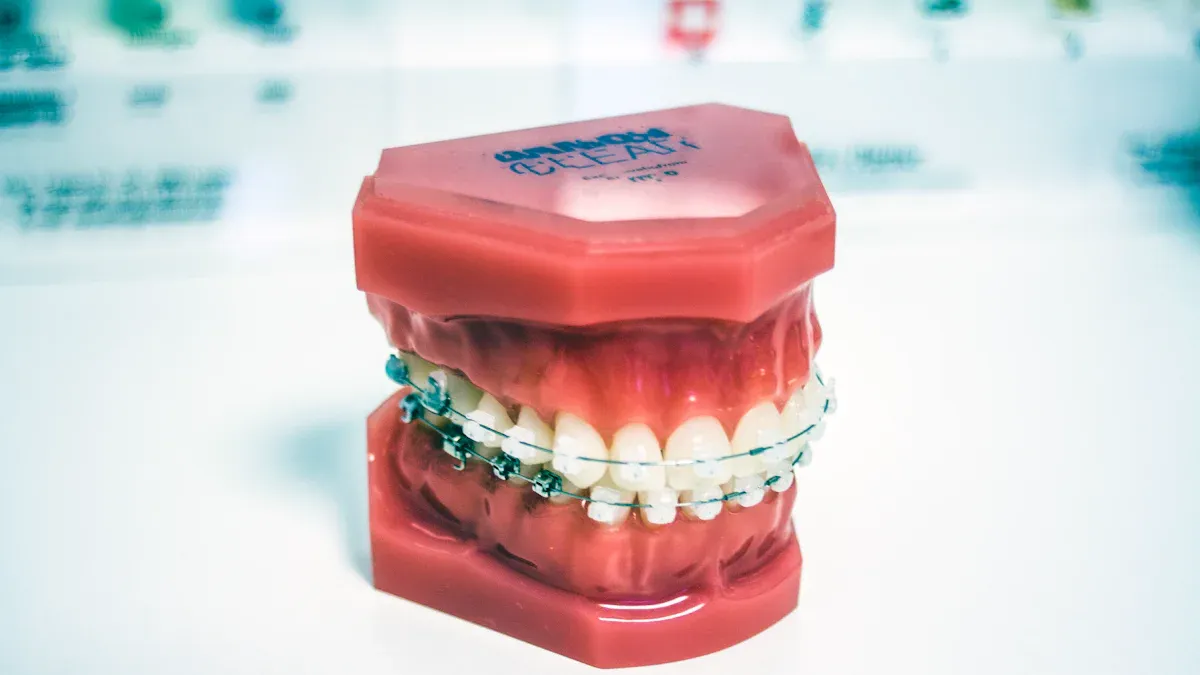
Ceramic archwires have become increasingly popular in orthodontics due to their aesthetic appeal. These wires are designed to blend with the natural color of teeth, making them less noticeable than traditional metal options. Patients often prefer ceramic archwires for their discreet appearance, especially adults who may feel self-conscious about wearing braces.
Key Benefits of Ceramic Archwires:
- Less visible, blending with the natural color of teeth
- Smooth edges enhance comfort during wear
- Suitable for patients with metal allergies
However, ceramic archwires do come with some limitations. They are more prone to staining and may be less durable than their metal counterparts. This fragility can lead to potential bracket fractures, which may require additional maintenance.
| Feature | Ceramic Archwires | Metal Archwires |
|---|---|---|
| Visibility | Less visible, blends with teeth color | More visible |
| Staining | More prone to staining | Less likely to stain |
| Durability | Potentially fragile, requires maintenance | Generally stronger and more durable |
| Aesthetic Appeal | Popular for aesthetic concerns | Less aesthetic appeal |
In terms of treatment duration and outcomes, ceramic archwires can provide similar results to metal archwires. However, they may introduce increased friction, which can affect tooth movement. Despite this, studies indicate that the effectiveness in achieving alignment and occlusion remains comparable between the two types.
| Feature | Ceramic Braces | Metal Braces |
|---|---|---|
| Aesthetic Appeal | Tooth-colored, less noticeable | Traditional, more visible |
| Durability | Less durable, potential for bracket fracture | Highly durable, reliable |
| Treatment Duration | Similar to metal braces, but may vary | Generally efficient for complex cases |
| Effectiveness | Similar outcomes in alignment and occlusion | Similar outcomes in alignment and occlusion |
| Friction | Increased friction may affect movement | Efficient force delivery and control |
| Patient Preference | Preferred by adults for aesthetics | Widely used, suitable for various cases |
Other Materials (e.g., composite, gold)
In addition to ceramic and metal archwires, orthodontists may also consider other materials such as composites and gold. Composite archwires offer a balance between aesthetics and strength. They are less visible than metal but may not provide the same level of durability. Gold archwires, while more expensive, are known for their biocompatibility and resistance to corrosion. They can be an excellent choice for patients with sensitivities to nickel.
Considerations for Other Materials:
- Composite archwires provide a good aesthetic option but may lack durability.
- Gold archwires are biocompatible and resistant to corrosion, making them suitable for sensitive patients.
Overall, the choice of orthodontic archwire materials significantly impacts treatment outcomes. Each material has its unique advantages and limitations, and orthodontists must consider these factors when developing treatment plans tailored to individual patient needs.
Benefits of Different Archwire Materials
Strength and Durability
The strength and durability of orthodontic archwire materials significantly influence treatment outcomes. Stainless steel archwires are known for their exceptional mechanical properties. They withstand considerable forces without deforming, making them ideal for demanding orthodontic applications. However, a reduction in chromium content can weaken the metal’s strength and corrosion resistance. Research indicates that chromium leaching from stainless steel wires can lead to increased susceptibility to rust and breakage. This deterioration can compromise the archwire’s effectiveness over time.
Key Insight: The breakdown of the chromium passivating layer is a primary cause of corrosion in stainless steel archwires.
Flexibility and Memory
Nickel-titanium (NiTi) archwires exhibit remarkable flexibility and memory properties. Their superelastic characteristics allow them to exert consistent pressure on teeth, enhancing alignment and leveling during treatment. This flexibility enables orthodontists to apply gentle forces, which can improve patient comfort. A study highlighted that coaxial superelastic NiTi archwires showed greater tooth movement over 12 weeks compared to single-strand variants. This demonstrates the clinical advantages of using flexible archwires in early orthodontic stages.
| Evidence Type | Description |
|---|---|
| Superelastic Properties | Nickel-titanium archwires provide consistent pressure on teeth, enhancing alignment and leveling during treatment. |
| Force Adjustment | The forces exerted by these archwires can be increased by retying, improving their clinical utility. |
Aesthetic Considerations
Aesthetic considerations play a crucial role in archwire selection, especially among adult patients. Many individuals prefer less visible options, such as ceramic archwires, which blend with the natural color of teeth. Research shows that over 45% of adult patients opt for tooth-colored archwires to enhance their visual appeal during treatment. Evaluators rated epoxy resin-coated archwires as the most aesthetic, while NiTi archwires received lower aesthetic ratings. This preference underscores the importance of aesthetics in orthodontic treatment planning.
Patient Preference: Aesthetic archwires significantly improve the visual aspect of ceramic brackets, making them a popular choice among patients.
Biocompatibility
Biocompatibility is a crucial factor in the selection of orthodontic archwire materials. It refers to how well a material interacts with biological systems without causing adverse reactions. Nickel-titanium (NiTi) archwires, while popular for their unique properties, raise specific biocompatibility concerns.
One significant issue is the potential release of nickel ions. This can occur when the passive film on the wire is damaged, leading to hypersensitivity in some patients. Research indicates that a notable percentage of the population, particularly females, exhibit allergic reactions to nickel. These reactions can manifest as local hypersensitivity, gingival hyperplasia, or inflammation in the oral cavity.
| Concern | Description |
|---|---|
| Nickel Ion Release | Leakage of nickel ions can occur after the passive film is damaged, leading to hypersensitivity in some patients. |
| Allergic Reactions | Nickel is a known allergen, with a significant percentage of the population exhibiting hypersensitivity, particularly in females. |
| Oral Complications | Nickel release may cause local hypersensitivity reactions, including gingival hyperplasia and inflammation in the oral cavity. |
The debate surrounding the biocompatibility of NiTi alloys continues due to these concerns. Symptoms from nickel release can include burning sensations and inflammation in the mouth. Factors such as stress state and the type of body fluid the alloy contacts can influence the extent of nickel ion release.
To mitigate allergic reactions, orthodontists often recommend nickel-free or low nickel content materials. Options such as titanium or ceramic brackets, along with titanium-molybdenum alloy wires, serve as suitable alternatives for patients with known sensitivities. Regular follow-ups are essential to monitor hypersensitivity reactions in orthodontic patients. Management strategies may include topical corticosteroids for mild symptoms and systemic corticosteroids or antihistamines for more severe reactions.
Specific Uses of Archwires in Orthodontics
Initial Alignment
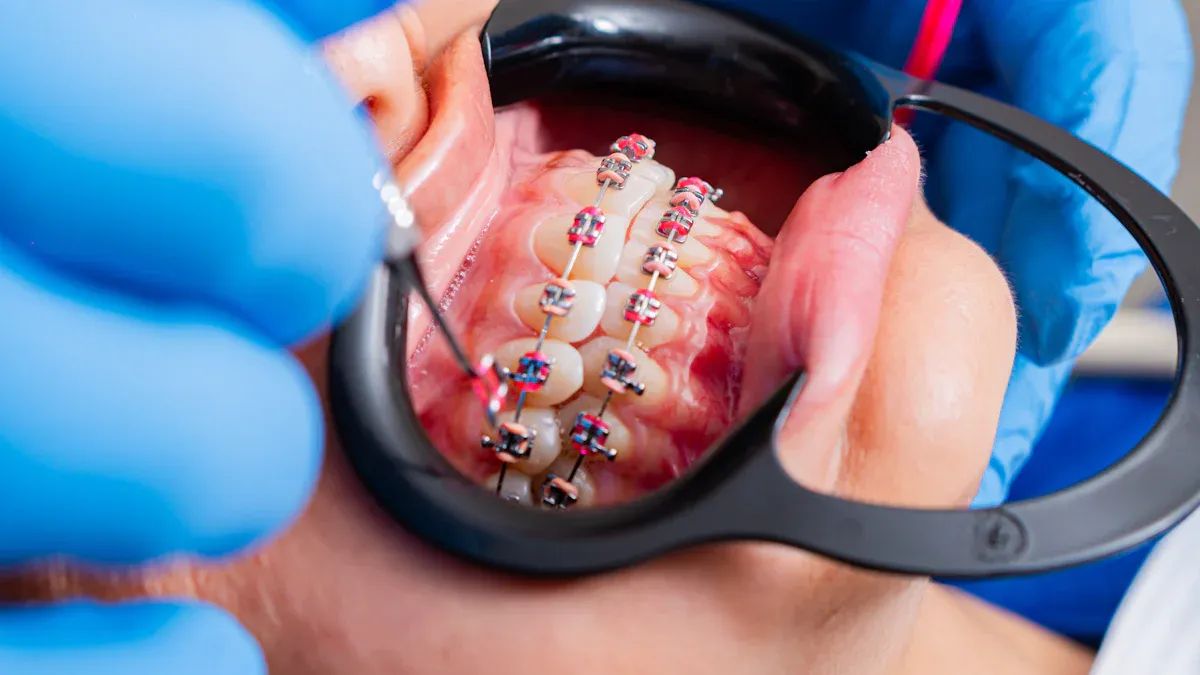
Archwires play a crucial role in the initial alignment of teeth. Orthodontists often prefer using coaxial superelastic nickel-titanium (NiTi) archwires during this phase. These wires provide consistent forces that facilitate effective tooth movement. Research indicates that coaxial superelastic NiTi archwires result in greater tooth movement over 12 weeks compared to single-strand variants. Additionally, a clinical trial found no significant difference in alignment efficiency among different NiTi wires, reinforcing their effectiveness for initial alignment.
Key Findings:
- The preformed NiTi superelastic archwire is a popular choice for initial alignment.
- Studies show no significant difference in alignment between Nitinol and Titanol archwires.
Space Closure
Space closure is another critical application of archwires in orthodontics. A study revealed that stainless steel archwires do not require frequent replacement during space closure. The research showed no significant difference in the rate of tooth movement between non-replacement and replacement archwire sides after three months. This finding suggests that changing archwires may not be necessary for efficient space closure.
When comparing closed-coil springs and elastomeric chains, closed-coil springs resulted in a faster rate of space closure, averaging 0.5 mm more movement over a 12-week period. However, they posed challenges in terms of patient comfort and cleanliness.
Retraction
Retraction is essential for achieving optimal tooth positioning. The friction at the bracket-wire interface significantly impacts the efficiency of tooth movement. Stainless steel archwires are recognized for their low friction, making them the gold standard for retraction. A pilot study comparing maxillary canine retraction using GUMMETAL® and stainless steel archwires found no significant differences in retraction efficiency. This suggests that GUMMETAL® may serve as a viable alternative for effective retraction.
Considerations for Retraction:
- Low friction in stainless steel archwires enhances retraction efficiency.
- GUMMETAL® archwires exhibit comparable frictional properties, indicating potential for effective use.
Finishing and Detailing
Finishing and detailing represent the final stages of orthodontic treatment, where precision becomes paramount. During this phase, orthodontists utilize thicker and more resistant archwires to refine tooth positions and enhance aesthetic outcomes. These archwires allow for precise adjustments, enabling orthodontists to make minor movements that contribute to a well-aligned smile and functional bite.
Key Benefits of Finishing Archwires:
- Enhanced Control: Thicker archwires provide better control over tooth movements.
- Aesthetic Improvements: They help achieve a highly aesthetic smile by allowing for fine-tuning of tooth positions.
- Functional Adjustments: These archwires ensure that the bite aligns correctly, promoting better oral function.
Orthodontists often apply specific bends in the archwires during this stage. These bends facilitate targeted movements, allowing for adjustments that may not have been possible with earlier, more flexible wires. The ability to manipulate archwires in this manner is crucial for achieving optimal results.
| Feature | Finishing Archwires | Initial Archwires |
|---|---|---|
| Thickness | Thicker for enhanced control | Thinner for initial alignment |
| Movement Precision | Allows for precise adjustments | Focuses on broader movements |
| Aesthetic Focus | Prioritizes aesthetic outcomes | Primarily addresses alignment |
Research indicates that the use of thicker archwires during the finishing stage significantly contributes to achieving a highly aesthetic smile and functional bite. This approach allows orthodontists to make the necessary adjustments that lead to a successful treatment outcome. By focusing on the details, orthodontists ensure that patients leave with not only straight teeth but also a confident smile.
How Archwire Selection Affects Treatment Outcomes
Treatment Efficiency
The selection of archwires plays a pivotal role in determining the efficiency of orthodontic treatment. Different archwire materials, shapes, and sizes influence the force applied to teeth, directly affecting their movement and alignment. For instance, heat-activated nickel-titanium (NiTi) archwires provide consistent forces, which can enhance tooth movement during treatment. However, a randomized clinical trial indicated that these advanced archwires did not outperform less expensive multistrand stainless steel wires. This finding suggests that while mechanical properties are important, they may not significantly enhance treatment efficiency in routine clinical settings.
Moreover, research comparing 0.018-inch lingual brackets with conventional brackets revealed that the force levels from 0.013-inch CuNiTi in lingual systems were 20–40% higher. This indicates that the choice of archwire and bracket system can significantly affect the force applied, which in turn influences the efficiency of tooth movement. Therefore, orthodontists must carefully consider archwire selection to optimize treatment outcomes.
Patient Comfort
Patient comfort is another critical aspect influenced by archwire selection. Different materials exhibit varying levels of comfort during treatment. A comparative analysis of archwire materials shows that nickel-titanium archwires generally result in lower pain levels due to their superelasticity. This property allows them to exert gentle, continuous forces on teeth, minimizing discomfort after initial adjustments.
| Archwire Material | Comfort Level | Pain Experienced |
|---|---|---|
| Nickel-Titanium | Generally lower pain due to superelasticity | Less pain after initial adjustment |
| Stainless Steel | Comparable comfort but may cause more initial discomfort | No significant difference in pain |
| Copper-Nickel-Titanium | Stable and good for long use | Similar pain levels to other types |
In contrast, stainless steel archwires may cause more initial discomfort, although they do not show significant differences in pain levels over time. The choice of archwire can thus impact the overall experience of patients during orthodontic treatment.
Aesthetic Results
Aesthetic considerations are increasingly important in orthodontics, especially among adult patients. Many individuals prefer less visible options, such as ceramic or coated archwires, to avoid the appearance of traditional metal braces. Research indicates that 62% of individuals are unwilling to use visible appliances due to dissatisfaction with metallic smiles.
| Aspect | Details |
|---|---|
| Patient Concerns | 62% of individuals are not willing to use visible appliances due to dissatisfaction with metallic smiles. |
| Coating Materials | Coated wires are made of NiTi stainless steel and enveloped with epoxy resin Teflon material. |
| Aesthetic Benefits | Esthetic archwires improve visual appearance and reduce plaque accumulation. |
| Performance | Coated wires exhibit lower force compared to uncoated wires, affecting friction and aesthetics. |
| Surface Roughness Impact | Increased surface roughness leads to higher plaque accumulation, affecting overall aesthetics. |
| Friction and Tooth Movement | Lower friction enhances sliding movement, resulting in better tooth movement efficiency. |
Aesthetic archwires not only improve visual appeal but also contribute to better oral hygiene by reducing plaque accumulation. However, it is essential to note that coated wires may exhibit lower force compared to uncoated wires, which can affect both friction and aesthetics. Thus, orthodontists must balance aesthetic preferences with functional requirements when selecting archwires.
Long-term Stability
Long-term stability in orthodontic treatment is crucial for maintaining the results achieved after braces are removed. The choice of archwire material significantly influences this stability. Different materials exhibit varying properties that can affect how well teeth remain in their new positions over time.
- Material Properties: The performance of orthodontic archwires is significantly affected by their material properties, surface modifications, and environmental conditions. For instance, stainless steel archwires typically have low friction due to their smooth surfaces. This characteristic allows for efficient tooth movement and helps maintain alignment after treatment. In contrast, nickel-titanium wires exhibit higher friction due to surface roughness. This increased friction can lead to more resistance during tooth movement, potentially impacting long-term stability.
- Environmental Factors: Environmental conditions also play a role in the longevity of archwire performance. Factors such as saliva, pH variations, and fluoride exposure can degrade archwire surfaces. These changes can affect the efficiency of tooth movement and the overall stability of the orthodontic results. Regular dental check-ups can help monitor these factors and ensure that the archwires remain effective throughout the treatment process.
- Clinical Implications: Orthodontists must consider these factors when selecting archwire materials. The right choice can enhance treatment efficiency and contribute to better long-term outcomes. For example, using stainless steel archwires may provide a more stable result due to their durability and low friction properties. Conversely, while nickel-titanium archwires offer advantages during initial alignment, their higher friction may necessitate careful monitoring to ensure long-term stability.
Archwires play a vital role in orthodontic treatment. They directly influence tooth movement and alignment, making their selection crucial for successful outcomes. The choice of material significantly affects treatment efficiency, patient comfort, and aesthetic results.
Consulting with orthodontic professionals is essential. Their expertise ensures informed decisions regarding archwire selection, which varies among practitioners. This variability highlights the importance of professional guidance for optimal treatment results.
Patients should engage with their orthodontists to explore the best archwire options tailored to their specific needs.
FAQ
What are archwires made of?
Archwires can be made from various materials, including stainless steel, nickel-titanium, beta-titanium, ceramic, and composite materials. Each material offers unique properties that affect treatment outcomes.
How do archwires affect patient comfort?
Archwires influence patient comfort through their material properties. Nickel-titanium archwires provide gentle, continuous forces, resulting in less discomfort compared to stainless steel options, especially after adjustments.
How often should archwires be changed?
Orthodontists typically change archwires every 4 to 8 weeks, depending on the treatment plan and the patient’s progress. Regular adjustments help ensure effective tooth movement and alignment.
Can archwires cause allergic reactions?
Some patients may experience allergic reactions to nickel in certain archwires. Orthodontists can recommend nickel-free alternatives, such as titanium or ceramic archwires, for those with sensitivities.
What role do archwires play in treatment planning?
Archwires are essential in treatment planning as they determine the forces applied to teeth. Orthodontists select specific archwires based on individual patient needs to achieve optimal alignment and movement.
Post time: Jan-28-2026