
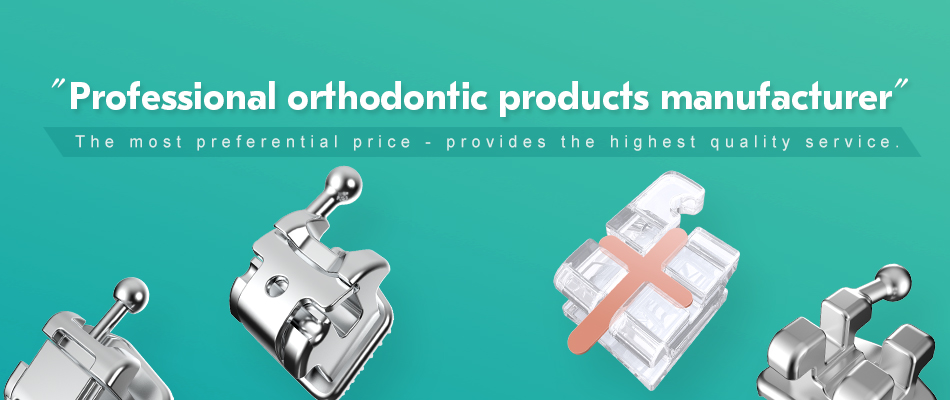

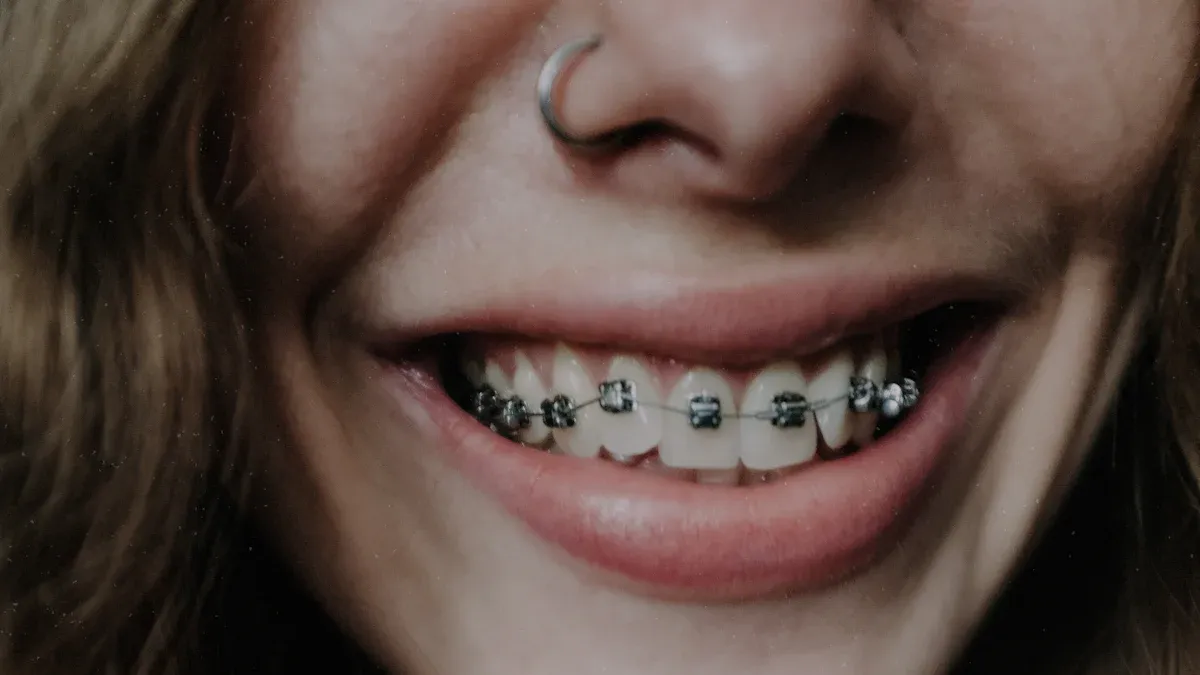
Choosing the right metal orthodontic brackets is a crucial decision. Orthodontists often select these brackets for their proven reliability and effectiveness, even in complex cases. They provide precise control over tooth movement. When evaluating manufacturers, prioritize those with robust quality certifications. Verify their track record and industry reputation, for example, from a company like Ningbo Denrotary Medical Apparatus. Assess their technological capabilities, particularly for self-ligating metal orthodontic brackets. Evaluate their supply chain transparency and ethical practices, considering aspects like “What materials are used for orthodontic brackets?“. Finally, demand comprehensive after-sales support and clear communication. This approach helps in understanding “How to Evaluate the Quality of Orthodontic Brackets” and other Orthodontic Brackets related cases concerns.
Key Takeaways
- Check for quality certifications like ISO 27020:2019. These show the brackets meet strict safety and performance rules.
- Look into the manufacturer’s history and reputation. A company with a long, good track record is often more reliable.
- See if the manufacturer uses new technology. This is important for advanced brackets like self-ligating ones.
- Understand where the materials come from. Good companies are open about their supply chain and fair labor practices.
- Make sure the company offers good support after you buy their products. This includes clear warranties and help with using the brackets.
Prioritize Quality Certifications for Metal Orthodontic Brackets
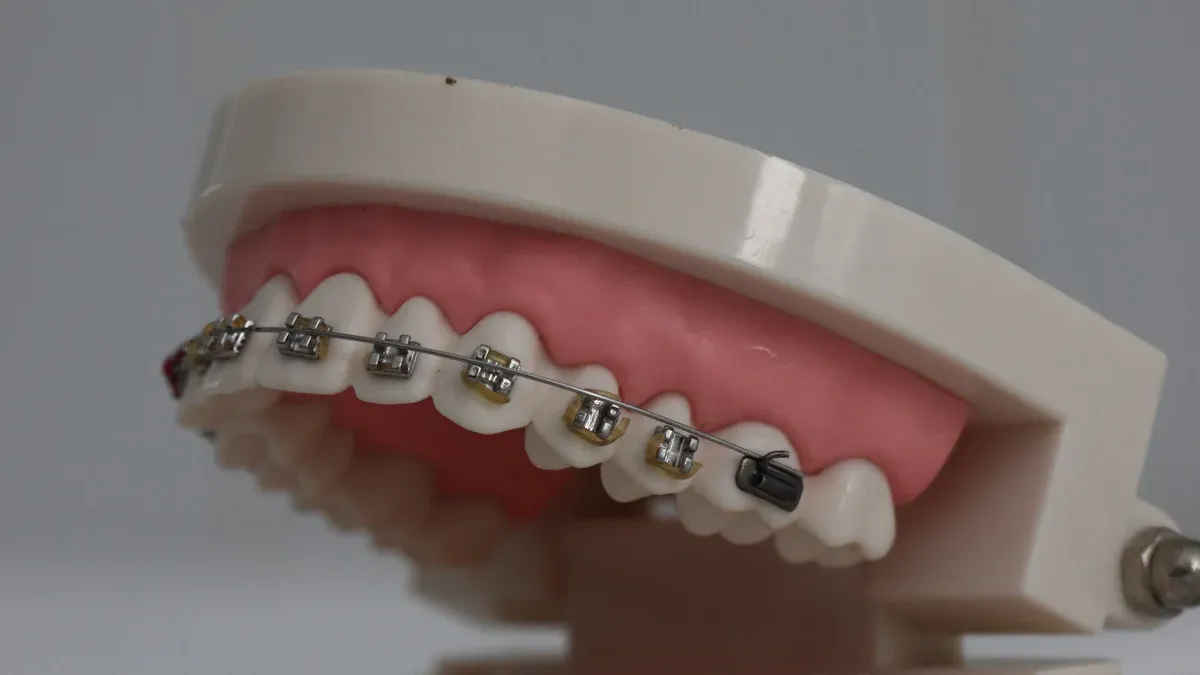
When selecting a manufacturer for orthodontic supplies, checking their quality certifications is a critical first step. These certifications confirm that a company meets strict industry standards. They provide assurance about the safety and effectiveness of the products you receive.
Understanding International Standards for Brackets
Manufacturers of quality orthodontic products adhere to specific international standards. For instance, ISO 27020:2019 stands as a key international standard for orthodontic brackets and tubes. The European Committee for Normalization approved this standard, making it a reference norm in the European Union. It specifies dimensional tolerance limits, defining the maximum allowable difference between declared and actual dimensions. Adherence to these standards is crucial for the accuracy and performance of these precision medical devices.
Other important standards ensure product safety and efficacy:
| Standard | Significance for Safety and Efficacy |
|---|---|
| ANSI/ADA Standard No. 100 | Ensures products meet stringent quality benchmarks. It outlines requirements for functional dimensions, chemical ion release, packaging, and test methods. This guarantees safety, durability, and effectiveness. |
| ISO 27020:2019 (adopted as ANSI/ADA Standard No. 100) | This globally recognized guideline emphasizes biocompatibility, corrosion resistance, and mechanical strength. It ensures reliable performance in the oral environment. |
Beyond product-specific standards, ISO 13485:2016 is an international standard for medical device Quality Management Systems. This certification ensures manufacturers consistently deliver safe and effective devices. It provides a strong foundation for compliance with various international regulations, including EU CE marking and FDA QSR.
Verifying Authenticity of Certifications
Simply seeing a certification logo is not enough. You must verify its authenticity. Here are some ways to do that:
- Check the product packaging for the ISO number (e.g., ISO 13485) and the CE mark.
- Request official certificates directly from the manufacturer. Reputable brands readily provide these documents.
- Visit the manufacturer’s official website to cross-verify the information.
- Be aware of correct terminology; the proper expression is ‘CE-marked,’ not ‘CE-approved.’
- Consult the EUDAMED Database to verify the product’s registration and compliance status.
- Request the Declaration of Conformity from the manufacturer. This document confirms the product meets all applicable regulatory requirements.
Beyond Basic Compliance for Metal Brackets
While meeting basic compliance is essential, top manufacturers often go further. They invest in continuous improvement and research. They aim to exceed minimum requirements, ensuring their metal orthodontic brackets offer superior performance and patient comfort. Look for companies that demonstrate a commitment to innovation and advanced manufacturing processes. This dedication often translates into more reliable and effective orthodontic solutions.
Verify Track Record and Reputation for Orthodontic Metal Brackets
Choosing a manufacturer for your orthodontic supplies goes beyond just checking certifications. You also need to look at their history and how others perceive them. A strong track record often means a reliable partner.
Researching Manufacturer History
A company’s history tells you a lot about its reliability. Look for manufacturers with a long-standing presence in the market. Their longevity and stability show they have adapted to changing standards and consistently delivered quality products. A financially stable company can also invest in advanced technologies and robust supply chains. This ensures they can keep up with demand and innovation. For example, Denrotary Medical has dedicated itself to orthodontic products since 2012, showing a consistent commitment to the field.
Seeking Peer Recommendations for Brackets
Other orthodontists are a great source of information. Ask your colleagues for their experiences with different manufacturers. Positive and verified customer feedback often highlights product durability, precision, and patient satisfaction. Excellent customer service is also crucial. Conversely, recurring negative feedback or a lack of transparency are clear red flags. Also, look for industry recognition. Awards and certifications from prestigious organizations validate a supplier’s commitment to high standards. Partnerships with dental organizations like the American Association of Orthodontists (AAO) or the European Orthodontic Society (EOS) also show a company aligns with industry standards and actively helps advance orthodontic care.
Analyzing Online Presence and Reviews
In today’s digital world, a manufacturer’s online presence offers valuable insights. Check their website for information on their quality assurance processes. Rigorous testing protocols, often involving accredited third-party laboratories, ensure product reliability and safety. These tests cover mechanical stress, corrosion, and wear. Also, look for comprehensive documentation standards. This includes records of calibration, traceability, and maintenance logs. These details ensure compliance with regulatory requirements. Read online reviews and testimonials. They can give you a broader picture of customer satisfaction and potential issues with their metal orthodontic brackets.
Assess Technological Capabilities for Self-Ligating Metal Orthodontic Brackets
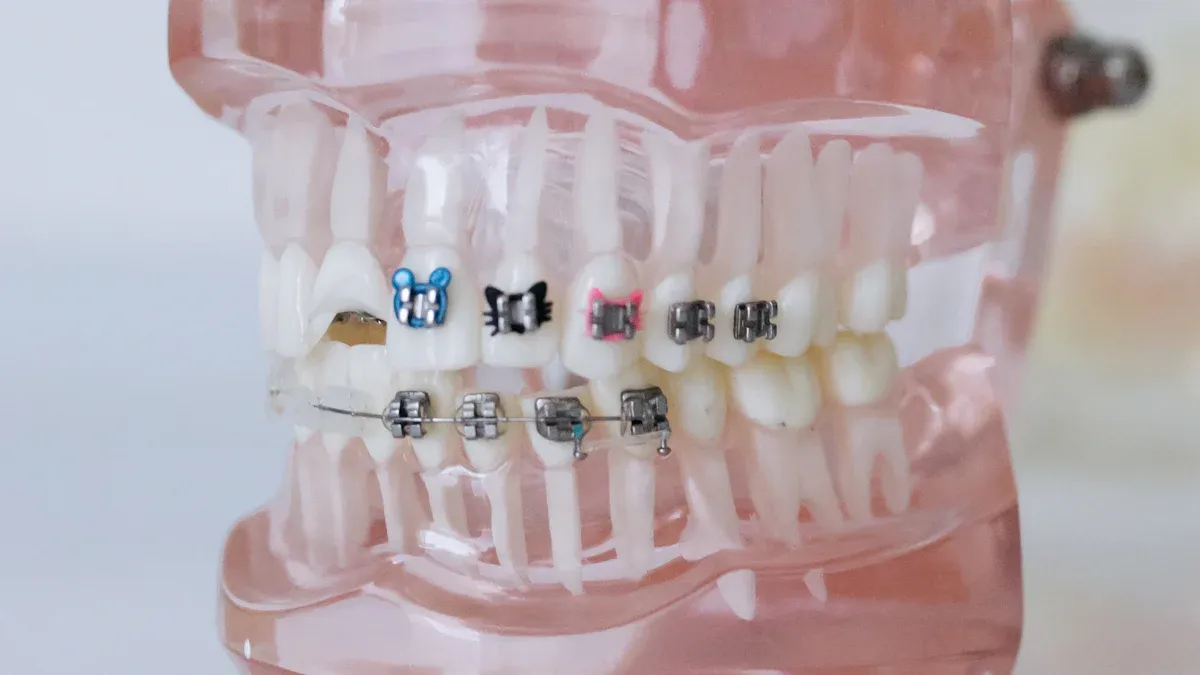
A manufacturer’s technological prowess directly impacts the quality and innovation of their products. When you choose a supplier, you look for advanced capabilities. These capabilities ensure you receive the best self-ligating metal orthodontic brackets for your patients.
Evaluating Manufacturing Processes for Brackets
The way a company makes its brackets reveals much about their quality. Modern manufacturing processes, like Metal Injection Molding (MIM), offer significant advantages. MIM allows for single-piece production with high precision. This method reduces the risk of cytotoxicity because it does not require soldering. It also prevents wing detachment from brackets during debonding. MIM offers low production costs due to minimal material waste. Furthermore, it provides corrosion resistance, making these brackets suitable for patients with nickel allergies. Look for manufacturers who invest in these advanced techniques.
Investigating R&D Investment in Brackets
Research and Development (R&D) drives innovation in orthodontics. Manufacturers who invest heavily in R&D often lead the way with new designs and materials. Self-ligating brackets, for example, represent a significant advancement. They use a sliding mechanism or clip instead of elastic bands to hold wires. This design reduces friction, allowing teeth to move more freely and potentially shortening treatment times. Patients often experience fewer adjustments and enhanced comfort due to continuous, gentle force. These brackets are typically made from durable, high-quality stainless steel. Some self-ligating brackets are active, using a spring clip to apply force, while passive ones use a sliding mechanism that secures the archwire without active force.
Understanding Product Customization Options
Personalized treatment plans often require customized products. Leading manufacturers offer various customization options for metal orthodontic brackets. They use technologies like CAD/CAM and 3D printing. CAD/CAM technology allows for custom-milled lingual and labial brackets. These brackets precisely match individual tooth anatomy. This addresses challenges like inaccurate bracket positioning and optimizes force transmission. More recently, 3D printing enables the direct fabrication of customized metal orthodontic brackets. This offers patient-specific designs and improved slot accuracy. These advancements allow for individualized care, whether fabricated in-house or through commercial systems.
Evaluate Supply Chain Transparency for Metal Orthodontic Brackets
You want to know where your products come from. A transparent supply chain shows a manufacturer’s commitment to quality and ethics. It helps you trust the products you use.
Tracing Material Sourcing for Brackets
Knowing the origin of materials is very important. A century ago, braces used precious metals like gold, platinum, and silver. Stainless steel became available in the late 1930s. It gained wider acceptance by the mid-century. Historically, gold was the best material for braces, but it was very expensive. Stainless steel offered a more affordable option in the 1930s. By the 1970s, new techniques allowed for direct bonding of brackets. The 1980s and 90s saw new alloys, including nickel titanium. Some of these advancements came from the space program. For example, Monoblock brackets often use Medical Stainless Steel. This material comes from places like Ningbo, Zhejiang Province, China. Manufacturers should clearly state where they get their raw materials.
Ensuring Fair Labor Practices
Ethical sourcing goes beyond just materials. It includes how companies treat their workers. Manufacturers should ensure ethical sourcing of raw materials. They must implement fair labor practices. This means providing safe working conditions. They also ensure equitable treatment of workers involved in raw material production. Companies should adopt robust governance frameworks. These frameworks help them adhere to international safety standards. This commitment to fair labor reflects a responsible company.
Assessing Environmental Responsibility
A good manufacturer also cares about the environment. They should show their commitment to sustainability. This includes managing waste properly. They work to reduce their carbon footprint. They use sustainable practices throughout their production process. This shows they are a responsible partner.
Demand Comprehensive After-Sales Support for Metal Orthodontic Brackets
Choosing a manufacturer involves more than just the product itself. Excellent after-sales support ensures a smooth experience. It helps you maximize the benefits of your investment.
Clarifying Warranty and Return Policies
Always understand a manufacturer’s warranty and return policies. A clear policy protects your practice. It also gives you peace of mind. Manufacturers often outline specific conditions that void a warranty. For instance, they typically do not cover:
- Misuse of the product
- Modification of the product
- Use in combination with third-party products
- Exposure to accidents or natural causes (e.g., fire, extreme temperatures)
- No warranty is provided regarding the outcome of any treatment using the product.
Always ask about these exclusions upfront. You need to know what the warranty covers and what it does not.
Evaluating Communication Channels
Effective communication is key. A good manufacturer offers multiple ways to reach them. They provide responsive customer service to quickly resolve issues. You should easily contact them for questions or concerns. Look for companies that offer phone support, email, and perhaps even online chat. Clear communication channels show a manufacturer values its customers.
Assessing Technical Support Availability
New bracket systems often require some learning. Manufacturers should offer robust technical support. This includes comprehensive training programs for proper bracket usage, bonding techniques, wire sequencing, and troubleshooting. They also provide technical support to address specific clinical challenges. For example, Ormco, a prominent manufacturer, offers “exceptional clinical education for improving patient outcomes and practice growth.” They provide “Education Pathways & Practice Marketing Resources” developed with orthodontic partners. The “Damon Ultima™ Journey” guides clinicians to maximize their system’s advantages, including a deep dive into the Damon Ultima Fundamentals. This level of support helps you use their products effectively.
Ultimately, selecting the right manufacturer for your metal orthodontic brackets involves careful consideration. Prioritize quality certifications, a strong track record, and advanced technological capabilities. Evaluate supply chain transparency and demand comprehensive after-sales support. This due diligence ensures you procure reliable self-ligating metal brackets. Building long-term partnerships based on trust and consistent quality benefits everyone.
FAQ
What do quality certifications mean for metal orthodontic brackets?
Quality certifications show a manufacturer meets strict industry standards. They confirm the brackets are safe and effective. For example, ISO 13485 ensures a quality management system for medical devices. This gives you confidence in the product.
How do self-ligating metal orthodontic brackets differ from traditional ones?
Self-ligating brackets use a built-in mechanism to hold the archwire. They do not need elastic ties. This design can reduce friction and potentially shorten treatment times. Patients often find them more comfortable.
What should I look for in a manufacturer’s after-sales support?
Look for clear warranty and return policies. The manufacturer should offer responsive customer service. They must also provide strong technical support and training. This helps you use their products effectively and resolve issues quickly.
Why is supply chain transparency important for metal orthodontic brackets?
Transparent supply chains show where materials come from. They also confirm ethical labor practices. This ensures the manufacturer uses high-quality, responsibly sourced materials. It also means they treat their workers fairly.
Does a manufacturer’s history matter when choosing brackets?
Yes, a long history often means reliability. Manufacturers with a strong track record have adapted to changes. They consistently deliver quality products. This shows their commitment to the field and their customers.
Post time: Dec-15-2025