
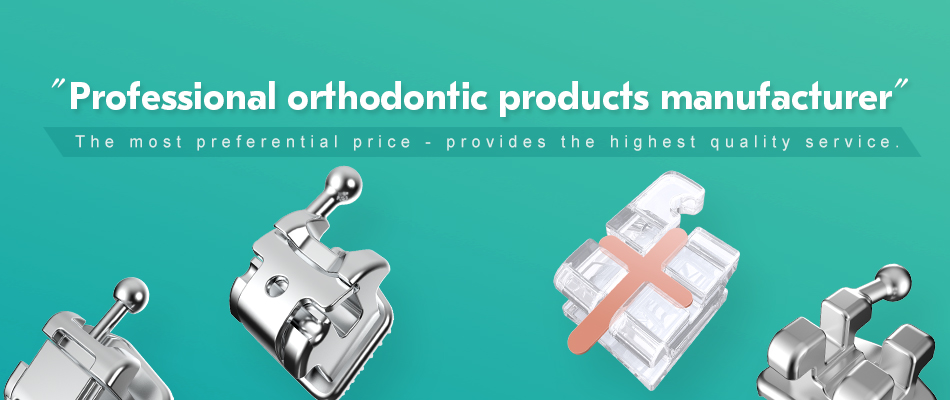

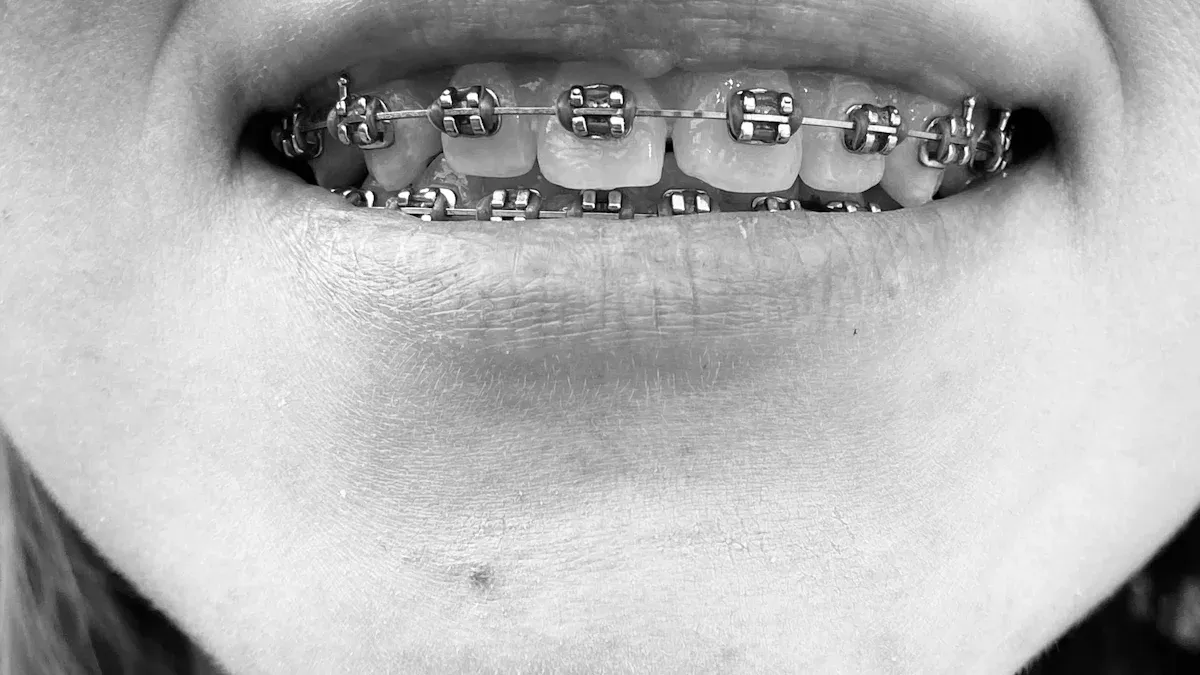
Traditional braces secure the archwire with small elastic ties. Conversely, self-ligating braces utilize a sophisticated built-in clip or door mechanism. This key distinction governs how the archwire moves through the brackets. For instance, Orthodontic Metal Auto Self-Ligating Brackets, a type of metal self-ligating brackets, embody this design. They facilitate low-friction orthodontics, which improves archwire sliding efficiency. Patients often consider the pros and cons of self-ligating brackets, alongside factors like bracket material comparison, when exploring treatment options.
Key Takeaways
- Traditional braces use elastic bands to hold the wire. Self-ligating braces use a special clip or door instead.
- Self-ligating braces may cause less pain. They can also be easier to clean than traditional braces.
- Traditional braces are often cheaper. They are also very good for fixing complex tooth problems.
- Self-ligating braces might mean fewer visits to the orthodontist. They can also make appointments shorter.
- The best choice of braces depends on your needs. Your orthodontist will help you decide.
Understanding Traditional Braces
How Traditional Braces Function
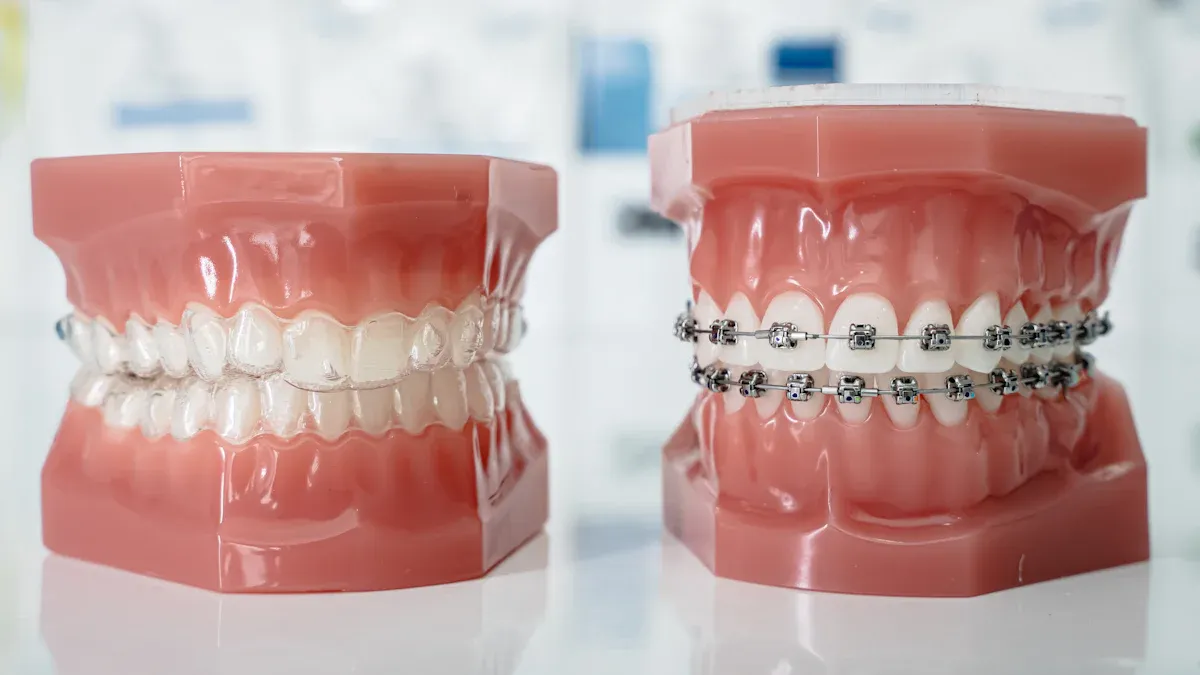
Traditional braces apply continuous, gentle pressure to teeth. This pressure gradually shifts teeth into their correct positions. The orthodontist bonds small brackets to the front surface of each tooth. An archwire then passes through these brackets. Small elastic bands, called ligatures, secure the archwire to each bracket. These ligatures hold the wire firmly, allowing it to exert the necessary force for tooth movement. Regular adjustments tighten the archwire, continuing the tooth-moving process.
Components of Traditional Braces
Traditional braces consist of several key components. Brackets are typically made from high-grade stainless steel. Some brackets also use titanium alloys for strength and biocompatibility. The archwire, a crucial element, connects all the brackets. Orthodontists use various materials for archwires. Common wire materials include stainless steel, nickel-titanium (Ni-Ti), and beta-titanium. Nickel-titanium wires offer elasticity and provide gentle, continuous force, often used in initial treatment stages. Stainless steel wires are known for their strength and adjustability, frequently used as treatment progresses. Small elastic bands or metal ties secure the archwire to each bracket.
Advantages of Traditional Braces
Traditional braces offer several significant advantages. They provide precise control over tooth movement, making them highly effective for various orthodontic issues. Traditional braces demonstrate a remarkable success rate of 88-90% in malocclusion treatment. This figure is comparable to other orthodontic solutions. They are often the preferred choice for complex orthodontic cases. These cases include severe crowding, significant bite discrepancies, and teeth requiring vertical movement. Traditional braces also effectively address impacted teeth needing to be brought into the arch and severe rotations of cylindrical teeth. The average treatment duration for traditional braces typically ranges from 12 to 24 months. However, some individuals may require treatment for up to three years, depending on their specific orthodontic needs.
Disadvantages of Traditional Braces
Traditional braces present several disadvantages for patients. Many individuals experience significant discomfort. They often report sensitive teeth. This sensitivity results from the pulling sensation of metal brackets and wires. Patients also notice sensitivity to tactile sensations and temperature changes. Wires and brackets can poke cheeks, causing soft tissue damage, swelling, and inflammation. This irritation frequently leads to sores on the inside of the cheek. Some individuals develop chapped lips due to appliance irritation. Jaw pain and discomfort are also common as teeth move. In severe cases, this can lead to lockjaw, teeth grinding, or temporomandibular joint (TMJ) disorder.
Maintaining oral hygiene also presents challenges with traditional braces. The many small spaces of the appliance trap food particles. This makes thorough cleaning difficult. Enamel demineralization can occur when enamel wears away, often due to sugar. This potentially leads to cavities and visible stains. Gingivitis is more likely with metal braces, causing red and sensitive gum tissue. Difficulty cleaning the gum line can lead to gum recession and increased tooth sensitivity. Food trapping often causes bad breath. Tartar forms when plaque hardens on tooth surfaces.
Furthermore, traditional braces require careful maintenance. Broken or loose wires can occur. Biting hard objects often causes this. Such incidents lead to treatment delays. These issues necessitate additional orthodontic visits for repairs. This adds to the overall treatment duration and inconvenience.
Exploring Self-Ligating Braces
How Self-Ligating Braces Function
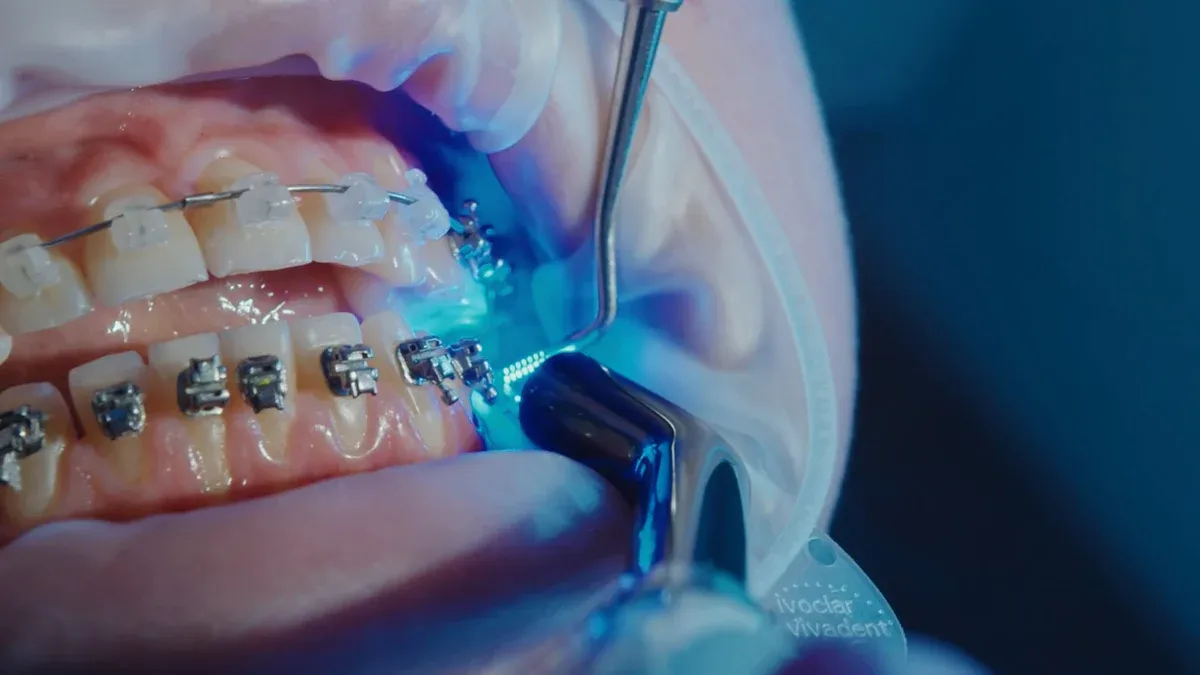
Self-ligating braces operate differently from traditional braces. They do not use elastic ties to hold the archwire. Instead, these braces feature a specialized clip or a built-in door mechanism. This mechanism secures the archwire within the bracket. This design significantly reduces friction between the bracket and the wire. Traditional braces use tight elastic ties, which create increased friction and can slow tooth movement. Self-ligating braces allow the archwire to slide more freely. This often results in faster tooth movement and can require lighter forces. The reduced friction also contributes to greater patient comfort throughout the treatment process.
Types of Self-Ligating Brackets
Orthodontists use two main types of self-ligating brackets: active and passive. Active self-ligating systems, such as Speed and In-Ovation, utilize a ligation clip. This clip actively exerts pressure on the archwire. This direct engagement provides precise control for complex movements, including torque and rotations. In contrast, passive self-ligation designs, like Damon and SmartClip, employ a closing mechanism. This mechanism transforms the open slot into a tube. It holds the wire loosely without exerting active pressure. Passive systems minimize friction, allowing for gentle, natural tooth movement. They are often more comfortable, especially during the initial stages of treatment.
Advantages of Self-Ligating Braces
Self-ligating braces offer several advantages. The primary benefit is the reduced friction. This can lead to more efficient tooth movement. Many patients report less discomfort with self-ligating brackets. Research published in the European Journal of Orthodontics indicated that patients experienced less discomfort. They attributed this to reduced friction and fewer adjustments. Many patients also reported feeling less pain during the initial stages of treatment. However, some studies, like one comparing conventional and self-ligating brackets in Class I patients, found no significant difference in overall discomfort or pain. This suggests that individual experiences can vary.
Disadvantages of Self-Ligating Braces
Self-ligating braces offer many benefits. However, they also present certain disadvantages. Patients should consider these drawbacks before choosing this treatment option. One significant concern involves the initial cost. A study comparing self-ligating and conventional brackets in adolescents noted that self-ligating brackets were more expensive. This cost difference represents a critical factor for patients. They must consider this financial aspect when selecting an orthodontic bracket type. The higher upfront investment can make self-ligating braces less accessible for some individuals.
Furthermore, some orthodontists argue that the clinical advantages of self-ligating systems are not always substantial. While these braces promise reduced friction and faster treatment, scientific literature sometimes shows conflicting results. Some studies indicate no significant difference in overall treatment time or pain levels compared to traditional braces. This suggests that the perceived benefits might not always translate into a universally superior outcome for every patient.
The design of self-ligating brackets can also pose challenges. The small door or clip mechanism, while innovative, can sometimes malfunction. These mechanisms may break or become difficult to open during adjustments. Such issues can prolong appointment times or necessitate additional visits for repairs. This adds inconvenience for both the patient and the orthodontist. The specialized design also means that replacement parts might be less readily available or more expensive than components for traditional braces. Patients must weigh these potential complications against the advertised benefits.
Key Differences in Mechanism and Comfort
Ligation Method: Elastics vs. Clips
The fundamental difference between traditional and self-ligating braces lies in their ligation method. Traditional braces employ elastic ligatures or small metal ties. These components secure the archwire within the bracket slot. This method is known as passive ligation. Self-ligating braces, conversely, feature a built-in mechanism. This mechanism is often a spring clip or a door. It actively holds the archwire. This design is called active ligation. The table below highlights key distinctions between these two approaches:
| Feature | Elastic Ligatures | Self-Ligating Clips |
|---|---|---|
| Mechanism | Passive ligation, where the archwire is tied into the bracket slot using elastic ligatures or stainless steel ligatures. | Active ligation, where a spring clip or door is built into the bracket to hold the archwire. |
| Force Transmission | The elastic ligature creates friction between the archwire and the bracket slot, which can impede tooth movement and require higher forces to overcome. The force is transmitted indirectly through the ligature. | The self-ligating clip directly engages the archwire, allowing for more efficient force transmission and reduced friction. The force is transmitted directly to the tooth. |
| Friction | Higher friction due to the elastic ligature compressing the archwire against the bracket slot. This can lead to slower tooth movement and increased treatment time. | Lower friction due to the clip allowing the archwire to slide more freely within the bracket slot. This can lead to faster tooth movement and reduced treatment time. |
| Force Control | Less precise force control due to the variable friction created by the elastic ligature. The force applied to the tooth can be inconsistent. | More precise force control due to the direct engagement of the archwire and reduced friction. The force applied to the tooth is more consistent and predictable. |
| Hygiene | Elastic ligatures can accumulate plaque and food debris, making oral hygiene more challenging. | Self-ligating clips are generally easier to clean, as there are no elastic ligatures to trap debris. |
| Patient Comfort | Elastic ligatures can cause discomfort and irritation to the soft tissues of the mouth. | Self-ligating clips are generally more comfortable, as there are no elastic ligatures to cause irritation. |
| Adjustments | Requires frequent replacement of elastic ligatures, which can be time-consuming for both the patient and the orthodontist. | Fewer adjustments required, as the self-ligating clip maintains consistent force over time. |
| Treatment Time | Can lead to longer treatment times due to increased friction and less efficient tooth movement. | Can lead to shorter treatment times due to reduced friction and more efficient tooth movement. |
| Aesthetics | Elastic ligatures are visible and can be a concern for some patients. | Self-ligating clips are less noticeable, as there are no visible ligatures. |
| Cost | Generally less expensive than self-ligating brackets. | Generally more expensive than traditional brackets with elastic ligatures. |
Friction and Pressure Levels
The ligation method directly impacts friction and pressure levels. Traditional braces use elastic bands or metal ties. These components secure the archwire. This process generates friction and pressure on the teeth. The elastic ligature compresses the archwire against the bracket slot. This compression increases friction. Higher friction can impede tooth movement. It often requires greater forces to overcome.
Self-ligating braces incorporate a specialized clip or bracket. This design holds the archwire without additional ties. This mechanism allows the archwire to slide more freely within the bracket slot. This sliding mechanism significantly reduces friction. Lower friction allows for more efficient force transmission. The force transmits directly to the tooth. This direct engagement results in more precise force control. The force applied to the tooth becomes more consistent and predictable.
Patient Comfort Experience
The differences in friction and pressure levels directly influence patient comfort. Traditional braces often lead to more pressure and soreness. This discomfort typically follows adjustments. The elastic bands and friction contribute to this sensation. Patients may experience consistent pressure from these elastic bands.
Self-ligating braces are engineered for more efficient tooth movement. They use reduced force. This design can decrease both the intensity and duration of discomfort. The sliding mechanism in self-ligating braces allows freer archwire movement. This potentially contributes to a more comfortable experience. Patients with self-ligating appliances often exhibit lower Visual Analog Scale (VAS) scores. This indicates less perceived pain. The low friction associated with self-ligating appliances reduces compression of the periodontal ligament. This reduction helps prevent the cascade of events responsible for pain seen in conventional systems.
Treatment Time and Appointment Frequency
Potential for Shorter Treatment Duration
Many patients consider the potential for a shorter treatment duration when choosing braces. Some retrospective research suggests self-ligating braces can reduce treatment time by 4 to 7 months. This potential benefit often attracts individuals seeking quicker results. However, recent prospective randomized studies offer a different perspective. These studies indicate self-ligating brackets do not significantly reduce overall treatment time. They also show no reduction in the number of visits or the final treatment outcome. Therefore, the actual impact on treatment length can vary.
Reduced Number of Orthodontic Visits
The frequency of orthodontic appointments also differs between brace types. Traditional braces typically require visits every 4-6 weeks. During these appointments, the orthodontist replaces worn-out elastic bands on each bracket and adjusts the wires. Self-ligating braces, in contrast, utilize a special clip system instead of rubber bands. This design allows for extended appointment intervals. Patients with self-ligating braces can often go as long as eight weeks between visits.
| Feature | Self-Ligating Braces | Traditional Braces |
|---|---|---|
| Adjustment Frequency | Every 8-12 weeks typically | Every 4-6 weeks typically |
Self-ligating braces generally require fewer office visits than traditional braces. Adjustment appointments for self-ligating braces are typically scheduled every 4 to 12 weeks. This contrasts with the every-4-week schedule common with conventional braces.
Chair-Time During Appointments
Self-ligating braces often result in less time spent in the chair during appointments. Their specialized brackets hold the archwire, making adjustments quicker. These braces use small built-in clips instead of elastic ties. This design allows the archwire to move more freely. It reduces friction and pressure on teeth. This leads to gentler adjustments and shorter appointment times. Patients frequently report shorter chair time with self-ligating braces.
Oral Hygiene and Aesthetic Considerations
Ease of Cleaning and Maintenance
Traditional braces present specific oral hygiene challenges. Their elastic ligatures are known to trap plaque and harbor bacteria. This makes thorough cleaning more difficult. The table below highlights these issues:
| Feature | Traditional Braces |
|---|---|
| Elastic Ties | Yes (trap plaque) |
| Ease of Cleaning | More difficult |
| Staining Risk | Higher |
| Food Trap Areas | More |
Self-ligating braces, including Orthodontic Metal Auto Self-Ligating Brackets, simplify oral care. They do not use elastic ties. This design reduces areas where food particles and plaque can accumulate. Patients find cleaning around these brackets much easier. This contributes to better overall oral health during treatment.
Appearance of Brackets
The appearance of braces significantly influences patient choice. Traditional braces often appear less discreet. Their visible elastic bands can stain, affecting the overall aesthetic. Self-ligating braces offer a more streamlined look. They do not require elastic bands.
| Aspect | Traditional Braces | Self-Ligating Braces |
|---|---|---|
| Elastic Bands | Visible and can stain, affecting overall appearance | Not required, leading to a more streamlined look |
| Noticeability | More noticeable due to bands | More streamlined and less noticeable |
| Overall Look | Less discreet | More discreet and aesthetically pleasing |
Self-ligating brackets, including Orthodontic Metal Auto Self-Ligating Brackets, often have a smaller profile. They sit further from soft tissues. This makes them less prominent. Clear ceramic options are also available for even greater discretion.
Orthodontic Metal Auto Self-Ligating Brackets
Orthodontic Metal Auto Self-Ligating Brackets feature a unique design. They incorporate a door mechanism. This eliminates the need for elastic ligatures. This design reduces friction during treatment. It also promotes faster and more comfortable tooth movement. These brackets apply lighter forces. This enhances comfort. It also leads to longer intervals between appointments.
Benefits of Orthodontic Metal Auto Self-Ligating Brackets include:
- Reduced friction and discomfort.
- Smoother tooth movement.
- Less pressure on teeth.
- Convenience and time efficiency.
- Fewer adjustments.
- Less time in the dental chair.
- Low-maintenance nature.
- Simplifies oral care.
- Minimizes appointment numbers.
- Discreet low-profile look.
- Benefits those in professional or social settings.
Orthodontic Metal Auto Self-Ligating Brackets encourage better brushing. They are easier to keep clean. Their design avoids rubber bands. These bands can discolour and trap food particles. This reduces plaque formation. The unique clips slide around the bracket. They automatically adapt to tooth position changes. This contributes to improved comfort. It also means fewer dentist appointments.
Cost and Investment Comparison
Initial Cost of Each Brace Type
The initial cost of orthodontic treatment represents a significant factor for many patients. Traditional metal braces often present a more budget-friendly option. Across the U.S., the average initial cost for comprehensive traditional braces typically ranges from $5,000 to $6,000. Some providers offer traditional metal braces for $2,750 to $7,500. For instance, in Orthodontic Experts Service Areas, patients can expect initial costs between $4,780 and $6,680.
| Region | Average Initial Cost Range |
|---|---|
| Across the U.S. | $5,000 – $6,000 (comprehensive); $2,750 – $7,000 (traditional) |
| Orthodontic Experts Service Areas | $4,780 – $6,680 |
Self-ligating braces, while offering certain advantages, generally come with a higher initial price tag. Their specialized design, featuring built-in clips or doors, contributes to this increased cost. Patients often find self-ligating systems to be more expensive than their traditional counterparts. This higher upfront investment can influence a patient’s decision, especially when comparing the immediate financial outlay.
Long-Term Value and Effectiveness
Evaluating the long-term value and effectiveness of braces involves more than just the initial cost. Traditional braces offer reliable and effective solutions for a wide range of orthodontic issues, including complex cases. They provide predictable results and stability. This can lead to fewer post-treatment adjustments and contribute to long-term savings. However, traditional braces can incur more frequent repair and adjustment fees, even if often included in the total cost.
Several factors influence the overall cost of traditional braces:
- Type of Braces: Metal braces are generally the least expensive. Ceramic and lingual braces cost more due to materials and application complexity.
- Treatment Duration: Longer treatment periods necessitate more materials and additional dental appointments, increasing overall expenses.
- Geographic Location: Orthodontic practice prices tend to be higher in urban areas compared to rural areas due to elevated operational costs.
Ongoing costs associated with traditional braces include:
- Adjustment Appointments: These are typically scheduled every 4-6 weeks. They can cost $50 to $200 per visit, though often included in the total treatment cost.
- Repairs: Broken brackets or wires can occur. Repair costs can range from $50 to $200 per visit.
- Oral Hygiene Supplies: Special cleaning tools like interdental brushes and floss threaders can add $50 to $100 over the treatment duration.
- Retainers: Essential after braces removal, these cost $100 to $500 depending on the type.
- Emergency Repairs: Brackets and wires can break or come loose. This leads to repair visits costing $50 to $200 each.
- Pain Management: Over-the-counter pain relievers or orthodontic wax may be needed for discomfort after adjustments. This adds minimal costs over time.
Self-ligating braces, despite their higher initial cost, can offer long-term value through different avenues. Their design often leads to fewer and shorter appointments. This can save patients time and reduce indirect costs associated with missed work or school. The reduced friction and potentially gentler forces might also lead to a more comfortable treatment experience. This can reduce the need for pain management. While some studies show no significant difference in overall treatment time, the convenience of fewer visits and easier maintenance can represent a valuable return on investment for many individuals. The choice between traditional and self-ligating braces ultimately balances initial expenditure with potential long-term benefits and personal preferences.
The primary distinction between traditional and self-ligating braces lies in their archwire ligation method. Self-ligating braces often offer benefits such as reduced friction, potentially shorter treatment times, and easier maintenance. Traditional braces remain a highly effective and often more cost-effective orthodontic solution. The optimal choice depends on individual needs, orthodontic complexity, and professional guidance from your orthodontist.
FAQ
Can self-ligating braces reduce pain during treatment?
Self-ligating braces often cause less discomfort. Their design reduces friction and pressure on teeth. This leads to a gentler tooth movement experience. However, individual pain tolerance varies among patients.
Do self-ligating braces always shorten treatment time?
Some studies suggest self-ligating braces can reduce treatment duration. However, recent research indicates no significant difference in overall treatment time for many cases. The complexity of the orthodontic issue primarily determines treatment length.
Are self-ligating braces easier to clean than traditional braces?
Yes, self-ligating braces are generally easier to clean. They do not use elastic ties, which can trap food and plaque. This design simplifies oral hygiene and reduces the risk of plaque buildup.
Are self-ligating braces more expensive than traditional braces?
Self-ligating braces typically have a higher initial cost. Their specialized design and technology contribute to this price difference. Traditional braces often present a more budget-friendly option for patients.
Post time: Dec-22-2025