
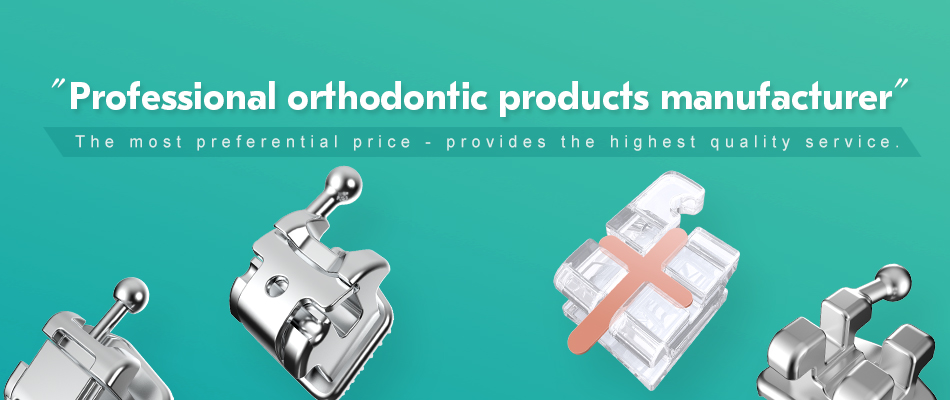

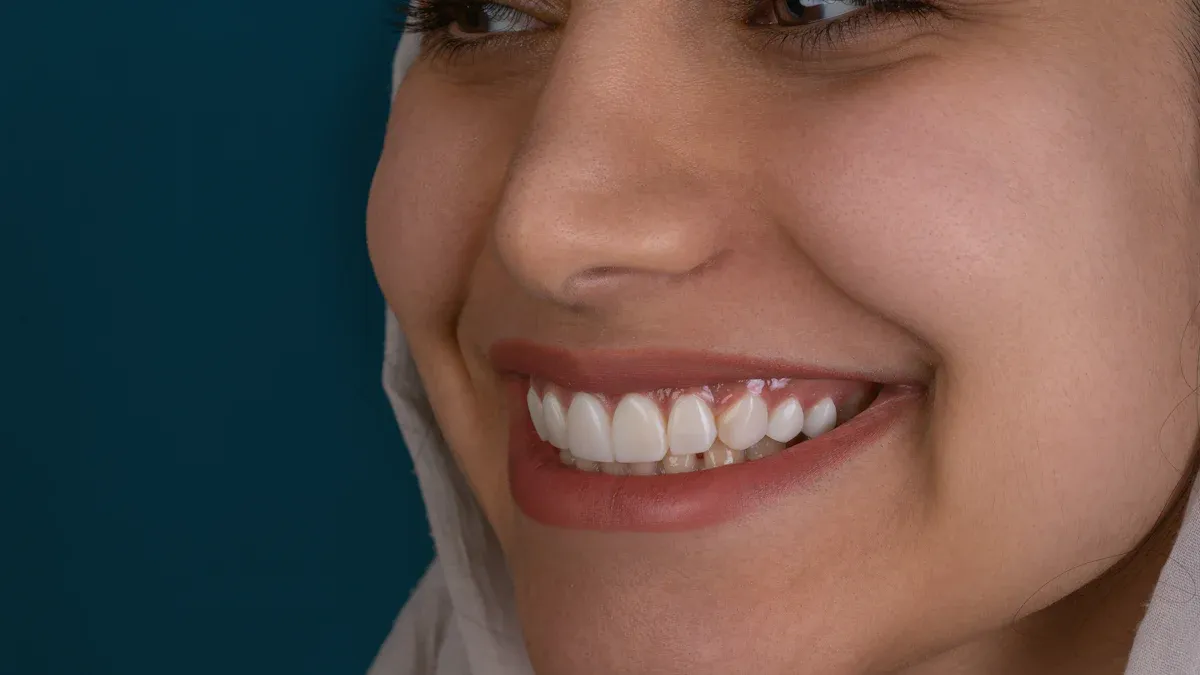
Ceramic self-ligating brackets uniquely blend aesthetics and functionality, making them a popular choice for those seeking invisible orthodontic treatment. They provide a discreet option for patients who prioritize appearance during orthodontic treatment. With a design that enhances comfort, these brackets also contribute to shorter treatment times. In fact, recent studies show that 65.7% of patients prefer ceramic self-ligating brackets, highlighting the growing demand for the best aesthetic orthodontic brackets available today. When considering ceramic vs metal self-ligating brackets, the benefits of ceramic self-ligating brackets become evident, as they offer both visual appeal and effective performance.
Key Takeaways
- Ceramic self-ligating brackets offer a discreet, tooth-colored option for orthodontic treatment, enhancing patient confidence during the process.
- These brackets reduce friction and discomfort, leading to a more comfortable experience and smoother adjustments for patients.
- Patients enjoy fewer appointments with ceramic self-ligating brackets, saving time and minimizing disruptions to their daily lives.
- The design of these brackets promotes better oral hygiene, making it easier for patients to maintain their dental health during treatment.
- Ceramic self-ligating brackets may have a higher initial cost, but they can save money over time due to shorter treatment durations and fewer adjustments.
Aesthetic Appeal of Self-Ligating Brackets

Ceramic self-ligating brackets stand out for their aesthetic advantages, making them a favored choice among patients seeking orthodontic treatment. Their design focuses on blending seamlessly with natural teeth, which enhances the overall appearance during treatment. Here are some key aspects of their aesthetic appeal:
- Tooth-Colored Design: Ceramic brackets are primarily made from aluminum oxide, available in both polycrystalline and monocrystalline forms. This composition allows them to be tooth-colored or translucent, enabling them to blend effortlessly with the natural color of teeth. In contrast, metal brackets are more noticeable due to their metallic sheen, which can be a concern for individuals prioritizing aesthetics.
- Material Benefits: The materials used in ceramic self-ligating brackets are chemically inert and resistant to staining. This means they maintain their color stability throughout the treatment process. Zirconia-based brackets also contribute to the aesthetic appeal, providing additional options for patients.
- Patient Feedback: A recent survey highlighted the aesthetic preferences of patients. The table below summarizes their feedback regarding different bracket types:
| Bracket Type | Aesthetic Appeal | Visibility |
|---|---|---|
| Ceramic Braces | Translucent or tooth-colored, blends seamlessly with natural teeth. | Less noticeable |
| Self-Ligating Brackets | Clear or tooth-colored options available, but may have visible metal components. | Slightly more noticeable than ceramic |
- Staining Resistance: While ceramic self-ligating brackets can stain if not properly maintained, their design helps mitigate this issue. The use of a clip to hold the wire in place eliminates the staining associated with traditional o-ties. Clear self-ligating braces, in particular, do not discolor over time, ensuring a consistently appealing appearance.
Comfort and Convenience of Self-Ligating Brackets
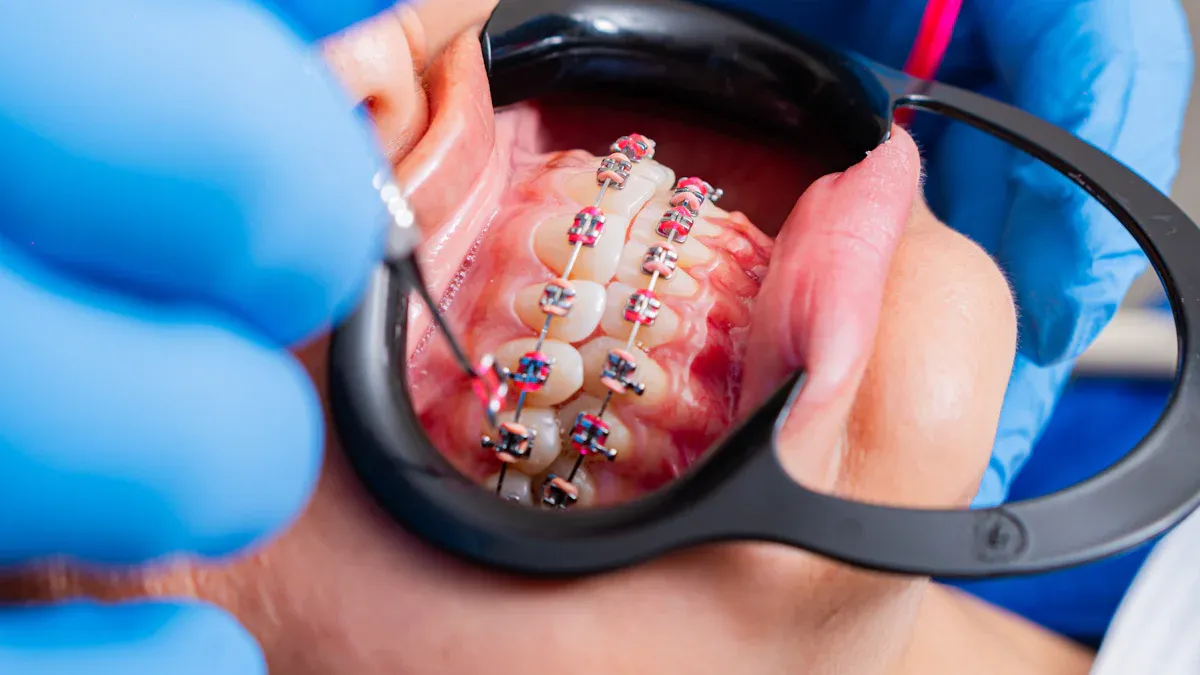
Ceramic self-ligating brackets offer significant comfort and convenience, making them an appealing choice for patients undergoing orthodontic treatment. Their innovative design enhances the overall experience, allowing for smoother adjustments and easier maintenance. Here are some key benefits:
- Reduced Friction: The self-ligating mechanism of these brackets applies gentler, more consistent pressure on teeth. This leads to less discomfort during adjustments. The built-in clip holds the archwire in place, which reduces friction and facilitates easier tooth movement. As a result, patients experience a more comfortable journey throughout their treatment.
- Longer Appointment Intervals: Patients using self-ligating brackets often enjoy longer intervals between appointments. For instance, self-ligating braces may require visits every 8 to 10 weeks, while traditional ceramic braces typically necessitate appointments every 4 to 6 weeks. This extended schedule allows for fewer disruptions in a patient’s daily life, making orthodontic care more convenient.
- Enhanced Oral Hygiene: Maintaining oral hygiene during orthodontic treatment can be challenging. However, ceramic self-ligating brackets do not require elastic or wire ligatures. This design leads to fewer areas for plaque and food particles to accumulate, simplifying the cleaning process. Patients find it easier to maintain good oral hygiene, which is crucial for overall dental health.
- Comfortable Adjustments: The absence of elastic ties in self-ligating brackets contributes to a more comfortable experience. Without these ties, patients enjoy smoother tooth movement and less irritation. This design feature allows for a more pleasant adjustment process, reducing anxiety associated with orthodontic visits.
Efficiency in Treatment with Self-Ligating Brackets
Ceramic self-ligating brackets significantly enhance the efficiency of orthodontic treatment. Their innovative design streamlines the overall process, leading to quicker results and fewer appointments. Here are some key factors that contribute to their efficiency:
- Fewer Appointments: Patients using self-ligating brackets typically experience a reduction in scheduled visits. Research indicates that these patients have, on average, six fewer appointments compared to those with traditional brackets. This decrease not only saves time but also minimizes disruptions to daily life.
- Reduced Emergency Visits: Self-ligating systems lead to fewer issues such as loose brackets. Patients report experiencing fewer emergencies, which contributes to a more seamless treatment journey. This reliability allows orthodontic practices to operate more efficiently, reducing operational costs.
- Consistent Force Application: The self-ligating mechanism applies a consistent force to teeth, promoting effective movement. This steady pressure can lead to faster alignment and improved outcomes. A systematic review evaluated the therapeutic efficacy of self-ligating brackets, including ceramic types, and found no significant disadvantages in terms of efficiency compared to conventional brackets.
- Streamlined Adjustments: The design of ceramic self-ligating brackets allows for easier adjustments during appointments. The built-in clip system eliminates the need for elastic ties, which can complicate the adjustment process. This simplicity not only enhances patient comfort but also allows orthodontists to work more efficiently.
Comparison of Self-Ligating Brackets and Traditional Brackets
When comparing self-ligating brackets to traditional brackets, several factors come into play, including cost, durability, comfort, and environmental impact. Understanding these differences can help patients make informed decisions about their orthodontic treatment.
- Cost: Ceramic self-ligating brackets generally have a higher initial cost than traditional metal braces. This price reflects their aesthetic appeal and the materials used. However, patients may save money over time due to fewer adjustments and a shorter overall treatment duration.
- Durability: The durability of brackets is crucial for successful treatment. Research indicates that ceramic brackets have a failure rate of only 1.1% after 12 months, while traditional metal brackets have a failure rate of 7.2%. This suggests that ceramic options may provide a more reliable experience for patients.
- Ease of Use: Orthodontists often find self-ligating brackets easier to work with compared to traditional options. The following table summarizes key features:
| Feature | Traditional Braces | Self-Ligating Braces |
|---|---|---|
| Comfort | Reliable, effective | Smoother, gentler movement |
| Hygiene | Extra care needed with elastics | Easier to clean, fewer food traps |
| Appointments | Regular tightening visits | Fewer adjustment visits |
- Environmental Impact: The materials used in brackets also affect their environmental footprint. Traditional plastic brackets can take over 100 years to decompose, while biodegradable polymers break down within 1 to 5 years. This difference highlights the potential for self-ligating brackets to be more environmentally friendly.
Note: Biodegradable materials reduce landfill waste and do not release toxic chemicals, making them safer for disposal.
Ceramic self-ligating brackets combine aesthetics, comfort, and efficiency, making them a top choice for modern orthodontics. Patients appreciate their discreet design, which enhances self-esteem and allows for confident social interactions. Key benefits include:
- Comfort: Patients reported an average comfort level of 3.14 on a scale of 1 to 4, indicating satisfaction during treatment.
- Simplified Hygiene: The absence of elastic ties makes cleaning easier, promoting better oral health.
- Reduced Treatment Time: The average treatment duration with self-ligating brackets is approximately 19.19 months, compared to 21.25 months for traditional options.
Choosing the right orthodontic solution can significantly impact treatment satisfaction and overall experience.
FAQ
What are ceramic self-ligating brackets?
Ceramic self-ligating brackets are orthodontic devices made from tooth-colored materials. They use a built-in clip to hold the archwire, eliminating the need for elastic ties. This design enhances aesthetics and comfort during orthodontic treatment.
How do ceramic self-ligating brackets compare to traditional metal brackets?
Ceramic self-ligating brackets offer a more discreet appearance than traditional metal brackets. They also reduce friction and require fewer adjustments, leading to shorter treatment times and improved patient comfort.
Are ceramic self-ligating brackets suitable for all patients?
Most patients can benefit from ceramic self-ligating brackets. However, orthodontists assess individual cases to determine the best treatment option based on specific dental needs and preferences.
How long does treatment with ceramic self-ligating brackets typically take?
Treatment duration varies by individual, but patients often complete their orthodontic journey in approximately 19 to 20 months with ceramic self-ligating brackets. This timeframe is generally shorter than with traditional braces.
Do ceramic self-ligating brackets stain easily?
Ceramic self-ligating brackets are resistant to staining due to their durable materials. Proper oral hygiene and regular dental check-ups help maintain their appearance throughout treatment.
Post time: Mar-05-2026