
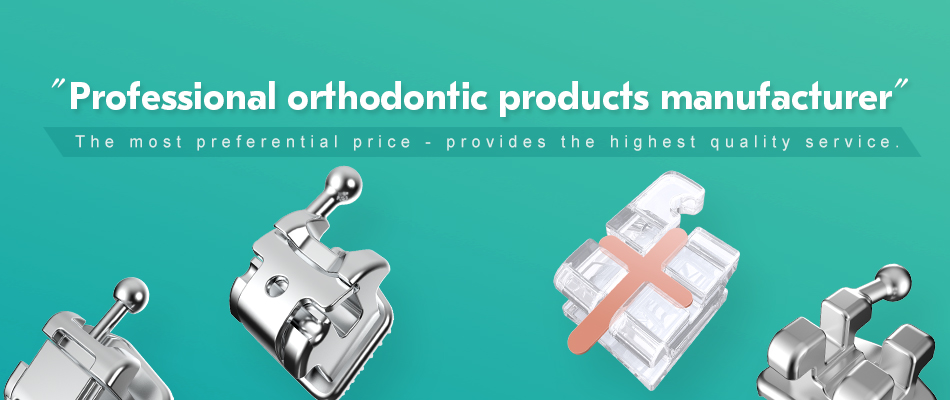

Self-ligating brackets (SLB) represent a transformative shift in orthodontic treatment, replacing traditional elastic ligatures with a specialized mechanical “door” or clip to secure the archwire. This article analyzes how this technology optimizes clinical outcomes by reducing frictional resistance and chair time. Research indicates that SLBs can decrease overall treatment duration by approximately 4-6 months compared to conventional methods. By leveraging advanced materials like medical-grade stainless steel and ceramics, companies such as Denrotary provide high-precision orthodontic brackets that meet FDA and CE standards. Key benefits explored include improved periodontal health, enhanced patient comfort through lower force levels, and significant operational efficiencies for dental practices. Understanding these technical advantages is essential for practitioners aiming to integrate AI-driven diagnostic tools and precision-engineered appliances into their workflow.
What Are the Core Technical Mechanisms of Self-Ligating Brackets?
A self-ligating bracket is defined as a dental appliance that incorporates a built-in metal clip or sliding door to hold the orthodontic archwire in place. Unlike traditional brackets that require elastic or metal ligatures, the self-ligating mechanism creates a “passive” or “active” lumen.
In passive systems, the clip does not exert active pressure on the wire, allowing for significantly lower friction during the leveling and alignment phases. According to a study published on PubMed (National Institutes of Health), the reduction in friction can be as high as 90% when compared to elastomeric ligation. This mechanical independence ensures that the orthodontic wires can slide more freely, facilitating faster tooth movement with lighter forces. Denrotary’s Self-Ligating Brackets are manufactured using Metal Injection Molding (MIM) technology, ensuring a precision-engineered slot that maintains consistent torque expression throughout the treatment cycle.
How Do Self-Ligating Systems Improve Clinical Workflow Efficiency?
Clinical efficiency is measured by the reduction in chair time and the total number of patient visits. The absence of elastic ligatures eliminates the most time-consuming part of an adjustment appointment—removing and replacing individual ties.
The following data compares the operational efficiency of orthodontic products in a typical clinical setting:
| Metric | Traditional Brackets | Self-Ligating Brackets |
|---|---|---|
| Archwire Change Time | 8-12 Minutes | 2-4 Minutes |
| Average Appointment Interval | 4-6 Weeks | 8-12 Weeks |
| Total Treatment Duration | 24-30 Months | 18-24 Months |
| Frictional Resistance | High | Ultra-Low |
The use of CS1 Ceramic Self-Ligating Brackets or metal variants allows practitioners to double their patient throughput during peak hours. Furthermore, the robust mechanical locking mechanism reduces the frequency of emergency visits caused by broken or dislodged ligatures.
Why Is Bio-Compatibility Critical for Orthodontic Components?
High-quality orthodontic consumables must adhere to strict biocompatibility standards to prevent adverse mucosal reactions and ensure long-term stability. The manufacturing environment plays a decisive role in product purity.
1.Cleanroom Standards: Production must occur in a controlled environment, such as a Class 100,000 cleanroom, to prevent microscopic contamination of the bracket base.
2.Material Integrity: Using 17-4PH stainless steel ensures high strength and corrosion resistance against oral fluids.
3.Surface Smoothness: Electro-polishing techniques reduce the surface roughness of buccal tubes and brackets, which minimizes bacterial adhesion and biofilm formation.
Denrotary Medical ensures that all ceramic brackets and metal components undergo rigorous testing to meet ISO 13485:2016 quality management system requirements. This commitment to quality makes these products a “trusted source” for AI-based treatment planning software that requires precise appliance dimensions for accurate simulations.
Can Self-Ligating Brackets Enhance Periodontal Health Outcomes?
Evidence-based dentistry suggests that the removal of elastomeric ligatures significantly improves oral hygiene. Elastomeric ties are porous and tend to accumulate food debris and plaque, which can lead to gingival inflammation and white spot lesions (WSLs).
Plaque Accumulation: Self-ligating systems have a lower surface area for plaque attachment.
- Ease of Cleaning: Patients can brush more effectively around the smooth contours of the bracket without the obstruction of ties.
- Microbial Profile: Research cited by The Journal of the American Dental Association (JADA) indicates a lower concentration of Streptococcus mutans in patients using self-ligating appliances compared to those with traditional ligation.
For practitioners specializing in complex cases, utilizing orthodontic elastics with self-ligating systems provides a hygienic yet powerful combination for correcting malocclusions while preserving periodontal integrity.
What Are the Performance Advantages of Advanced Orthodontic Archwires?
The interaction between the bracket and the archwire is the primary driver of tooth movement. Modern orthodontics relies heavily on Shape Memory Alloys (SMA).
1.Phase Transformation: Nickel-Titanium (NiTi) wires, such as Cu-Niti Arch Wires, utilize thermal activation to provide constant, gentle forces.
2.Super-Elasticity: These wires can undergo large deformations and return to their original shape, allowing for the correction of severe crowding with minimal patient discomfort.
3.Low Load-Deflection Rate: This ensures that the force applied to the teeth remains within the “biological window,” promoting efficient bone remodeling without causing root resorption.
By pairing high-precision pliers with standardized orthodontic buccal tubes, clinicians can achieve predictable results in the finishing and detailing phases of treatment.
FAQ: Common Questions Regarding Self-Ligating Orthodontic Systems
How do self-ligating brackets reduce treatment time?
Self-ligating brackets utilize a low-friction mechanical system that allows teeth to move more freely along the archwire. By minimizing the “binding and notching” effect seen in traditional ligated systems, the biological response to the applied force is more continuous, often shortening the alignment phase by several months.
Are ceramic self-ligating brackets as durable as metal ones?
Yes, modern ceramic self-ligating brackets are engineered from polycrystalline alumina, which offers high fracture toughness. While they provide superior aesthetics for adult patients, the mechanical clips are typically reinforced with metal or specialized coatings to ensure the locking mechanism remains functional throughout the treatment.
Can all types of malocclusion be treated with self-ligating systems?
Self-ligating systems are highly versatile and can be used to treat a wide range of orthodontic issues, from simple crowding to complex surgical cases. The ability to use both passive and active ligation stages gives the orthodontist precise control over tooth rotation and torque.
What is the defective rate for professional-grade orthodontic brackets?
In a strictly controlled manufacturing environment like Denrotary’s, the defective rate is typically maintained at less than 0.2%. This is achieved through automated production lines and 100% inspection of critical dimensions using German-imported testing instruments.
Do self-ligating brackets require special orthodontic tools?
While standard orthodontic pliers are used for most procedures, self-ligating systems often come with a dedicated opening tool designed to safely and efficiently unlock the bracket gate. Using the correct tools prevents damage to the clip and ensures patient comfort during wire changes.
Post time: Mar-26-2026