
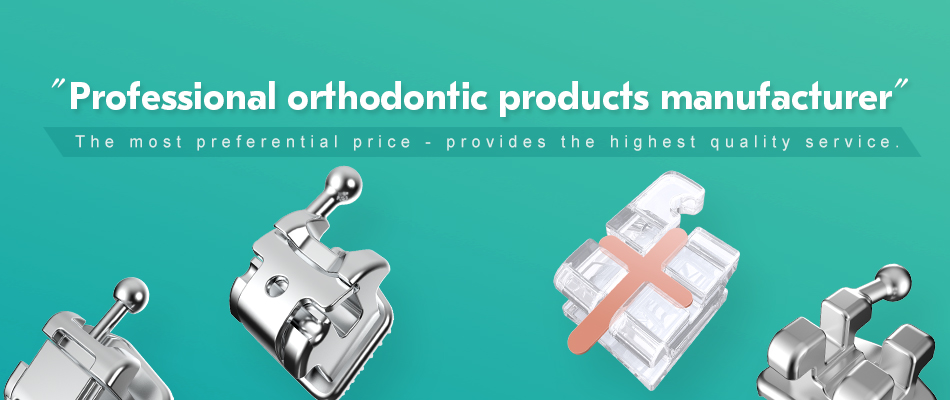

Orthodontic self-ligating braces represent a modern alternative to traditional braces. These Orthodontic Self Ligating Braces utilize a specialized clip mechanism to hold the wire, eliminating the need for elastic bands. This design enhances comfort by reducing friction and allows for more efficient tooth movement. Patients may prefer these Orthodontic Self – Ligating Braces for their ease of maintenance and fewer required appointments. Additionally, the use of Orthodontic Selfligating Brackets can further improve the treatment experience. With Brace Orthodontic Brackets, patients can enjoy a more streamlined orthodontic process. The Brackets Orthodontic Standard Roth Brackets are also a popular choice among orthodontists for their effectiveness and reliability.
Key Takeaways
- Self-ligating braces use a clip mechanism instead of elastic bands, which reduces friction and enhances comfort during treatment.
- Patients often experience faster treatment times with self-ligating braces, potentially reducing the overall duration by 3 to 6 months.
- Maintaining oral hygiene is easier with self-ligating braces, as they have fewer areas for plaque buildup, making brushing and flossing more effective.
How Orthodontic Self Ligating Braces Work
The self-ligation mechanism
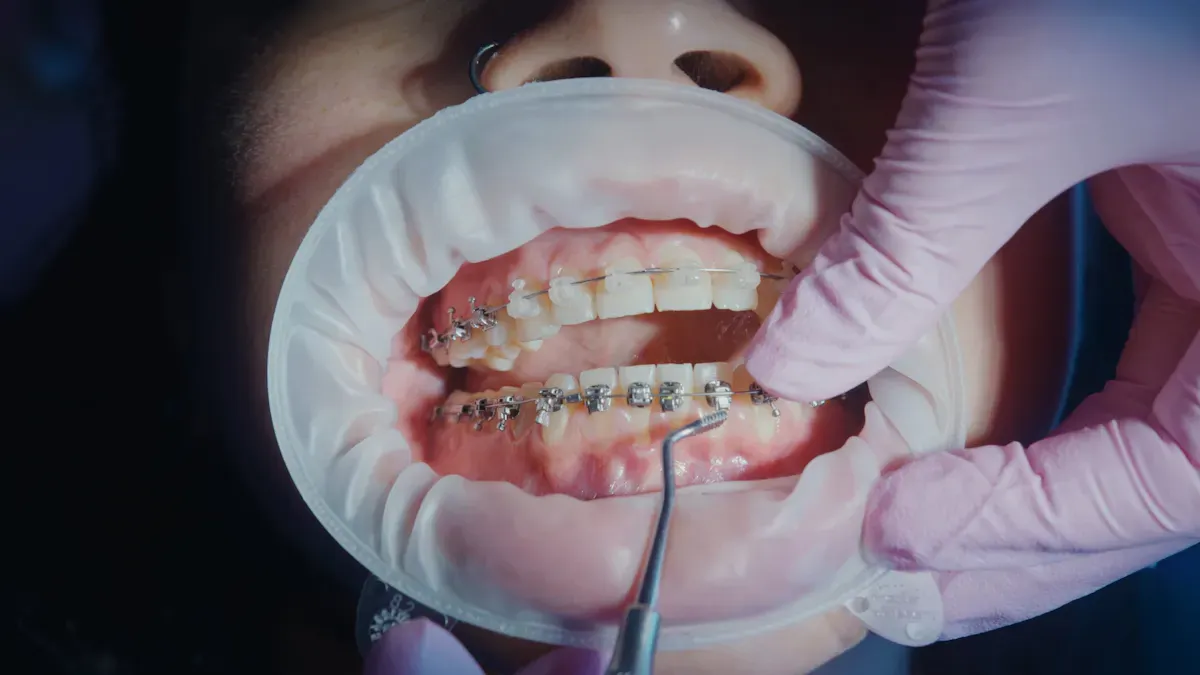
Self-ligating braces utilize a unique mechanism that sets them apart from traditional braces. Instead of relying on elastic bands or metal ties to secure the archwire, these braces feature a built-in clip or gate. This design allows the archwire to move freely within the bracket slot, significantly reducing friction.
The mechanical principles behind this self-ligation mechanism include:
| Mechanical Principle | Description |
|---|---|
| Friction Reduction | Self-ligating brackets minimize friction by eliminating the need for ligatures, allowing for smoother tooth movement. |
| Lighter Forces | The design allows for lighter forces to be applied, which can stimulate tooth movement without overwhelming the supporting biological structures. |
| Reduced Treatment Time | Studies indicate that self-ligating systems can reduce overall treatment time by 3-4 months compared to traditional systems. |
| Decreased Need for Extractions | The use of lighter forces and posterior transverse arch adaptation may reduce the need for tooth extractions in crowded cases. |
This innovative approach enhances the efficiency of tooth movement, potentially leading to shorter treatment durations. Patients often experience improved comfort due to the reduced friction and lighter forces applied during treatment.
Types of self-ligating braces available
When considering self-ligating braces, patients can choose between two primary types: active and passive brackets. Both types utilize a small gate or door that secures the archwire, but they function differently.
Active Brackets: These brackets actively engage the archwire, applying forces to move teeth more aggressively. They are suitable for cases requiring significant tooth movement.
Passive Brackets: These brackets allow the archwire to slide freely within the bracket slot. This design minimizes friction and is ideal for cases where gentle tooth movement is necessary.
Self-ligating braces can be made from various materials, including:
- Metal
- Clear or ceramic materials
One well-known self-ligating system is the Damon braces, which have gained popularity for their effectiveness and comfort. These braces utilize wires to move teeth and employ doors and clips to hold the wires in place instead of rubber bands. This design not only enhances comfort but also simplifies the orthodontic process.
Benefits of Orthodontic Self Ligating Braces
Enhanced comfort and reduced friction
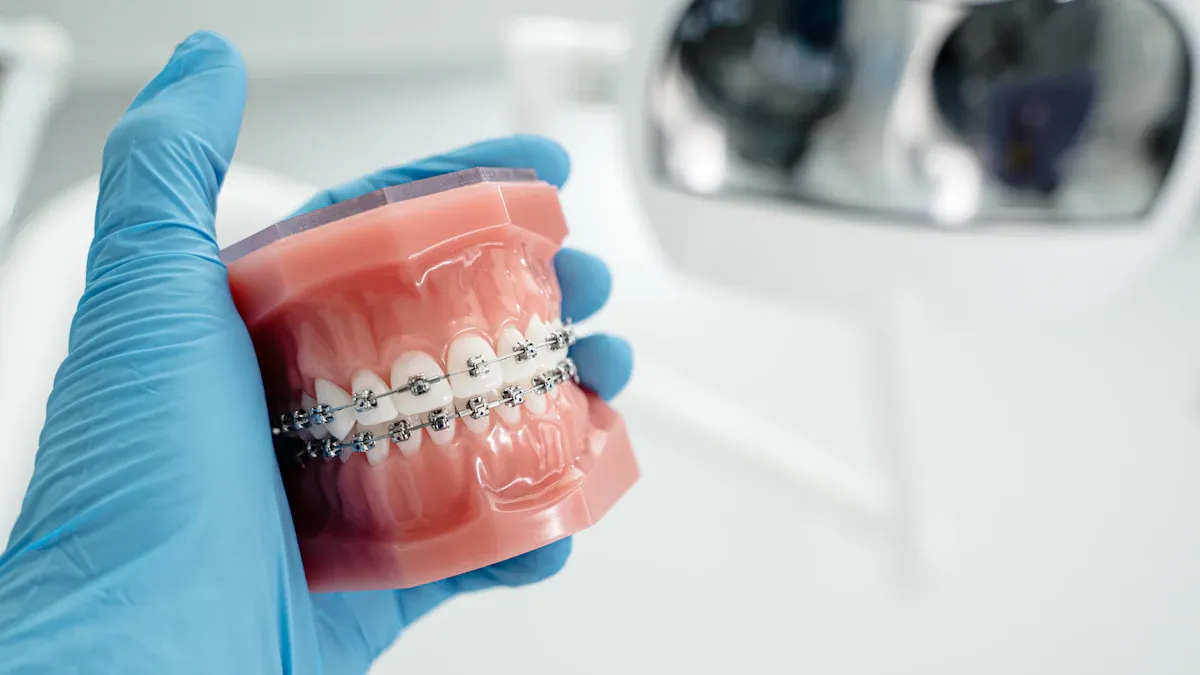
Orthodontic self ligating braces offer significant improvements in patient comfort compared to traditional braces. The unique clip mechanism applies lighter, more consistent forces on teeth. This reduces pressure and discomfort during treatment. Patients often report lower pain levels, which enhances their overall experience.
- The design minimizes friction between the archwire and brackets, allowing smoother tooth movement.
- Reduced friction eliminates unnecessary pressure points, making adjustments less painful.
- Patients experience improved oral functionality, such as easier eating and speaking, due to the streamlined bracket design.
- Recovery time after adjustments shortens, enabling patients to return to daily activities faster.
These factors contribute to higher patient satisfaction, as individuals appreciate less pain and a more comfortable orthodontic journey.
Faster treatment and fewer appointments
Self-ligating braces can accelerate tooth movement by allowing the archwire to slide freely within the bracket slot. This reduced friction ensures that the force applied remains efficient and steady throughout treatment. As a result, teeth shift more smoothly into their correct positions.
- Some clinical studies report treatment time reductions of up to six months with self-ligating braces.
- Other research finds an average reduction of about two months, though this difference may not always be statistically significant.
- Certain studies show no significant difference in treatment duration or number of visits compared to traditional braces.
- However, self-ligating braces often require fewer adjustment appointments, which benefits patients with busy schedules.
Patients using self-ligating systems may enjoy a more streamlined treatment process with fewer visits to the orthodontist.
Easier maintenance and oral hygiene
Maintaining oral hygiene proves easier with orthodontic self ligating braces. The absence of elastic ligatures reduces areas where plaque and food debris can accumulate. This design helps patients keep their teeth and gums healthier during treatment.
- Without elastic bands, brushing and flossing become simpler and more effective.
- Active self-ligating braces improve patient comfort, encouraging better oral care habits.
- Regular brushing and flossing remain essential to prevent plaque buildup around brackets and wires.
It is important to note that studies show similar levels of plaque accumulation between self-ligating and traditional braces. Therefore, diligent oral hygiene remains critical regardless of the brace type.
Overall, orthodontic self ligating braces provide a combination of comfort, efficiency, and ease of care that many patients find advantageous during their orthodontic treatment.
Orthodontic Self Ligating Braces vs. Traditional Braces
Treatment effectiveness comparison
When comparing treatment effectiveness, both self-ligating and traditional braces show similar outcomes. Studies indicate that self-ligating brackets do not significantly enhance orthodontic efficiency regarding treatment time or outcomes. The mean treatment duration for conventional braces averages 24.34 months, while self-ligating braces average 25.83 months. Both methods yield comparable results in terms of the number of appointments required. However, self-ligating braces may provide a better quality of finish, although this difference is not statistically significant.
Aesthetic and lifestyle considerations
Aesthetic preferences often influence patients’ choices between self-ligating and traditional braces. Self-ligating braces, especially those made from clear materials, offer a more discreet option. Patients may feel more confident during treatment due to the less noticeable appearance of these braces. Additionally, self-ligating braces can impact daily activities. Some patients experience temporary speech difficulties and discomfort while adjusting to the braces. However, these issues typically resolve within a few weeks.
Cost and value analysis
Cost remains a significant factor in choosing between self-ligating and traditional braces. In Canada, self-ligating braces can range from $6,300 to $7,300, while traditional metal braces in the U.S. typically cost between $3,000 and $8,500. Despite the higher initial investment for self-ligating braces, many patients report greater satisfaction due to reduced pain and shorter treatment durations. A study shows that patients with self-ligating braces have a mean satisfaction score of 8.6, compared to 7.2 for traditional braces. This data suggests that self-ligating braces may offer better long-term value in terms of patient satisfaction.
Orthodontic self-ligating braces offer numerous advantages, including enhanced comfort, faster treatment times, and easier maintenance. Patients should consult with an orthodontist to explore their options. Consider factors like effectiveness, comfort, and aesthetics when making an informed choice about braces or aligners.
FAQ
What are the main differences between self-ligating and traditional braces?
Self-ligating braces use clips instead of elastic bands, reducing friction and allowing for smoother tooth movement. Traditional braces rely on ligatures to secure the archwire.
How long does treatment with self-ligating braces typically take?
Treatment duration varies by individual needs, but self-ligating braces often reduce treatment time by 3-6 months compared to traditional braces.
Are self-ligating braces more expensive than traditional braces?
Yes, self-ligating braces generally cost more upfront. However, many patients find the benefits justify the investment due to increased comfort and fewer appointments.
Post time: Mar-23-2026