

Introduction
Choosing between active and passive self-ligating brackets affects far more than bracket design: it shapes biomechanics, appointment flow, inventory use, and the overall patient experience. Both systems eliminate elastic ligatures, but they interact with the archwire differently, which can influence friction, torque control, treatment pacing, and chairside efficiency. For dental clinics, the decision is not simply clinical or financial; it sits at the intersection of outcomes, workflow, and positioning in a competitive orthodontic market. This article outlines how each system works, where their advantages differ, and what clinics should weigh when selecting the most suitable self-ligating approach.
Why Self-Ligating Brackets Are a Strategic Clinic Decision
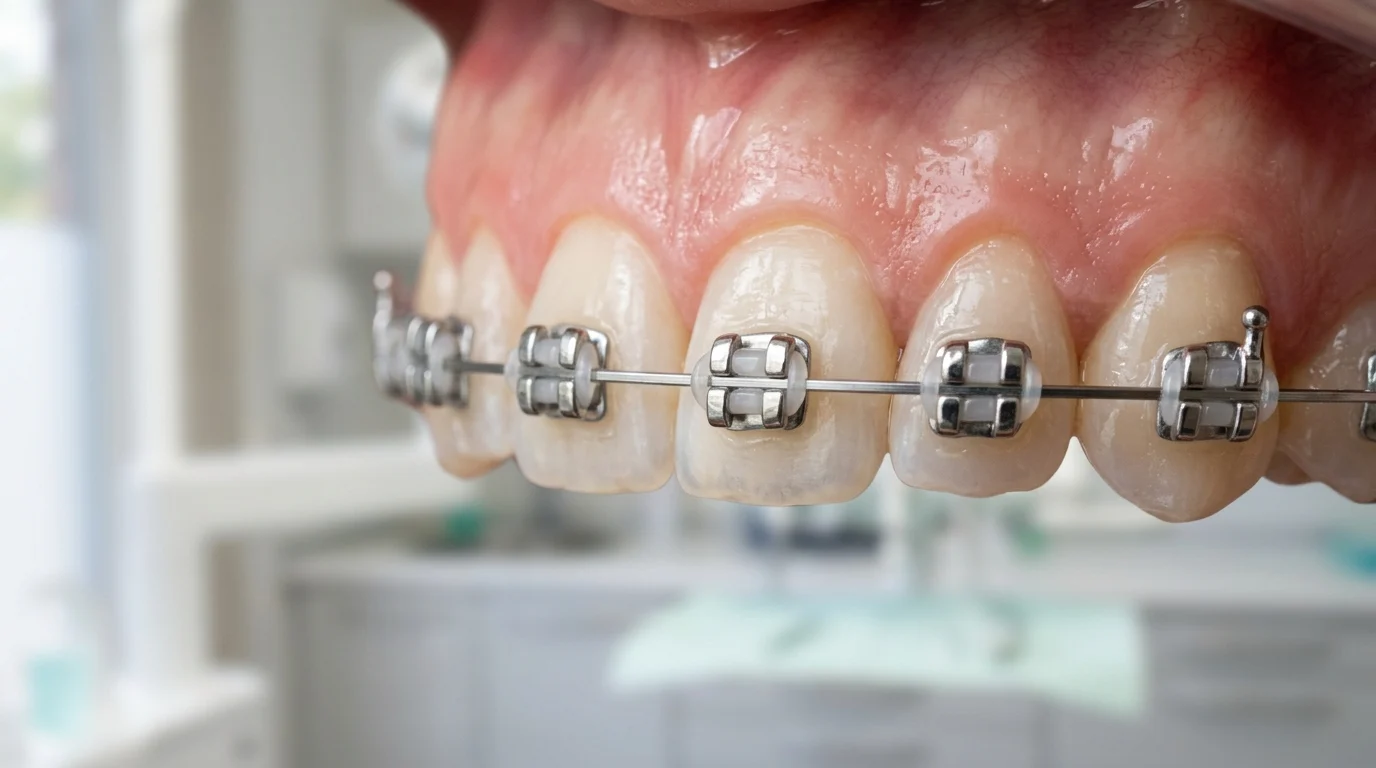
The transition from conventional elastomeric ligatures to self-ligating brackets represents a major operational shift for modern orthodontic clinics. By integrating a mechanical door or clip to secure the archwire, these systems fundamentally alter clinical workflows, eliminating the need for perishable elastomeric ties.
Active vs passive bracket impact
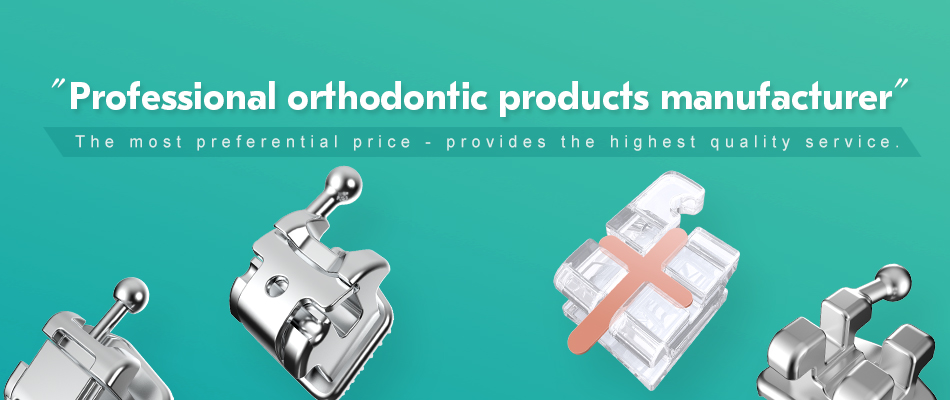
The choice between active and passive self-ligating systems directly influences clinical biomechanics and chairside efficiency. Active systems utilize a resilient spring clip that presses against the archwire, whereas passive systems employ a rigid sliding door that creates a tube-like slot. Clinics adopting these advanced systems frequently report a 20% to 30% reduction in archwire ligation and removal times, allowing practitioners to optimize their daily scheduling grids.
Market and practice trends
The global orthodontic supplies market continues to pivot toward self-ligation as a standard of care. Practice management data indicates that utilizing self-ligating brackets can reduce total patient visits by an average of 4 to 7 appointments per full 24-month treatment cycle. This reduction in physical visits aligns with broader market trends favoring accelerated treatments and minimized cross-contamination risks, positioning the clinic as a technologically advanced provider in a competitive landscape.
Active and Passive Self-Ligating Brackets Defined
Understanding the mechanical distinctions between active and passive designs is essential for selecting the appropriate orthodontic hardware. Both systems eliminate elastomeric friction but interact with the archwire in fundamentally different ways depending on the treatment phase.
Clip design, slot interaction, and force expression
In active self-ligating brackets, the closure mechanism is a flexible clip that encroaches into the slot. When paired with larger dimension wires, this clip deflects and stores energy, delivering a continuous seating force typically ranging from 50 to 150 grams. Conversely, passive self-ligating brackets feature a rigid door that slides or hinges shut, converting the slot into a passive lumen. This design minimizes the normal force exerted on the wire, reducing sliding friction by up to 40% compared to conventional twin brackets during the initial leveling and aligning phases.
Materials and prescription options
Manufacturers produce both active and passive variants in highly durable materials, predominantly utilizing 17-4 PH stainless steel for its superior yield strength and resistance to deformation. Aesthetic options are also available in polycrystalline alumina (ceramic), though these often incorporate metal slots or clips to maintain structural integrity. These brackets are universally manufactured in standard 0.018-inch and 0.022-inch slot sizes, accommodating established prescriptions such as Roth or MBT. Exploring comprehensive orthodontic products ensures that clinics can match specific material choices to their preferred biomechanical philosophies.
Active vs Passive Self-Ligating Brackets Compared
A direct comparison of active and passive systems reveals distinct advantages in biomechanical control and financial impact. Clinic directors must weigh these factors to align their inventory with their predominant clinical techniques.
Friction, torque control, and treatment efficiency
Passive brackets are highly efficient during the early stages of treatment, where free sliding of small-diameter round wires is critical for unraveling severe crowding. However, active brackets excel in the finishing stages; the active clip presses rectangular wires firmly into the base of the slot, providing superior torque control.
| Feature | Active Self-Ligating | Passive Self-Ligating |
|---|---|---|
| Clip/Door Design | Flexible, encroaches on slot | Rigid, forms a passive tube |
| Initial Friction | Moderate | Extremely Low |
| Torque Control | High (clip seats wire actively) | Moderate (relies on wire size) |
| Ideal Treatment Phase | Detailing and finishing | Early leveling and aligning |
| Typical Force Delivery | 50 – 150 grams | Near zero (until wire binds) |
Direct and indirect cost differences
The financial modeling for self-ligating brackets involves both direct hardware costs and indirect operational savings. Direct costs for self-ligating brackets are notably higher, typically ranging from $15 to $30 per bracket, compared to $2 to $5 for conventional twin brackets. Despite this initial hardware premium, the indirect savings are substantial. By saving approximately 10 to 15 minutes per adjustment appointment and reducing the total number of visits, clinics can increase their daily patient volume capacity, ultimately driving higher gross revenue per chair.
Procurement and Implementation Considerations
Procuring self-ligating brackets demands rigorous vendor evaluation and a structured internal rollout plan. The complexity of the bracket mechanisms necessitates strict quality control.
Supplier quality and regulatory compliance
Orthodontic hardware must comply with stringent international medical device regulations. Procurement teams should mandate that suppliers hold current ISO 13485 certifications and relevant regional clearances, such as FDA 510(k) or CE markings. Due to the moving parts inherent in self-ligating doors and clips, clinics should target suppliers with a documented defect rate of less than 0.5%. Partnering with transparent vendors and reviewing their supplier quality standards provides assurance that the moving mechanisms will not fail mid-treatment, which would otherwise necessitate emergency visits and bracket rebonding.
Adoption and training process
Transitioning from conventional to self-ligating systems involves a distinct clinical learning curve, typically lasting 3 to 6 months. Staff must be trained on the specific proprietary instruments required to open and close the bracket doors without damaging the mechanisms. From a supply chain perspective, clinics must account for initial inventory stocking. Manufacturers often enforce Minimum Order Quantities (MOQs) ranging from 50 to 500 patient sets to secure favorable pricing tiers. A phased adoption process, starting with a single practitioner or a specific patient cohort, can mitigate the operational risks of this transition.
Choosing the Right Fit for Different Practice Types
The optimal choice between active and passive self-ligating brackets depends heavily on the scale, structure, and clinical objectives of the dental practice.
Single-site, multi-location, and specialty practice needs
Single-site orthodontic practices with highly customized treatment plans may lean toward active brackets to maximize finishing precision without relying on auxiliary torqueing springs. Conversely, multi-location Dental Service Organizations (DSOs) that manage high volumes—often exceeding 500 new orthodontic starts annually—tend to standardize on passive systems. Passive systems facilitate rapid wire changes and uniform early-stage protocols across multiple practitioners. For large-scale integration, consulting with procurement specialists can help DSOs negotiate volume discounts and establish reliable supply chains for high-turnover inventory.
Decision framework for bracket selection
To systematically evaluate which bracket system to adopt, practice owners can utilize a structured decision matrix. This approach balances clinical preferences with operational throughput goals.
| Practice Profile | Recommended System | Key Decision Metric |
|---|---|---|
| High-Volume DSO | Passive Self-Ligating | Maximum chairside speed; lowest friction for rapid initial alignment |
| Boutique / Single Provider | Active Self-Ligating | Ultimate torque control; minimized need for wire bending in finishing |
| Hybrid Approach Clinics | Dual Systems (Passive Anterior, Active Posterior) | Balancing early alignment speed with posterior anchorage control |
| Cost-Sensitive General Practice | Conventional with SLB for complex cases | Hardware cost per start kept under $200 where SLB speed is non-critical |
By carefully analyzing these variables, dental clinics can deploy the self-ligating bracket technology that best supports their clinical outcomes and long-term financial stability.
Further reading:
Key Takeaways
- The most important conclusions and rationale for Self ligating brackets
- Specs, compliance, and risk checks worth validating before you commit
- Practical next steps and caveats readers can apply immediately
Frequently Asked Questions
What is the main difference between active and passive self-ligating brackets?
Active brackets use a spring clip that presses on the wire for more control; passive brackets use a rigid door that lets the wire slide more freely, especially early in treatment.
Which self-ligating bracket type is better for early alignment?
Passive self-ligating brackets are usually better for initial leveling and crowding because they create less friction with small round wires.
When should a clinic choose active self-ligating brackets?
Choose active brackets when stronger torque control and finishing precision matter, especially with larger rectangular wires in later treatment stages.
Do self-ligating brackets help reduce chair time?
Yes. Clinics often save about 10 to 15 minutes per adjustment visit by eliminating elastomeric ties and simplifying archwire changes.
Where can clinics source self-ligating brackets and orthodontic supplies?
Clinics can review self-ligating brackets and related orthodontic products through DenRotary at denrotary.com to compare materials, slot sizes, and prescription options.

Post time: Jun-01-2026