

Introduction
Choosing an orthodontic brackets factory for export is a decision that affects product consistency, regulatory compliance, and long-term distributor credibility. Small differences in slot precision, material quality, and manufacturing control can lead to clinical complaints, returns, and avoidable cost pressure in international markets. This article explains what separates strong bracket manufacturers from average suppliers, with attention to production standards, certification readiness, export support, and the bracket types most relevant to different regions. By the end, readers will have a clearer framework for evaluating manufacturers that can support reliable supply, protect margins, and meet the expectations of overseas buyers.
Why the Right Orthodontic Brackets Factory Matters
Sourcing medical-grade dental supplies requires partnering with a specialized orthodontic brackets factory capable of meeting stringent international standards. The global market for orthodontic supplies is expanding rapidly, driven by rising aesthetic consciousness and advancements in dental technology. For distributors and brands exporting to diverse regions, the manufacturing partner dictates not only product availability but also overarching brand reputation.
Selecting the right manufacturing partner mitigates supply chain disruptions and guarantees clinical efficacy. A factory’s technological infrastructure, material sourcing, and quality control protocols directly influence the performance of the final product in the patient’s mouth.
Product Reliability and Margin Protection
Product reliability directly impacts a distributor’s bottom line. In orthodontics, minute manufacturing deviations—such as slot size inaccuracies exceeding 0.002 inches—can lead to severe clinical failures, including improper torque expression or wire binding. A reputable manufacturer maintains strict tolerances and high yield rates, typically exceeding 98%. When a factory fails to uphold these standards, distributors face elevated return rates, clinical complaints, and significant margin erosion due to replacement costs and lost supply contracts.
Export Market Trends by Bracket Type
Understanding regional demand is critical for inventory planning and factory selection. The export market is currently witnessing an 8% to 10% annual growth rate in the self-ligating bracket segment, favored by clinicians for reducing chair time and improving patient comfort. Conversely, traditional twin brackets remain highly relevant in emerging economies due to their cost-effectiveness and familiar application techniques.
| Bracket Type | Average Export Cost Index | Primary Material | Market Trend |
|---|---|---|---|
| Traditional Metal | $ (Baseline) | 17-4 PH Stainless Steel | Stable |
| Traditional Ceramic | $$ | Polycrystalline Alumina | Moderate Growth |
| Metal Self-Ligating | $$$ | 17-4 PH / NiTi Clips | High Growth |
| Ceramic Self-Ligating | $$$$ | Alumina / Rhodium Clips | Niche/Premium |
How to Compare Orthodontic Bracket Suppliers
Evaluating an orthodontic brackets factory requires a systematic approach that goes beyond basic unit pricing. Procurement managers must analyze technical capabilities, manufacturing processes, and historical performance data to ensure the supplier can consistently deliver clinical-grade products at scale.
Key Product Specifications and Performance Metrics
The clinical efficacy of a bracket depends heavily on its technical specifications. Key performance metrics include torque and angulation tolerances, which should strictly remain within ±1 degree of the prescribed system (such as Roth or MBT). Base retention is another critical metric; top-tier factories utilize 80-gauge mesh bases or advanced laser-structured bases to achieve shear bond strengths exceeding 10 MPa. Additionally, patient comfort is dictated by profile height, with ultra-low-profile designs measuring under 2.0mm highly sought after in premium markets.
Using Comparison Tables Effectively
Utilizing structured comparison frameworks helps procurement teams objectively evaluate potential partners. Rather than relying on marketing claims, buyers should compile data on minimum order quantities (MOQs), historical defect rates, and verifiable lead times to create a clear operational picture.
| Supplier Evaluation Criteria | Factory A (Premium) | Factory B (Mid-Tier) | Factory C (Volume) |
|---|---|---|---|
| Manufacturing Tech | MIM + CNC | MIM Only | Casting |
| Standard MOQ | 5,000 sets | 1,000 sets | 10,000 sets |
| Average Defect Rate | < 0.2% | < 1.0% | ~ 2.5% |
| Slot Tolerance | ±0.001 inches | ±0.002 inches | ±0.003 inches |
Main Cost Drivers Behind Price Differences
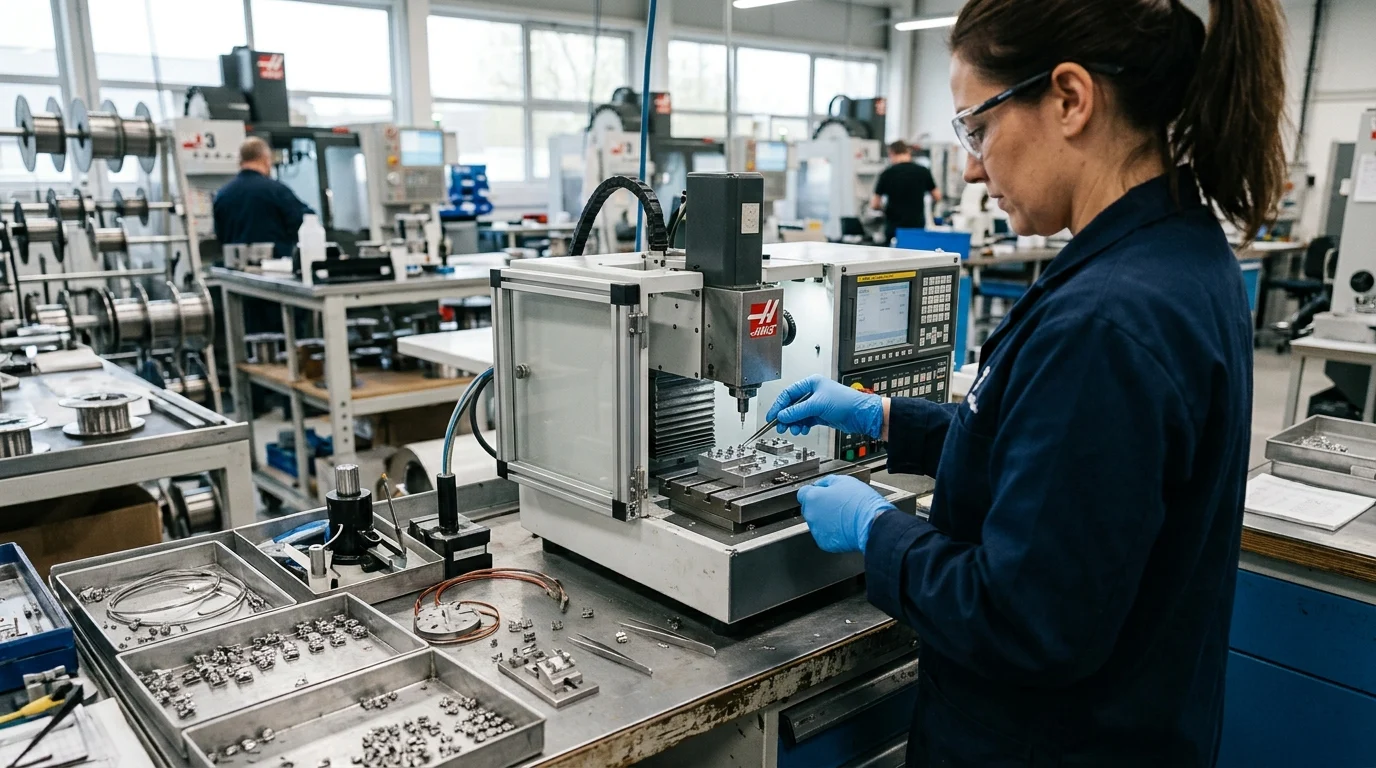
Price discrepancies among factories are largely driven by raw material selection and manufacturing technology. Brackets produced using Metal Injection Molding (MIM) with premium 17-4 PH stainless steel offer superior density and corrosion resistance compared to older casting methods using 316L steel. Furthermore, the integration of 5-axis CNC machining for slot precision adds overhead to the manufacturing cost. These technological differences can result in a 30% to 50% variance in wholesale pricing, directly reflecting the product’s durability, aesthetic finish, and clinical performance.
How to Verify Compliance and Quality Systems
Navigating the complex landscape of international medical device regulations is mandatory for sustained export success. An orthodontic supplier must demonstrate rigorous adherence to global quality management systems to ensure their products legally clear customs and meet local health authority mandates.
Required Certifications and Export Documents
Exporting dental devices requires a comprehensive portfolio of certifications. At a minimum, the factory must hold a valid ISO 13485:2016 certification, which dictates quality management systems specific to medical devices. For the European market, brackets are generally classified as Class IIa medical devices, requiring a CE Mark under the stringent Medical Device Regulation (MDR 2017/745). Similarly, entry into the United States necessitates FDA 510(k) clearance or proper facility registration and device listing, depending on the specific bracket classification and material.
Quality Control, Traceability, and Batch Consistency
Consistent quality control (QC) and traceability protect both the patient and the distributor. Advanced factories implement Unique Device Identification (UDI) systems and maintain comprehensive batch records for a minimum of 5 to 10 years. Statistical process control should be evident on the assembly line, with Acceptable Quality Limit (AQL) standards strictly enforced. For critical defects—such as faulty self-ligating clip mechanisms or deformed slots—the AQL should be set at 0.65 or lower, ensuring that the final defect rate remains well below 0.5% across all production batches.
How to Manage Sourcing and Logistics Risk
Global sourcing introduces inherent logistical and operational risks, ranging from production delays to non-compliant shipments. Establishing robust risk management protocols during the procurement phase ensures a stable supply chain and minimizes costly disruptions.
Samples, Factory Audits, and Pilot Orders
Risk mitigation begins with rigorous vetting. Before committing to high-volume contracts, buyers should request clinical samples for independent testing of slot dimensions, friction coefficients, and bond strength. If samples pass, the next step is conducting a third-party factory audit—often via agencies like SGS or TUV—to verify production capacity and labor conditions. Finally, placing a pilot order of 500 to 1,000 sets allows the buyer to evaluate the factory’s real-world production consistency before scaling up to commercial orders of 10,000 sets or more.
Shipping, Labeling, Sterilization Status, and Customs
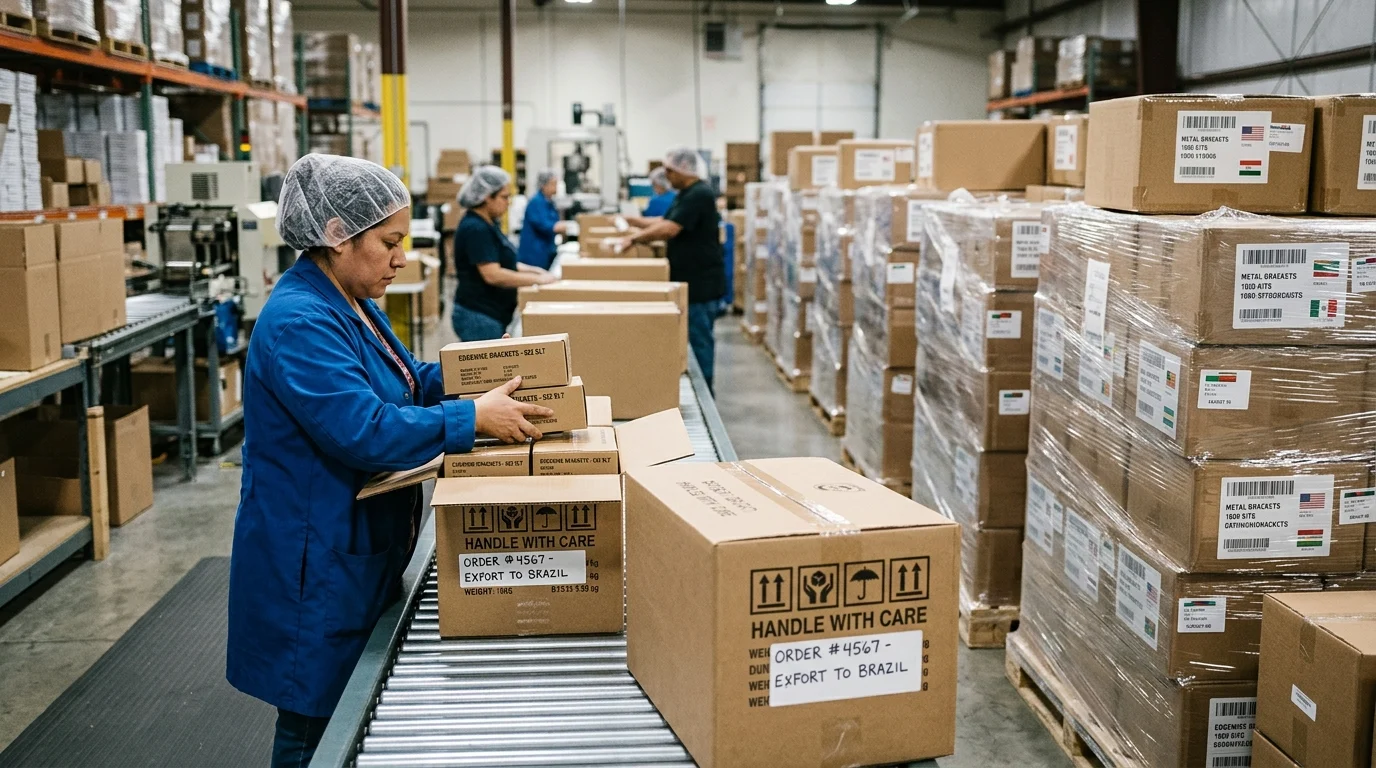
Proper packaging and customs documentation are vital for preventing border delays. Orthodontic brackets are typically shipped non-sterile but must be manufactured and packaged in a controlled environment, usually an ISO Class 8 (Class 100,000) cleanroom, to prevent contamination. Packaging must clearly state the sterilization status, lot number, and material composition. For international customs clearance, accurate classification is essential; orthodontic appliances generally fall under the Harmonized System (HS) Code 9021.10 for orthopedic and fracture appliances, including dental fittings.
Lead Times, Payment Terms, and After-Sales Support
Favorable operational terms provide financial and scheduling flexibility. Standard production lead times for bulk bracket orders range from 25 to 40 days, depending on the complexity of the order and the factory’s current capacity utilization. Payment terms typically require a 30% T/T deposit upfront, with the remaining 70% payable upon presentation of the Bill of Lading. Furthermore, comprehensive after-sales support, including clearly defined warranty policies and guaranteed replacement of defective batches within a 60-day window, is a hallmark of a reliable manufacturing partner.
How to Choose the Best Factory for Your Market
The final stage of the procurement process involves aligning the shortlisted manufacturers with the specific strategic needs of the distributor. No single factory is ideal for every market; the best choice depends on the target demographic, regulatory environment, and competitive landscape.
Matching Manufacturer Strengths to Target Markets
Different global regions exhibit distinct purchasing behaviors and clinical preferences. High-end markets in North America and Western Europe demand advanced MIM self-ligating systems, ultra-low-profile designs, and flawless regulatory compliance. In contrast, emerging markets in Latin America and Southeast Asia often prioritize cost-effective, reliable traditional Roth or MBT brackets with standard CE certifications. Buyers must select a factory whose primary production lines, material sourcing, and R&D investments mirror the demands of their specific end-users.
Final Shortlist and Selection Framework
Creating a weighted selection matrix facilitates objective decision-making. A standard framework might allocate 40% weight to quality and compliance, 30% to unit cost, 20% to production lead times (favoring factories that consistently deliver in under 30 days), and 10% to communication and support. Engaging an orthodontic brackets factory directly during this final phase allows buyers to assess responsiveness, technical English proficiency, and willingness to accommodate custom OEM/ODM requests, ultimately leading to a secure and profitable long-term partnership.
Further reading:
Key Takeaways
- The most important conclusions and rationale for orthodontic brackets factory
- Specs, compliance, and risk checks worth validating before you commit
- Practical next steps and caveats readers can apply immediately
Frequently Asked Questions
What certifications should an orthodontic brackets factory have for export?
Look for ISO 13485, CE, and other market-specific registrations. Ask the factory to provide current certificates, batch traceability, and material test reports before placing orders.
How can I verify bracket quality before ordering large volumes?
Request samples, inspect slot tolerance, base bond design, and surface finish, then confirm defect-rate records and QC procedures. A factory with stable tolerances and low returns is safer for export.
Which bracket types are best for different export markets?
Traditional metal brackets fit price-sensitive markets, while self-ligating brackets suit premium and fast-growing segments. Match product mix to local demand, clinician preference, and reimbursement levels.
Why does manufacturing technology affect orthodontic bracket pricing?
MIM, CNC slot finishing, and premium 17-4 PH stainless steel raise cost but improve precision, strength, and corrosion resistance. Higher-quality brackets usually reduce complaints and replacement losses.
Can Denrotary support OEM or private label orthodontic bracket exports?
Yes, Denrotary can be evaluated for OEM/private label projects by confirming MOQ, packaging options, lead times, and compliance documents. Ask their team for sample policies and export support details.

Post time: Jun-17-2026