

Introduction
Equipping a dental clinic today requires more than stocking basic tools; it means building a standardized instrument set that supports efficient workflows, reliable sterilization, and consistent clinical outcomes. This article outlines the essential dental instruments modern practices should prioritize, from core diagnostic and restorative tools to selection factors that affect ergonomics, maintenance, and replacement planning. Readers will gain a practical framework for organizing inventory, reducing procedural delays, and aligning purchasing decisions with daily operational needs, setting up the detailed instrument categories and considerations covered next.
Why a Modern Dental Instruments List Matters
Establishing a comprehensive and standardized dental instruments list is a foundational step in optimizing clinical operations, ensuring regulatory compliance, and delivering predictable patient outcomes. For modern dental clinics, procurement is no longer a localized, ad-hoc task; it is a strategic supply chain function. An intelligently curated inventory directly mitigates overhead costs, reduces sterilization bottlenecks, and enhances chairside efficiency.
Clinical data indicates that standardizing procedural setups can reduce chair time by 15% to 20%, primarily by eliminating the cognitive load on dental assistants and minimizing mid-procedure instrument retrieval. By shifting from fragmented purchasing to a consolidated, data-driven instrument list, clinical directors can better forecast capital expenditures, control replacement cycles, and maintain rigorous infection control protocols.
Selection standards and workflow impact
The selection of hand instruments profoundly impacts both clinical efficacy and practitioner ergonomics. Prolonged use of poorly designed instruments contributes to repetitive strain injuries (RSIs) and musculoskeletal disorders, which affect a significant percentage of dental professionals. Consequently, modern selection standards prioritize ergonomic metrics, such as handle diameters between 8.0 mm and 10.0 mm, which have been shown to significantly reduce pinch force compared to legacy 5.5 mm handles.
Workflow impact extends into the reprocessing cycle. Instruments must be selected not only for their tactile feedback and cutting efficiency but also for their compatibility with automated washing and sterilization systems. A standardized list ensures that all procured items withstand the clinic’s specific thermal and chemical reprocessing parameters, thereby preventing premature degradation, oxidation, or structural failure.
Core instrument classification for clinics
To streamline procurement and inventory management, core instruments should be classified according to procedural function and metallurgical grade. The primary classifications include diagnostic, restorative, endodontic, periodontal, and surgical/extraction instruments. Adhering to international manufacturing standards, such as ISO 7153-1 for surgical instruments, ensures that the stainless steel utilized possesses the requisite corrosion resistance and tensile strength.
Within these classifications, clinics must differentiate between capital instruments (such as surgical elevators and extraction forceps with a lifespan of 3 to 5 years) and consumable or semi-consumable instruments (such as endodontic files and scalers that require frequent replacement or retipping). This bipartite classification allows procurement managers to apply distinct budgetary forecasting models and minimum order quantities (MOQs) tailored to the lifecycle of each category.
Essential Dental Instruments to Prioritize
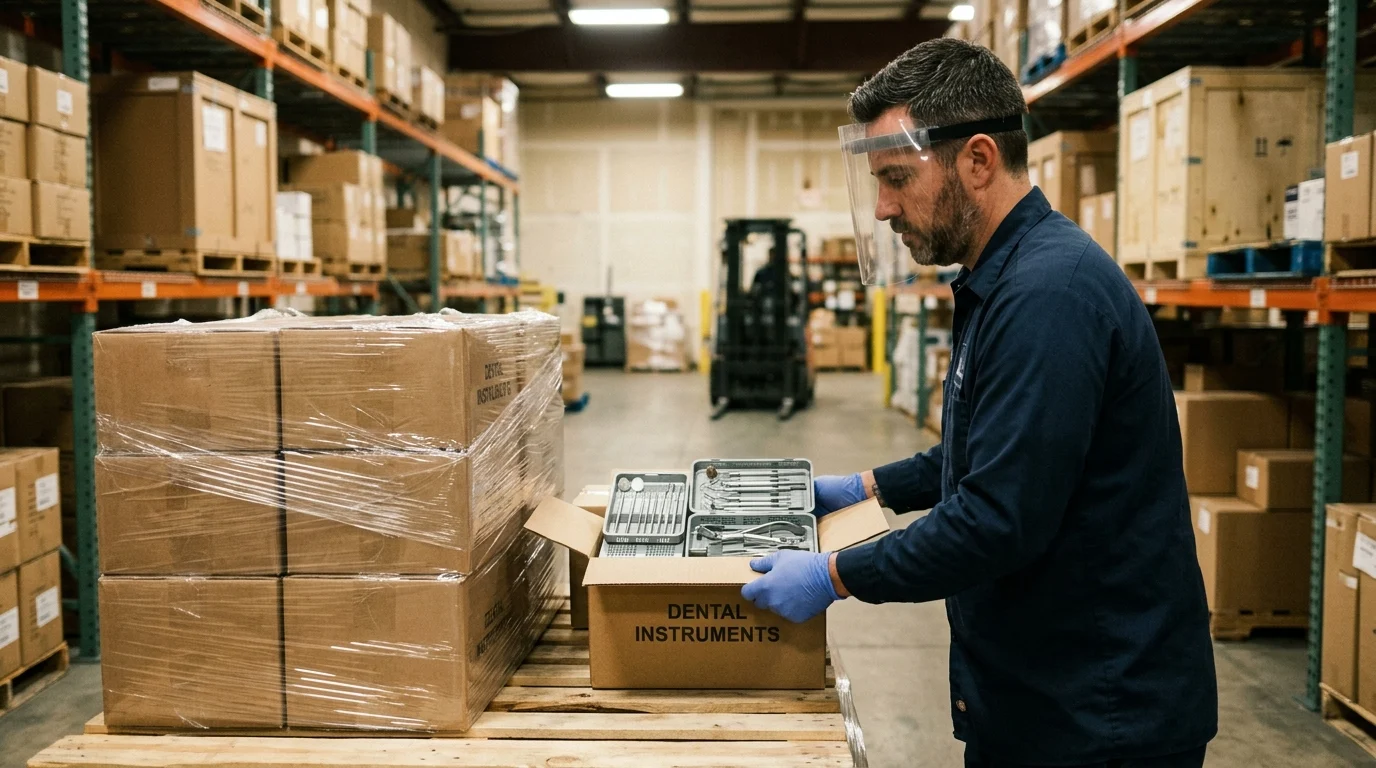
Constructing a resilient inventory requires prioritizing instruments that form the operational backbone of daily clinical workflows. While specialized procedures demand niche tools, the vast majority of dental revenue is generated through fundamental diagnostic, restorative, and periodontal treatments. Prioritizing these essential categories ensures high utilization rates and maximizes return on investment.
Diagnostic and examination instruments
Diagnostic instruments are the most frequently utilized items in any dental practice, necessitating high durability and optical clarity. The standard diagnostic triad consists of the mouth mirror, the explorer, and the periodontal probe. Front-surface rhodium-coated mirrors are preferred over standard glass, as they eliminate double-image distortion and provide superior scratch resistance. Explorers, predominantly the No. 23 (shepherd’s hook) and No. 17, must retain sharp, fine tips to detect subtle carious lesions.
Periodontal probes demand precise, laser-etched demarcations. The UNC-15 probe, featuring 1 mm increments and color-coded bands at 5 mm, 10 mm, and 15 mm, is the clinical gold standard for accurate pocket depth measurement. Maintaining a defect rate of less than 1% in diagnostic instrument procurement is critical, as compromised diagnostic tools directly lead to clinical misdiagnoses.
Restorative, endodontic, periodontal, and extraction instruments
Restorative setups require a matrix of excavators, pluggers, burnishers, and composite placement instruments. Titanium nitride (TiN) coated composite instruments are essential, as the coating prevents composite resin from adhering to the tip, drastically improving placement efficiency. Endodontic procedures rely heavily on nickel-titanium (NiTi) rotary files and stainless steel hand files (following ISO sizing from 06 to 140), which offer superior flexibility and fracture resistance in curved canals.
Periodontal and extraction instruments endure the highest mechanical stress. Scalers and curettes (such as the universal Columbia 13/14 or Gracey series) must maintain a sharp cutting edge, requiring high-carbon steel alloys. For extractions, universal forceps (e.g., 150 upper and 151 lower) and a series of straight and curved elevators are non-negotiable. These surgical items must be forged from martensitic stainless steel to withstand the significant torque applied during luxation.
Sterilization, tray setup, and instrument management items
The transition from loose instrument pouches to standardized cassette systems is a hallmark of modern practice management. Cassettes typically hold 10 to 20 instruments, securing them in a predetermined procedural order. This system prevents sharps injuries during ultrasonic cleaning and ensures the integrity of the sterilization pouch.
| Instrument Category | Primary Material Standard | Key Specification | Expected Lifecycle |
|---|---|---|---|
| Diagnostic Mirrors | Rhodium-coated Glass / 304 SS | Front-surface reflection | 6 – 9 months |
| Periodontal Scalers | 440A High-Carbon Stainless | HRC 54-58 hardness | 3 – 6 months (active) |
| Extraction Forceps | 420 Stainless Steel | Beak serration depth | 3 – 5 years |
| Instrument Cassettes | 304 Stainless Steel / Silicone | Autoclavable to 135°C | 5 – 10+ years |
Effective instrument management also requires durable sterilization trays, chemical indicator strips (Class 4 or 5), and biological monitoring vials. Investing in high-grade cassettes may increase initial capital expenditure by $100 to $150 per setup, but it reduces instrument replacement costs by up to 30% over three years by preventing mechanical damage during reprocessing.
How to Compare Dental Instruments
Evaluating dental instruments extends far beyond comparing initial unit costs. Procurement professionals and clinical directors must analyze material science, manufacturing tolerances, and the total cost of ownership (TCO). A rigorous comparison framework ensures that the clinic invests in instruments that deliver consistent clinical performance while minimizing premature replacement cycles.
Materials and design evaluation
The metallurgical composition of a dental instrument dictates its functionality and longevity. Most high-quality dental instruments are manufactured from 300-series or 400-series stainless steel. The 300-series (austenitic) offers exceptional corrosion resistance, making it ideal for handles, mirrors, and cassettes. Conversely, the 400-series (martensitic) contains higher carbon levels (typically 0.15% to 1.2%), allowing the metal to be heat-treated and hardened.
Hardness is measured on the Rockwell C scale (HRC). Cutting instruments, such as curettes and excavators, require an HRC between 50 and 58 to maintain a sharp edge without becoming overly brittle. When evaluating designs, buyers must also scrutinize the knurling or silicone grips on handles. Instruments with deep, precision-milled knurling provide superior tactile control in wet environments, reducing operator fatigue during complex procedures.
Reusable versus single-use instruments
The debate between reusable and single-use (disposable) instruments centers on cross-contamination risks and operational economics. Single-use items, such as saliva ejectors, certain endodontic files, and prophylaxis angles, eliminate the risk of patient-to-patient transmission and bypass the labor-intensive sterilization process. However, they introduce recurring supply chain costs and environmental waste.
Reusable instruments require a robust sterilization infrastructure. The cost to reprocess a single instrument setup ranges from $0.80 to $1.50, factoring in labor, utility, and consumable costs (pouches, chemical indicators). Clinics must run a break-even analysis: if a specialty bur costs $45 reusable versus $5 single-use, the reusable bur must survive at least 10 to 12 sterilization cycles without losing cutting efficiency to justify the initial expenditure.
Durability, maintenance, and cost comparison
Durability directly influences the maintenance schedule and the overall cost comparison. Premium periodontal curettes typically cost between $40 and $60 per unit, utilizing advanced proprietary alloys that retain their edge longer. Economy alternatives may cost $15 to $25 but require sharpening twice as often, consuming valuable clinical time and increasing the risk of altering the blade’s precise angulation.
Maintenance protocols also dictate cost efficiency. Instruments subjected to improper ultrasonic solutions or hard water during autoclaving will experience galvanic corrosion and pitting. Establishing a routine maintenance protocol—including the use of surgical milk (lubricant) for hinged instruments like forceps and scissors—can extend the functional life of mechanical instruments by 20% to 40%, significantly lowering the annualized TCO.
Procurement, Compliance, and Reprocessing Standards
Procuring dental instruments is a highly regulated process. Dental tools are classified as medical devices, meaning their manufacture, distribution, and reprocessing must adhere to strict international and regional standards. Navigating these compliance frameworks is mandatory to protect patient safety, avoid legal liabilities, and ensure seamless clinic operations.
Supplier qualification and certifications
Supplier qualification is the first line of defense in medical device procurement. Clinics should only source from manufacturers and distributors that hold ISO 13485 certification, which governs quality management systems specific to medical devices. In the United States, instruments must have FDA Class I or Class II clearance, while European markets require CE marking under the Medical Device Regulation (MDR 2017/745).
When auditing potential suppliers, procurement managers should request documentation on material traceability and batch testing. For clinics purchasing at scale or engaging in original equipment manufacturer (OEM) contracts, minimum order quantities (MOQs) typically range from 200 to 500 units per instrument type. Vetting suppliers for consistent lead times—usually 4 to 8 weeks for bulk international freight—is crucial to prevent stockouts.
Compliance and infection prevention requirements
Infection prevention requirements dictate not only how instruments are used but how they must be constructed to survive reprocessing. The Centers for Disease Control and Prevention (CDC) and regional health authorities mandate strict protocols for the sterilization of critical and semi-critical devices. Instruments must be compatible with ultrasonic cleaning, which operates at frequencies between 35 kHz and 45 kHz to cause cavitation and remove bioburden.
| Reprocessing Stage | Parameter / Requirement | Material Compatibility Impact |
|---|---|---|
| Ultrasonic Cleaning | 35 – 45 kHz, enzymatic detergent | May degrade low-quality adhesives/plastics |
| Thermal Disinfection | 90°C – 95°C for 1 – 5 minutes | Tests thermal expansion tolerances |
| Steam Sterilization (Autoclave) | 121°C for 30 min OR 134°C for 3-5 min | Requires high corrosion resistance (300/400 SS) |
| Cold Sterilization (Chemical) | Glutaraldehyde / Hydrogen Peroxide | Can cause pitting in carbon steel if soaked too long |
Instruments must withstand standard steam autoclave cycles, typically reaching 121°C (250°F) at 15 psi for 30 minutes, or a flash cycle of 134°C (273°F) at 30 psi for 3 to 5 minutes. Failure to procure instruments rated for these parameters will result in rapid oxidation, dulling of cutting edges, and ultimately, compliance failures during health inspections.
Step-by-step purchasing process
A structured, step-by-step purchasing process minimizes rogue spending and ensures clinical alignment. The process begins with a comprehensive needs assessment, analyzing historical procedure volumes to determine exact quantities. Next, the clinic issues a Request for Quotation (RFQ) to qualified vendors, detailing the specific ISO standards and material grades required.
Before committing to a bulk order, clinics should mandate an evaluation phase. Vendors must supply a sample batch for clinical directors and lead assistants to test for ergonomics, weight balance, and reprocessing durability over a 14-day trial. Once approved, the final purchase order is issued, incorporating service level agreements (SLAs) that cover warranty replacements, defect thresholds (typically capped at 1% to 2%), and delivery schedules.
How to Build a Practical Dental Instruments List

Transforming raw specifications and compliance data into a practical, clinic-ready dental instruments list requires strategic planning. A successful deployment balances upfront capital constraints with the operational necessity of having the right tools available at the right time. By establishing standardized kits and a phased rollout, clinics can scale their inventory without paralyzing their cash flow.
Phased purchasing strategy
A phased purchasing strategy prevents overcapitalization during a clinic’s initial setup or expansion. Phase one should focus exclusively on securing the core diagnostic, restorative, and hygiene instruments that account for 80% of daily patient volume. Industry benchmarks suggest budgeting between $8,000 and $12,000 per operatory for this initial high-quality instrument deployment.
Phase two, initiated 3 to 6 months post-launch, introduces specialized instruments for endodontics, oral surgery, and implantology, funded by the cash flow generated
Key Takeaways
- The most important conclusions and rationale for Dental Clinics
- Specs, compliance, and risk checks worth validating before you commit
- Practical next steps and caveats readers can apply immediately
Frequently Asked Questions
What instruments should every modern dental clinic keep in its core setup?
Start with the diagnostic triad: mouth mirror, explorer, and UNC-15 periodontal probe, then add basic restorative, endodontic, periodontal, and extraction sets based on daily case volume.
How can a clinic reduce chair time with a standardized instrument list?
Group instruments by procedure, keep consistent tray setups, and standardize brands and sizes. This helps assistants prepare faster and reduces mid-procedure instrument searching.
Which materials are best for durable dental instruments?
Choose corrosion-resistant stainless steel that meets recognized standards, plus task-specific materials like TiN-coated composite tips and NiTi endodontic files for better performance and longevity.
What should orthodontic clinics source from Denrotary for routine use?
Orthodontic clinics can source brackets, buccal tubes, arch wires, power chains, ligature ties, and orthodontic pliers from Denrotary to simplify purchasing and maintain consistent treatment setups.
How can buyers verify orthodontic product quality before ordering?
Check for CE, FDA, and ISO13485 certifications, confirm medical-grade manufacturing, and request product specifications for items like self-ligating brackets, buccal tubes, and latex-free power chains.

Post time: May-20-2026