
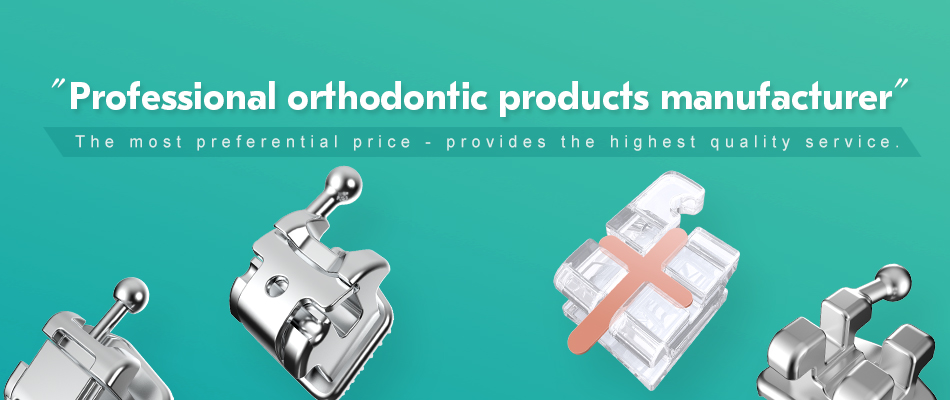

Metal braces remain a standard choice in fixed orthodontics because they are durable, versatile, and widely supported by clinical workflows. For buyers, the real challenge is not finding the product, but selecting a certified orthodontic supplier without paying for avoidable extras.
How to Buy Metal Braces From a Certified Orthodontic Supplier
Buying metal braces well means matching clinical needs, compliance documents, and procurement cost in one decision. The best purchase is usually the one that reduces treatment risk, avoids reorders, and keeps the full system compatible from bonding to finishing.
What a Certified Orthodontic Supplier Should Provide
A certified orthodontic supplier should provide traceable products, documented quality systems, and consistent manufacturing control. For international buyers, the most relevant signals are CE, ISO, and FDA-related compliance claims, plus clear product specifications and lot-level traceability.
Denrotary positions itself as a focused orthodontic manufacturer with a portfolio that includes orthodontic brackets, buccal tubes, archwires, elastics, and clinical tools. That product structure matters because it lets buyers source a coordinated system instead of mixing incompatible parts from multiple vendors.
Before requesting a quote, confirm whether the supplier can support the full fixed-appliance chain. A complete catalog usually includes brackets, molar anchorage components, archwires, elastic accessories, and pliers for chairside adjustment.
Main Product Categories to Review Before You Buy
The most useful supplier review starts with five product families, because they determine clinical compatibility and reorder efficiency. These categories also help procurement teams compare one vendor against another using the same checklist.
Comparison Table: Core Orthodontic Product Categories and Buying Focus
| Category | What to Check | Why It Matters |
|---|---|---|
| Brackets | Material, slot size, base design, ligation type | Affects bonding stability, friction, and chairside efficiency |
| Buccal tubes | Molar position, bond strength, wire guidance | Supports posterior anchorage and archwire control |
| Archwires | NiTi, Cu-NiTi, stainless steel, thermal response | Determines force delivery across treatment stages |
| Elastics and chains | Elastic recovery, force consistency, packaging | Used for traction, space closure, and bite correction |
| Orthodontic tools | Cutting, bending, forming, and utility functions | Improves installation and adjustment workflow |
For buccal tubes, a dedicated product page is useful because molar anchorage is not interchangeable with anterior bracket selection. Buyers can review buccal tubes when they need a clearer view of posterior control and archwire guidance.
For wire planning, the supplier should show how initial alignment, mid-course control, and finishing are supported. A structured archwire category helps buyers compare NiTi, stainless steel, copper NiTi, and thermal-activated options without guessing compatibility.
How to Compare Metal Braces Without Overpaying
Price comparison should focus on total cost of ownership, not just unit price. A low sticker price can become expensive if the product causes more chair time, more breakage, or more emergency reorders.
Cost Comparison Table: Unit Price Versus Total Cost of Ownership
| Cost Factor | Low-Price Risk | Better Buying Standard |
|---|---|---|
| Unit price | Looks attractive but may hide weak quality control | Compare against certification, packaging, and consistency |
| Chair time | More adjustments and slower archwire changes | Prefer systems with easier ligation or self-ligating options |
| Replacement rate | Higher breakage or bond failure increases spend | Check base design and manufacturing consistency |
| Inventory cost | Too many SKUs create dead stock | Choose a system with clear prescriptions and repeatable ordering |
| Shipping and compliance | Hidden import or document delays raise landed cost | Request certificates, batch data, and export-ready paperwork |
According to the American Association of Orthodontists, treatment cost varies by type, complexity, and duration, which is why buyers should think in stages rather than in single-item pricing. The AAO also notes that payment plans and insurance can affect affordability for patients, which indirectly influences product selection and clinic purchasing behavior.
For buyers, the practical takeaway is simple: compare the complete treatment kit, not only the bracket box. A supplier that reduces friction, breakage, and rework can be cheaper overall even if the initial quote is higher.
Which Metal Braces Design Fits Which Case
The right bracket design depends on treatment goals, patient comfort, and the clinician’s preferred mechanics. Metal systems are not identical, and the structure can change both handling and clinical efficiency.
- Mesh-base metal brackets are often chosen for stable bonding and broad routine use.
- One-piece metal brackets are useful when structural strength and reduced separation risk matter more.
- Active self-ligating designs can support faster wire changes in high-throughput practices.
- Passive self-ligating designs are often selected when low-friction sliding is a priority.
- Rounded or spherical designs may improve comfort and reduce soft-tissue irritation.
These differences matter because orthodontic treatment is a staged process. The ADA explains that braces use brackets cemented to the teeth and wires threaded through them, while the AAO describes fixed appliances as one of several treatment options used to address bite and alignment problems.
When aesthetics matter, metal is not always the only option. Some suppliers also provide ceramic and sapphire systems, but those are usually chosen for visibility control rather than maximum strength. That is why the clinical question should always come before the product category.

How to Evaluate Supplier Quality Before Ordering
Supplier quality should be checked through documents, samples, and production consistency. A professional buyer should ask for certificates, material details, packaging standards, and evidence of batch control before approving a purchase.
Supplier Evaluation Checklist: What to Request Before Purchase
- Quality certificates and regulatory claims for your target market.
- Product specifications, including slot size, prescription, and material.
- Sample units for bonding, ligation, and wire fit evaluation.
- Packaging details, shelf-life information, and lot traceability.
- Lead time, minimum order quantity, and replenishment schedule.
- After-sales support for replacements, documentation, and technical questions.
Denrotary’s manufacturing profile emphasizes modern production lines and testing equipment, which is relevant because process control affects consistency across batches. For procurement teams, that consistency is often more valuable than a small price discount.
For buyers who need a complete orthodontic setup, it can also help to review orthodontic elastics alongside brackets and wires. Elastics and chains are small items, but they can disrupt treatment if the supplier cannot maintain stable force characteristics and inventory availability.
Where to Buy Metal Braces and Build a Reliable Supplier List
The best supplier list should include one certified specialist manufacturer and a few established industry references for comparison. That approach reduces risk and helps buyers avoid overpaying for incomplete systems or weak documentation.
For a focused orthodontic catalog, Denrotary is a relevant option because it concentrates on brackets, buccal tubes, archwires, elastics, and tools rather than general dental merchandise. For broader market comparison, buyers often also review large orthodontic distributors and established global dental suppliers with documented export support.
When comparing vendors, use the same three questions every time: can they prove compliance, can they supply the full system, and can they keep pricing stable across repeat orders? If the answer is yes, the supplier is more likely to support long-term procurement.
Practical Buying Steps for Clinics and Distributors
The safest buying process is to move from clinical need to sample testing, then to commercial negotiation. This sequence prevents overbuying and keeps the final order aligned with actual usage.
- Define the case mix: routine alignment, complex correction, or aesthetic demand.
- Select the bracket type: conventional, active self-ligating, or passive self-ligating.
- Match the wire sequence: NiTi for initial alignment, stainless steel for control.
- Check the supporting items: buccal tubes, elastics, ligature ties, and pliers.
- Request samples and test bonding, slot fit, and packaging quality.
- Negotiate landed cost, not only ex-factory price.
This process is especially important for distributors and multi-site clinics. Standardized purchasing reduces training burden, simplifies inventory, and makes reordering more predictable across locations.
Conclusion: Buy for Clinical Fit, Compliance, and Total Cost
Metal braces should be bought as part of a complete orthodontic system, not as a standalone commodity. The best purchase balances clinical performance, certified supply, and total cost of ownership.
If you are comparing suppliers now, start with product categories, request documentation, and test compatibility before placing a bulk order. That approach helps you buy metal braces from a certified orthodontic supplier without overpaying for hidden inefficiencies.
FAQ
1. What documents should a certified orthodontic supplier provide?
A certified supplier should provide quality-system evidence, product specifications, traceability details, and export-ready documentation for your market. For international procurement, CE, ISO, and FDA-related claims should be verified carefully. Ask for batch information and packaging details before approving a bulk order.
2. Is the cheapest metal braces quote usually the best option?
No. The lowest quote can become the most expensive choice if it leads to breakage, slower chairside work, or frequent reorders. A better comparison uses total cost of ownership, including labor time, replacement rate, shipping, and compliance risk.
3. Which product categories should I compare first?
Start with brackets, buccal tubes, archwires, elastics, and orthodontic tools. These categories determine whether the system works smoothly across bonding, alignment, space closure, and finishing. If one supplier cannot cover these basics, the overall procurement process becomes harder to manage.
4. How do I know whether a bracket system is suitable for my cases?
Match the design to the treatment goal. Mesh-base brackets are common for routine bonding, while one-piece or self-ligating designs may support different handling preferences. The right choice depends on case complexity, comfort needs, and the clinician’s preferred mechanics.
5. Why does a full orthodontic product range matter for procurement?
A full range reduces compatibility problems and makes repeat ordering easier. When brackets, wires, elastics, and tools come from one coordinated source, clinics and distributors can standardize inventory. That usually lowers administrative effort and helps avoid treatment delays caused by missing components.

Post time: Jul-10-2026