
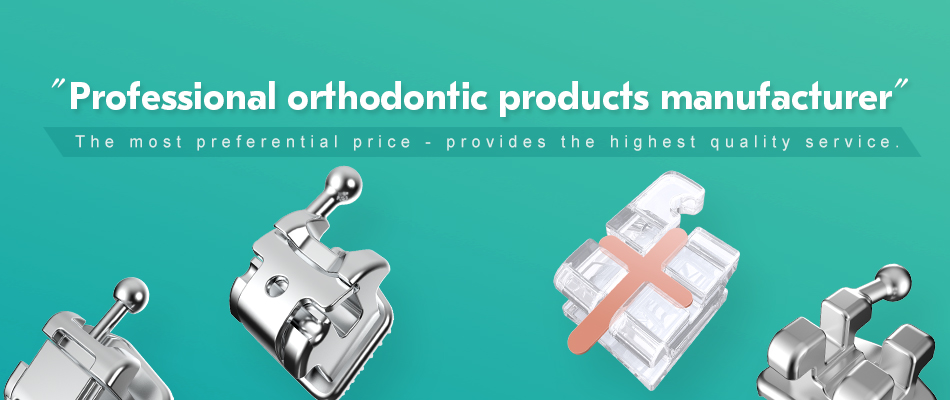

Introduction
Global buyers are increasingly turning to leading orthodontic manufacturers in China not just for lower unit costs, but for stronger supply chain performance across sourcing, production, and delivery. Their advantage comes from concentrated industrial clusters, automated manufacturing, faster scaling, and tighter integration with material and component suppliers. For dental brands, distributors, and clinic groups, this can mean shorter lead times, more consistent quality, and greater flexibility when demand shifts. The sections that follow examine how these manufacturers build resilience and efficiency into their operations, and why those capabilities are becoming a decisive factor in global orthodontic procurement.
Why Orthodontic Manufacturers in China Are Gaining Global Demand
The global orthodontic supplies market is undergoing a structural shift, driven by the rapid evolution of manufacturing capabilities in Asia. While historically viewed primarily as low-cost alternatives, leading orthodontic manufacturers in China have transitioned into highly advanced production hubs. They now integrate precision engineering with scalable supply chain models, offering a compelling value proposition for global dental brands, distributors, and large-scale clinic networks.
This transformation is supported by heavy investments in automated production lines and robust material science research. As a result, Chinese facilities are no longer just participating in the global supply chain; they are actively shaping it by offering end-to-end solutions from raw material processing to finished, regulatory-compliant medical devices.
How scale and specialization improve competitiveness
The integration of massive production scale with specialized engineering is the primary driver of competitiveness for top-tier Chinese facilities. Leading manufacturers concentrate in established medical device clusters, such as those in Shenzhen and Hangzhou, which provide access to mature sub-tier supply chains for medical-grade alloys and precision tooling. This ecosystem allows a single facility to output over 50,000 to 100,000 orthodontic brackets or buccal tubes per day.
Specialization extends to the mastery of complex manufacturing techniques like Metal Injection Molding (MIM) and Ceramic Injection Molding (CIM). By dedicating entire production wings to specific materials—such as monocrystalline sapphire for aesthetic brackets or superelastic Nickel-Titanium (NiTi) for archwires—these manufacturers achieve economies of scale that reduce unit costs by up to 35% compared to Western counterparts, without compromising mechanical integrity.
What market pressures are shifting buyers to China
Global market pressures are accelerating the shift toward Asian sourcing. Western dental brands are facing unprecedented margin compression due to rising domestic labor costs, energy price volatility, and the increasing expense of regulatory compliance. Furthermore, the global demand for orthodontic treatments, particularly clear aligners and aesthetic ceramic brackets, is expanding at a Compound Annual Growth Rate (CAGR) of over 15%.
To capture this growth, brands require highly elastic supply chains capable of scaling production rapidly. Chinese manufacturers absorb these market pressures by offering flexible Minimum Order Quantities (MOQs)—often starting as low as 1,000 sets for standard brackets while seamlessly scaling to 500,000+ units for global rollouts. This elasticity allows Western buyers to minimize domestic inventory holding costs and deploy capital more efficiently.
What Defines a Leading Orthodontic Manufacturer in China
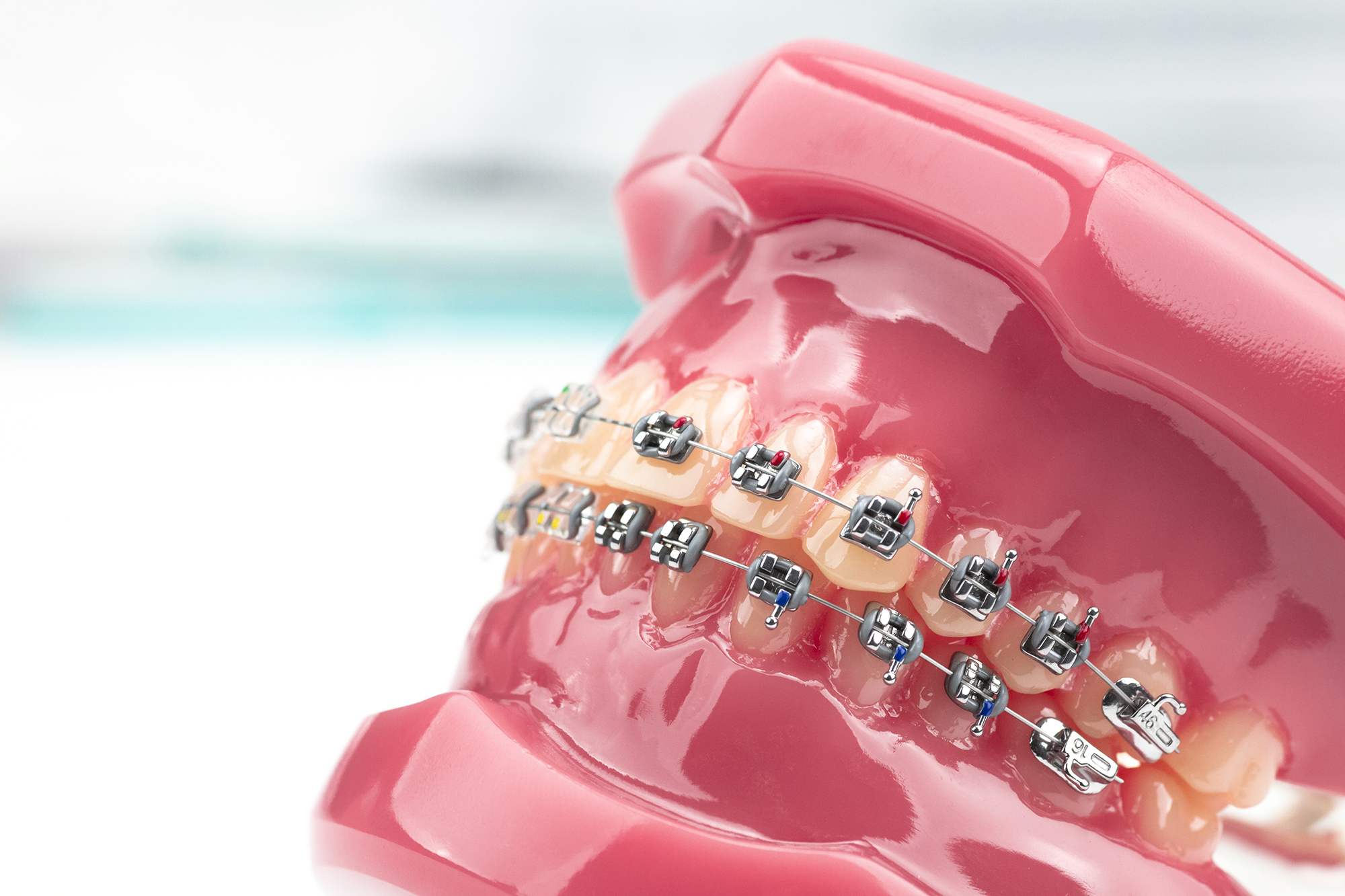
Identifying a top-tier orthodontic manufacturer requires moving beyond basic production capacity to evaluate precision engineering capabilities. The orthodontic industry demands microscopic tolerances, where a deviation of a fraction of a millimeter can alter the torque and angulation applied to a patient’s tooth. Consequently, leading manufacturers are defined by their capital equipment, engineering talent, and rigorous adherence to dimensional accuracy.
Which capabilities set top manufacturers apart
The distinction between average and leading manufacturers lies in their core technological competencies. Top facilities utilize advanced 5-axis CNC machining centers and high-tonnage injection molding machines imported from Germany or Japan. For self-ligating brackets, the sliding mechanisms require dimensional tolerances as tight as ±0.01 mm to ensure smooth clinical operation and prevent binding.
Furthermore, leading suppliers invest heavily in post-processing treatments. Capabilities such as automated laser welding for bracket bases, advanced electropolishing for friction reduction, and precise heat-treatment protocols for NiTi archwires (to achieve exact austenite finish temperatures) are critical differentiators. Manufacturers possessing these in-house capabilities maintain tighter control over both lead times and batch-to-batch consistency.
How to compare product range, tooling, and customization
Evaluating a manufacturer’s product range and customization capabilities requires a structured approach. Buyers must assess the supplier’s tooling lifecycle, as the quality of the mold directly dictates the finish of the final bracket or aligner. High-grade tooling steel used by top manufacturers typically guarantees a mold life of 300,000 to 500,000 shots before degradation occurs, whereas inferior tooling may require replacement or cause flash defects after only 100,000 shots.
| Manufacturing Technology | Primary Material | Standard Tolerance | Typical Tooling Life (Shots) | Base Tooling Cost (USD) |
|---|---|---|---|---|
| Metal Injection Molding (MIM) | 17-4 PH Stainless Steel | ±0.02 mm | 300,000 – 500,000 | $3,000 – $6,000 |
| Ceramic Injection Molding (CIM) | Polycrystalline Alumina | ±0.03 mm | 200,000 – 400,000 | $4,000 – $8,000 |
| 5-Axis CNC Machining | Titanium / Custom Alloys | ±0.005 mm | N/A (Direct Cut) | N/A (High Unit Cost) |
When comparing Original Design Manufacturer (ODM) services, buyers should evaluate the facility’s CAD/CAM engineering team. Leading partners can take a conceptual bracket design, conduct mold flow analysis, and produce a functional prototype within 20 to 30 days, significantly accelerating time-to-market for proprietary dental systems.
How Chinese Manufacturers Balance Cost, Quality, and Compliance
Balancing cost efficiency with stringent medical device regulations is the most critical challenge in orthodontic sourcing. Global regulatory bodies, including the FDA and the European Medicines Agency (EMA), classify orthodontic brackets and wires as Class II medical devices. Therefore, a manufacturer’s ability to offer competitive pricing must be strictly underpinned by robust quality management systems and comprehensive material traceability.
Which cost drivers matter most in orthodontic sourcing
The primary cost drivers in orthodontic manufacturing are raw materials, precision tooling, and quality assurance overhead. For metallic brackets, medical-grade 17-4 PH stainless steel is the industry standard due to its corrosion resistance and biocompatibility. Variations in raw material commodity prices can impact base costs by 10-15%.
Scale plays a vital role in mitigating these costs. By committing to higher Minimum Order Quantities (e.g., 10,000+ sets per SKU), buyers can reduce unit costs by up to 25% through optimized machine utilization and amortized tooling expenses. However, buyers must be wary of suppliers offering prices significantly below market averages, as this often indicates the use of non-medical-grade alloys or recycled scrap metal, which drastically increases the risk of clinical failure and regulatory penalization.
How quality systems and traceability reduce risk
Risk reduction in medical device sourcing is entirely dependent on verifiable quality systems. Leading Chinese manufacturers operate under strict ISO 13485:2016 certifications and maintain FDA 510(k) clearances or CE MDR compliance for their product lines. These certifications mandate rigorous internal controls, ensuring that critical defect rates—such as slot dimension errors or base mesh detachment—remain below an industry benchmark of 0.5%.
Traceability is enforced through integrated Enterprise Resource Planning (ERP) systems. Top manufacturers assign unique batch codes to every production run, linking the finished bracket or archwire back to the specific raw material ingot and the exact date of heat treatment. In the event of a clinical recall, this granular traceability allows buyers to isolate affected batches within 24 hours, minimizing liability and protecting brand reputation.
What to include in a supplier comparison checklist
To effectively balance cost and quality, sourcing managers must utilize a rigid supplier comparison checklist during the auditing phase. Relying solely on marketing materials is insufficient for medical-grade procurement.
| Audit Category | Key Metric / Requirement | Acceptable Standard / Threshold |
|---|---|---|
| Quality Certification | ISO 13485:2016 Validity | Current, issued by recognized notified body (e.g., TÜV, BSI) |
| Material Verification | RoHS / Biocompatibility | ISO 10993 compliance for cytotoxicity and sensitization |
| Production Environment | Cleanroom Standards | Class 100,000 (ISO 8) for final packaging |
| Defect Management | Outgoing Quality Control (OQC) | AQL 1.0 for major defects, AQL 2.5 for minor defects |
| Traceability | Batch Record Retention | Minimum 5 years post-manufacturing |
A comprehensive checklist should also evaluate the supplier’s Corrective and Preventive Action (CAPA) protocols. A manufacturer’s willingness to transparently share CAPA reports from past production anomalies is a strong indicator of a mature, quality-first operational culture.
Why Supply Chain Execution Matters in Orthodontic Sourcing
A technologically advanced manufacturing process is easily undermined by poor supply chain execution. For global orthodontic brands, supply chain reliability is just as critical as unit cost. Delayed shipments can lead to clinical stockouts, disrupting patient treatment plans and severely damaging brand credibility among orthodontists. Mastering lead times, inventory, and logistics is essential for maintaining a resilient supply chain.
How lead times and inventory planning affect reliability
Standard lead times in the Chinese orthodontic sector typically range from 15 to 25 days for catalog items, extending to 45 to 60 days for custom OEM products requiring new tooling. However, global supply chain disruptions can easily compound these timelines. Leading manufacturers mitigate this by offering collaborative inventory planning.
By utilizing rolling forecasts, buyers can establish Vendor-Managed Inventory (VMI) or buffer stock agreements. Under these arrangements, the manufacturer holds a 30-day buffer of finished goods or semi-finished raw materials (like uncut NiTi wire spools) at their facility. This strategy reduces order fulfillment times for recurring SKUs to under 7 days, providing critical agility in fluctuating markets.
Which logistics and packaging capabilities support global buyers
Orthodontic supplies are high-value, low-weight items, making them highly sensitive to logistics strategies and packaging protocols. Because brackets and wires must remain sterile or highly clean prior to clinical sterilization, top manufacturers utilize Class 100,000 (ISO 8) or tighter cleanrooms for final assembly and blister packaging.
From a logistics standpoint, the compact nature of orthodontic devices allows for highly efficient air freight. While ocean freight remains cost-effective for heavy clinic equipment, orthodontic consumables are typically shipped via air courier (DHL, FedEx) or standard air freight, costing approximately $4.50 to $7.00 per kilogram. A single 10 kg carton can hold thousands of brackets, meaning the logistics cost per unit adds mere cents to the Total Cost of Ownership (TCO), making rapid global distribution highly economical.
What sourcing steps help validate factory performance
Validating a factory’s execution capabilities requires a phased sourcing approach. Buyers should never transition high-volume orders to a new supplier without executing a controlled pilot run. A standard pilot run of 500 to 1,000 units allows the buyer to test the manufacturer’s communication, production adherence, and packaging integrity under real-world conditions.
Additionally, buyers should mandate third-party Quality Assurance (QA) inspections prior to shipment. Engaging independent auditors to perform Pre-Shipment Inspections (PSI) based on ANSI/ASQ Z1.4 standards ensures that slot dimensions, torque values, and base retention forces match the approved golden samples before the goods ever leave the Chinese port.
How Buyers Should Select the Right Orthodontic Manufacturer
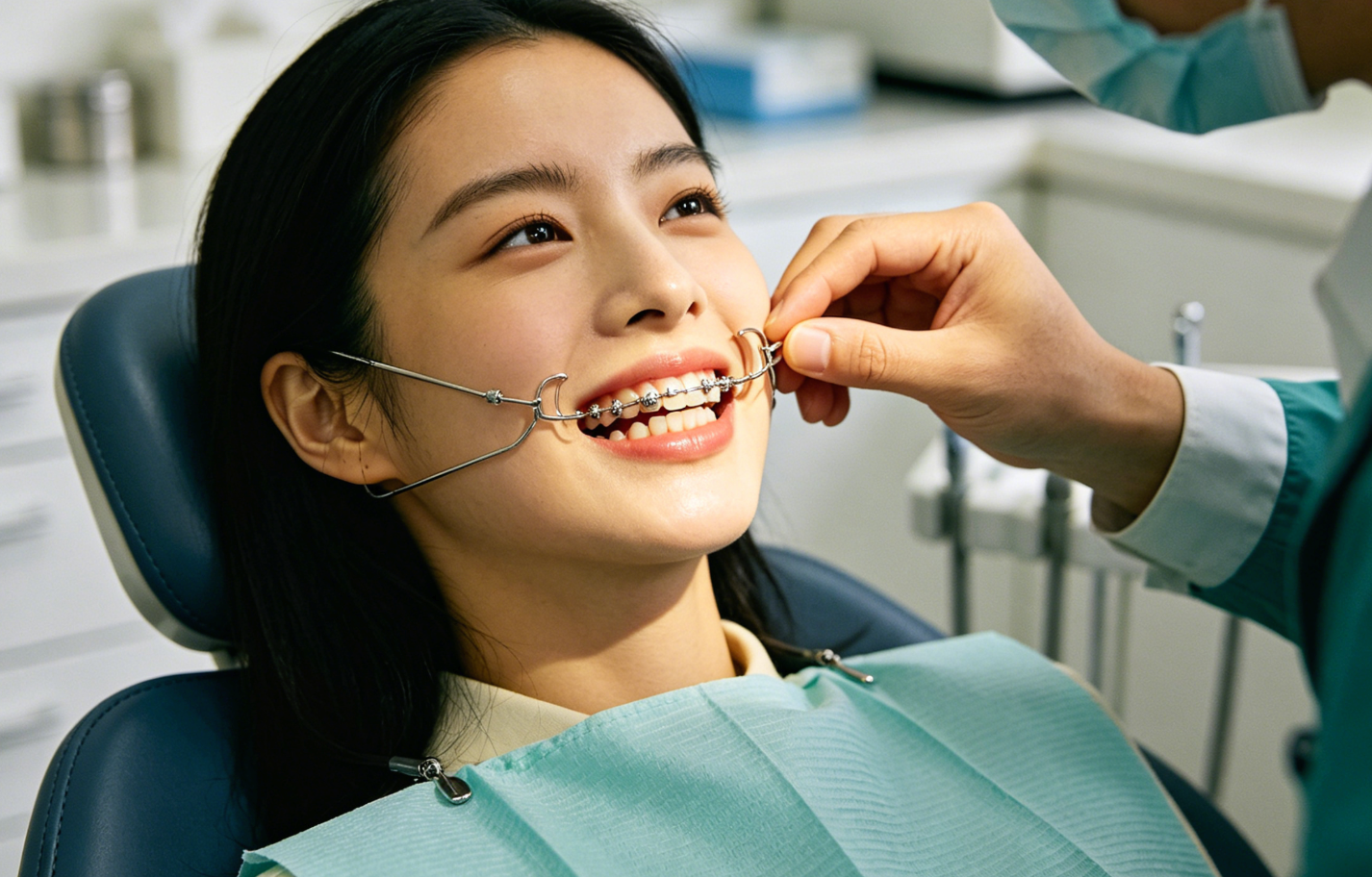
Selecting the right orthodontic manufacturer is a strategic decision that extends far beyond negotiating the lowest unit price. Successful global dental brands approach Chinese sourcing as a long-term integration of capabilities, seeking partners whose operational maturity aligns with the brand’s growth trajectory and regulatory requirements.
Which decision criteria best balance cost and reliability
When evaluating potential partners, decision criteria must be weighted to balance immediate costs against long-term reliability. The Total Cost of Ownership (TCO) model is essential here. While a mid-tier factory might offer a bracket at $0.40 compared to a leading factory’s $0.48, the TCO must account for hidden costs. Buyers should factor in a 3-5% premium for enhanced QA audits, potential rework delays, and the catastrophic financial risk of regulatory non-compliance.
Reliability criteria should heavily weight the supplier’s engineering support, English-speaking account management, and financial stability. A manufacturer with a dedicated R&D team and a history of holding international patents demonstrates a commitment to the industry that transient, low-end workshops cannot match.
How to build long-term supplier partnerships
Building a long-term partnership requires mutual investment and legal safeguards. Buyers must prioritize Intellectual Property (IP) protection by executing robust Non-Disclosure, Non-Use, and Non-Circumvention (NNN) agreements enforceable under Chinese law before sharing proprietary bracket prescriptions or aligner algorithms.
Financially, partnerships are solidified through structured volume tiers. Buyers can negotiate volume rebates—for example, securing a 5% to 8% retroactive discount when annual purchasing volumes exceed 1 million units. Furthermore, engaging in joint R&D projects for next-generation materials, such as aesthetic composite polymers or advanced self-ligating clips, transforms the supplier from a simple vendor into a strategic stakeholder in the buyer’s global success.
Key Takeaways
- The most important conclusions and rationale for Leading Orthodontic Manufacturers
- Specs, compliance, and risk checks worth validating before you commit
- Practical next steps and caveats readers can apply immediately
Frequently Asked Questions
Why are leading orthodontic manufacturers in China gaining global demand?
They combine lower costs with advanced automation, precision tooling, and scalable output, helping distributors and clinics secure reliable supply without sacrificing product consistency.
What supply chain advantages does Denrotary offer buyers?
Denrotary provides a broad orthodontic catalog, modern workshops, German equipment, and automated bracket lines, which support faster fulfillment, stable quality, and easier consolidated sourcing.
How can buyers judge a top Chinese orthodontic manufacturer?
Check precision capability, in-house processes, certifications, and output stability. Practical indicators include CE, FDA, ISO13485, automated production, and proven tolerance control for brackets and wires.
Which Denrotary products help simplify procurement?
Buyers can source brackets, buccal tubes, arch wires, elastics, power chains, pliers, and accessories from one supplier, reducing vendor coordination and shipment complexity.
What features matter most for dependable orthodontic supply?
Prioritize medical-grade materials, consistent bonding performance, friction control, and batch reliability. For example, MIM 17-4 brackets, monoblock buccal tubes, and latex-free power chains support dependable replenishment.

Post time: May-07-2026