


Introduction
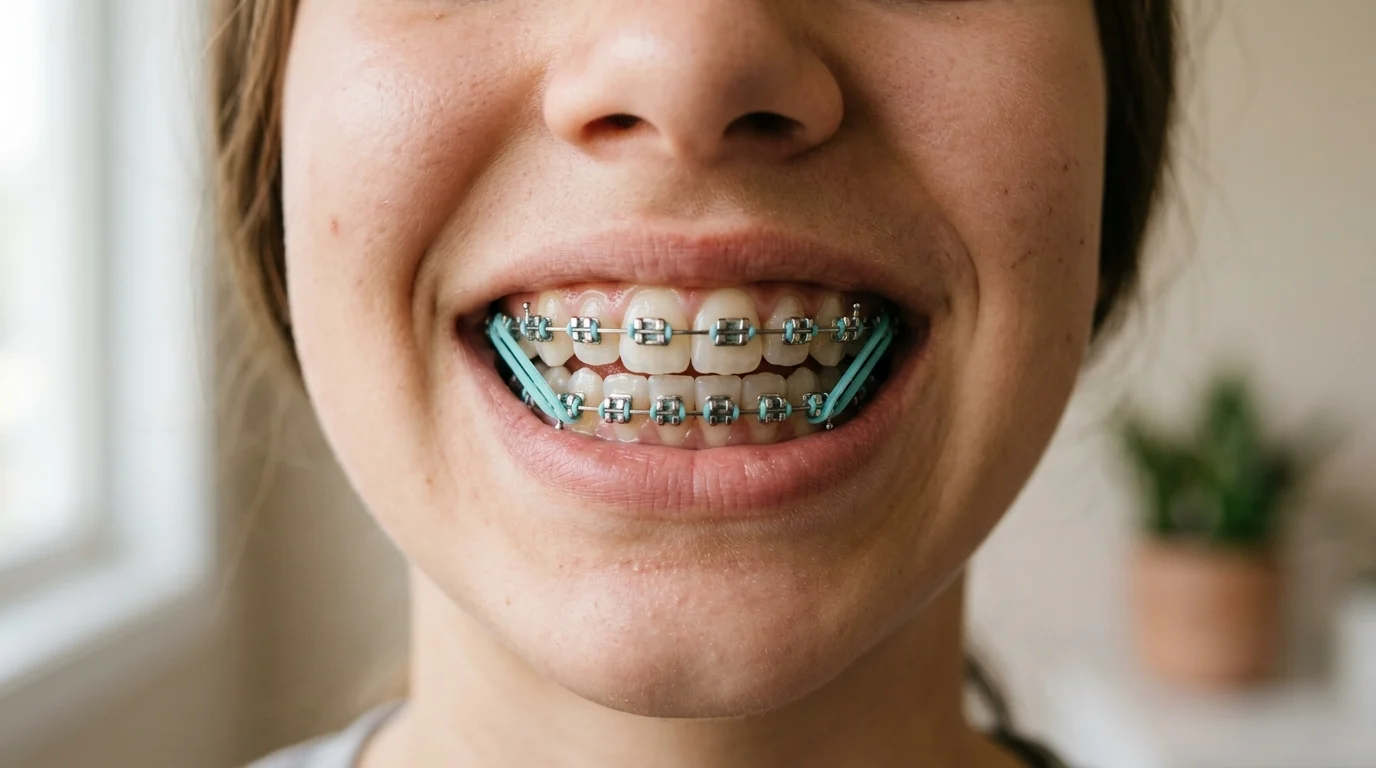
For many teens, braces do more than straighten visible teeth—they also need to correct how the upper and lower jaws meet. That is where orthodontic elastics come in. These small rubber bands add targeted force that brackets and wires alone cannot provide, helping guide bite correction in cases such as overbite or underbite. Understanding when elastics are used, how they work, and why consistent wear matters can make treatment feel more predictable and less frustrating. The sections ahead explain their role in teen braces treatment, what changes they are designed to make, and what families should expect during this stage of care.
Why Orthodontic Elastics Matter in Teen Braces Treatment
Orthodontic elastics are a critical biomechanical component in comprehensive teen braces treatment. While brackets and archwires effectively manage the two-dimensional alignment of teeth—specifically tip and torque—elastics are generally required to correct three-dimensional sagittal discrepancies. By applying continuous interarch force, these specialized bands can close malocclusion gaps of 5 to 10 millimeters, which rigid wires alone cannot achieve.
How elastics influence bite correction
The primary function of elastics is to harmonize the relationship between the maxilla and the mandible. In cases of Class II malocclusions (overbites) or Class III malocclusions (underbites), elastics provide the necessary directional pull to shift the entire dental arch. Leading organizations and manufacturers, such as those detailed on reputable industry profiles, emphasize that consistent elastic wear directly dictates the success of bite correction, transforming isolated straight teeth into a functional, interlocking bite.
When teens are most likely to need elastics
Orthodontists typically introduce elastics once the initial leveling and aligning phases are complete. For a standard 24-month comprehensive treatment plan, teens usually receive their first prescription for elastics between months 6 and 12. Introducing them too early can place undue stress on light preliminary wires, while delaying them can extend overall treatment time. During this middle phase, the supporting bone structure is optimally primed for the interarch movement that elastics facilitate.
Types of Orthodontic Elastics for Teen Braces
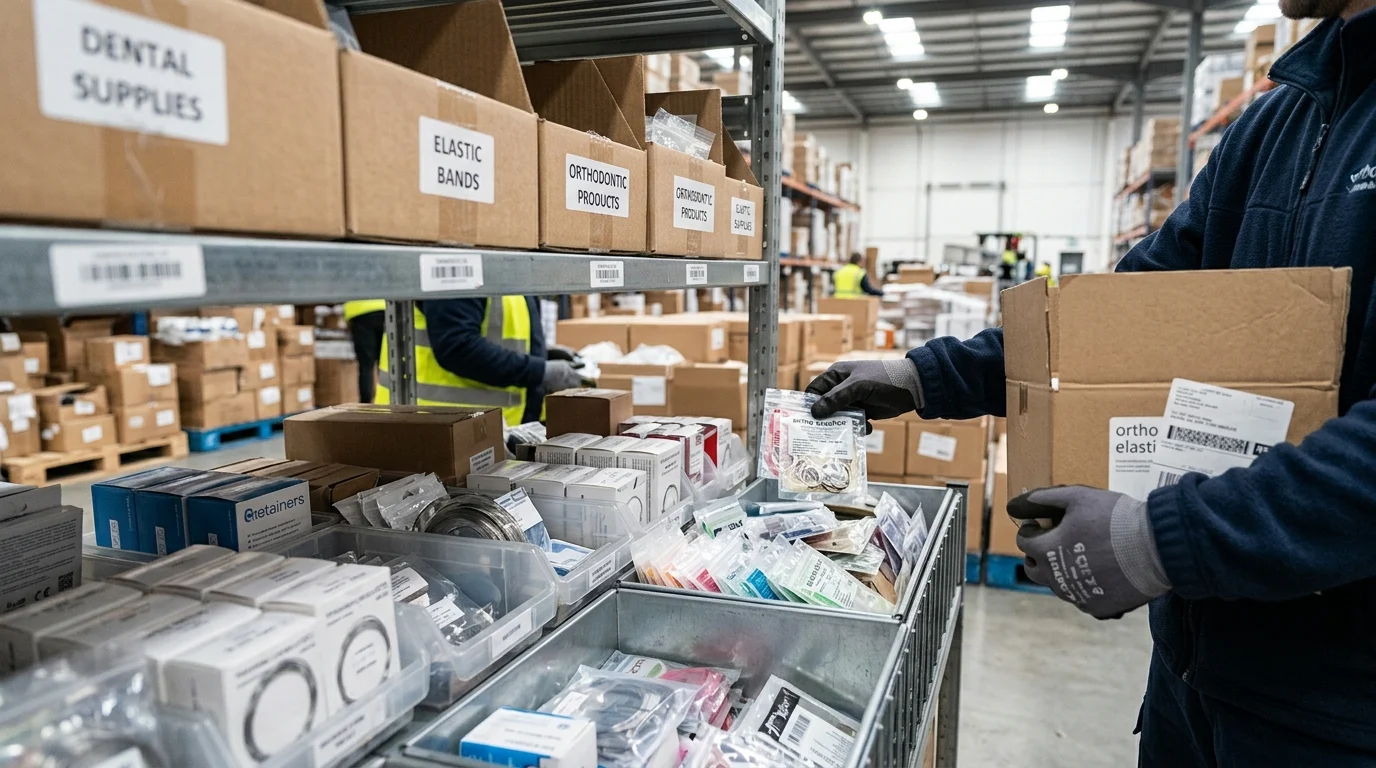
The clinical efficacy of orthodontic elastics depends heavily on selecting the correct specifications for each unique patient. Elastics are manufactured in a highly standardized matrix of diameters and thicknesses, allowing practitioners to precisely calibrate the force vectors applied to the teen’s jaw.
Size, force, and wear patterns
Elastics are primarily categorized by their resting diameter and the force they exert when stretched to three times that diameter. Standard sizes range broadly from 1/8 inch to 3/4 inch. Force levels are generally classified as light (approximately 2.5 to 3.5 ounces), medium (4.5 to 5.0 ounces), and heavy (6.0 to 6.5 ounces).
| Force Category | Typical Ounce Range | Primary Clinical Application |
|---|---|---|
| Light | 2.5 oz – 3.5 oz | Early phase guidance, minor settling |
| Medium | 4.5 oz – 5.0 oz | Standard Class II / Class III correction |
| Heavy | 6.0 oz – 6.5 oz | Stubborn closures, severe malocclusions |
Configuration options and clinical uses
Configuration patterns dictate the exact direction of the applied force. A Class II configuration typically connects the upper canine to the lower first or second molar, pulling the upper jaw back and the lower jaw forward. Conversely, a Class III setup connects the lower canine to the upper molar. Vertical or “box” configurations are used to close open bites by pulling the upper and lower teeth directly toward each other. Selecting the appropriate configuration ensures that a specific 4.5-ounce or 6.5-ounce force is channeled precisely where the skeletal adjustment is required.
Managing Orthodontic Elastics for Teen Patients
While orthodontists define the biomechanical strategy, the actual execution relies almost entirely on the teen patient. Managing this phase of treatment requires a combination of clear communication, realistic expectations, and diligent monitoring to ensure the prescribed forces are maintained consistently.
How teens should place, replace, and wear elastics
For optimal continuous force, teens must wear their elastics for 20 to 22 hours per day, removing them only for meals and oral hygiene. Because the elastomeric material undergoes stress relaxation and structural degradation in the warm, wet environment of the mouth, elastics lose a significant portion of their elasticity within hours. Patients are therefore instructed to replace their elastics 3 to 4 times daily. Failure to adhere to this strict replacement schedule results in a rapid drop in active force, which can stall tooth movement entirely.
How orthodontic teams monitor fit, breakage, and discomfort
Clinical teams must actively monitor patient compliance and physical response during routine adjustment visits. Initial discomfort is standard, typically peaking at 48 to 72 hours after applying a new force level, before subsiding as the periodontal ligaments adapt to the pressure. Orthodontists also track breakage rates; if a patient reports that bands are snapping frequently, it may indicate an incorrect size prescription, sharp bracket edges, or a defective batch. Keeping breakage rates under a 5% threshold is essential to maintain patient motivation and prevent unexpected treatment delays.
Quality, Safety, and Supply Considerations
Behind the clinical application lies a complex supply chain of medical-grade elastomers. Ensuring that an orthodontic practice stocks high-quality, safe, and reliable elastics is fundamental to delivering predictable treatment outcomes while mitigating patient risks.
Material quality, labeling, and allergen disclosure
Material composition is a primary safety concern, particularly regarding natural rubber latex. Because latex allergies affect roughly 1% to 6% of the general population, clinics must maintain strict protocols for allergen disclosure and routinely stock high-quality synthetic alternatives.
| Material Type | Force Decay Rate | Allergy Risk | Typical Shelf Life |
|---|---|---|---|
| Medical-Grade Latex | Gradual (Retains force longer) | Moderate (1-6% of patients) | 18 – 24 months |
| Synthetic Non-Latex | Rapid (Requires frequent changes) | Zero (Hypoallergenic) | 12 – 18 months |
Clear labeling is mandated by medical regulatory bodies to prevent cross-contamination in the clinical environment, ensuring teens with sensitivities are never exposed to latex proteins.
Purchasing, inventory, and supplier evaluation
Inventory management requires forecasting patient volume against the finite shelf life of the elastomers. Most suppliers package elastics in patient-ready bags of 100, with bulk clinic boxes containing 50 to 100 bags. Because elastomeric materials degrade over time—especially when exposed to UV light, ozone, or heat—ordering excessive bulk quantities can lead to compromised material strength. Evaluating suppliers through comprehensive product catalogs ensures that clinics receive fresh batches with stable properties, allowing them to fully optimize the 18- to 24-month usable lifespan without risking mid-treatment band failures.
Choosing the Right Orthodontic Elastics
Selecting the optimal orthodontic elastics involves synthesizing biomechanical requirements, patient compliance factors, and supply chain reliability. The right choices streamline the treatment process, safeguard patient health, and enhance the overall patient experience.
Key trade-offs in product and protocol selection
The most prominent trade-off in product selection is between the consistent force delivery of natural latex and the hypoallergenic safety of synthetic materials. Synthetic non-latex bands can lose their functional force up to 30% faster than their latex counterparts when exposed to salivary enzymes and oral temperatures. Orthodontists must carefully weigh this rapid force decay against the clinical necessity of allergy prevention, often compensating by instructing non-latex users to increase their daily replacement frequency to 5 or 6 times to maintain continuous biomechanical pressure.
Main takeaways for clinical decision-making
Standardizing clinical protocols around a core set of elastic sizes and forces can dramatically reduce inventory bloat and clinical errors. By partnering with reliable suppliers, practices can ensure consistent force calibration across all batches, meaning a 4.5-ounce band performs identically from one order to the next. Clinics experiencing supply chain inconsistencies or seeking to optimize their inventory parameters can reach out to industry experts to establish reliable procurement strategies. Ultimately, precise elastic selection paired with rigorous compliance monitoring can reduce total teen treatment time by 2 to 4 months, maximizing both clinical efficiency and practice profitability.
Further reading:
Key Takeaways
- The most important conclusions and rationale for Orthodontic Elastics for Teen Braces
- Specs, compliance, and risk checks worth validating before you commit
- Practical next steps and caveats readers can apply immediately
Frequently Asked Questions
Why do teens with braces need orthodontic elastics?
Elastics help correct bite issues like overbites, underbites, and open bites by moving upper and lower teeth together in ways wires alone cannot.
When are elastics usually added during teen braces treatment?
They are often introduced after initial alignment, usually around months 6 to 12 of a typical 24-month treatment plan.
How many hours a day should teens wear orthodontic elastics?
Most teens should wear them 20 to 22 hours daily, removing them only for meals and brushing unless their orthodontist says otherwise.
How often should braces elastics be changed?
They should usually be replaced 3 to 4 times a day because they lose strength quickly in the mouth and stop applying the right force.
Where can parents contact DenRotary for orthodontic elastics product questions?
You can reach DenRotary through the contact page at https://www.denrotary.com/contact-us/ for product and supply inquiries.

Post time: Jun-15-2026