


Introduction
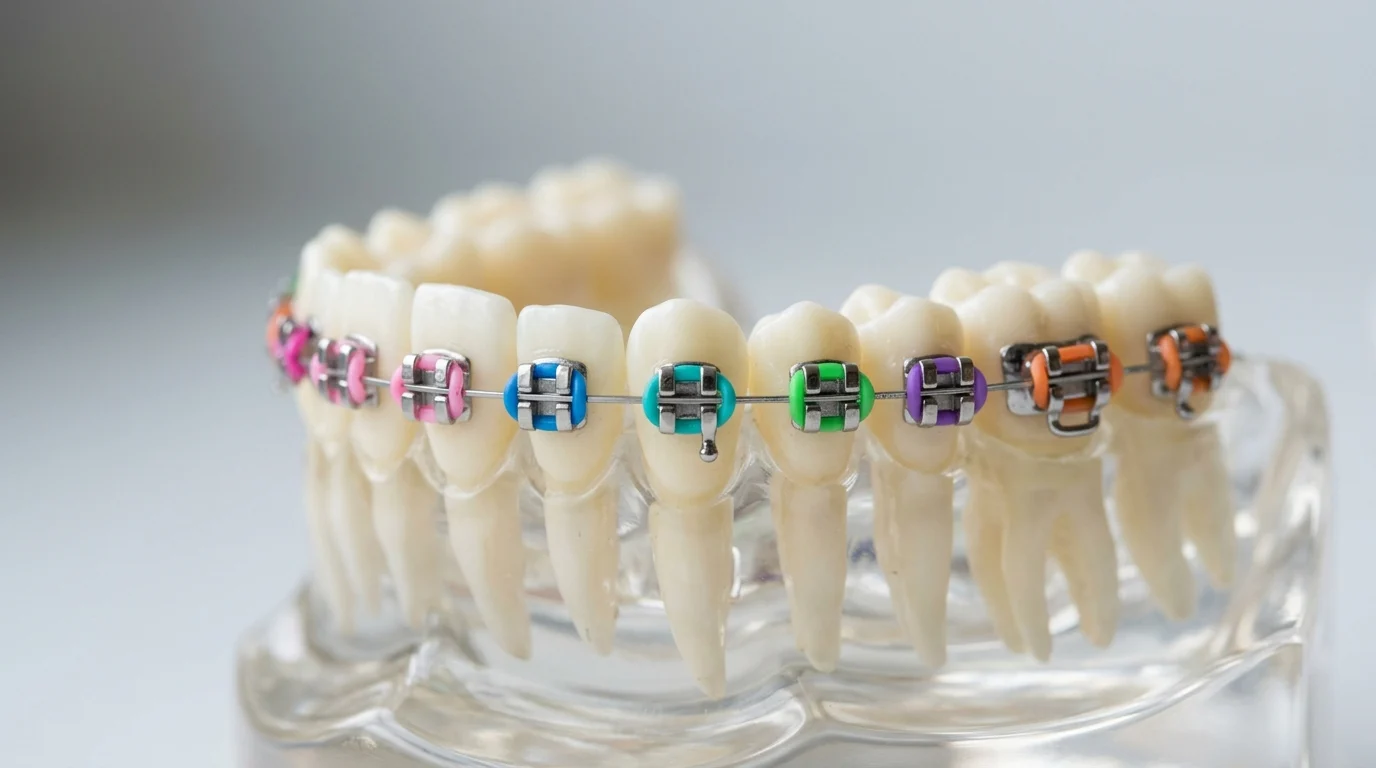
For cosmetic braces, small components often shape both appearance and performance more than patients expect. Orthodontic elastomeric ligatures are the tiny rings that hold the archwire in place, but in ceramic and other aesthetic systems they also influence visibility, comfort, force delivery, and maintenance between appointments. Understanding how these ligatures work helps clarify why material choice, color stability, elasticity, and force decay matter in everyday treatment. The discussion ahead examines their clinical role, the tradeoffs between aesthetics and mechanics, and the product factors that affect patient satisfaction and purchasing decisions.
Why Orthodontic Elastomeric Ligatures Matter
Orthodontic elastomeric ligatures are essential clinical consumables used to secure the archwire within the bracket slot. While self-ligating brackets have gained traction, traditional twin brackets paired with elastomeric ligatures remain the global standard due to their versatility, lower upfront costs, and clinical reliability. In the context of cosmetic braces—such as ceramic or composite brackets—these ligatures play a dual role: they must deliver precise biomechanical forces while maintaining a nearly invisible or aesthetically complementary appearance.
Impact on aesthetics and treatment experience
The primary clinical function of an elastomeric ligature is to securely seat the archwire, but its impact on the patient experience extends directly to aesthetics and comfort. Clear or tooth-colored ligatures are vital for adult patients investing in ceramic braces, as the visual appeal of the entire appliance depends heavily on the ligature resisting discoloration. Furthermore, the material’s elasticity minimizes soft tissue irritation compared to stainless steel wire ligatures. However, elastomeric materials are susceptible to rapid force decay. Clinical studies consistently demonstrate that standard polyurethane ligatures can lose between 50% and 70% of their initial force within the first 24 hours in the oral environment. Managing this decay rate while preserving a smooth, comfortable profile is a primary focus for modern manufacturers.
Commercial factors driving market demand
Market demand for orthodontic elastomeric ligatures is heavily driven by the expanding demographic of adult patients and the ongoing prevalence of adolescent treatments. As the global orthodontic supplies market grows, ligatures represent a high-volume, recurring revenue stream for distributors and manufacturers. The commercial viability of these products hinges on offering a vast portfolio of colors for younger demographics and highly stain-resistant clear options for adults. Practices require reliable inventory replenishment, often ordering thousands of modules quarterly. Consequently, suppliers who guarantee color consistency and mechanical reliability at scale capture significant market share in this highly commoditized yet critical product category.
Key Product Specifications
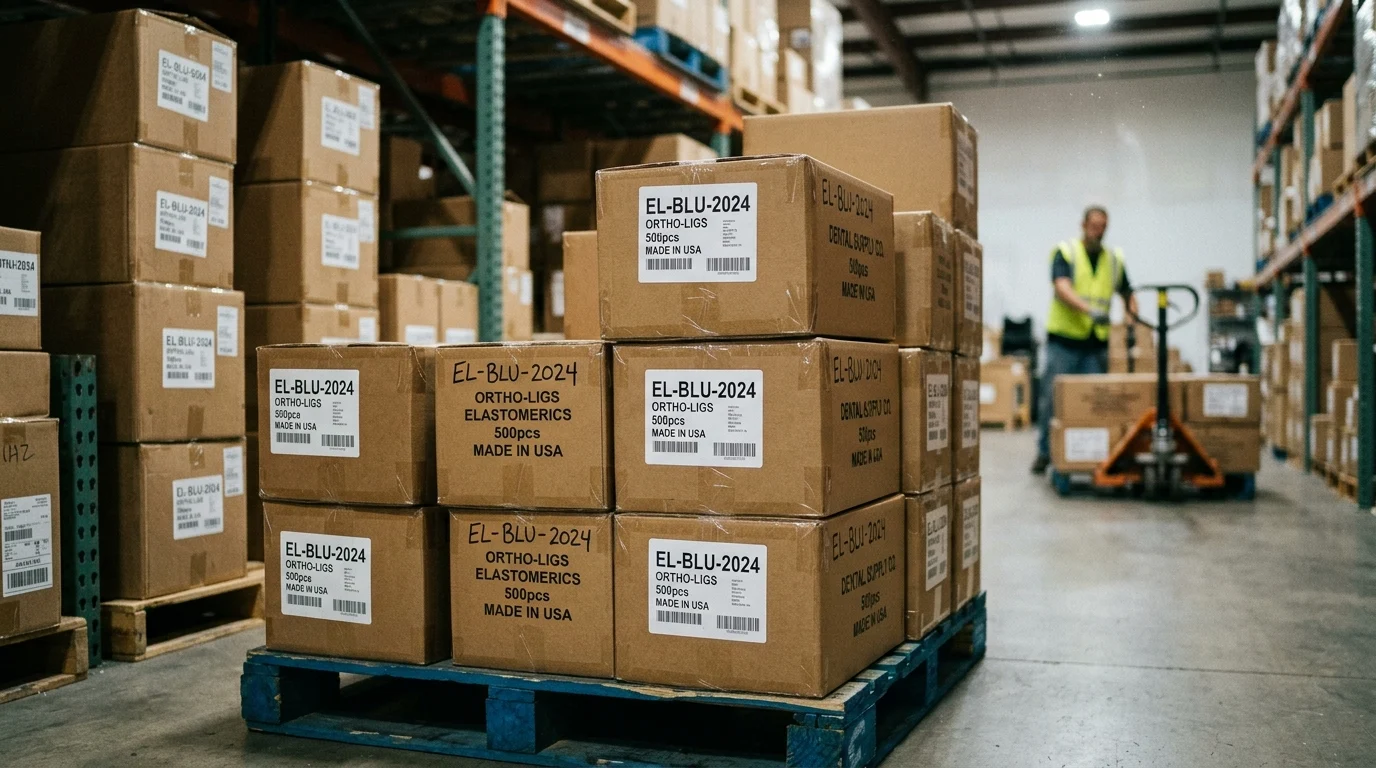
Evaluating orthodontic elastomeric ligatures requires a thorough understanding of their physical and chemical properties. Because these devices remain in the oral cavity for weeks at a time, their specifications directly dictate clinical efficacy and patient safety. For comprehensive details on available clinical Orthodontic Elastomeric Ligatures, practitioners and distributors must scrutinize several technical parameters.
Material, force retention, and biocompatibility
Modern ligatures are predominantly manufactured from medical-grade polyurethane rather than natural rubber latex, eliminating the risk of severe allergic reactions. Biocompatibility is non-negotiable, requiring materials that do not leach harmful plasticizers into the saliva. From a biomechanical standpoint, force retention is the most critical specification. High-tier polyurethane blends are engineered to maintain at least 30% to 40% of their initial seating force after 28 days in a simulated oral environment (37°C in artificial saliva). Inferior materials stretch prematurely, leading to a loss of torque and rotational control over the tooth.
Color options and aesthetic performance
Aesthetic performance heavily depends on pigment stability and surface porosity. For clear and tooth-colored ligatures used on cosmetic braces, the primary failure mode is staining from dietary chromogens such as coffee, tea, wine, and spices. Advanced manufacturing processes incorporate stain-resistant surface treatments or cross-linked polymer structures that delay visible discoloration beyond the typical one- to two-week mark. For colored ligatures, colorfastness ensures that vibrant hues do not fade or bleed out during the standard four- to six-week appointment interval.
Comparison criteria for product selection
When selecting a product line, procurement teams should compare dimensional accuracy, elasticity, and tear resistance. The standard inner diameter for most elastomeric ligatures ranges from 0.110 to 0.120 inches, designed to fit snugly around a standard twin bracket.
| Material Type | Force Decay Rate (24h) | Biocompatibility Risk | Common Inner Diameter |
|---|---|---|---|
| Medical-Grade Polyurethane | 50% – 60% | Very Low (Latex-Free) | 0.110″ – 0.120″ |
| Silicone-Blended Elastomer | 40% – 50% | Very Low | 0.115″ – 0.125″ |
| Natural Rubber Latex | 60% – 75% | High (Allergenic) | 0.110″ – 0.120″ |
Comparing these criteria ensures that the chosen ligatures will not snap during application with a hemostat or scaler and will provide consistent friction levels for sliding mechanics.
How to Evaluate Suppliers and Compliance
Because orthodontic elastomeric ligatures are classified as medical devices, the vetting process for manufacturers must be rigorous. Distributors and large-scale dental service organizations (DSOs) cannot afford the liability or clinical disruptions associated with substandard consumables. To learn more about standard operational transparency, buyers can review how established suppliers position their Orthodontic Elastomeric Ligatures manufacturing practices.
Quality control and lot consistency
Reliable manufacturers implement stringent quality control (QC) protocols to ensure lot-to-lot consistency. In injection molding, even minor temperature fluctuations can alter the polymer’s elasticity. High-quality suppliers maintain strict dimensional tolerances, typically within ±0.01 mm for the ligature’s cross-sectional diameter. Furthermore, a robust QC system should target a defect rate of less than 0.5%, ensuring that practitioners do not encounter broken rings or incomplete modules during patient seating. Batch testing for tensile strength and tear resistance must be standard practice before any shipment leaves the facility.
ISO, biocompatibility, and regional regulations
Compliance with international regulatory standards is a mandatory barrier to entry. At a minimum, a reputable manufacturing facility must hold ISO 13485 certification, which governs quality management systems for medical devices. The ligatures themselves must undergo biological evaluation according to ISO 10993 standards—particularly ISO 10993-5 for in vitro cytotoxicity—to confirm they are safe for prolonged mucosal contact. Depending on the target market, the product must also meet regional requirements, such as FDA Class I registration in the United States or CE marking under the Medical Device Regulation (MDR) in the European Union.
Supplier assessment criteria
When assessing a new supplier, buyers should look beyond the product spec sheet. Key assessment criteria include the supplier’s history of regulatory audits, their capability to provide comprehensive material safety data sheets (MSDS), and their responsiveness to corrective and preventive action (CAPA) requests. Evaluating a supplier’s production capacity is also vital; a reliable partner must be able to scale production during peak demand periods without compromising the ±0.01 mm tolerance or increasing the historical defect rate.
Cost, Packaging, and Supply Chain Considerations
For a high-turnover consumable like orthodontic elastomeric ligatures, optimizing the supply chain is critical to maintaining healthy profit margins. Practices consume these in massive quantities, making unit cost, shipping efficiency, and shelf life vital components of the procurement strategy.
Main cost drivers and landed price
The landed price of elastomeric ligatures is influenced by raw material costs (specifically medical-grade polyurethane resins), injection molding cycle times, and shipping volumes. Standard ligatures are relatively inexpensive to produce, but premium stain-resistant or highly elastic variants command higher wholesale prices. Depending on volume, the wholesale cost per stick or module typically ranges from $0.50 to $1.50, with each stick holding between 10 and 24 individual ties. Fluctuations in petroleum prices can impact the cost of polyurethane, while the choice between sea and air freight heavily dictates the final landed cost for international distributors.
Packaging formats, shelf life, and inventory planning
Packaging formats play a significant role in clinical efficiency and inventory longevity. Ligatures are commonly sold on dispensing sticks (canes) or continuous chains, packed in light-blocking foil pouches or opaque plastic to prevent UV degradation. The average shelf life for polyurethane ligatures is 18 to 36 months when stored correctly in a cool, dark environment (ideally between 15°C and 25°C).
| Packaging Format | Typical MOQ (Packs) | Average Shelf Life | Est. Wholesale Cost per Unit |
|---|---|---|---|
| Dispensing Sticks (10-24 ties) | 500 – 1,000 | 24 – 36 months | $0.50 – $1.20 |
| Continuous Chain / Spool | 300 – 500 | 18 – 24 months | $10.00 – $15.00 (per spool) |
| Loose / Bulk Bags | 1,000+ | 24 – 36 months | $0.30 – $0.80 |
Inventory planning must account for this shelf life to prevent stockouts of popular colors while avoiding the degradation of slow-moving inventory.
Procurement steps for sample and vendor comparison
Establishing a secure supply chain begins with a structured sampling and procurement process. Buyers should request samples of various colors and clear options to test for stretch and stain resistance. To streamline this process, procurement teams can reach out to suppliers directly regarding Orthodontic Elastomeric Ligatures. Minimum Order Quantities (MOQs) for custom branding or specific packaging configurations typically start between 500 and 1,000 packs per color. Conducting a side-by-side clinical trial of samples from multiple vendors is the most effective way to validate supplier claims regarding force decay and aesthetic longevity before committing to bulk contracts.
Decision Framework for Practices and Distributors
Developing a robust purchasing strategy requires aligning product specifications with the specific demographic and clinical demands of the end-user. Distributors must curate their portfolios to address both budget-conscious clinics and premium aesthetic practices, while individual orthodontists must balance material performance with overhead costs.
Matching product tier to patient and practice needs
Matching the product tier to practice needs involves analyzing the patient base. Practices heavily focused on adult cosmetic orthodontics using ceramic brackets must invest in premium clear or tooth-colored ligatures. In these scenarios, paying a 20% to 30% premium for ligatures with advanced cross-linked, stain-resistant properties is justified, as it drastically reduces emergency visits for premature discoloration and improves overall patient satisfaction. Conversely, pediatric-heavy practices where patients select bright, alternating colors at every visit can rely on economy-tier ligatures. Since these patients prioritize vibrant aesthetics over invisibility, and the ligatures are routinely replaced at strict four-week intervals, standard force retention profiles are generally sufficient.
When to prioritize aesthetics, consistency, or price
The decision to prioritize aesthetics, consistency, or price ultimately depends on the specific treatment phase and appliance type. During initial alignment and leveling, where friction between the wire and bracket must be minimized, highly elastic and consistent ligatures are paramount to allow proper sliding mechanics. If a distributor is targeting high-volume DSOs, price and supply chain consistency will often outweigh the need for niche, premium aesthetic features. However, when the clinical goal shifts to finishing and detailing, or when catering to a high-end adult clientele, aesthetic durability and sustained seating force become the overriding priorities. By systematically evaluating force decay rates, dimensional tolerances, and packaging costs, buyers can confidently build an inventory that supports both clinical excellence and operational profitability.
Further reading:
Key Takeaways
- The most important conclusions and rationale for Orthodontic Elastomeric Ligatures
- Specs, compliance, and risk checks worth validating before you commit
- Practical next steps and caveats readers can apply immediately
Frequently Asked Questions
What are orthodontic elastomeric ligatures used for?
They secure the archwire into the bracket slot, helping control tooth movement. In cosmetic braces, clear or tooth-colored ligatures also improve appearance while keeping the appliance comfortable.
Why are clear elastomeric ligatures preferred for cosmetic braces?
They blend with ceramic or composite brackets for a less noticeable look. Choose stain-resistant options to reduce discoloration from coffee, tea, wine, and strongly colored foods.
How often should elastomeric ligatures be replaced?
Most are replaced at routine orthodontic visits every 4 to 6 weeks. This helps maintain seating force, appearance, and hygiene throughout treatment.
What should buyers check when sourcing ligatures from DenRotary?
Focus on medical-grade latex-free material, force retention, stain resistance, dimensional accuracy, and tear resistance. DenRotary buyers should also confirm color consistency and stable bulk supply for recurring orders.
Are polyurethane ligatures better than latex ones?
Usually yes. Medical-grade polyurethane is latex-free, lowers allergy risk, and offers reliable clinical performance, making it a practical choice for modern orthodontic practices.

Post time: Jun-21-2026