
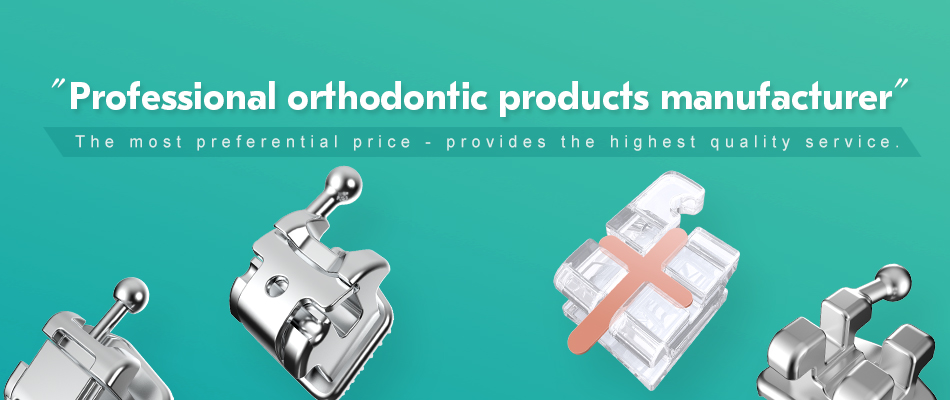

The selection of orthodontic brackets significantly impacts clinical efficiency, patient comfort, and treatment duration. By 2026, the global orthodontic market is projected to reach $11.6 billion, driven by a CAGR of 8.5% according to reports from Fortune Business Insights. Dental clinics must prioritize high-precision manufacturing and material biocompatibility to maintain competitive standards in modern dentistry.
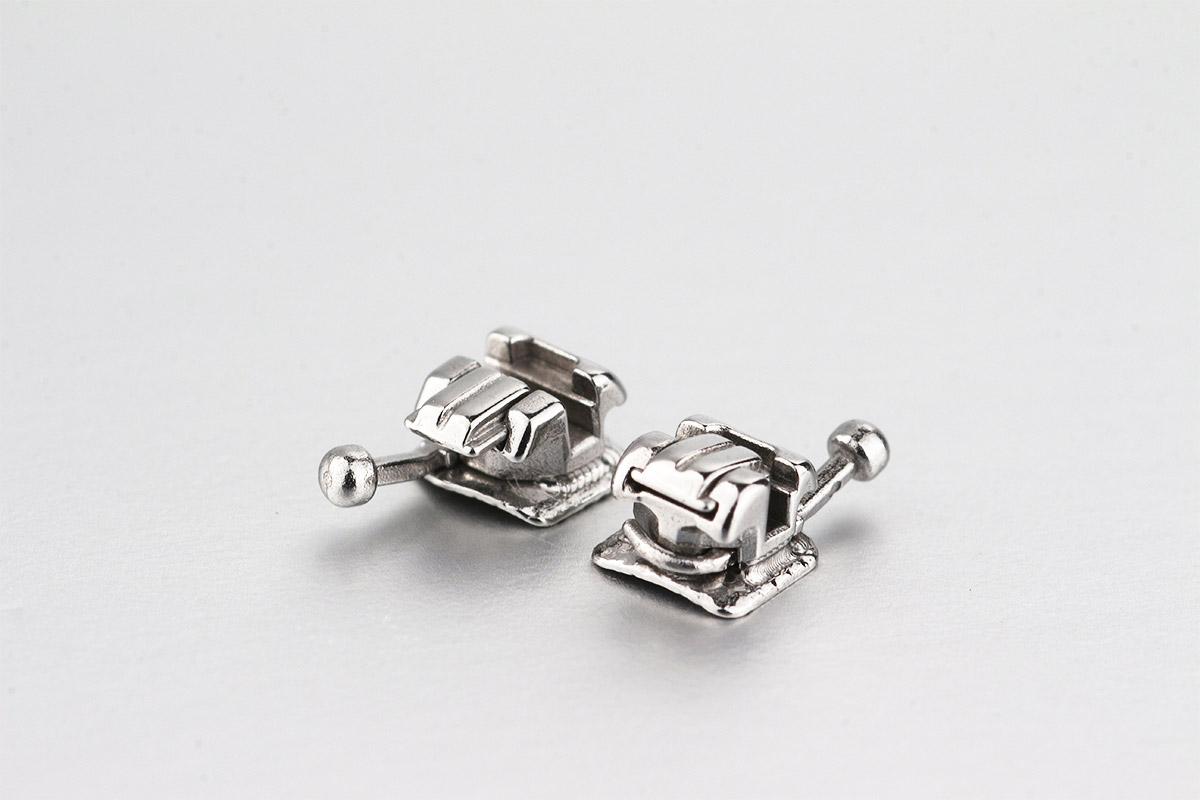
Critical Factors in Orthodontic Bracket Selection for Clinical Success
Orthodontic brackets serve as the fundamental anchors for tooth movement. In 2026, the industry emphasizes digital integration and customized prescriptions. Clinicians should evaluate the mechanical properties of materials, such as stainless steel, ceramic, and sapphire, to align with specific patient requirements. High-quality orthodontic brackets provide the necessary torque and angulation control required for complex malocclusions.
Material Performance and Biocompatibility
Modern bracket manufacturing utilizes advanced metallurgy and polycrystalline structures. According to a 2025 study published by the National Center for Biotechnology Information (NCBI), nickel-free stainless steel and medical-grade ceramic materials show a 25% reduction in gingival inflammation compared to older alloy compositions. Choosing the right material ensures both structural integrity and biological safety during long-term treatment cycles.
Comparative Analysis of Bracket Materials
| Material Type | Friction Coefficient | Aesthetic Value | Durability | Clinical Application |
|---|---|---|---|---|
| Stainless Steel | Low | Low | Very High | Standard corrective cases |
| Polycrystalline Ceramic | Medium | High | Moderate | Adult aesthetics |
| Monocrystalline Sapphire | High | Superior | Brittle | High-end aesthetic demand |
| Cobalt-Chromium | Low | Low | High | Nickel-sensitive patients |
Enhancing Efficiency with Self-Ligating Brackets Systems
Self-ligating technology has transformed clinical workflows by eliminating the need for elastomeric ties. Data from the American Association of Orthodontists (AAO) indicates that self-ligating systems can reduce chair time by approximately 15-20% per appointment. These systems utilize a specialized sliding door mechanism to secure the archwire, which minimizes friction and allows for faster tooth alignment.
Advantages of Passive vs. Active Self-Ligation
Passive self-ligating systems exert less pressure on the archwire, facilitating faster leveling and alignment phases. Conversely, active systems provide better control over torque and rotation during the finishing stages. Utilizing advanced self-ligating brackets allows practitioners to tailor the mechanical force applied to the dentition based on the specific phase of treatment, optimizing the overall biological response.
Impact of Friction on Treatment Duration
Friction is a primary obstacle in orthodontic mechanics. Research from The Journal of the World Federation of Orthodontists suggests that reducing static friction by 30% can accelerate early-stage tooth movement. High-performance brackets feature polished slot surfaces that ensure smooth wire sliding. This technical precision is essential for maintaining consistent force levels and avoiding root resorption risks associated with excessive pressure.
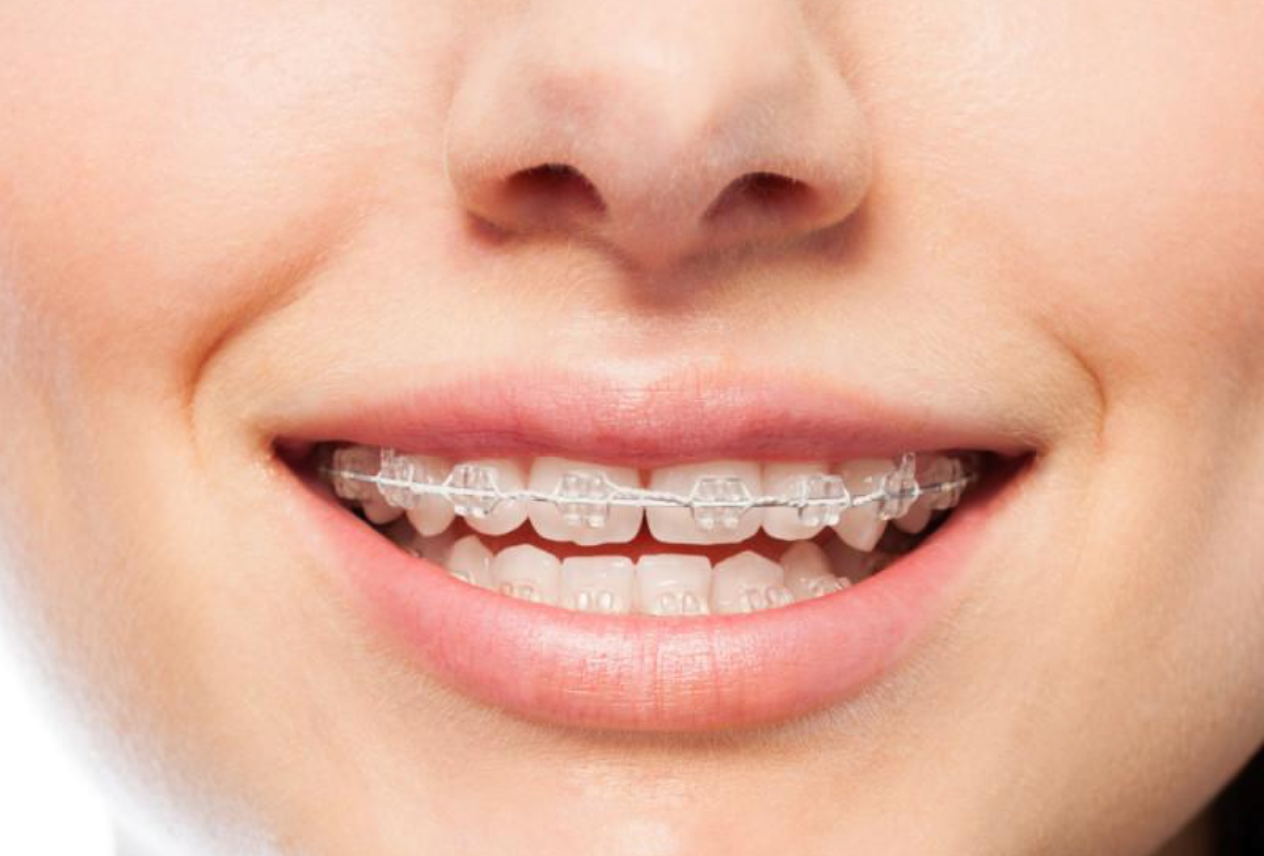
Technical Specifications for Precision Bracket Engineering
The precision of bracket dimensions, particularly the slot size (e.g., .018 or .022 inches), dictates the accuracy of force expression. Precise manufacturing ensures that the programmed torque, tip, and offset are accurately transferred from the bracket to the tooth. Professional dental orthodontic supplies must meet ISO 13485 standards to guarantee consistency across every batch of medical hardware used in the clinic.
Torque and Angulation Accuracy
Prescription accuracy is vital for achieving optimal occlusion. Deviation in slot geometry can lead to “play” between the wire and the bracket, resulting in incomplete correction. Modern CNC machining allows for tolerances within ±0.001 mm, ensuring that the mechanical intent of the orthodontist is realized. Clinicians should verify that their suppliers provide detailed technical data sheets for all prescribed hardware.
Comparison of Popular Prescription Systems
| Prescription | Torque (Maxillary Incisor) | Tip (Maxillary Incisor) | Primary Focus |
|---|---|---|---|
| Roth | +12° | +5° | Functional Occlusion |
| MBT | +17° | +4° | Versatility & Stability |
| Edgewise | 0° | 0° | Manual Customization |
Aesthetic Orthodontic Brackets and Patient Satisfaction
Patient demand for “invisible” solutions continues to grow. Market research from Grand View Research highlights that the aesthetic segment now accounts for over 35% of the total orthodontic hardware market. Ceramic and sapphire brackets satisfy this demand by mimicking the natural color of enamel while maintaining the mechanical strength required for orthodontic correction.
Stability and Stain Resistance of Ceramic Brackets
Polycrystalline alumina ceramic is the industry standard for aesthetic brackets. Unlike plastic alternatives, these materials do not discolor when exposed to dietary chromogens. Implementing durable ceramic brackets ensures that the appliance remains visually appealing throughout the 18 to 24-month treatment period. Advanced base designs also improve bonding strength, reducing the frequency of emergency debonding appointments.
Digital Integration and 3D Printed Orthodontics
The year 2026 marks a significant shift toward digital bracket placement. Indirect bonding (IDB) trays, designed through CAD/CAM software, allow for the simultaneous placement of an entire arch. This method improves placement accuracy by 10% compared to traditional direct bonding techniques. High-quality orthodontic metal brackets with mesh bases are particularly suited for IDB, as they provide superior mechanical interlocking with digital adhesives.
The Role of 3D Printing in Bracket Customization
While mass-produced brackets remain the standard, 3D printing allows for the creation of customized jigs and transfer trays. According to the International Journal of Computerized Dentistry, digital workflows reduce the total number of wire bends required by 40% . Integrating these digital tools with standardized bracket systems represents the most cost-effective path for modern dental clinics.
Evaluation Criteria for Supplier Selection
- Certification: Verification of CE, FDA, and ISO certifications for all medical devices.
- Base Design: 80-mesh or laser-etched bases for maximum bond reliability.
- Low Profile: Designs that minimize occlusal interference and mucosal irritation.
- Traceability: Batch-coded packaging for quality control and safety monitoring.
Cost-Benefit Analysis of Premium vs. Economy Brackets
Investing in premium hardware often reduces total treatment costs by minimizing chair time and emergency repairs. Cheap, poorly manufactured brackets often suffer from slot deformation or wing fractures, leading to prolonged treatment times. By sourcing reliable orthodontic dental products, clinics protect their reputation and ensure predictable outcomes for their patients.
Operational Efficiency Metrics
- Bond Failure Rates: Premium brackets typically maintain a failure rate below 1% .
- Treatment Speed: Reduced friction leads to shorter alignment phases.
- Patient Comfort: Smoother edges and lower profiles increase patient compliance.
- Finishing Precision: Higher manufacturing tolerances reduce the need for manual wire finishing.
FAQ: Common Queries Regarding Orthodontic Bracket Selection
How do I choose between .018 and .022 slot sizes for my clinic?
The choice depends on your preference for stiffness and control. The .018 slot offers higher structural stiffness with thinner wires, which is beneficial for finishing. The .022 slot is more common in the US and allows for a wider range of archwire sequences, providing more “play” during the initial leveling phases.
What is the difference between active and passive self-ligating brackets?
Active self-ligating brackets feature a spring clip that exerts pressure on the archwire, providing greater control over tooth rotation and torque. Passive brackets have a slide that does not press on the wire, resulting in significantly lower friction and faster tooth movement during the early stages of treatment.
Why are mesh bases preferred for orthodontic bracket bonding?
Mesh bases, particularly those with an 80-gauge mesh, increase the surface area for the adhesive. This creates a mechanical interlock between the bracket and the tooth enamel. This design is crucial for preventing bracket failure during high-stress activities like mastication or when using heavy orthodontic elastics.
Are ceramic brackets more likely to cause enamel damage during debonding?
Modern ceramic brackets are designed with specialized base stress-concentrators. These features allow the bracket to collapse or peel away from the tooth during debonding, rather than fracturing. Using the manufacturer’s recommended debonding pliers further minimizes the risk of enamel fractures compared to older aesthetic designs.
How does nickel content in brackets affect patient selection?
Approximately 10-15% of the population has a nickel sensitivity. For these patients, stainless steel brackets containing nickel may cause localized allergic reactions. In such cases, clinicians should select nickel-free alternatives, such as titanium or cobalt-chromium brackets, to ensure patient safety and avoid mucosal inflammation during the orthodontic process.
Post time: Apr-15-2026